
A sprain is one of the most common musculoskeletal injuries, yet it is frequently misunderstood and improperly managed. At its core, a sprain is an injury to a ligament—the tough, fibrous bands of connective tissue that connect one bone to another. Ligaments provide stability to joints and define the limits of their movement. When a joint is forced beyond its normal range of motion, these bands can be stretched, twisted, or torn, resulting in the clinical condition known as a sprain.
While often confused with strains—which involve injuries to muscles or tendons—a sprain is specifically a ligamentous injury. The severity can range from microscopic tears that cause mild discomfort to complete ruptures that render a joint unstable and non-functional. Understanding the mechanics of these injuries is the first step toward effective recovery and long-term joint health.

The Anatomy and Mechanics of a Sprain
To understand how a sprain occurs, one must first recognize the role of ligaments in the body. Ligaments are composed primarily of collagen fibers, which are designed to be strong and relatively inelastic. They act as the “glue” that holds the skeleton together while allowing for controlled, functional movement.
How Ligaments Fail Under Pressure
When a joint experiences sudden, forceful impact or an unnatural twisting motion, the ligaments are subjected to tensile stress. If this stress exceeds the load-bearing capacity of the collagen fibers, structural damage occurs. This is common in sports, falls, or sudden changes in direction. The energy of the trauma is transferred directly to the ligament, causing the fibers to separate or snap.
Common Sites for Sprain Injuries
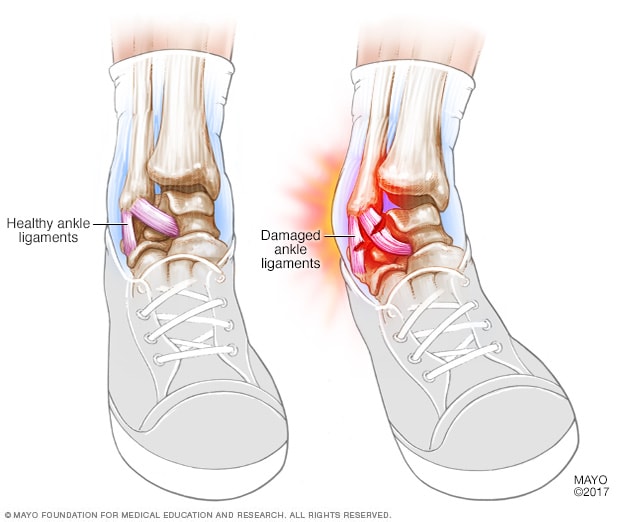
Sprains can occur in any joint supported by ligaments, but certain areas are anatomically more susceptible. The ankle is the most frequently injured joint, often occurring when the foot “rolls” inward (inversion sprain). The knee is another high-risk area, particularly involving the Anterior Cruciate Ligament (ACL). Additionally, wrists are common sites for sprains, often occurring when an individual attempts to break a fall with an outstretched hand, forcing the joint into extreme hyperextension.
Classifying the Severity of Ligament Damage
Medical professionals categorize sprains into three distinct grades based on the extent of the ligamentous disruption. Identifying the grade is essential for determining the appropriate rehabilitation protocol.
Grade I: Mild Sprains
A Grade I sprain involves minimal damage. The ligament fibers are stretched but remain intact. Individuals with a Grade I sprain typically experience mild tenderness, minimal swelling, and little to no loss of joint stability. These injuries are often manageable with basic home care and usually allow for a relatively quick return to activity.
Grade II: Moderate Sprains
A Grade II sprain indicates a partial tear of the ligament. There is a visible or palpable looseness in the joint, significant swelling, and localized bruising. Pain is usually more pronounced, and the joint may feel “unreliable.” Because the ligament is partially compromised, the joint’s range of motion may be restricted by pain and swelling, and support (such as a brace or splint) is often required during the initial healing phase.
Grade III: Severe Sprains
A Grade III sprain is a complete rupture or tear of the ligament. In these cases, the joint becomes completely unstable. Pain can actually be deceptive in Grade III injuries; while initially severe, some patients report less pain than in Grade II sprains because the nerve endings within the ligament have been completely severed. A Grade III sprain often requires surgical intervention or prolonged immobilization and intensive physical therapy to restore joint integrity.
The Physiological Response: Inflammation and Healing
The body’s response to a sprain is an immediate and highly orchestrated biological process. As soon as a ligament is damaged, the body initiates the inflammatory cascade to begin the repair process.
The Acute Inflammatory Phase
Within minutes of the injury, blood vessels in the area dilate, and fluid leaks into the surrounding tissue, leading to swelling (edema). This swelling serves a dual purpose: it acts as a natural splint to limit movement and brings white blood cells and growth factors to the site of the damage to clear away necrotic tissue. While this process is vital for healing, the associated pain and pressure often limit function.
Proliferation and Remodeling
Following the inflammatory phase, the body begins the proliferative phase, where fibroblasts arrive at the injury site to lay down new collagen fibers. This tissue, however, is disorganized and weak. Over the course of several weeks or even months, the remodeling phase begins. During this time, the body reorganizes the collagen fibers along the lines of tension, gradually increasing the tensile strength of the healed ligament.
Management and Rehabilitation Strategies
Proper management of a sprain is not just about reducing pain; it is about restoring the joint to its pre-injury state to prevent chronic instability.
Immediate First Aid: The R.I.C.E. Protocol
For decades, the R.I.C.E. protocol has been the gold standard for immediate injury management:
- Rest: Avoid activities that place weight or stress on the injured joint.
- Ice: Apply cold packs for 15–20 minutes several times a day to manage inflammation and numb the area.
- Compression: Use an elastic bandage to minimize swelling.
- Elevation: Keep the injured joint raised above the level of the heart to encourage fluid drainage.
The Transition to Functional Rehabilitation
Once the acute inflammatory stage has passed, the focus must shift to physical therapy. Immobilizing a joint for too long can lead to muscle atrophy and stiffness. Progressive rehabilitation focuses on three pillars:
- Range of Motion: Gentle exercises to prevent scar tissue from limiting future movement.
- Strengthening: Building the muscles surrounding the joint helps them take over some of the stability duties while the ligament heals.
- Proprioception/Neuromuscular Training: This is the most overlooked component. Injuries damage the nerve receptors in ligaments that tell the brain where the joint is in space. Balance exercises are essential to retrain the brain to stabilize the joint automatically, which is the primary defense against recurrent sprains.

When to Seek Professional Care
It is a common mistake to assume that all sprains heal on their own. You should consult a medical professional if you are unable to bear weight on the joint, if there is a visible deformity, or if the joint feels like it is “giving way.” Imaging, such as an X-ray or MRI, may be necessary to rule out fractures—which can often present with similar symptoms to a severe sprain—or to confirm the extent of a ligament rupture.
Recovery from a sprain is a marathon, not a sprint. While the pain may subside quickly, the ligamentous tissue requires significant time to regain its structural integrity. By respecting the timeline of biological healing and adhering to a structured rehabilitation plan, most individuals can achieve a full recovery and return to their normal levels of activity with minimal risk of future injury.
aViewFromTheCave is a participant in the Amazon Services LLC Associates Program, an affiliate advertising program designed to provide a means for sites to earn advertising fees by advertising and linking to Amazon.com. Amazon, the Amazon logo, AmazonSupply, and the AmazonSupply logo are trademarks of Amazon.com, Inc. or its affiliates. As an Amazon Associate we earn affiliate commissions from qualifying purchases.