
In the vast landscape of visual communication, few elements possess the primal power and immediate impact of a silhouette. Far from being a mere outline or a shadow, a silhouette is a distillation of form, an essence stripped bare, communicating identity and meaning with remarkable efficiency. For brands, understanding and harnessing the power of the silhouette is not just a design choice; it’s a strategic imperative, a cornerstone of distinct corporate identity, memorable marketing, and compelling personal branding.
At its core, a silhouette is the dark shape and outline of someone or something visible against a lighter background, especially in a particular pose, style, or form. In branding, however, this definition transcends the literal to encompass the unique, recognizable shape of a logo, a product, a character, or even an individual’s public persona. It is the visual shortcut the human brain takes to identify, categorize, and recall, making it an indispensable tool in the relentless quest for brand recognition and differentiation.
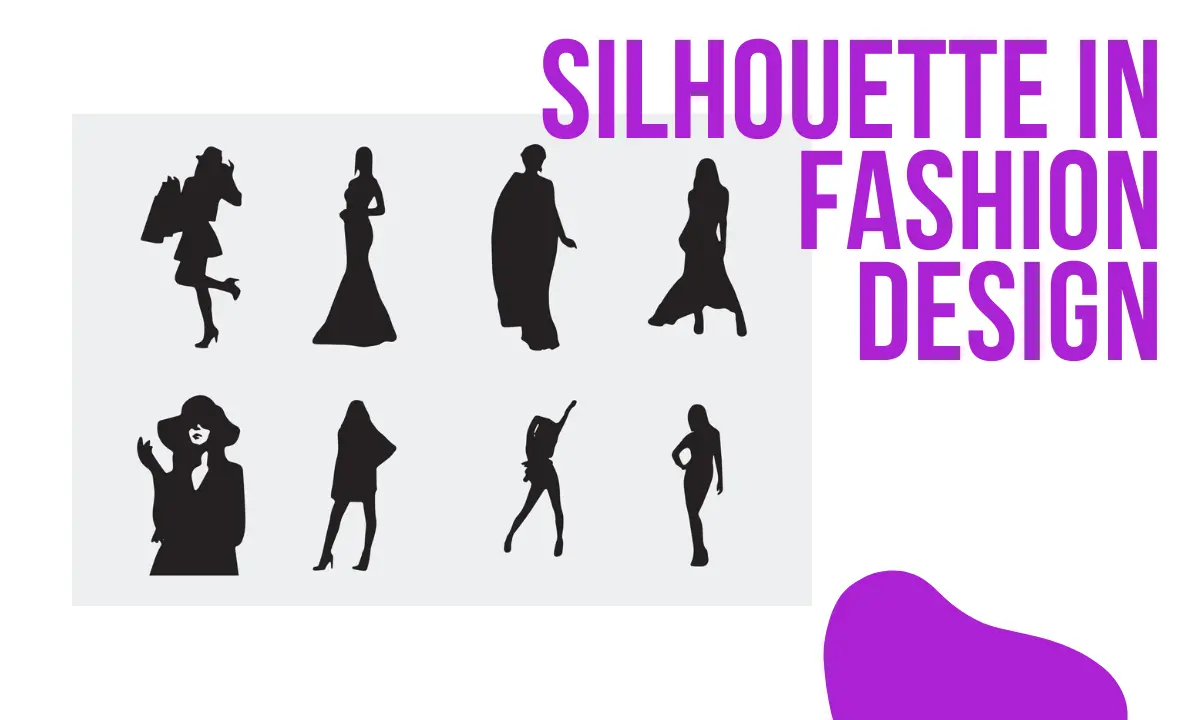
The Essence of a Silhouette: Beyond a Mere Outline
To truly appreciate the silhouette’s role in branding, one must look beyond its superficial definition and delve into its fundamental properties and historical significance. It is not just about tracing an edge; it is about capturing the soul of a subject through its most defining contours.
Defining the Silhouette in a Branding Context
In branding, a silhouette is the ultimate test of a design’s strength and clarity. Can your logo, product, or even your personal brand be recognized and understood solely by its shape? If the answer is yes, you’ve achieved a powerful visual asset. It’s the simplified, often monochromatic, representation that allows for instant identification, devoid of color, texture, or intricate detail. Think of it as the ultimate visual abstract – a brand’s fingerprint.
This simplified form acts as a mnemonic device. Our brains are hardwired to process shapes and patterns quickly. A distinctive silhouette bypasses the need for complex interpretation, embedding itself directly into our visual memory. This immediate recognition is invaluable in today’s saturated market, where attention spans are fleeting, and brands compete fiercely for even a second of consumer focus. A powerful silhouette ensures that your brand cuts through the noise, leaving an indelible mark.
Historical Significance and Enduring Appeal
The concept of representing subjects through their outlines is as old as art itself, dating back to prehistoric cave paintings. Ancient Egyptians used profiles and silhouettes extensively in their hieroglyphs and murals to convey narrative and identity. The eponymous “silhouette” gained prominence in the 18th century, named after Étienne de Silhouette, a French finance minister renowned for his parsimony; these cut-paper portraits were an inexpensive alternative to painted miniatures. This historical context underscores the silhouette’s enduring appeal as an accessible yet profound form of visual communication.
From ancient art to modern logos, the silhouette has consistently served as a powerful medium for storytelling and identification. Its enduring appeal lies in its timeless simplicity and universality. It transcends language barriers and cultural nuances, speaking directly to the human visual cortex. This universality makes it a global asset for brands aiming to resonate with diverse audiences, ensuring that their message remains clear and impactful regardless of geographical or cultural context.
Why Silhouettes Matter for Brand Identity
The impact of a well-crafted silhouette on brand identity cannot be overstated. It is a cornerstone of visual equity, driving memorability, conveying values, and ensuring adaptability across various media.
Instant Recognition and Memorability
In an era of information overload, the ability for a brand to achieve instant recognition is a golden ticket. A strong silhouette provides this. Consider iconic logos like Apple’s bitten apple, Nike’s Swoosh, or McDonald’s Golden Arches. These aren’t just shapes; they are globally recognized symbols that evoke an entire brand ecosystem in a fraction of a second. The distinctiveness of their silhouettes is a primary driver of their memorability. When stripped of color or even context, these shapes remain unmistakably linked to their respective brands.
This instant recognition is critical for recall, especially when consumers are making split-second purchasing decisions or navigating digital interfaces. A memorable silhouette reduces cognitive load, allowing consumers to quickly identify and trust a brand, fostering loyalty and repeat engagement.
Communicating Core Values Visually
Remarkably, a silhouette can communicate complex brand values without a single word. The angularity of a design might suggest modernity, sharpness, or innovation, while soft, rounded edges could convey approachability, comfort, or community. The upward sweep of a line can imply aspiration and growth, whereas a solid, grounded form might signify stability and tradition.
For instance, the sleek, dynamic silhouette of a luxury car brand communicates speed, elegance, and performance. The robust, sturdy outline of a construction company’s logo might convey reliability and strength. This non-verbal communication is potent because it taps into our innate ability to interpret visual cues, creating an emotional connection that resonates deeper than explicit claims. A silhouette, therefore, becomes a silent brand ambassador, embodying its essence in a pure, unadulterated form.
Versatility Across Platforms and Media
One of the most practical advantages of a strong brand silhouette is its inherent versatility. A well-designed silhouette maintains its impact and legibility across an almost limitless array of applications and scales. From a tiny favicon on a web browser to a massive billboard, from an embroidered logo on apparel to a stamped impression on packaging, the silhouette remains effective.
This adaptability is crucial in today’s multi-channel marketing environment. Brands need identities that can seamlessly transition between digital screens, print materials, physical products, and environmental branding. A complex logo with intricate details might lose its clarity when scaled down or viewed on a low-resolution screen. In contrast, a simple, bold silhouette retains its integrity and recognition, ensuring consistent brand presence regardless of the medium or context. This makes the silhouette an incredibly cost-effective and enduring design element.
Crafting Impactful Silhouettes for Your Brand
Designing a powerful silhouette is not a matter of chance; it requires strategic thinking, an understanding of design principles, and rigorous refinement. It’s about creating a visual shorthand that encapsulates your brand’s unique proposition.
Key Principles of Effective Silhouette Design
The creation of an impactful silhouette is guided by several core principles:
-
Simplicity: Less is often more. The most memorable silhouettes are stripped down to their essential form, free from superfluous details that could obscure recognition. Simplicity aids in clarity and recall.
-
Distinctiveness: To stand out, a silhouette must be unique and easily distinguishable from competitors. It should possess a signature quality that makes it immediately identifiable, even among a sea of other shapes.
-
Relevance: The silhouette should somehow relate to the brand’s core business, values, or target audience. While not always literal, there should be an underlying connection that makes the shape feel appropriate and meaningful.
-
Balance and Harmony: Like any good design, a silhouette should exhibit visual balance, ensuring that no single part overpowers another, contributing to an overall sense of stability and aesthetic appeal.
-
Memorability: The ultimate goal is to create a shape that sticks in people’s minds, prompting quick and effortless recall. This often comes from a combination of simplicity, distinctiveness, and a subtle emotional resonance.
The Role of Negative Space

Often overlooked, negative space—the empty space around and between the elements of a design—plays a crucial role in silhouette creation. It’s not just the shape itself that defines the silhouette, but also the form that the surrounding emptiness takes. Clever use of negative space can create secondary images or meanings, adding layers of sophistication and intrigue to a silhouette.
For example, the FedEx logo famously uses negative space to reveal an arrow between the “E” and “x,” symbolizing speed and precision. This technique transforms a simple wordmark into a dynamic visual, enhancing its memorability and reinforcing brand values. Mastering negative space allows designers to create silhouettes that are not only clear and distinct but also clever and multi-faceted, engaging the viewer on a deeper level.
Iteration and Testing
Creating the perfect silhouette is rarely a one-shot process. It involves extensive iteration, sketching, refinement, and critical evaluation. Designers often explore dozens, if not hundreds, of variations, testing each one for its legibility, distinctiveness, and emotional impact.
Testing involves presenting silhouettes in various contexts and scales, often in monochromatic forms, to gauge immediate recognition and understanding. This rigorous process helps ensure that the final silhouette is robust enough to withstand diverse applications and resonate effectively with the target audience. Feedback loops, whether through internal reviews or market research, are essential for refining the design until it achieves its maximum potential.
Case Studies: Iconic Brands Defined by Their Silhouettes
The power of the silhouette is best illustrated by iconic brands whose visual identities are inextricably linked to their distinctive shapes.
The Apple Logo: Simplicity as Sophistication
The bitten apple logo is a paragon of silhouette design. Its simple, symmetrical form is instantly recognizable worldwide, even without the company name. The “bite” adds a unique twist, rumored to prevent it from being confused with a cherry, but also providing a subtle touch of human imperfection against perfect geometry. The Apple silhouette embodies innovation, user-friendliness, and a minimalist aesthetic that defines the brand’s premium identity. It proves that simplicity, when executed brilliantly, can convey profound sophistication.
Nike’s “Swoosh”: Movement and Dynamism
The Nike “Swoosh” is a masterpiece of dynamic simplicity. Created for a mere $35 by Carolyn Davidson in 1971, this upward-sweeping curve instantly conveys movement, speed, and victory. It’s a silhouette that evokes the wing of the Greek goddess Nike, symbolizing flight and achievement. The Swoosh is so powerful and universally understood that it often appears without the brand name, a testament to its singular recognition. It’s a visual representation of aspiration and athletic excellence.
McDonald’s Golden Arches: Global Recognition Through Form
The “Golden Arches” of McDonald’s are arguably one of the most recognized silhouettes globally. This double-arch design, derived from the original restaurant architecture, has transcended its architectural origin to become a powerful symbol of fast food, convenience, and global consistency. The ‘M’ shape is instantly synonymous with the brand, evoking childhood memories and accessible dining experiences. Its sheer ubiquity demonstrates how a simple, consistent silhouette can become a cultural icon, representing far more than just a place to eat.
Other Examples: Exploring Diverse Applications
Many other brands leverage strong silhouettes. The Mercedes-Benz three-pointed star signifies universal power over land, sea, and air. The Shell pecten shell is a comforting, natural form that projects reliability. Even character silhouettes, such as Mickey Mouse’s distinctive ears or Batman’s cowl, become instantly identifiable branding elements. These examples underscore that whether for corporate identity, product design, or even character development, a memorable silhouette is a powerful, enduring asset that communicates without words.
Leveraging Silhouettes in Modern Marketing and Personal Branding
In today’s digital-first world, the strategic deployment of silhouettes extends beyond traditional logos into nuanced applications for marketing and personal branding, adapting to new visual landscapes.
Digital Branding and Social Media
In the fast-paced, visually driven environment of social media, a strong silhouette is a crucial differentiator. Profile pictures, app icons, and content thumbnails demand clarity and instant recognition. A brand’s logo silhouette ensures that its identity remains prominent and legible even at small sizes, helping it stand out in crowded feeds and user interfaces. This visual shorthand facilitates quick brand recall and encourages engagement in platforms where quick scrolls are the norm. Developers also use distinct app icon silhouettes to ensure their applications are easily found and remembered on mobile device screens.
Personal Branding: Creating a Recognizable Persona
For individuals, especially influencers, thought leaders, and creative professionals, a personal brand silhouette can be incredibly powerful. This isn’t necessarily a literal logo but rather a distinctive visual signature that makes them recognizable. It could be a unique hairstyle, a consistent color palette in their visuals, a specific pose they adopt, or even the identifiable form of their signature products or content.
Think of certain artists whose works are instantly recognizable by their style or character shapes, or public figures known for a particular sartorial choice. Cultivating a distinctive personal silhouette helps individuals build a memorable presence, differentiate themselves in competitive fields, and foster a strong, consistent identity that resonates with their audience.
Future Trends: Dynamic Silhouettes and Interactive Experiences
As technology evolves, so too does the application of silhouettes. We are seeing emerging trends in dynamic silhouettes, where shapes might subtly animate or change, offering interactive brand experiences while maintaining core recognition. Augmented reality and virtual reality could leverage brand silhouettes in new dimensions, offering immersive ways for consumers to engage with brand forms. AI tools might even assist in generating and testing highly effective silhouette designs based on complex data analytics of consumer perception. The core principle of simplified recognition remains, but the avenues for its expression continue to expand, promising an exciting future for this timeless design element.

Conclusion: The Enduring Legacy of the Silhouette in Branding
The silhouette, far from being a rudimentary design element, is a sophisticated and highly effective tool in the brand arsenal. Its power lies in its unparalleled ability to strip away complexity, leaving behind the pure essence of identity, meaning, and emotion. From ancient art to modern corporate giants and individual personal brands, the silhouette serves as a universal language, transcending cultural and linguistic barriers.
By prioritizing simplicity, distinctiveness, and relevance in their design, brands can create silhouettes that not only ensure instant recognition and memorability but also communicate their core values with profound impact. In an increasingly noisy and visually saturated world, the clarity and enduring appeal of a strong silhouette stand as a testament to the adage that sometimes, the most powerful statements are made with the fewest lines. Investing in a compelling silhouette is not just an aesthetic choice; it is a strategic investment in a brand’s long-term recognition, resonance, and legacy.
aViewFromTheCave is a participant in the Amazon Services LLC Associates Program, an affiliate advertising program designed to provide a means for sites to earn advertising fees by advertising and linking to Amazon.com. Amazon, the Amazon logo, AmazonSupply, and the AmazonSupply logo are trademarks of Amazon.com, Inc. or its affiliates. As an Amazon Associate we earn affiliate commissions from qualifying purchases.