
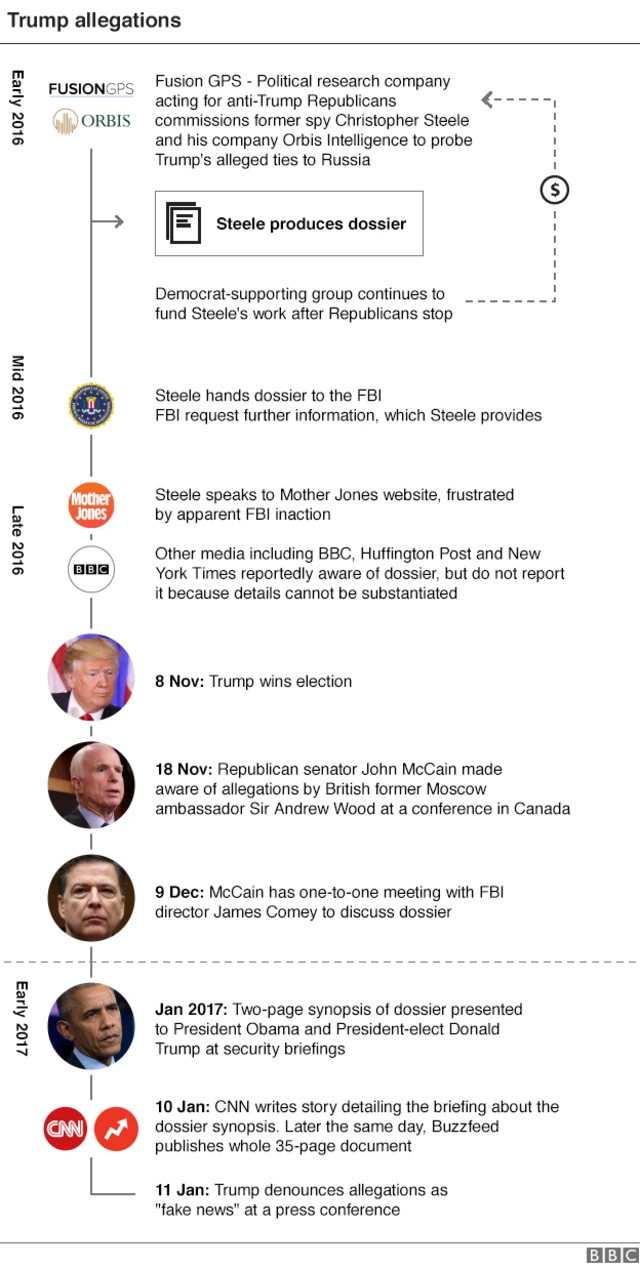
In an increasingly interconnected and data-driven world, the concept of a “dossier” has evolved dramatically. While historically associated with physical files and clandestine intelligence, today’s dossiers are predominantly digital, vast, and often compiled through sophisticated technological means. When we ask “what is a Russian dossier,” we are not merely inquiring about a collection of documents originating from Russia. Instead, we are delving into a complex landscape where state-sponsored intelligence, cyber warfare, big data analytics, and digital security intersect, creating a potent tool for influence, intelligence gathering, and sometimes, geopolitical maneuvering. From a technology perspective, understanding a Russian dossier involves dissecting the digital infrastructure, tools, and methodologies employed to collect, analyze, store, and potentially weaponize information, posing significant challenges to global digital security.
The Digital Evolution of Intelligence Gathering
The traditional image of a dossier, perhaps a manila folder filled with papers, photographs, and surveillance reports, has largely been supplanted by its digital counterpart. In the context of “Russian dossiers,” this transformation is profound, leveraging advanced technology to gather, process, and store information on an unprecedented scale. This evolution is driven by the sheer volume of data available today and the sophisticated digital tools designed to exploit it.
Data Collection and Open-Source Intelligence (OSINT)
Modern intelligence operations, including those attributed to Russian entities, heavily rely on open-source intelligence (OSINT). This involves systematically collecting and analyzing publicly available information using advanced technological tools. Social media platforms, public registries, academic papers, news articles, satellite imagery, commercial databases, and even deep web archives serve as rich veins of data. Software tools, often powered by AI and machine learning, are deployed to scrape, index, and categorize vast amounts of textual, image, and video data. Natural Language Processing (NLP) algorithms can identify sentiments, relationships, and patterns across different languages, while facial recognition and geospatial analysis software can link individuals to locations and activities. The sheer scale of data processing required to build a comprehensive dossier necessitates powerful computing infrastructure and highly specialized software, turning the internet into a global intelligence goldmine.
Cyber Espionage and Data Breaches
Beyond public information, a significant component of assembling a potent digital dossier involves clandestine access to private and sensitive data. This is where cyber espionage comes into play. State-sponsored Advanced Persistent Threat (APT) groups, often linked to Russian intelligence agencies, employ sophisticated hacking techniques to infiltrate government networks, corporate systems, academic institutions, and even personal devices. These cyberattacks aim to exfiltrate confidential documents, communications, financial records, and proprietary information. Methods range from targeted phishing campaigns and malware deployment to exploiting zero-day vulnerabilities in software and network infrastructure. The technological sophistication involved in these operations – crafting custom malware, maintaining stealthy access, and encrypting stolen data for secure exfiltration – underscores the digital arms race in intelligence gathering. Data breaches, whether publicly disclosed or covert, contribute immensely to the digital repositories that form a comprehensive “Russian dossier.”
Technological Infrastructure for Dossier Management
The true power of a digital dossier lies not just in its collection but in its systematic management and analysis. This requires a robust technological infrastructure capable of handling petabytes of data, deriving actionable insights, and ensuring secure (or strategically insecure) storage and communication.
Big Data Analytics and Artificial Intelligence
Once data is collected, it needs to be processed into intelligible and useful information. This is where big data analytics and AI tools become indispensable. Machine learning algorithms are used to identify correlations, predict behaviors, and even flag potential targets of interest within the collected data. Graph databases map relationships between individuals, organizations, and events, uncovering networks that might be invisible to the human eye. Predictive analytics can forecast future actions or vulnerabilities based on past patterns. For instance, AI could be used to cross-reference an individual’s online activities, financial transactions, and social connections to build a psychological profile, identify leverage points, or assess security risks. The development and deployment of these advanced analytical platforms are central to transforming raw data into strategic intelligence.
Secure Storage and Communication Protocols

The integrity and secrecy of a digital dossier are paramount. Therefore, sophisticated technological measures are employed for its storage and communication. This includes highly encrypted servers, often isolated from public internet access, and proprietary secure network protocols. Data is typically stored across distributed systems to enhance resilience and prevent single points of failure. Access controls are extremely stringent, often employing multi-factor authentication and biometric verification for authorized personnel. When components of a dossier need to be shared or disseminated, advanced cryptographic techniques and secure communication channels (e.g., VPNs, anonymizing networks, encrypted messaging) are used to prevent interception or unauthorized access. However, in some cases, the “insecurity” of a dossier might be intentional, designed for controlled leaks or disinformation campaigns, which also involves specific technological considerations for plausible deniability.
The Impact and Implications of Digital Dossiers
The existence and potential deployment of digital dossiers, particularly those compiled by sophisticated state actors like Russia, have far-reaching implications across various domains, primarily manifesting as significant digital security threats and tools for information warfare.
Digital Security Threats and Countermeasures
The very process of creating a digital dossier often involves compromising digital security. Consequently, awareness of such activities drives the need for enhanced cybersecurity measures. For individuals, this means stronger password hygiene, multi-factor authentication, vigilance against phishing, and understanding one’s digital footprint. For organizations and governments, it necessitates continuous investment in advanced threat detection systems, intrusion prevention systems, secure coding practices, network segmentation, and robust incident response plans. The threat of a “Russian dossier” highlights vulnerabilities in software supply chains, human error in security protocols, and the persistent challenge of defending against highly motivated and resourced adversaries. Counterintelligence operations increasingly focus on digital forensics and attribution, using technological means to identify the origin of cyberattacks and data exfiltration attempts.
Disinformation Campaigns and Information Warfare
A key strategic application of information contained within a digital dossier is its use in disinformation campaigns and information warfare. Fragments of genuine or manipulated information can be strategically leaked, amplified through social media bots and troll farms, and spread via compromised news outlets to sow discord, influence public opinion, or discredit adversaries. Technology is central to this: automated accounts, deepfake generation, highly targeted social media advertising based on harvested data, and content distribution networks are all leveraged. For example, a dossier might contain compromising information about a political figure. This information, or a distorted version of it, could be strategically released and amplified through digital channels to influence an election or destabilize a political landscape. Understanding the technological underpinnings of these campaigns is crucial for developing effective countermeasures, such as fact-checking algorithms and digital literacy programs.
The Ethics of Digital Dossier Creation and Use
The technological capabilities that enable the creation of “Russian dossiers” also bring forth complex ethical and legal dilemmas, particularly concerning individual privacy, national sovereignty, and the boundaries of surveillance in the digital age.
Data Privacy Regulations vs. National Security
The rapid advancement in data collection and analysis technology constantly clashes with evolving data privacy regulations like GDPR and CCPA. While these regulations aim to protect individual data rights, national security interests often claim exemption. The compilation of a “Russian dossier,” regardless of its origin, often involves activities that would be illegal under standard privacy laws in many jurisdictions. This creates a perpetual tension between the state’s prerogative to gather intelligence for national security and the individual’s right to privacy in the digital realm. Technologically, this debate influences the development of privacy-enhancing technologies (PETs) like end-to-end encryption and anonymization tools, which intelligence agencies simultaneously seek to circumvent or weaken.
The Role of Encryption and Anonymity Tech
In response to pervasive digital surveillance and the threat of dossier creation, there’s an increased emphasis on encryption and anonymity technologies. End-to-end encryption for messaging apps, secure email services, virtual private networks (VPNs), and anonymizing networks like Tor provide layers of protection against data interception and identity tracing. These technologies empower individuals and organizations to protect their communications and digital footprint from being incorporated into a dossier. However, these tools are also used by malicious actors, presenting a continuous challenge for law enforcement and intelligence agencies. The ongoing debate about “backdoors” in encryption software and the legal complexities of accessing encrypted communications highlight the technological and ethical battleground that the digital dossier represents.
In conclusion, “what is a Russian dossier” transcends a simple definition of documents. From a technology perspective, it represents the sophisticated application of digital tools and infrastructure for large-scale information gathering, analysis, and strategic deployment. It is a testament to the power of big data, AI, cyber espionage, and digital communication networks when wielded by state actors. Understanding this phenomenon is not just about geopolitics; it’s fundamentally about comprehending the pervasive influence of technology on intelligence, security, and the future of information warfare, demanding continuous innovation in digital security and a keen awareness of our own digital footprints.
aViewFromTheCave is a participant in the Amazon Services LLC Associates Program, an affiliate advertising program designed to provide a means for sites to earn advertising fees by advertising and linking to Amazon.com. Amazon, the Amazon logo, AmazonSupply, and the AmazonSupply logo are trademarks of Amazon.com, Inc. or its affiliates. As an Amazon Associate we earn affiliate commissions from qualifying purchases.