
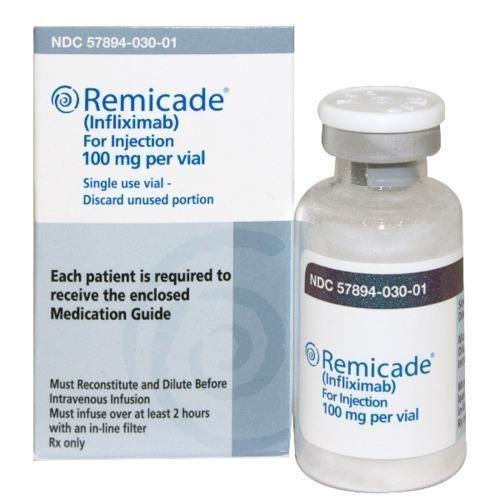
Remicade, known generically as infliximab, represents a significant milestone in the evolution of modern biotechnology. As a chimeric monoclonal antibody, it has fundamentally transformed the therapeutic landscape for individuals suffering from chronic, immune-mediated inflammatory conditions. To understand the strategic position of Remicade within the medical landscape is to understand the shift from generalized immunosuppression to targeted molecular intervention.
The Biotechnology Architecture of Infliximab
At its core, Remicade is classified as a tumor necrosis factor-alpha (TNF-α) inhibitor. To grasp its function, one must look at the body’s inflammatory response system. TNF-α is a cytokine—a protein used by the immune system for cell signaling. In healthy individuals, it plays a vital role in regulating the immune response. However, in patients with autoimmune disorders, the body produces an excess of TNF-α, which leads to chronic inflammation, tissue destruction, and systemic damage.
Molecular Targeting and Mechanism
Remicade functions by binding with high affinity to both soluble and transmembrane forms of TNF-α. By effectively neutralizing this protein, the medication prevents it from binding to its receptors on the surface of cells. This interruption effectively “shuts off” a primary signal that promotes inflammation. Because it is a chimeric antibody—meaning it is composed of both human and mouse protein sequences—it is engineered to have a high affinity for its target, allowing it to penetrate deep into tissues to address inflammation at the source, rather than simply suppressing the symptoms at the surface.
The Shift Toward Biologics
Before the advent of biologics like Remicade, the standard of care for conditions like rheumatoid arthritis or Crohn’s disease often involved systemic corticosteroids or non-specific immunosuppressants. These treatments, while effective to an extent, often carried heavy side effect profiles due to their broad-spectrum impact on the entire immune system. The arrival of infliximab shifted the strategy toward precision medicine, where the therapeutic goal is to target a specific pathway involved in the disease mechanism, thereby sparing other necessary components of the immune system.
Clinical Indications and Strategic Application
The strategic deployment of Remicade is centered on its ability to induce and maintain remission in diseases that are notoriously difficult to manage. Its classification as a biological response modifier allows clinicians to treat systemic conditions that manifest in various organs, from the gastrointestinal tract to the joints and skin.
Gastrointestinal Health: Crohn’s and Ulcerative Colitis
Perhaps the most notable impact of Remicade has been in the treatment of Inflammatory Bowel Disease (IBD). For patients with moderate to severe Crohn’s disease or ulcerative colitis, traditional therapies often fail to induce mucosal healing. Remicade has demonstrated a unique capability to not only reduce inflammation but to promote the actual healing of the lining of the digestive tract. This capability changes the long-term clinical strategy from “symptom management” to “disease modification,” potentially preventing the need for surgical interventions or the development of fistulas and strictures.
Rheumatological and Dermatological Efficacy
Beyond the gut, the drug is a cornerstone in the treatment of rheumatoid arthritis, psoriatic arthritis, and ankylosing spondylitis. In these conditions, Remicade is often utilized to prevent the irreversible damage that occurs when chronic inflammation leads to bone erosion and joint deformity. Similarly, in the treatment of plaque psoriasis, it addresses the hyper-proliferation of skin cells triggered by the inflammatory cascade, offering relief where topical agents and traditional oral medications have reached their limits of efficacy.

Administration, Logistics, and Safety Profiles
Unlike many medications that are ingested as a pill, Remicade is an intravenous infusion therapy. This logistical necessity defines much of the patient experience and underscores the high-stakes nature of the treatment.
The Infusion Process
Administration typically occurs in a medical setting, such as a specialized infusion center or hospital. Because the medication is administered via an IV drip over the course of several hours, it requires a scheduled commitment from the patient. This process allows medical professionals to monitor the patient closely during the infusion, which is critical for managing potential infusion-related reactions. The dosage and frequency—often categorized by an “induction” phase followed by maintenance infusions every eight weeks—are calibrated based on the specific disease state and the patient’s clinical response.
Risk Management and Immunological Vigilance
The efficacy of Remicade is inextricably linked to its mechanism of action: suppressing the immune system. This necessitates a rigorous safety strategy. Before beginning therapy, patients are universally screened for latent infections, most notably tuberculosis. Because the medication reduces the body’s ability to mount a robust defense against certain pathogens, clinicians must maintain a high level of vigilance regarding opportunistic infections.
Furthermore, the “chimeric” nature of the drug means that over time, some patients may develop anti-drug antibodies. The immune system may recognize the monoclonal antibody as a foreign invader, leading to a decrease in the drug’s effectiveness or an increase in the risk of allergic reactions. Managing this immunogenicity is a critical component of long-term therapeutic strategy, often involving the concurrent use of immunomodulators to ensure the body does not reject the treatment.
The Future of Biologics and Biosimilars
The story of Remicade is not just one of clinical success; it is a masterclass in the lifecycle of pharmaceutical innovation. As the patents for the original biologic have expired, the market has seen the emergence of “biosimilars.” These are products that are highly similar to the original reference product in terms of safety, purity, and potency, but are manufactured by different companies.
The Economic Shift in Therapeutics
The introduction of biosimilars has fundamentally changed the financial landscape for hospitals and payers. While the original biologic required substantial research and development investment, biosimilars introduce competition, which can drive down costs and increase patient access to life-altering therapies. This shift represents the maturation of the biologic industry, where the focus moves from the discovery of new molecules to the optimization of manufacturing processes and the broadening of access.

Monitoring Long-Term Outcomes
As we look toward the future, the clinical focus remains on how to optimize the use of Remicade in a shifting treatment algorithm. This includes research into “therapeutic drug monitoring,” where doctors measure the levels of the drug in the patient’s bloodstream to fine-tune dosages. By personalizing the dose to the individual’s metabolic rate, clinicians can maximize the therapeutic window, minimize the risk of developing resistance, and ensure that the patient stays in remission for as long as possible.
Remicade stands as a bridge between the traditional pharmaceutical era and the modern era of personalized, targeted biologic therapy. It has proven that by identifying the precise molecular drivers of a disease, we can intercept the inflammatory cascade and restore quality of life to those for whom previous treatments were insufficient. Through rigorous administration, careful patient selection, and an evolving understanding of the body’s response to monoclonal antibodies, infliximab remains a vital tool in the modern medical arsenal, illustrating the profound capacity for innovation to reshape the experience of living with chronic, immune-mediated disease.
aViewFromTheCave is a participant in the Amazon Services LLC Associates Program, an affiliate advertising program designed to provide a means for sites to earn advertising fees by advertising and linking to Amazon.com. Amazon, the Amazon logo, AmazonSupply, and the AmazonSupply logo are trademarks of Amazon.com, Inc. or its affiliates. As an Amazon Associate we earn affiliate commissions from qualifying purchases.