
In the intricate and ever-evolving world of technology, where innovation races ahead at breakneck speed, there exist fundamental frameworks that ensure order, efficiency, and reliability: procedures. Often overlooked in favor of the dazzling new gadget or the breakthrough algorithm, procedures are the silent architects behind every successful tech endeavor. They are the meticulously crafted blueprints that guide actions, manage complexity, and ensure consistent outcomes, transforming chaotic possibilities into predictable realities.
At its core, a procedure is a prescribed series of actions or steps executed in a fixed order or manner, designed to achieve a specific outcome or comply with a certain standard. In the digital realm, this definition expands dramatically, encompassing everything from the step-by-step instructions for installing an operating system to the sophisticated sequence of operations within an AI algorithm. Understanding “what is a procedure” in a technological context is not merely about recognizing a checklist; it’s about appreciating the structured thinking, risk mitigation, and operational excellence it embodies, forming the bedrock upon which all digital progress is built.
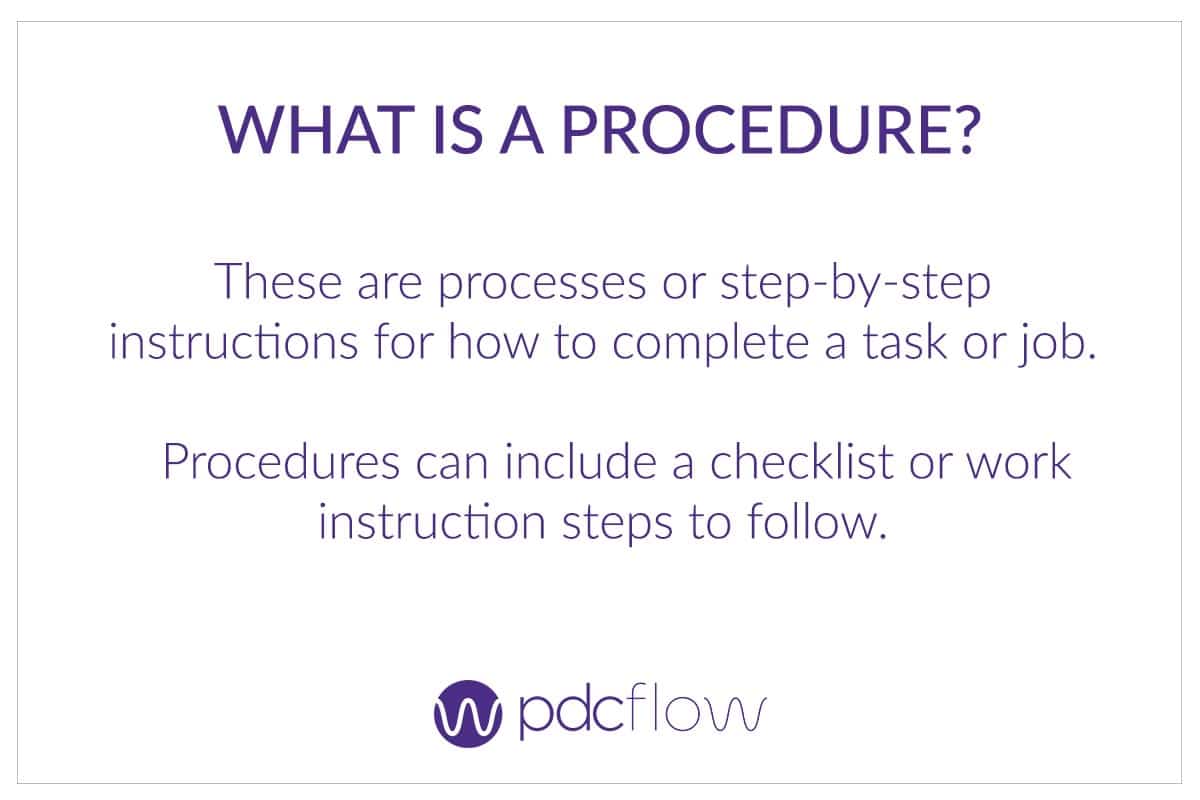
Defining Procedures in the Digital Age: More Than Just Steps
The term “procedure” might evoke images of dusty manuals or rigid bureaucratic processes. However, within technology, its meaning is dynamic and pervasive, serving as the connective tissue that links disparate components, human actions, and automated processes into a coherent, functional system. It is the very essence of repeatability and predictability in an environment characterized by constant change.
The Foundational Role of Procedures in Tech
In technology, procedures serve as the fundamental grammar for how systems operate, how software is developed, how data is managed, and how security is maintained. They provide clarity, reduce ambiguity, and establish a common language for teams to collaborate effectively. Without well-defined procedures, even the most brilliant technological innovations would struggle to scale, integrate, or remain secure. Imagine a software development project without a consistent coding procedure, a data center without defined maintenance procedures, or a cybersecurity team without an incident response procedure – chaos would ensue, leading to errors, vulnerabilities, and ultimately, project failure. Procedures ensure that critical tasks are performed correctly, consistently, and in compliance with established standards and regulations, regardless of who is performing them. They are the non-negotiable scaffolding that supports the entire technological edifice, enabling innovation by providing a stable foundation.
From Manuals to Algorithms: The Spectrum of Tech Procedures
The scope of procedures in technology is vast, ranging from explicit human-executed steps to implicitly programmed machine instructions. At one end of the spectrum, we have traditional, documented procedures: a user manual detailing the steps to configure a network device, a system administrator’s checklist for server deployment, or a cybersecurity team’s runbook for patching vulnerabilities. These are typically written, shared, and followed by human operators.
At the other end, procedures are embedded directly into the technology itself. An algorithm is, in essence, a highly formalized procedure: a sequence of computational steps designed to solve a problem or perform a calculation. Every line of code, every function call, and every conditional statement contributes to a larger procedural flow that dictates how a piece of software behaves. Automation scripts, DevOps pipelines, and AI training protocols are all sophisticated manifestations of procedures, where the “steps” are executed by machines with minimal human intervention. This duality highlights the adaptability of procedures in tech, serving both as guides for human action and as the very operational logic of automated systems.
The Indispensable Value of Procedural Excellence
The systematic application of procedures is not merely about adhering to rules; it’s a strategic imperative that underpins robust and resilient technological operations. The benefits derived from well-crafted and diligently followed procedures cascade across all facets of a tech organization.
Ensuring Consistency and Reliability
Perhaps the most immediate benefit of procedures is the assurance of consistency. In technology, consistency translates directly into reliability. When every instance of a task—be it software deployment, data backup, or user authentication—is performed using the same established sequence of steps, the variability of outcomes is drastically reduced. This uniformity minimizes errors, ensures predictable performance, and makes troubleshooting significantly easier. For instance, a standardized software release procedure ensures that every deployment follows the same testing, staging, and rollout phases, leading to fewer post-release bugs and a more stable product for end-users. This reliability builds user trust and operational stability, which are critical in any tech product or service.
Mitigating Risks and Enhancing Security
Technology inherently carries risks, from data breaches and system failures to compliance violations. Procedures are powerful tools for risk mitigation. They embed best practices and regulatory requirements directly into operational workflows, acting as preventative controls. A robust data handling procedure, for example, specifies steps for encryption, access control, and data retention, directly addressing privacy and security concerns. Similarly, a well-defined incident response procedure ensures that when a security breach occurs, the team follows a predetermined, optimized sequence of actions to contain, eradicate, recover from, and learn from the incident, minimizing damage and recovery time. By standardizing these critical responses, organizations can proactively guard against potential threats and react effectively when they materialize.
Boosting Efficiency and Scalability
Efficiency is paramount in fast-paced tech environments. Procedures streamline operations by eliminating guesswork and redundant effort. When tasks are clearly defined and sequenced, teams can execute them faster and with fewer mistakes. This translates into quicker development cycles, faster response times, and optimized resource utilization. Furthermore, procedures are crucial for scalability. As an organization grows, its operations become more complex. Documented procedures enable new team members to quickly come up to speed, ensure consistent quality across larger teams, and allow processes to be replicated across different projects or departments without significant re-engineering. This institutionalization of knowledge reduces reliance on individual expertise, making the entire operation more resilient and capable of scaling rapidly.
Facilitating Knowledge Transfer and Training
The tech industry is characterized by high rates of innovation and, sometimes, staff turnover. Procedures act as invaluable repositories of institutional knowledge. They document how things are done, capturing best practices and lessons learned, preventing the loss of critical information when individuals move on. For new hires, procedures serve as comprehensive training guides, enabling them to quickly understand their roles, the tools they use, and the expected methods of operation. This accelerates onboarding, reduces the learning curve, and ensures that new team members can contribute effectively without extensive one-on-one mentorship, ultimately strengthening the organization’s collective intelligence and operational continuity.
Procedures Across the Tech Ecosystem: Diverse Applications
The concept of a procedure is universally applicable across the myriad domains within technology, each leveraging structured steps to achieve its specific goals.
Software Development Lifecycle (SDLC) Procedures
Within the SDLC, procedures are omnipresent, guiding every phase from conception to deployment and maintenance. This includes requirements gathering procedures, outlining how user needs are documented and validated; design procedures, detailing architectural patterns and module specifications; coding standards procedures, ensuring consistent code quality, readability, and maintainability; testing procedures, defining methodologies for unit, integration, and user acceptance testing; and deployment procedures, ensuring smooth and repeatable software releases. Adhering to these procedures ensures high-quality software, reduces technical debt, and accelerates time to market.
IT Operations and System Administration Procedures
For the backbone of any tech organization—its IT infrastructure—procedures are critical for ensuring continuous operation and optimal performance. This encompasses server setup and configuration procedures, network troubleshooting procedures, routine maintenance checklists, backup and recovery procedures for data integrity, and patch management procedures to keep systems secure and up-to-date. These operational procedures are often encapsulated in runbooks or playbooks, enabling IT teams to react swiftly and effectively to routine tasks and unexpected incidents alike, minimizing downtime and service disruptions.

Cybersecurity Incident Response Procedures
In the face of ever-increasing cyber threats, robust incident response procedures are non-negotiable. These detailed procedures outline the exact steps to be taken when a security incident is detected, covering detection, analysis, containment, eradication, recovery, and post-incident review. They specify communication protocols, escalation paths, forensic investigation methods, and restoration processes, empowering security teams to mitigate damage, restore services, and prevent recurrence. A well-rehearsed incident response procedure can mean the difference between a minor disruption and a catastrophic data breach.
User Support and Customer Experience Procedures
For technology companies interacting directly with end-users, procedures are vital for delivering consistent, high-quality customer experience. This includes troubleshooting procedures for common technical issues, customer onboarding procedures, escalation procedures for complex problems, and feedback collection procedures. By standardizing these interactions, companies ensure that users receive timely, accurate, and empathetic support, which is crucial for customer satisfaction, loyalty, and brand reputation. Helpdesk agents rely heavily on these procedures to efficiently diagnose and resolve user issues, contributing directly to a positive user journey.
Data Management and Governance Procedures
In an age where data is a strategic asset, comprehensive data management and governance procedures are indispensable. These include data collection and storage procedures, ensuring compliance with privacy regulations like GDPR and CCPA; data processing and transformation procedures, maintaining data quality and consistency; data access and security procedures, controlling who can view and modify sensitive information; and data retention and deletion procedures, managing the lifecycle of data assets. These procedures safeguard data integrity, ensure regulatory compliance, and enable accurate data analysis for informed decision-making.
Crafting, Implementing, and Optimizing Tech Procedures
Developing effective procedures is an art and a science. It requires careful planning, iterative refinement, and a commitment to continuous improvement.
The Procedure Development Process: A Structured Approach
Creating a procedure typically involves several key steps. First, define the objective: what outcome is the procedure designed to achieve? Next, identify the scope, outlining which systems, teams, and timelines are involved. Then, meticulously document each step, ensuring clarity, logical sequencing, and actionable instructions. It’s crucial to involve subject matter experts in this phase. Once drafted, the procedure should be reviewed by stakeholders for accuracy, completeness, and feasibility. Finally, it must be tested in a controlled environment to identify any gaps or inefficiencies before formal implementation. This structured approach ensures the procedure is robust and fit for purpose.
Tools and Methodologies for Procedure Management
Organizations leverage various tools and methodologies to manage their procedures. Knowledge management systems (KMS) or wikis serve as centralized repositories for documented procedures, making them easily accessible and searchable. Workflow automation platforms can digitize procedures, guiding users through steps and enforcing compliance. Methodologies like ITIL (Information Technology Infrastructure Library) provide frameworks for IT service management procedures, while Agile methodologies integrate procedural thinking into iterative development cycles, emphasizing continuous delivery and feedback. Version control systems are also critical for tracking changes to procedures, ensuring that only the most current and approved versions are in use.
The Human Element: Training, Adoption, and Compliance
Even the most perfectly designed procedure is useless if it’s not adopted and followed. Effective implementation requires comprehensive training for all individuals involved, ensuring they understand not just how to follow the procedure, but why it’s important. Fostering a culture of compliance, where adherence to procedures is valued and rewarded, is essential. This often involves clear communication of expectations, regular reminders, and easy access to documentation. Feedback mechanisms should also be in place to allow users to suggest improvements, fostering a sense of ownership and making procedures more practical and user-friendly.
Continuous Improvement: Auditing and Iteration
Procedures are not static documents; they must evolve with technology and organizational needs. Regular audits are crucial to assess whether procedures are still relevant, effective, and being consistently followed. Performance metrics can provide insights into their efficiency. Based on audit findings and feedback, procedures should be iteratively refined and updated. This continuous improvement loop ensures that procedures remain agile, incorporating new technologies, addressing emerging risks, and adapting to changes in regulations or operational environments. The goal is not just to have procedures, but to have optimized, living procedures that actively contribute to organizational success.
The Evolving Landscape of Tech Procedures: AI, Automation, and Agility
The future of procedures in technology is intrinsically linked to advancements in automation, artificial intelligence, and the growing demand for organizational agility.
Automating Routine Procedures
The rise of Robotic Process Automation (RPA) and intelligent automation tools is fundamentally changing how many routine tech procedures are executed. Tasks that involve repetitive, rule-based steps—such as data entry, system checks, report generation, or basic troubleshooting—are increasingly being automated. This frees up human resources to focus on more complex, strategic, and creative tasks, while automated procedures ensure higher speed, accuracy, and 24/7 availability. The shift is from humans following procedures to humans designing and overseeing automated procedures.
AI-Driven Procedural Optimization
Artificial intelligence is poised to take procedural evolution a step further. AI algorithms can analyze vast datasets from operational logs, incident reports, and performance metrics to identify inefficiencies, predict potential failures, and suggest optimal procedural adjustments. Machine learning can refine incident response procedures by learning from past incidents, recommending the most effective remediation steps based on the specific context of a new threat. AI-driven systems could eventually generate or dynamically adapt procedures in real-time based on environmental conditions or system states, moving beyond static documentation to intelligent, responsive operational guides.
The Agile Paradox: Balancing Structure with Flexibility
In the agile development paradigm, there’s often a perceived tension between strict procedures and the need for flexibility and rapid iteration. However, this is a false dichotomy. Agile principles advocate for “working software over comprehensive documentation,” but this does not mean an absence of procedures. Instead, it encourages leaner, more adaptive procedures. Agile teams often establish lightweight procedures for daily stand-ups, sprint planning, code reviews, and continuous integration/continuous delivery (CI/CD) pipelines. The key is to design procedures that provide just enough structure to ensure quality and consistency without stifling innovation or responsiveness, focusing on procedural principles rather than overly rigid step-by-step mandates.
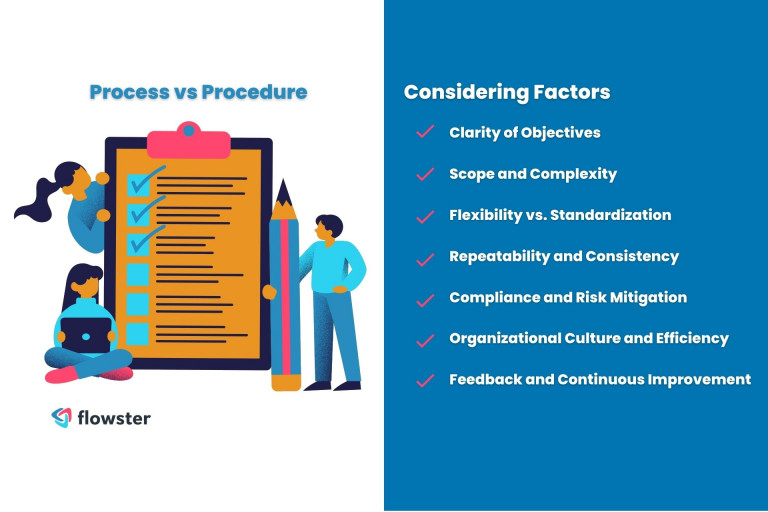
Future Imperatives: Adaptive and Self-Optimizing Procedures
Looking ahead, the ideal state for tech procedures will be adaptive and self-optimizing. Procedures will move beyond static documents to become dynamic entities, integrated deeply into the operational fabric. They will leverage AI and machine learning to learn from execution, automatically adapt to changing conditions, and even suggest improvements. Human oversight will shift towards defining higher-level objectives, validating AI-generated procedural insights, and intervening in truly novel situations. This evolution promises to create highly resilient, efficient, and intelligent technology operations that can not only cope with complexity but thrive in it, making “what is a procedure” a question answered by ever-smarter, more integrated operational intelligence.
In conclusion, procedures are far more than mere checklists in the tech world. They are the foundational logic, the quality assurance mechanism, the risk mitigation strategy, and the scalability engine behind every successful digital product and service. As technology continues its relentless march forward, the art and science of defining, implementing, and optimizing procedures will remain an indispensable skill, ensuring that innovation is not just possible, but also reliable, secure, and sustainable.
aViewFromTheCave is a participant in the Amazon Services LLC Associates Program, an affiliate advertising program designed to provide a means for sites to earn advertising fees by advertising and linking to Amazon.com. Amazon, the Amazon logo, AmazonSupply, and the AmazonSupply logo are trademarks of Amazon.com, Inc. or its affiliates. As an Amazon Associate we earn affiliate commissions from qualifying purchases.