
In an era defined by relentless digital connectivity, smart devices, and artificial intelligence, understanding the intricate workings of the human nervous system has never been more critical. While technology often focuses on external efficiency and information processing, a deeper dive into our internal operating system reveals a profound framework: the Polyvagal Theory. Developed by Dr. Stephen Porges, this groundbreaking theory offers a lens through which we can understand our autonomic responses to safety and threat, social engagement, and emotional regulation. For the technology sector, Polyranet Theory is not merely a biological concept; it’s a foundational insight shaping the next generation of wellness apps, therapeutic devices, human-computer interaction, and even AI-driven empathetic systems. By exploring “what is Polyvagal Theory” through a technological prism, we can unlock innovative ways to design tech that genuinely supports human well-being and resilience in an increasingly complex digital landscape.

The Autonomic Nervous System: A Digital Interpretation
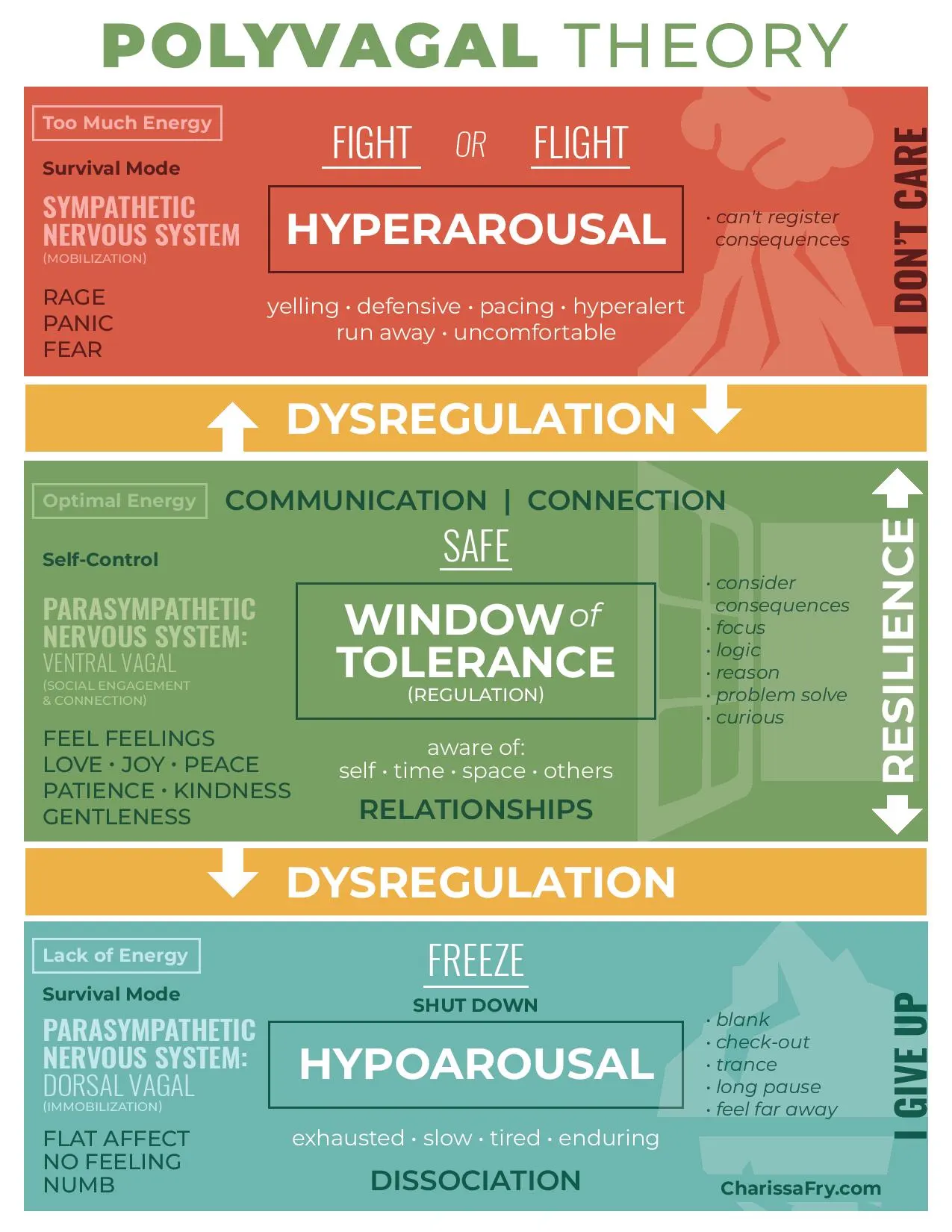
The autonomic nervous system (ANS) is our body’s silent conductor, orchestrating vital functions like heart rate, digestion, and breathing without conscious effort. Polyvagal Theory refines our understanding of the ANS, particularly focusing on the vagus nerve, which acts as a crucial bridge between our brain and many bodily organs. Traditionally, the ANS was divided into sympathetic (fight/flight) and parasympathetic (rest/digest) branches. Polyvagal Theory introduces a more nuanced, hierarchical structure for the parasympathetic system, differentiating between two vagal pathways: the more primitive, unmyelinated dorsal vagal complex (immobilization, shutdown) and the more evolved, myelinated ventral vagal complex (social engagement, safety).
Mapping the Vagal Pathways with Data
Modern technology provides unprecedented opportunities to map and monitor these intricate vagal pathways. Wearable devices, biosensors, and sophisticated physiological monitoring tools are moving beyond simple heart rate tracking. They now capture detailed data on heart rate variability (HRV), skin conductance, respiration patterns, and even vocal intonation – all metrics directly influenced by the activity of the vagus nerve and, therefore, our polyvagal state. Algorithms can analyze these data streams in real-time, offering insights into whether an individual is primarily in a state of ventral vagal safety and connection, sympathetic mobilization, or dorsal vagal shutdown. This data-driven approach allows for a “digital interpretation” of our internal neurophysiological landscape, translating complex biological signals into actionable information.
Sympathetic vs. Parasympathetic: Algorithmic Insights
The ability of technology to distinguish between sympathetic and parasympathetic dominance is revolutionizing personalized health. While a high HRV generally indicates a healthy, flexible nervous system (often associated with ventral vagal activity), sudden drops or prolonged low HRV can signal chronic stress or a shift towards sympathetic activation or even dorsal vagal shutdown. AI and machine learning algorithms are now being trained on vast datasets to identify these patterns with increasing accuracy. They can not only detect shifts but also correlate them with external triggers – perhaps a particularly stressful email notification, a prolonged session of doom-scrolling, or the soothing effect of a well-designed meditation app. This algorithmic insight provides users and developers with a clearer picture of how digital interactions and environments impact our core physiological states, fostering a new era of data-informed self-regulation.
Polyvagal Theory and the Tech Landscape: From Biofeedback to AI
The insights from Polyvagal Theory are no longer confined to the therapist’s office. They are rapidly becoming embedded in the design and functionality of diverse technological solutions, aiming to enhance well-being and resilience in the digital age.
Wearable Technology and Real-time Regulation
The ubiquitousness of smartwatches, fitness trackers, and specialized rings has made physiological monitoring a part of daily life. These devices, increasingly sophisticated, measure metrics like HRV, sleep cycles, and stress levels, all of which are intrinsically linked to vagal tone and autonomic regulation. By providing real-time feedback, wearables empower users to become more aware of their physiological responses. For instance, an alert for sustained low HRV might prompt a user to engage in a mindful breathing exercise facilitated by an accompanying app, thereby actively shifting their polyvagal state towards ventral vagal safety. This immediate, data-driven feedback loop transforms abstract physiological concepts into tangible, actionable insights for self-regulation.
Therapeutic Software and Virtual Reality for Vagal Toning
The application of Polyvagal Theory extends into digital therapeutics, where software and immersive technologies are designed to directly influence autonomic states. Specialized apps offer guided meditations, breathing exercises, and biofeedback games specifically crafted to activate the ventral vagal complex. These tools help users practice self-soothing and co-regulation, skills crucial for navigating stress. Virtual Reality (VR) and Augmented Reality (AR) take this a step further. VR environments can simulate calming natural landscapes, safe social interactions, or even guided exposure therapies, allowing individuals to experience states of safety and connection in a controlled digital space. By mimicking conditions that promote ventral vagal activation, these technologies offer powerful new modalities for vagal toning and nervous system regulation, accessible anytime, anywhere.
AI-Powered Insights into Emotional Regulation
Artificial intelligence is poised to revolutionize how we understand and respond to our polyvagal states. AI algorithms can analyze complex patterns in physiological data (from wearables), vocal tone (from smart assistants or communication apps), and even micro-expressions (from cameras) to infer an individual’s current emotional and physiological state. For example, an AI might detect vocal patterns indicative of sympathetic activation and suggest a calming playlist, a guided breathing exercise, or even connect the user to mental health resources. Furthermore, AI can personalize interventions, learning what types of digital content, social interactions, or mindfulness exercises are most effective for an individual in shifting towards a ventral vagal state. This predictive and personalized approach moves beyond simple monitoring to proactive, intelligent support for emotional and physiological regulation.
Digital Environments and Our Polyvagal State
While technology offers powerful tools for nervous system regulation, it’s also crucial to acknowledge its potential impact on our polyvagal state. The design of digital environments and our interaction with them can either promote safety and connection or trigger defensive responses.
The Double-Edged Sword of Connectivity
The constant influx of notifications, the pressure of social media, and the always-on nature of digital work can be a double-edged sword for our nervous system. While connecting with loved ones digitally can activate the ventral vagal system, continuous exposure to negative news, cyberbullying, or the pressure to perform online can easily trigger sympathetic fight/flight responses or even dorsal vagal shutdown. The perceived threats in the digital world—from security breaches to social judgment—are processed by our nervous system much like physical threats, leading to chronic stress and dysregulation. Understanding this dynamic is paramount for both users and developers to foster healthier digital habits and design.
Designing for Safety: Polyvagal Principles in UI/UX
Recognizing the impact of digital environments on our nervous system has profound implications for User Interface (UI) and User Experience (UX) design. Polyvagal-informed design prioritizes creating digital spaces that evoke a sense of safety, predictability, and gentle engagement rather than alarm or overwhelm. This can manifest in:
-
Visual Aesthetics: Using calming color palettes, harmonious layouts, and less jarring animations.
-
Auditory Cues: Employing soft, melodic notification sounds instead of sudden, startling alerts.
-
Information Presentation: Breaking down complex information into digestible chunks, reducing cognitive load and the feeling of overwhelm.
-
Interactive Elements: Designing responsive, intuitive interfaces that feel predictable and controllable, reducing uncertainty.
-
Social Features: Fostering genuine connection and positive reinforcement, rather than comparison or competition.
By consciously integrating Polyvagal principles, designers can create apps, websites, and software that promote a ventral vagal state, enhancing user well-being and engagement rather than contributing to digital fatigue and stress.
The Future of Polyvagal-Informed Technology
As our understanding of Polyvagal Theory deepens and technological capabilities advance, the synergy between neurophysiology and tech is set to expand exponentially. The future promises increasingly sophisticated and integrated solutions that leverage polyvagal insights for personalized well-being.
Personalized Neurofeedback Systems
Imagine systems that go beyond generic feedback to provide highly personalized neurofeedback, guiding individuals in real-time to optimize their autonomic states. These future systems might integrate advanced brain-computer interfaces (BCIs) with wearable physiological sensors, offering direct, intuitive control over nervous system regulation. Users could receive subtle haptic feedback, visual cues, or auditory prompts directly tailored to their unique physiological responses, helping them consciously shift from a state of stress or shutdown to one of calm engagement. Such systems could be invaluable for managing chronic stress, anxiety disorders, and enhancing peak performance.
Ethical Considerations in Vagal Tech
However, with such powerful technology comes significant ethical responsibility. The ability to monitor, analyze, and even influence an individual’s polyvagal state raises critical questions:
-
Data Privacy: Who owns this highly sensitive physiological data, and how is it protected from misuse or exploitation?
-
Consent and Autonomy: How do we ensure individuals fully understand and consent to the use of technology that can profoundly impact their internal states?
-
Bias and Equity: Are these technologies accessible and beneficial to all, or do they exacerbate existing digital divides or introduce new forms of algorithmic bias?
-
Manipulation and Control: Could such technology be used to manipulate emotional states for commercial or even malicious purposes?
Addressing these ethical considerations from the outset is crucial for the responsible and beneficial development of polyvagal-informed technology. Responsible innovation requires a commitment to transparency, user empowerment, and robust safeguards to ensure these powerful tools serve humanity’s best interests.

Conclusion
Understanding “what is Polyvagal Theory” is not just an academic exercise; it’s a critical step towards building a more humane and supportive technological future. By recognizing the profound impact of our digital environments on our deepest physiological states, we can move beyond simply creating efficient tools to designing technology that genuinely fosters safety, connection, and resilience. From wearable devices offering real-time self-regulation to AI-powered therapeutic interventions and user interfaces crafted for calm, Polyvagal Theory provides a scientific roadmap. As technology continues its inexorable march forward, integrating these neurophysiological insights will be paramount for ensuring that innovation truly serves human well-being, helping us navigate the digital age with greater wisdom, balance, and a profound sense of intrinsic safety.
aViewFromTheCave is a participant in the Amazon Services LLC Associates Program, an affiliate advertising program designed to provide a means for sites to earn advertising fees by advertising and linking to Amazon.com. Amazon, the Amazon logo, AmazonSupply, and the AmazonSupply logo are trademarks of Amazon.com, Inc. or its affiliates. As an Amazon Associate we earn affiliate commissions from qualifying purchases.