
In an era increasingly defined by rapid technological advancements, certain foundational innovations stand out for their transformative impact across diverse fields. Among these, the Polymerase Chain Reaction (PCR) technique reigns supreme, a molecular biological technology that has revolutionized everything from medical diagnostics and forensic science to environmental monitoring and agricultural research. Far more than just a laboratory procedure, PCR is a sophisticated amplification technology, a cornerstone of modern molecular biology that enables scientists and clinicians to detect and analyze genetic material with unprecedented sensitivity and specificity.
At its heart, PCR is an in vitro method that allows for the exponential amplification of specific DNA sequences. Imagine needing to find a single grain of sand on an entire beach; PCR provides the technological means to not only find that grain but to rapidly replicate it into millions or billions of identical copies, making it easily detectable and analyzable. This capability has profound implications, empowering us to identify pathogens like viruses and bacteria even when present in minute quantities, diagnose genetic predispositions, map evolutionary relationships, and even solve crimes. Understanding “what is PCR testing” is therefore to grasp a pivotal technological innovation that underpins much of our current understanding and interaction with the biological world.
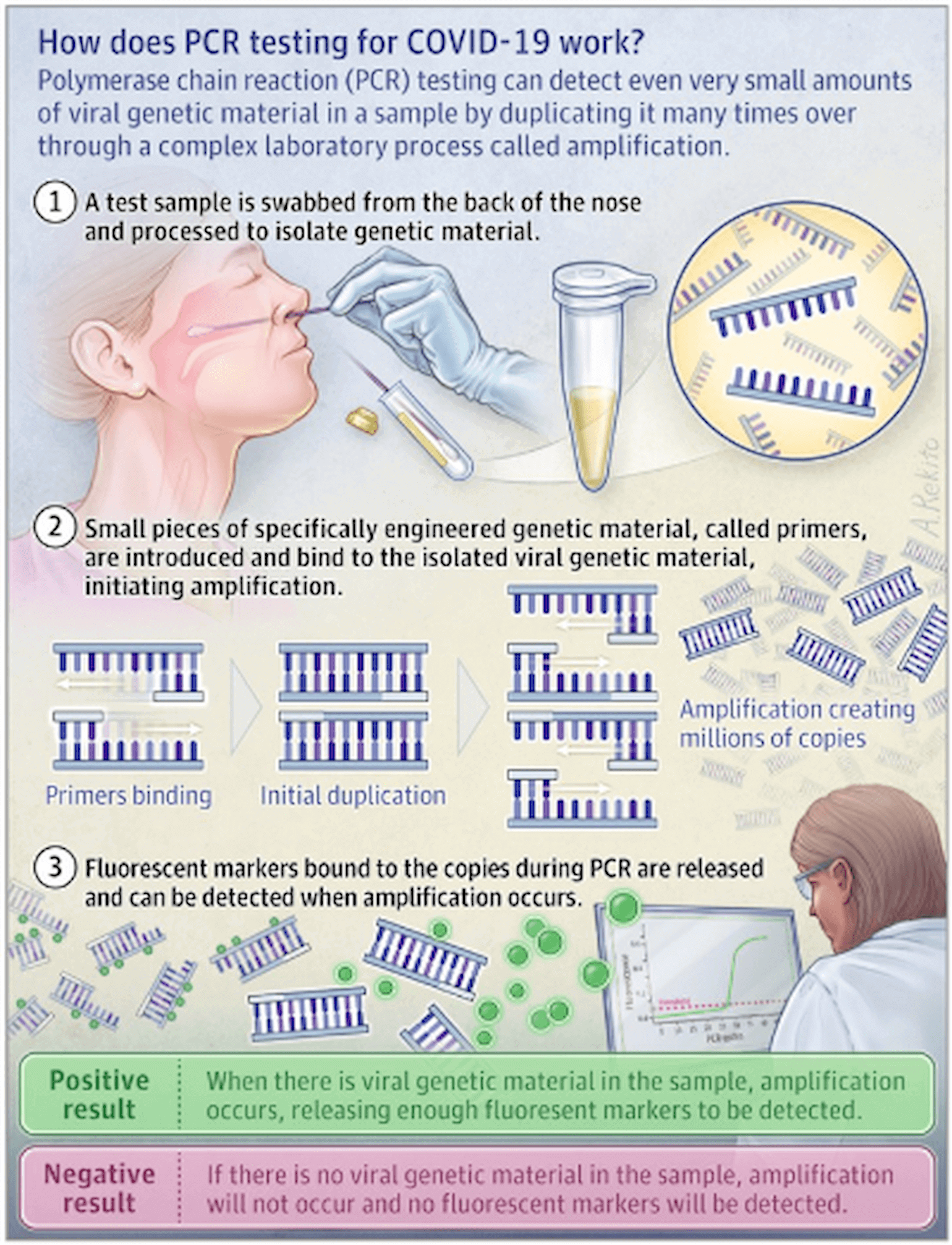
The Core Technology: How PCR Works
To appreciate the power and elegance of PCR, it’s essential to delve into its fundamental mechanism, a cyclical process engineered to mimic natural DNA replication but under tightly controlled laboratory conditions. The beauty of PCR lies in its simplicity and the intelligent application of enzymatic processes.
Understanding the Molecular Mechanism
The PCR process relies on a handful of key molecular components that act in concert within a precise thermal environment. The primary template is a DNA molecule (or RNA, after conversion to DNA), which contains the target sequence to be amplified. For PCR to work, we need:
-
Target DNA: The specific segment of DNA that we wish to copy. This could be a gene from a virus, a human gene, or a segment unique to a specific organism.
-
Primers: Short, synthetic DNA strands (oligonucleotides) designed to be complementary to the regions flanking the target DNA sequence. These primers define the beginning and end of the DNA segment that will be amplified. Their precise design is critical for the specificity of the reaction, ensuring only the desired sequence is copied.
-
DNA Polymerase: An enzyme responsible for synthesizing new DNA strands. The most commonly used polymerase in PCR is Taq polymerase, derived from the thermophilic bacterium Thermus aquaticus. This enzyme is crucial because it can withstand the high temperatures required during the PCR cycling process without denaturing.
-
Deoxynucleotide Triphosphates (dNTPs): The building blocks of DNA – adenine (A), guanine (G), cytosine (C), and thymine (T). These are incorporated by the DNA polymerase to synthesize new DNA strands.
-
Buffer Solution: A carefully balanced chemical environment that provides the optimal conditions (pH, salt concentration) for the DNA polymerase to function efficiently.
The Three Key Steps of Each Cycle
The entire PCR process takes place within a specialized instrument called a thermal cycler, which precisely controls the temperature changes required for each step. Each “cycle” typically involves three distinct temperature-dependent stages:
-
Denaturation (High Temperature ~95°C): The reaction mixture is heated to a high temperature, typically around 95°C. This extreme heat causes the double-stranded target DNA to separate, or “denature,” into two single strands. This step is akin to unzipping the DNA helix, making the template accessible for replication.
-
Annealing (Lower Temperature ~50-65°C): The temperature is then lowered (usually to between 50-65°C, depending on the primers). At this temperature, the short, synthetic DNA primers can bind, or “anneal,” to their complementary sequences on the now single-stranded target DNA. It’s vital that the annealing temperature is optimized to ensure specific binding of the primers, preventing them from binding non-specifically elsewhere on the DNA.
-
Extension (Optimal Temperature for Polymerase ~72°C): Finally, the temperature is raised again to an optimal level for the Taq DNA polymerase (typically around 72°C). The polymerase then binds to the primers and begins to synthesize new complementary DNA strands, extending from the primers by adding dNTPs in the 5′ to 3′ direction, effectively creating two new double-stranded DNA molecules from each original template strand.
Amplification: Exponential Growth of DNA
These three steps constitute one PCR cycle. Crucially, the products of one cycle serve as the templates for the next. After the first cycle, the amount of target DNA is doubled. After the second cycle, it’s quadrupled, and so on. This creates an exponential amplification:
-
Cycle 1: 1 original DNA molecule → 2 copies
-
Cycle 2: 2 copies → 4 copies
-
Cycle 3: 4 copies → 8 copies
-
…
-
Cycle N: 2^N copies
Typically, a PCR reaction runs for 25-40 cycles. After 30 cycles, for example, a single DNA molecule can be amplified into over a billion copies (2^30 ≈ 1.07 billion). This astonishing amplification power is what makes PCR an invaluable technology for detecting even minute traces of genetic material. The sheer volume of identical copies generated makes the target DNA easily detectable using various analytical methods, often simple gel electrophoresis, but increasingly sophisticated digital and real-time detection systems.
Types and Technological Advancements in PCR
Since its invention in 1983 by Kary Mullis, PCR technology has not remained static. Continuous innovation has led to the development of several sophisticated variants, each designed to address specific analytical needs or overcome limitations of previous versions, thereby expanding its technological reach and utility.
Standard PCR (Endpoint PCR)
The original and most basic form, often referred to as endpoint PCR, yields a final product (amplicons) that is typically visualized after the reaction is complete. After the cycling is finished, the amplified DNA fragments are separated by size using agarose gel electrophoresis, and then stained to make them visible under UV light. The presence of a band of the expected size indicates the successful amplification of the target sequence. This method is qualitative or semi-quantitative, meaning it can confirm the presence or absence of a specific DNA sequence, and roughly estimate its relative abundance.
Real-Time PCR (qPCR)
Real-time PCR, or quantitative PCR (qPCR), represents a significant technological leap. Unlike standard PCR, qPCR monitors the amplification of DNA during the reaction in real-time. This is achieved through the use of fluorescent dyes or probes that emit a signal as the DNA accumulates. As more DNA is produced, the fluorescence signal increases. A specialized thermal cycler equipped with a fluorimeter detects this signal at each cycle.
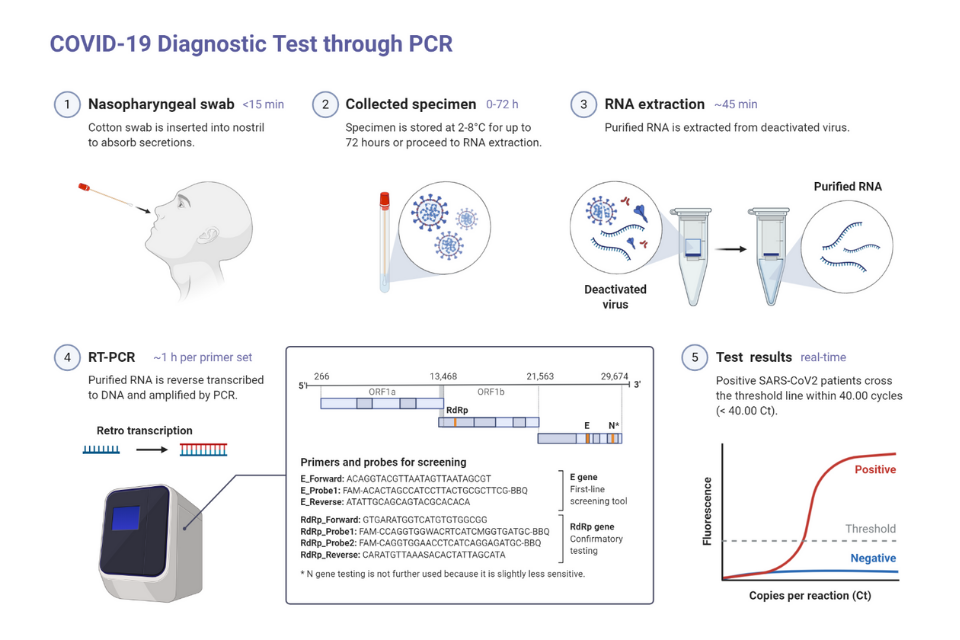
The primary advantage of qPCR is its ability to quantify the initial amount of target DNA present in the sample. By establishing a threshold cycle (Ct value) – the cycle number at which the fluorescence crosses a certain baseline – scientists can accurately determine the starting concentration of the template DNA. A lower Ct value indicates a higher initial amount of target DNA. This quantitative capability makes qPCR indispensable for viral load testing (e.g., HIV, HBV), gene expression analysis, and precise pathogen detection (e.g., COVID-19 testing).
Reverse Transcription PCR (RT-PCR/RT-qPCR)
Many important biological targets, particularly certain viruses like influenza, HIV, and coronaviruses (including SARS-CoV-2), have RNA genomes rather than DNA. Additionally, gene expression studies often focus on messenger RNA (mRNA) levels. Since PCR works directly with DNA, a preliminary step is required for RNA targets. Reverse Transcription PCR (RT-PCR) incorporates an enzyme called reverse transcriptase, which first converts the RNA template into a complementary DNA (cDNA) strand. Once cDNA is synthesized, the regular PCR process takes over to amplify the desired sequence.
When combined with real-time detection, it becomes RT-qPCR, offering both the detection and quantification of RNA targets. This makes RT-qPCR the gold standard for diagnosing RNA viruses and for quantifying gene expression levels, providing crucial insights into cellular processes and disease states.
Digital PCR (dPCR)
Digital PCR (dPCR) is an even more advanced iteration, pushing the boundaries of quantification. Instead of performing one bulk reaction, dPCR partitions the sample into tens of thousands of individual, nanoliter-volume reactions. This is typically achieved using microfluidic chips or water-in-oil emulsions that create discrete droplets. Each partition either contains zero or one (or a few) target molecules.
After amplification, each partition is analyzed for the presence or absence of fluorescence. By counting the number of positive (fluorescent) partitions and applying Poisson statistics, dPCR provides an absolute quantification of target molecules without needing a standard curve. This makes dPCR incredibly precise, highly sensitive for detecting rare targets, and robust against inhibitors. Its applications include liquid biopsies for cancer detection, non-invasive prenatal testing, and the precise measurement of gene editing efficiency.
The Technological Applications of PCR Testing
The robust and versatile nature of PCR technology has allowed it to permeate and revolutionize numerous scientific and practical domains. Its ability to amplify minute amounts of genetic material has opened doors to diagnostic capabilities and research avenues previously unimaginable.
Medical Diagnostics
The most widely recognized application of PCR is in medical diagnostics, where its speed, sensitivity, and specificity are invaluable.
-
Infectious Diseases: PCR is the gold standard for detecting a vast array of pathogens, including bacteria, viruses, fungi, and parasites. Its prominence soared during the COVID-19 pandemic, where RT-qPCR tests became the primary method for diagnosing SARS-CoV-2 infections. Beyond COVID-19, it’s routinely used for diagnosing HIV, hepatitis viruses, influenza, tuberculosis, chlamydia, gonorrhea, and many other infections, often detecting pathogens long before symptoms appear or when traditional culture methods are too slow or insensitive.
-
Genetic Disorders: PCR-based tests can identify specific mutations or deletions in an individual’s DNA that are associated with inherited diseases such as cystic fibrosis, Huntington’s disease, muscular dystrophy, and sickle cell anemia. This allows for early diagnosis, genetic counseling, and even prenatal screening.
-
Cancer Detection and Monitoring: PCR can detect specific oncogenes or tumor suppressor gene mutations, aid in early cancer detection (e.g., through liquid biopsies), and monitor treatment efficacy by tracking residual tumor DNA.
-
Pharmacogenomics: Identifying genetic variations that influence an individual’s response to certain drugs, enabling personalized medicine approaches.

Forensic Science
In forensic science, PCR is an indispensable tool, leveraging the uniqueness of an individual’s DNA profile.
-
DNA Fingerprinting: From a minuscule sample of blood, saliva, hair, or skin cells found at a crime scene, PCR can amplify specific polymorphic regions of DNA (short tandem repeats, STRs). These amplified fragments create a unique DNA profile, which can then be compared to profiles of suspects or stored in databases (like CODIS in the US) to identify perpetrators or victims.
-
Paternity Testing: By comparing specific genetic markers amplified via PCR from a child and potential father, paternity can be established with high certainty.
-
Human Remains Identification: In cases of mass disasters or decomposed remains, PCR can amplify DNA from bone or tissue to identify individuals.
Research and Development
PCR technology is the bedrock of countless research endeavors across biology, medicine, and biotechnology.
-
Gene Cloning: Researchers use PCR to amplify specific genes from an organism’s genome, which can then be inserted into vectors for cloning, expression, and functional studies.
-
Gene Expression Studies: RT-qPCR is crucial for quantifying mRNA levels, providing insights into which genes are active under specific conditions, a fundamental aspect of understanding cellular function and disease mechanisms.
-
Pathogen Identification and Characterization: PCR aids in identifying new pathogens, tracking their evolution, and understanding their virulence factors.
-
Mutagenesis: Specific changes can be introduced into DNA sequences using modified PCR techniques, allowing scientists to study gene function.
Agriculture and Food Safety
Beyond human health, PCR plays a vital role in ensuring food safety and improving agricultural practices.
-
GMO Detection: PCR can detect specific genetic modifications in crops or food products, verifying labeling and ensuring compliance with regulations.
-
Pathogen Detection in Food: Rapidly identifying foodborne pathogens like Salmonella, E. coli, or Listeria in food products or environmental samples, preventing outbreaks and protecting public health.
-
Plant and Animal Breeding: Identifying desirable traits or genetic markers in crops and livestock to aid in breeding programs.
The Technological Infrastructure and Equipment
The efficiency and broad application of PCR are heavily reliant on specialized technological infrastructure and equipment that facilitate the precise molecular reactions. These tools transform a complex biochemical process into a reproducible and often automated laboratory routine.
Thermal Cyclers
The thermal cycler, sometimes called a PCR machine or thermocycler, is the central piece of hardware. This highly sophisticated instrument is designed to rapidly and accurately change the temperature of the reaction mixture through the denaturation, annealing, and extension steps for tens of cycles. Modern thermal cyclers offer precise temperature control, fast ramping rates (how quickly they can change temperature), and often feature multiple blocks to run numerous reactions simultaneously. Advanced models integrate real-time fluorescence detection for qPCR. The engineering behind these instruments, particularly in maintaining temperature uniformity across samples, is critical for consistent results.
Reagents and Consumables
While often overlooked as “equipment,” the specialized reagents and consumables are fundamental to PCR technology.
-
DNA Polymerases: The evolution from basic Taq polymerase to more robust, high-fidelity, or processive enzymes (e.g., Pfu polymerase, hot-start polymerases) represents significant biotechnological advancements. These engineered enzymes overcome challenges like primer-dimer formation, enhance accuracy, or work with difficult templates.
-
Primers and Probes: The design and synthesis of custom oligonucleotides are crucial. Bioinformatic tools are heavily utilized to design primers that are specific, avoid secondary structures, and have appropriate melting temperatures. Fluorescent probes (e.g., TaqMan probes, SYBR Green) are integral for real-time PCR, providing the detection mechanism.
-
Reaction Tubes/Plates: These plastic consumables (0.2 mL tubes, 96-well, 384-well plates) are engineered from specific plastics to ensure thermal conductivity and chemical inertness, minimizing sample loss or inhibition.
-
Buffers and dNTPs: Optimized buffer formulations and high-purity dNTPs are essential for optimal enzyme activity and reaction efficiency.
Data Analysis Software
For advanced PCR techniques like qPCR and dPCR, sophisticated data analysis software is indispensable. These programs interpret the fluorescent signals generated during real-time reactions, calculate Ct values, quantify target DNA/RNA, perform statistical analyses, and generate graphical representations of the data. They often integrate with laboratory information management systems (LIMS) for seamless data tracking and reporting, transforming raw fluorescence data into meaningful biological insights.
Automation and Miniaturization
The drive for higher throughput, reduced human error, and lower costs has led to significant automation and miniaturization in PCR technology.
-
Robotic Liquid Handling Systems: Automated platforms can set up hundreds or thousands of PCR reactions, precisely dispensing reagents and samples, dramatically increasing throughput for applications like high-volume diagnostic testing or screening.
-
Microfluidics and Lab-on-a-Chip Devices: These technologies allow for the integration of multiple laboratory functions (sample preparation, PCR, detection) onto a single, small chip. This miniaturization reduces reagent consumption, speeds up reaction times, and paves the way for portable, point-of-care PCR devices, bringing advanced diagnostics out of centralized laboratories and closer to patients. Examples include cartridge-based systems for rapid infectious disease testing.
Challenges and Future Trends in PCR Technology
Despite its immense success and widespread adoption, PCR technology continues to evolve, facing ongoing challenges and promising future developments that further solidify its place as a critical component of the technological landscape.
Sensitivity, Specificity, and Contamination Risks
While highly sensitive, PCR’s very power makes it susceptible to contamination. The amplification of even a single stray DNA molecule from a previous reaction, a laboratory worker, or the environment can lead to false positives. Stringent laboratory practices, dedicated workspaces, and specialized reagents (e.g., uracil-DNA glycosylase for carryover prevention) are essential to mitigate this. Achieving absolute specificity, especially in complex samples with similar genetic sequences, remains a technical challenge that drives the development of new primer/probe designs and reaction chemistries. PCR inhibitors present in certain biological samples (e.g., blood, soil) can also reduce reaction efficiency, requiring careful sample preparation.
Cost and Accessibility
The cost of PCR equipment, specialized reagents, and the technical expertise required can limit its accessibility, particularly in resource-limited settings. While the price of some components has decreased over time, the upfront investment for a fully equipped molecular diagnostic lab remains substantial. Future trends aim to develop more affordable, robust, and user-friendly PCR platforms, including truly portable, battery-powered devices that can operate outside traditional laboratory environments, enhancing global diagnostic capabilities.
Integration with AI and Machine Learning
The vast amounts of data generated by advanced PCR systems, particularly in high-throughput and multiplexed applications, are ripe for integration with artificial intelligence (AI) and machine learning (ML). AI algorithms can be trained to rapidly analyze complex fluorescent curves, identify subtle patterns indicative of specific genetic variations, improve diagnostic accuracy, reduce human error in interpretation, and even optimize primer design. ML can also be used to predict PCR outcomes based on reaction parameters, leading to more efficient assay development. This integration promises to unlock deeper insights from PCR data and automate complex analytical tasks.
The Promise of Next-Generation PCR Technologies
The future of PCR is marked by ongoing innovation, pushing the boundaries of speed, multiplexing, and direct sample analysis.
-
Multiplex PCR: The ability to amplify multiple target sequences in a single reaction using different sets of primers, saving time and sample. While already in use, advancements are continually improving its efficiency and breadth.
-
Isothermal Amplification Methods: While not strictly PCR (as they don’t use thermal cycling), techniques like Loop-mediated Isothermal Amplification (LAMP) offer PCR-like amplification capabilities without the need for a thermal cycler, making them suitable for point-of-care and field diagnostics, especially when integrated into microfluidic systems.
-
Ultra-Fast PCR: Miniaturization and advanced heating/cooling elements are enabling PCR reactions to be completed in minutes rather than hours, critical for rapid diagnostic needs in emergency settings.
-
Direct-to-Test PCR: Reducing or eliminating laborious nucleic acid extraction steps, allowing for direct PCR from raw samples (e.g., saliva), further simplifying workflows and accelerating results.
-
CRISPR-integrated Diagnostics (CRISPR-Dx): Emerging technologies combine the specificity of CRISPR-Cas systems with isothermal amplification and lateral flow readouts for highly sensitive, rapid, and low-cost detection of nucleic acids, potentially democratizing molecular diagnostics.
In conclusion, PCR testing is far more than a laboratory technique; it is a foundational biotechnology that has profoundly reshaped our capacity to interact with and understand genetic information. From its elegant molecular mechanism to its diverse applications in medicine, forensics, and research, PCR exemplifies technological ingenuity. As it continues to evolve with the integration of AI, automation, and novel chemistries, PCR will undoubtedly remain at the forefront of molecular diagnostics and biotechnology, enabling unprecedented insights and driving future innovations across the scientific and medical landscapes.
aViewFromTheCave is a participant in the Amazon Services LLC Associates Program, an affiliate advertising program designed to provide a means for sites to earn advertising fees by advertising and linking to Amazon.com. Amazon, the Amazon logo, AmazonSupply, and the AmazonSupply logo are trademarks of Amazon.com, Inc. or its affiliates. As an Amazon Associate we earn affiliate commissions from qualifying purchases.