
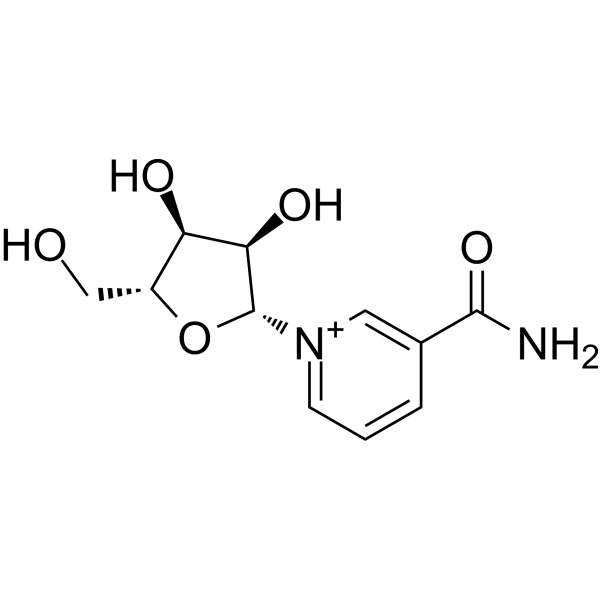
Nicotinamide Riboside (NR) has emerged from the fringes of nutritional science to become a focal point in biotechnology and longevity research. Often lauded for its role as a precursor to Nicotinamide Adenine Dinucleotide (NAD+), a coenzyme critical for numerous cellular processes, NR is not merely a supplement but a compound whose study and application are deeply intertwined with cutting-edge technological advancements. From its intricate chemical synthesis to its integration into personalized health tech and advanced diagnostic tools, understanding NR necessitates an exploration through a technological lens. This article unpacks Nicotinamide Riboside, examining its foundational science through the technologies that enable its discovery, production, analysis, and future applications.

The Technological Unveiling: Discovery and Synthetic Engineering of NR
The journey of Nicotinamide Riboside from a chemical curiosity to a biotechnological cornerstone is a testament to persistent scientific inquiry, heavily aided by evolving laboratory technologies. Its true significance began to be elucidated with the advent of sophisticated analytical tools and a deeper understanding of metabolic pathways, propelling it into the spotlight for its potential impact on cellular health and longevity.
Early Nutritional Science and NAD+ Pathway Mapping
The story of NR is intrinsically linked to the discovery of niacin (vitamin B3) and the understanding of its role in preventing diseases like pellagra. Early 20th-century nutritional science, relying on rudimentary biochemical assays and animal models, painstakingly mapped the metabolic pathways that convert dietary precursors into essential coenzymes. It was during this period that NAD+ was identified as a critical molecule involved in energy metabolism, DNA repair, and cellular signaling. The recognition of NAD+’s omnipresent role set the stage for later research into compounds that could modulate its levels. Scientists utilized early spectrophotometric techniques and chromatographic separations, primitive by today’s standards, to isolate and identify various B-vitamin derivatives. The initial identification of nicotinamide riboside as a distinct form of vitamin B3, albeit one less understood than nicotinamide or nicotinic acid, required meticulous biochemical analysis and synthesis experiments conducted under increasingly controlled laboratory conditions. The ability to precisely measure molecular absorption and separation laid the groundwork for future, more complex explorations.
Modern Enzymatic and Chemical Synthesis Techniques
The widespread availability and study of NR today are largely thanks to advancements in chemical and enzymatic synthesis technologies. Manufacturing NR at scale, with high purity and specific enantiomeric forms, demands sophisticated biotechnological processes. Chemical synthesis involves multi-step reactions, often requiring specialized catalysts, precise temperature and pressure controls, and intricate purification methodologies. Techniques such as high-performance liquid chromatography (HPLC) and mass spectrometry (MS) are indispensable for monitoring reaction progress, isolating intermediates, and ensuring the final product’s purity and structural integrity. These advanced analytical instruments are not just quality control tools; they are integral to the synthetic process itself, guiding chemists in optimizing yields and reducing byproducts.
Beyond traditional chemical routes, enzymatic synthesis offers a more “green” and often more efficient alternative. Here, specific enzymes (biocatalysts) are engineered or selected to catalyze specific steps in the synthesis process. For instance, nucleoside phosphorylases or kinases can be employed to construct the riboside linkage or phosphorylate the molecule. This approach often operates under milder conditions, reduces waste, and can achieve higher specificity, leading to purer products. The development of recombinant DNA technology has been crucial here, allowing for the overexpression and purification of these specialized enzymes in bioreactors. Large-scale bioreactors, equipped with advanced monitoring systems for pH, temperature, and nutrient levels, are central to the industrial production of enzymatically synthesized NR, representing a significant technological leap from early lab-bench reactions.
NR in Cellular Engineering and Longevity Tech
The true potential of Nicotinamide Riboside lies in its profound impact at the cellular level, particularly its role in modulating NAD+ levels, which in turn influences a vast array of biological processes associated with aging and metabolic health. This cellular interplay makes NR a prime candidate for integration into advanced cellular engineering strategies and the burgeoning field of longevity technology.
Fueling the Cellular Machinery: NAD+ Precursor Role
At the heart of NR’s appeal is its efficient conversion into NAD+, a molecule often referred to as the “currency” of cellular energy. NAD+ is a fundamental coenzyme in redox reactions, acting as an electron acceptor in glycolysis and the citric acid cycle, thereby facilitating ATP production. It also plays crucial roles as a substrate for NAD-dependent enzymes like sirtuins (SIRT1-7), PARPs (poly-ADP-ribose polymerases), and CD38/CD157 glycohydrolases. These enzymes are key regulators of DNA repair, gene expression, inflammatory responses, and mitochondrial biogenesis – all processes central to cellular health and longevity.
The technological significance here lies in our ability to measure and manipulate these intricate cellular pathways. Advanced metabolomics platforms, combining techniques like NMR (Nuclear Magnetic Resonance) spectroscopy and high-resolution mass spectrometry, allow scientists to comprehensively profile NAD+ and its metabolome within living cells and tissues. This data provides invaluable insights into how NR supplementation specifically impacts cellular NAD+ pools, how it influences the activity of NAD-dependent enzymes, and ultimately, how it affects cellular health metrics such as mitochondrial function, DNA integrity, and stress resistance. Furthermore, gene-editing technologies like CRISPR have enabled researchers to create cellular models where specific NAD+-related enzymes can be upregulated or downregulated, providing precise tools to study the consequences of altered NAD+ metabolism and the efficacy of NR interventions.
Bio-Hacking and Personalized Health Tech Integration
Nicotinamide Riboside has found a prominent place within the “bio-hacking” community and the broader personalized health technology landscape. Bio-hacking, an approach to optimizing human performance and well-being through scientific experimentation, leverages a range of technological tools to monitor and intervene in biological processes. For those interested in optimizing cellular energy and potentially slowing aspects of aging, NR has become a staple.

This trend is heavily supported by the proliferation of wearable tech and at-home diagnostic kits. Smartwatches, continuous glucose monitors (CGMs), and advanced biometric trackers provide real-time data on sleep patterns, heart rate variability, activity levels, and metabolic responses – all metrics that can be indirectly influenced by cellular energy status and NAD+ levels. While direct NAD+ measurement in real-time is still in its infancy for consumer tech, the convergence of NR supplementation with these monitoring technologies allows individuals to conduct personalized experiments, correlating their NR intake with observed changes in their physiological data. Moreover, companies are developing sophisticated algorithms and AI-driven platforms that integrate genetic data, lifestyle information, and biomarker readings to offer personalized recommendations, including those pertaining to supplements like NR. This era of personalized health tech transforms NR from a generic supplement into a component of a data-driven, individualized wellness strategy, emphasizing the technological interface between biochemistry and personal health optimization.
Analytical Technologies for NR Research and Quality Control
The scientific validation and commercial viability of Nicotinamide Riboside hinge critically on robust analytical technologies. These tools are indispensable for both fundamental research—unraveling NR’s mechanisms and effects—and for ensuring the purity, potency, and safety of NR products available to consumers. The rigor of these analytical methods elevates NR from a speculative compound to a verifiable biotechnological agent.
Advanced Spectrometry for Purity and Potency
Ensuring the purity and precise concentration (potency) of Nicotinamide Riboside is paramount, particularly in a market where quality can vary. Advanced spectroscopic techniques are at the forefront of this analytical rigor.
-
High-Performance Liquid Chromatography (HPLC) with UV Detection: This is a standard in the industry for separating and quantifying NR from other compounds in a mixture. NR absorbs UV light at a specific wavelength, allowing for its detection and quantification. HPLC systems are highly automated, capable of processing numerous samples with high precision, making them essential for both research and industrial quality control.
-
Mass Spectrometry (MS): Often coupled with HPLC (LC-MS), mass spectrometry provides definitive structural identification and quantification. LC-MS can identify NR based on its molecular mass and fragmentation patterns, even in complex biological matrices or raw materials. This is crucial for detecting subtle impurities, confirming the chemical structure, and verifying the absence of contaminants that might co-elute with NR in other methods.
-
Nuclear Magnetic Resonance (NMR) Spectroscopy: NMR offers unparalleled detail about the molecular structure of NR. By analyzing the magnetic properties of atomic nuclei (e.g., hydrogen, carbon), NMR can confirm the exact chemical bonds and spatial arrangement of atoms within the NR molecule. This technique is invaluable during the initial synthesis phases to confirm new compounds and in later stages to unequivocally verify the identity and purity of the final product, serving as a gold standard for structural elucidation.
These sophisticated instruments provide the technological backbone for certifying the quality of NR, building consumer trust, and advancing scientific understanding.
Monitoring Cellular Metabolism with AI-Powered Diagnostics
Beyond simply measuring NR in a supplement, understanding its impact requires monitoring its metabolic fate and effects within biological systems. This is where cutting-edge diagnostics, increasingly enhanced by Artificial Intelligence (AI), come into play.
-
Targeted Metabolomics and Proteomics: To assess how NR affects cellular metabolism, researchers employ targeted metabolomics panels using LC-MS/MS (tandem mass spectrometry) to quantify changes in NAD+, its precursors, and its downstream metabolites, as well as energy-related compounds like ATP. Similarly, proteomics approaches (e.g., quantitative proteomics) are used to measure the levels and activity of proteins involved in NAD+ synthesis and utilization, such as sirtuins and PARPs. These high-throughput technologies generate vast datasets that paint a comprehensive picture of cellular responses to NR.
-
Biosensors and Microfluidic Devices: The future of real-time cellular monitoring involves miniaturized biosensors and microfluidic “lab-on-a-chip” devices. These technologies can detect subtle changes in NAD+ levels, enzyme activity, or cellular redox state within live cell cultures or even potentially in bodily fluids. For instance, fluorescent biosensors genetically encoded in cells can emit light when NAD+ levels change, allowing for dynamic, non-invasive observation.
-
AI and Machine Learning for Data Interpretation: The sheer volume and complexity of data generated by these advanced diagnostic platforms would be unmanageable without AI and machine learning. AI algorithms are trained to identify patterns in metabolomic, proteomic, and phenotypic data, correlating specific NR dosages with cellular responses or even predicting long-term outcomes. Machine learning can parse through genomic data to identify individuals who might respond best to NR supplementation based on their unique genetic makeup, leading to truly personalized treatment strategies. These AI-powered diagnostics transform raw biochemical data into actionable insights, accelerating research and optimizing therapeutic strategies involving NR.
Future Tech Frontiers: NR in Digital Health and Personalized Medicine
The trajectory of Nicotinamide Riboside points towards an increasingly integrated role within the broader landscape of digital health and personalized medicine. As our technological capabilities expand, NR stands to be a prime candidate for applications that leverage advanced analytics, bespoke interventions, and predictive health models.
Wearable Tech and Biometric Data Integration
The synergy between NR supplementation and wearable technology represents a compelling future frontier. Current wearable devices collect a wealth of biometric data, including heart rate variability (HRV), sleep quality, activity levels, skin temperature, and even basic metabolic markers. In the coming years, these devices are expected to become far more sophisticated, potentially integrating non-invasive sensors for a wider range of biomarkers, possibly even proxies for cellular energy status or inflammatory markers that are directly influenced by NAD+ levels.
Imagine a future where a wearable device tracks your circadian rhythm disruptions, fluctuating energy levels, or early indicators of metabolic stress. An AI-powered app, analyzing this continuous stream of biometric data alongside your lifestyle inputs and even genetic predispositions, could then suggest an optimized NR supplementation schedule, potentially adjusting dosage based on real-time physiological needs. The technology would move beyond simple data logging to provide predictive insights and proactive interventions, tailoring NR intake not just to a generic recommendation but to your unique, dynamic biological state. This integration means NR becomes part of an adaptive, closed-loop health system, where personal data informs precise supplementation strategies, creating a highly personalized approach to wellness.
Pharmaceutical R&D and Targeted Delivery Systems
While currently available as a dietary supplement, the profound biological effects of Nicotinamide Riboside have garnered significant attention from pharmaceutical research and development. The goal is to move beyond general supplementation towards targeted, precise therapeutic applications, particularly for age-related conditions or metabolic disorders where NAD+ depletion is a contributing factor.
This shift will necessitate advanced drug delivery systems. For instance, nanotechnology is being explored to encapsulate NR or its derivatives within nanoparticles, allowing for controlled release, improved bioavailability, and targeted delivery to specific tissues or cellular compartments. Such systems could bypass degradation in the digestive tract, enhance cellular uptake, and deliver higher concentrations directly where they are needed, minimizing systemic side effects. Moreover, pharmaceutical R&D will increasingly leverage computational biology and AI to identify specific patient populations most likely to benefit from NR therapy. This includes using machine learning to analyze vast genomic and clinical datasets to pinpoint genetic markers or metabolic signatures that predict responsiveness to NR. Furthermore, robotic high-throughput screening technologies are accelerating the discovery of novel NR analogs or synergistic compounds that could enhance its efficacy or stability. This technologically driven approach promises to transform NR from a general health supplement into a powerful, precisely administered therapeutic agent, opening new avenues for disease prevention and treatment in personalized medicine.
Conclusion
Nicotinamide Riboside stands as a compelling example of how scientific discovery is inextricably linked with technological advancement. From the advanced analytical instruments that first elucidated its structure and function to the sophisticated biotechnological processes that enable its synthesis, NR’s journey is a testament to human ingenuity in optimizing biological systems. As we move further into an era of personalized medicine and digital health, the integration of NR with wearable technologies, AI-powered diagnostics, and cutting-edge drug delivery systems promises to unlock its full potential. By continuously pushing the boundaries of technology, we are gaining unprecedented insights into NR’s capacity to fuel cellular machinery, combat age-related decline, and contribute to a future where health optimization is increasingly precise, proactive, and personalized. The story of Nicotinamide Riboside is not just a chapter in biochemistry; it is a vibrant narrative within the ever-evolving landscape of biotechnology.
aViewFromTheCave is a participant in the Amazon Services LLC Associates Program, an affiliate advertising program designed to provide a means for sites to earn advertising fees by advertising and linking to Amazon.com. Amazon, the Amazon logo, AmazonSupply, and the AmazonSupply logo are trademarks of Amazon.com, Inc. or its affiliates. As an Amazon Associate we earn affiliate commissions from qualifying purchases.