
In the dynamic landscape of healthcare careers, understanding foundational roles is crucial for anyone considering a path into the medical field or simply seeking to comprehend the various professions that constitute our vital healthcare system. One such foundational role, frequently encountered yet sometimes misunderstood, is that of the LPN. So, what exactly does LPN stand for? At its core, LPN is an acronym for Licensed Practical Nurse. This designation represents a vital and deeply respected profession, central to patient care across a myriad of settings. However, beyond merely defining the acronym, truly understanding the LPN role means delving into its financial implications, career trajectory, educational investment, and the economic security it offers—all facets critical for anyone evaluating a career choice through the lens of personal finance and long-term monetary well-being.

This article will meticulously explore the LPN profession, focusing specifically on the financial and economic dimensions that define it, offering insights for prospective students, current LPNs, or anyone interested in the robust career opportunities within the healthcare sector.
The LPN Acronym Unpacked: A Gateway to a Practical and Profitable Career
The Licensed Practical Nurse is an indispensable member of the healthcare team, performing essential duties under the supervision of registered nurses (RNs) or physicians. The “Licensed” aspect is critical, signifying that individuals holding this title have met specific educational requirements and passed a national licensure examination, ensuring a standardized level of competency and professionalism. From a financial perspective, this licensure not only validates their skills but also provides a recognized credential that translates directly into employment opportunities and earning potential.
Defining the Licensed Practical Nurse Role Through a Financial Lens
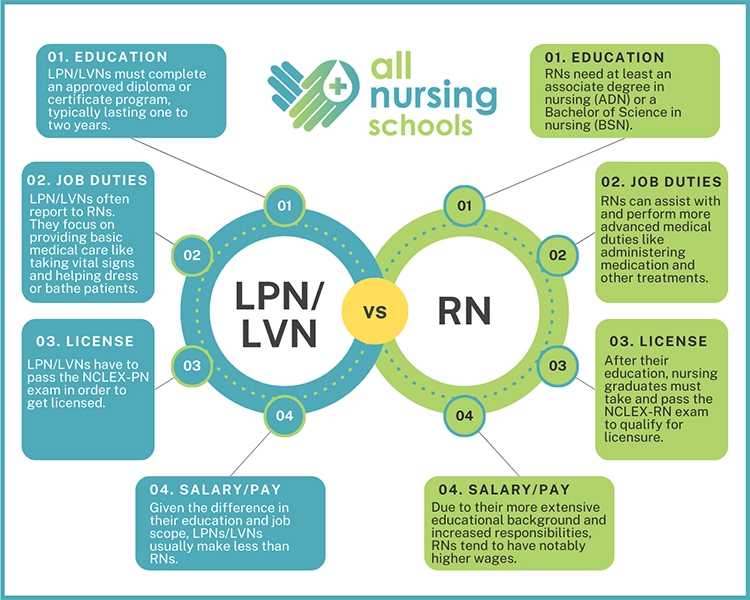
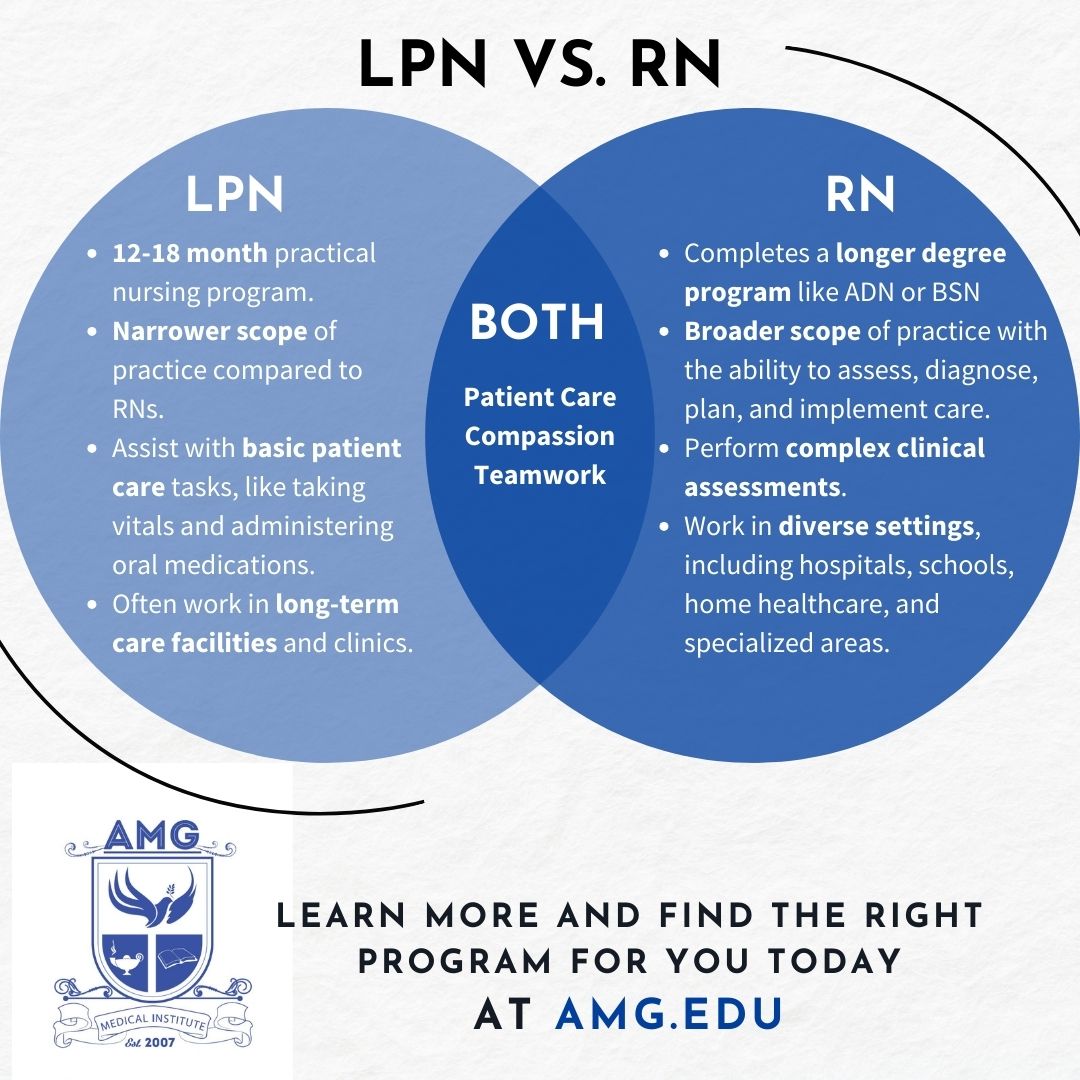
While the clinical duties of an LPN are diverse—including administering medication, monitoring vital signs, wound care, and communicating with patients and families—from a financial standpoint, the LPN role offers a relatively quick entry point into a stable and growing industry. Unlike the more extensive and costly education required for a Registered Nurse, LPN programs are typically shorter, often lasting 12-18 months. This accelerated pathway significantly reduces the upfront educational investment (time and money) and allows individuals to begin earning a professional income much sooner. This reduced “time to money” is a significant financial advantage, particularly for those eager to enter the workforce quickly or manage existing financial commitments.
The Growing Demand for LPNs: A Secure Investment in Your Future
The healthcare sector is an ever-expanding field, driven by an aging population, increasing chronic disease prevalence, and advancements in medical technology. Within this growth, the demand for LPNs remains consistently strong. The U.S. Bureau of Labor Statistics projects a steady growth in LPN employment, indicating robust job security and ample opportunities for new graduates and experienced professionals alike.
From an economic perspective, this sustained demand translates into several key benefits:
-
Job Security: A high demand for skilled professionals means less worry about unemployment, providing a stable income stream.
-
Negotiating Power: In a competitive hiring market, LPNs may find themselves in a better position to negotiate salaries, benefits, and work schedules.
-
Diverse Work Settings: LPNs can find employment in hospitals, long-term care facilities, home healthcare, physician’s offices, and even schools. This diversity offers flexibility in choosing environments that align with personal preferences and potentially higher-paying niches.
Investing in an LPN education, therefore, often represents a secure investment in one’s future earning capacity, offering a relatively low-risk entry into a high-demand professional field.
The Financial Landscape of an LPN Career
Understanding the LPN role goes hand-in-hand with grasping its economic realities. For many, the decision to pursue a career is heavily influenced by potential earnings, the cost of education, and long-term financial growth. The LPN profession offers a compelling financial narrative, especially when compared to other vocational paths.
LPN Salary Expectations: What You Can Earn
The salary for an LPN can vary significantly based on several factors, including geographical location, years of experience, work setting, and specific responsibilities.
-
Entry-Level Salaries: New LPN graduates can expect to start at a competitive hourly wage, which can provide a solid foundation for financial independence.
-
Experienced LPNs: With a few years of experience, LPNs typically see a notable increase in their earning potential. Specializing in certain areas (e.g., geriatrics, wound care) or taking on leadership roles can further boost income.
-
Regional Variations: Urban areas or regions with a higher cost of living often offer higher LPN salaries to compensate, though this must be weighed against living expenses.
-
Work Setting Impact: LPNs working in hospitals or specialized clinics might earn differently than those in long-term care facilities or home health. For instance, LPNs in certain industrial or correctional settings may command higher wages due to specialized skills or environmental demands.
While LPN salaries might be lower than those of Registered Nurses, the quicker entry into the workforce means LPNs begin accumulating income and experience much sooner, potentially offsetting some of the initial salary differences over time.
Education Costs and Return on Investment (ROI)
One of the most attractive financial aspects of becoming an LPN is the relatively low cost and short duration of the educational programs.
-
Program Duration & Cost: LPN programs, often offered at community colleges or vocational schools, can range from $5,000 to $25,000 in tuition, depending on the institution and state. This is significantly less than a two-year Associate’s Degree in Nursing (ADN) or a four-year Bachelor of Science in Nursing (BSN), which can run from $20,000 to over $100,000.
-
Financial Aid & Scholarships: Numerous grants, scholarships, and federal financial aid options are available to help offset educational costs, making LPN programs highly accessible.
-
High ROI: Given the moderate investment in education and the robust demand for LPNs, the return on investment (ROI) for an LPN credential is often quite favorable. Graduates can typically recoup their educational expenses within a few years of working, establishing a strong financial footing early in their careers. This quick ROI is a critical factor for individuals who prioritize financial efficiency in their career planning.
Career Progression and Earning Potential
The LPN role is not a static endpoint but can be a stepping stone to further career advancement and increased earning potential. Many LPNs choose to pursue further education to become Registered Nurses (RNs) through “bridge programs” (LPN-to-RN). This upward mobility demonstrates a clear path to increased income, expanded responsibilities, and greater autonomy within the nursing field. Each step up the career ladder directly correlates with enhanced financial rewards, making the LPN path a strategic starting point for long-term financial growth in healthcare.
Budgeting and Financial Planning for LPNs
Securing a stable income as an LPN is just the beginning; effective financial management is key to leveraging this stability into long-term wealth and security. LPNs, like all professionals, benefit immensely from strategic budgeting and proactive financial planning.
Managing Student Debt and Living Expenses
For new LPN graduates, managing student loan debt (if any) and establishing a solid budget are paramount.
-
Debt Repayment Strategies: Explore options like income-driven repayment plans or aggressive repayment strategies depending on your financial situation. The goal is to minimize interest paid over time.
-
Budgeting Basics: Create a realistic budget that accounts for essential living expenses (housing, food, transportation), debt payments, and discretionary spending. Tools and apps can simplify this process.
-
Emergency Fund: Prioritize building an emergency fund (3-6 months of living expenses) to provide a financial cushion against unexpected events, a crucial step for financial peace of mind.
Starting strong with financial discipline can set the stage for a lifetime of monetary success.
Retirement and Savings Strategies
Even early in an LPN career, thinking about retirement and long-term savings is vital.
-
Employer-Sponsored Plans: Many healthcare employers offer 401(k) or 403(b) plans, often with matching contributions. Contributing enough to get the full employer match is essentially “free money” and a non-negotiable step for long-term financial growth.
-
Individual Retirement Accounts (IRAs): Consider opening a Roth IRA or Traditional IRA to supplement employer plans. These offer tax advantages that can significantly boost your savings over time.
-
Health Savings Accounts (HSAs): If enrolled in a high-deductible health plan, an HSA offers a triple tax advantage (tax-deductible contributions, tax-free growth, tax-free withdrawals for qualified medical expenses) and can double as an additional retirement savings vehicle.
Navigating Benefits and Compensation Packages
Beyond the base salary, an LPN’s total compensation package can significantly impact their financial well-being.
-
Health Insurance: Understand the health, dental, and vision insurance options provided by your employer. A robust health plan can save thousands in out-of-pocket medical expenses.
-
Paid Time Off (PTO): Accrued vacation, sick leave, and holidays have a monetary value. Factor these into your overall compensation.
-
Additional Perks: Some employers offer sign-on bonuses, relocation assistance, tuition reimbursement for continuing education (especially for LPN-to-RN bridge programs), and discounted services. These benefits directly reduce personal expenses or increase your net financial gain. Negotiating for these elements can substantially improve your overall financial position.
Investing in Your LPN Future: Further Education and Specialization
The LPN role provides a stable and respectable income, but for those with ambition and a desire for increased financial rewards, continuous professional development and strategic specialization offer clear pathways to higher earning potential. Viewing education as an ongoing investment is a cornerstone of financial growth in any professional field, and nursing is no exception.
Bridging to an RN: The Financial Case for Advancement
Perhaps the most common and financially impactful career progression for an LPN is to become a Registered Nurse (RN).
-
Increased Salary Potential: RNs generally earn significantly more than LPNs due to expanded scope of practice, greater responsibility, and often, higher educational attainment (Associate’s Degree in Nursing or Bachelor of Science in Nursing). The financial bump can be substantial, making the investment in an LPN-to-RN bridge program highly attractive.
-
Career Opportunities: Becoming an RN opens doors to a wider array of specialized roles, leadership positions, and diverse work environments that may not be available to LPNs, further enhancing long-term earning capacity.
-
Tuition Reimbursement: Many healthcare employers offer tuition reimbursement programs as an incentive for LPNs to pursue RN licensure, making the financial burden of further education more manageable. This effectively reduces the cost of investment while increasing future returns.
For an LPN considering their financial future, the LPN-to-RN path often represents a calculated and worthwhile investment.
Specialization and Certifications: Enhancing Marketability and Pay
Even without immediately pursuing an RN license, LPNs can increase their marketability and earning potential through specialization and additional certifications.
-
Specialized Areas: LPNs can specialize in areas such as geriatrics, wound care, IV therapy, or long-term care. These specializations make an LPN more valuable in particular niches, often translating into higher wages or more desirable shifts.
-
Certifications: Obtaining certifications demonstrates expertise and commitment to a specific area of practice. For example, IV certification allows LPNs to perform intravenous therapy, a skill that often commands a higher pay rate.
-
Continuous Learning: Engaging in continuing education units (CEUs) not only maintains licensure but also keeps skills sharp and knowledge current, making an LPN a more competitive candidate for positions that offer better financial remuneration.
Entrepreneurial Avenues for LPNs: Direct Money-Making Opportunities
While often seen as a traditional employee role, the LPN designation can also open doors to entrepreneurial endeavors, offering direct routes to increased income and financial autonomy.
-
Home Care Agencies: Experienced LPNs can establish or work as independent contractors for home care agencies, providing services to clients in their homes. This often allows for more flexible scheduling and potentially higher hourly rates.
-
Private Duty Nursing: Some LPNs choose to work as private duty nurses for individuals requiring dedicated care, allowing them to set their own rates and manage their client base.
-
Healthcare Consulting/Education: With sufficient experience, LPNs can leverage their practical knowledge to offer consulting services to new healthcare businesses or provide educational training for aspiring healthcare professionals, creating diversified income streams.
Exploring these entrepreneurial pathways requires business acumen alongside clinical skills, but they represent significant opportunities for LPNs to take greater control over their financial destiny.
Conclusion: The Enduring Financial Value of an LPN Career
“What’s LPN stand for?” is a simple question with a profoundly impactful answer, especially when viewed through a financial lens. It stands for Licensed Practical Nurse, but more importantly, it represents a career path characterized by accessibility, stability, and significant growth potential within the resilient healthcare industry. From a relatively low barrier to entry in terms of educational investment to consistent job demand, competitive salaries, and clear pathways for advancement and specialization, the LPN role offers a compelling financial proposition.
For individuals seeking a career that provides a secure income, opportunities for financial growth, and the ability to make a meaningful contribution, the LPN profession is an excellent choice. By understanding the financial landscape, engaging in diligent planning, and embracing opportunities for continuous learning and advancement, LPNs can build a robust and rewarding financial future, making “Licensed Practical Nurse” a title synonymous with both dedicated care and sound economic sense.
aViewFromTheCave is a participant in the Amazon Services LLC Associates Program, an affiliate advertising program designed to provide a means for sites to earn advertising fees by advertising and linking to Amazon.com. Amazon, the Amazon logo, AmazonSupply, and the AmazonSupply logo are trademarks of Amazon.com, Inc. or its affiliates. As an Amazon Associate we earn affiliate commissions from qualifying purchases.