
In the ever-evolving landscape of personal finance, individuals are constantly seeking innovative and accessible avenues to supplement their income, bolster savings, or accelerate debt repayment. While traditional side hustles like freelancing, ride-sharing, or selling goods online often come to mind, a less conventional yet highly effective method gaining traction is plasma donation. Far more than just an altruistic act, donating plasma has emerged as a significant source of income for many, offering a unique blend of civic contribution and financial reward. This guide delves into the multifaceted aspects of plasma donation, framing it not just as a medical procedure, but as a strategic financial tool within your personal finance arsenal. We will explore the financial incentives, critical requirements, the donation process, and most importantly, how to integrate this activity seamlessly into your broader money management strategy.
The Financial Lure of Plasma Donation: Why It’s a Viable Side Hustle
The decision to donate plasma is often driven by a dual motivation: the desire to contribute to vital medical treatments and the compelling opportunity to earn supplemental income. Understanding the economic mechanics behind plasma donation is crucial for anyone considering this path.
Understanding the Demand and Compensation Structure
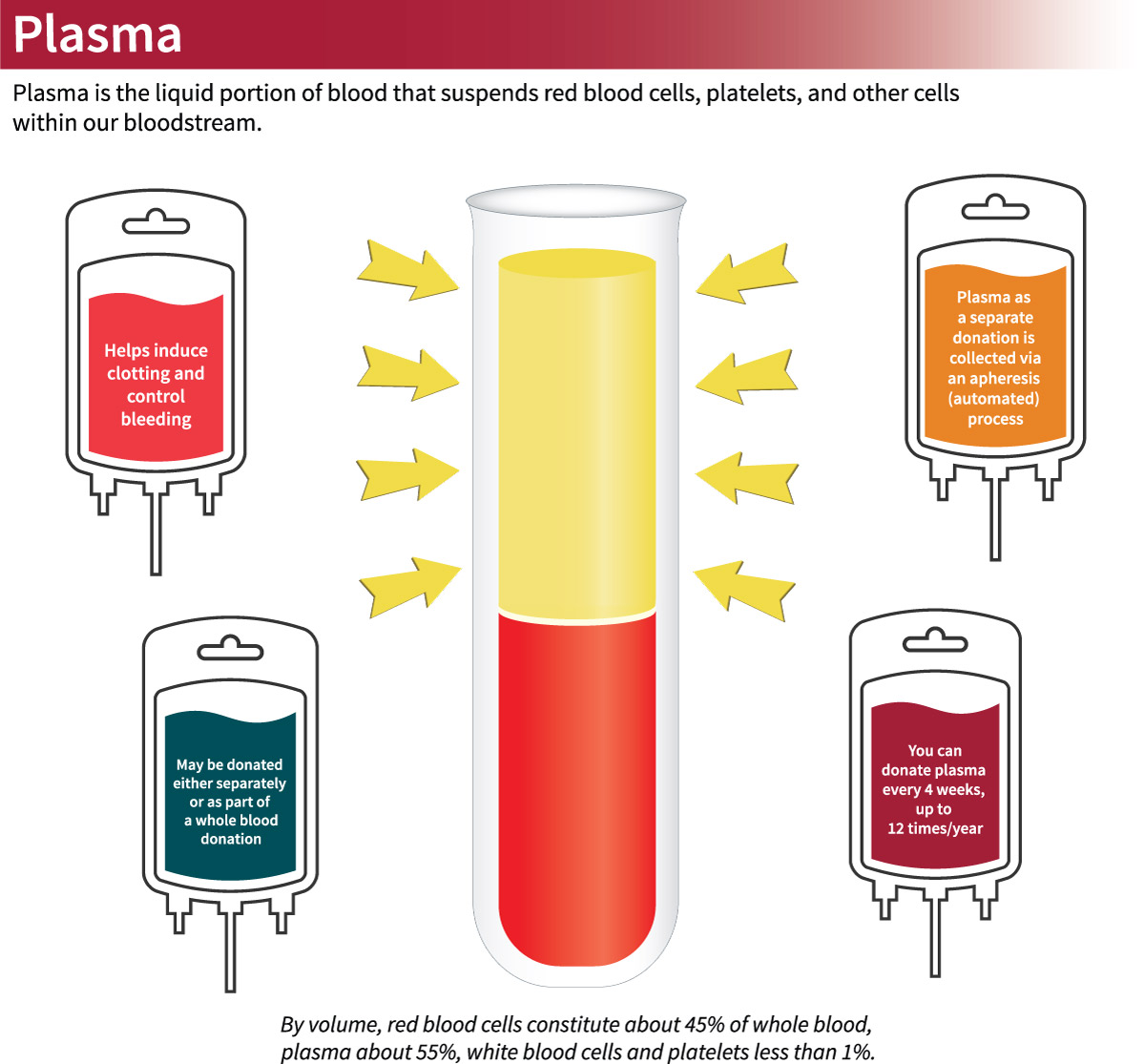
Plasma, the liquid component of blood, is indispensable for manufacturing life-saving therapeutics used to treat a wide range of rare chronic diseases, immune deficiencies, and bleeding disorders. The constant, high demand for plasma ensures that donation centers are continuously seeking eligible donors and are prepared to compensate them for their time and effort. Compensation structures vary by center and region, but typically involve payment per donation, often ranging from $30 to $70 per session. New donors frequently qualify for significant bonus payments for their first few donations, sometimes totaling several hundred dollars over the initial weeks. This structured payout provides a predictable, albeit irregular, income stream that can be budgeted for.
Comparing Plasma Donation to Other Income-Generating Activities
When weighed against other popular side hustles, plasma donation offers distinct advantages and disadvantages. Unlike gig economy jobs that often require specific skills, significant upfront investment (e.g., car maintenance for ride-sharing), or unpredictable demand, plasma donation has a lower barrier to entry for eligible individuals. The primary “investment” is time. While the hourly rate might seem modest compared to highly specialized freelance work, the consistency of demand and the relatively low cognitive load during the donation process make it an appealing option. It doesn’t typically interfere with a full-time job’s schedule, as many centers have extended hours, and the passive nature of the procedure allows for reading, studying, or entertainment during the session. For those with limited flexible skills or significant time constraints, plasma donation presents a straightforward way to earn extra cash without developing new expertise or managing clients.
The Ethical and Altruistic Dimensions
While financial gain is a significant driver, it’s imperative to acknowledge the profound humanitarian impact of plasma donation. Every donation contributes directly to saving and improving lives. Many donors find a deep sense of satisfaction in this aspect, transforming the act from a mere transaction into a meaningful contribution to public health. This dual benefit—personal financial gain coupled with societal good—can enhance job satisfaction for those who choose plasma donation as part of their income strategy, making it a more fulfilling endeavor than some purely transactional side hustles.
Essential Requirements for Prospective Donors
Before you can consider the financial benefits, it’s critical to understand the stringent requirements for plasma donation. These are in place to ensure both donor safety and the quality of the donated plasma, which is used in critical medical applications.
Eligibility Criteria: Health, Age, and Weight
The foundational “what you need” to donate plasma begins with meeting strict eligibility guidelines. Donors must generally be at least 18 years old (some centers may have an upper age limit, though this is less common) and weigh at least 110 pounds (approximately 50 kg). Good general health is paramount. This includes not having a fever, no active infections, and no recent tattoos or piercings (typically a waiting period of 4 months to a year). Certain medical conditions, such as HIV, hepatitis, certain heart conditions, or a history of specific cancers, are permanent disqualifiers. Many medications also temporarily or permanently prevent donation, so a comprehensive medical history review is always part of the screening process. Regular iron levels and blood pressure within a healthy range are also consistently monitored. Adhering to these health standards is not just about being accepted; it’s about ensuring your own well-being during and after donation.
Documentation and Verification: What to Bring
Upon your first visit, you’ll need to provide several pieces of identification and documentation. Typically, this includes a valid photo ID (such as a driver’s license or state ID), proof of social security number (Social Security card), and proof of current address (like a utility bill or bank statement, usually within the last 30-60 days). These documents are essential for verifying your identity, age, and residency, which are crucial for regulatory compliance and payment processing. Without the correct and current documentation, you will not be able to proceed with the donation, so it’s vital to prepare these in advance.
Lifestyle Considerations for Consistent Donation
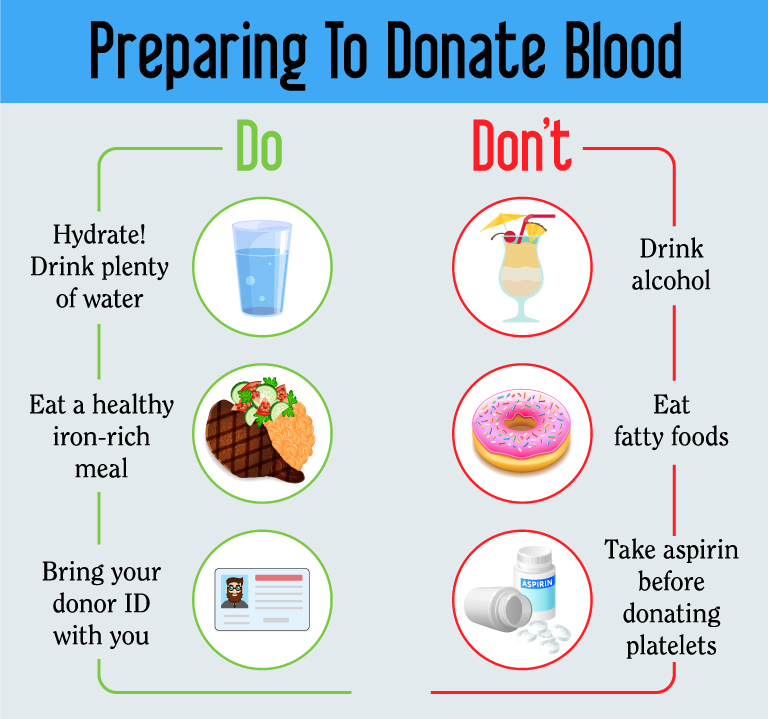
Maintaining eligibility for consistent plasma donation requires specific lifestyle choices. Hydration is key; drinking plenty of water before and after donation helps maintain blood volume and makes the process smoother. A healthy, balanced diet is also recommended, particularly avoiding fatty foods before donation, which can make your plasma “lipemic” (cloudy) and unsuitable for use. Abstaining from alcohol for at least 24 hours prior to donation is also crucial. Adequate sleep ensures your body is rested and prepared for the process. While plasma donation can be done twice within a seven-day period, with at least 48 hours between donations, consistently meeting these lifestyle recommendations will ensure you remain eligible and minimize deferrals, thereby maximizing your potential earnings.
Navigating the Donation Process: From Registration to Payout
Understanding the step-by-step process of plasma donation can demystify the experience and help prospective donors feel more prepared and comfortable, ultimately contributing to a successful and remunerative visit.
The Initial Screening and Medical Evaluation
Your first visit will be the longest, involving a thorough medical screening. After presenting your documentation, you’ll complete detailed questionnaires about your health history, travel, and lifestyle. A staff member will then conduct a physical examination, which includes checking your blood pressure, pulse, temperature, and weight. A small blood sample will be taken from your finger to test your hematocrit (red blood cell count) and protein levels. This comprehensive screening is performed at every visit, though subsequent visits involve a more abbreviated version, primarily focusing on vitals and the finger-prick test. Passing this screening is the final gateway to the donation chair.
The Apheresis Procedure: What to Expect
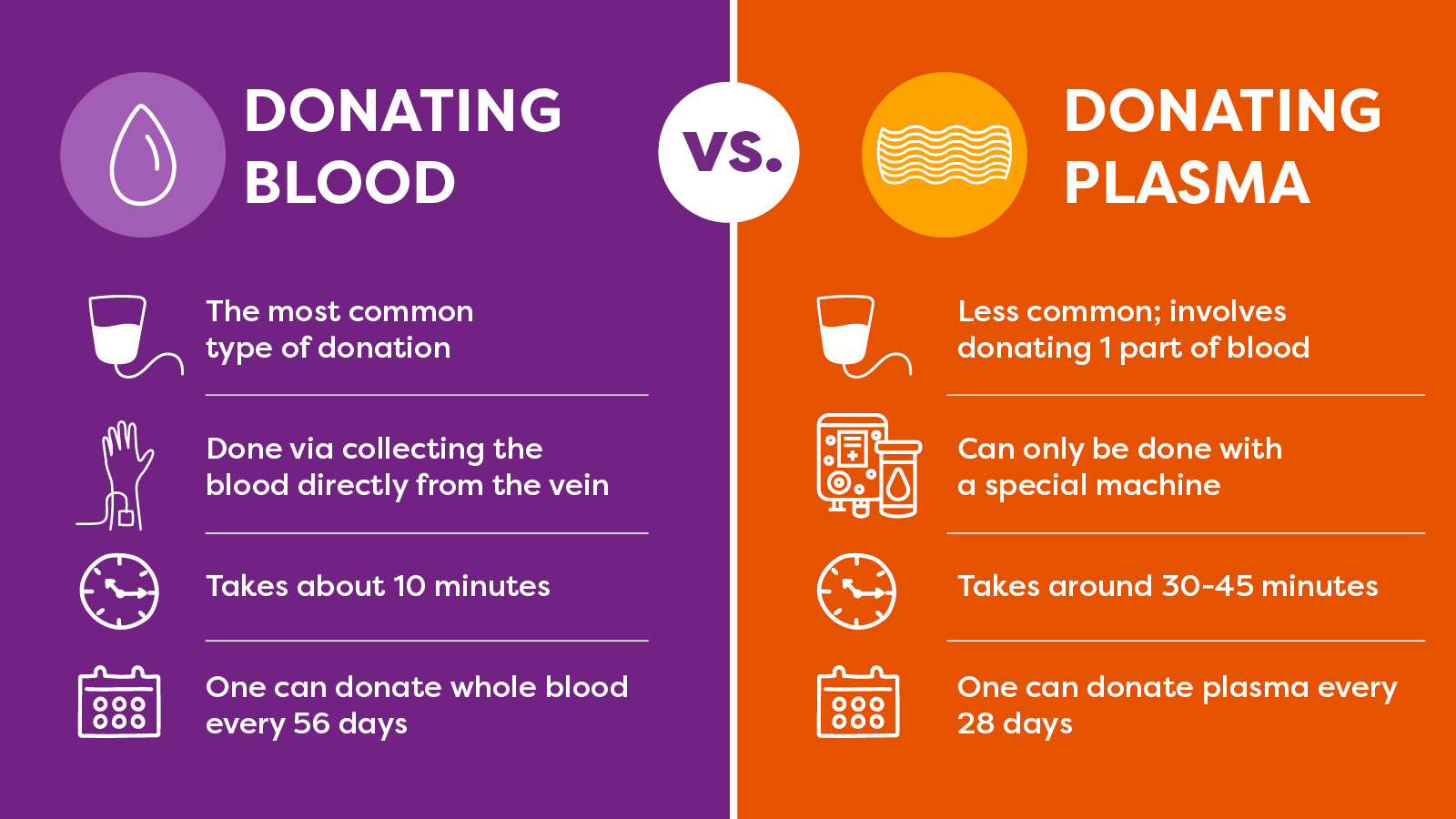
Once cleared, you’ll be escorted to a donation chair. A trained phlebotomist will insert a needle, typically into a vein in your arm, to begin the apheresis process. This specialized procedure separates your plasma from your other blood components. Blood is drawn from one arm, passed through an apheresis machine that centrifuges and collects the plasma, and then the remaining red blood cells, platelets, and white blood cells are returned to your other arm, or sometimes the same arm through the same needle. This cycle repeats several times over approximately 45 minutes to an hour and a half. While the initial needle stick might cause slight discomfort, the process itself is generally painless. Staying still, hydrating, and relaxing can make the experience smoother. Staff are always on hand to address any concerns or discomfort.
Understanding Payment Methods and Frequency
Upon successful completion of your donation, payment is typically processed immediately. Most plasma centers use a reloadable debit card system. Funds are loaded onto this card directly after your donation, usually within minutes. This means you have immediate access to your earnings, which can be withdrawn from ATMs, used for purchases, or even transferred to your bank account (though fees may apply). The frequency of payment is tied directly to your donation frequency—donating twice a week means you could receive two payments weekly. Understanding this immediate access to funds is crucial for budgeting and cash flow management, especially for those relying on plasma income for short-term needs.
Maximizing Your Plasma Donation Earnings
While the base payment per donation is a given, there are strategic ways to enhance your overall earnings from plasma donation, treating it as a calculated financial endeavor rather than just a casual activity.
Strategies for Finding the Best-Paying Centers
Not all plasma centers offer the same compensation. It pays to research and compare. New donor bonuses can vary significantly, so seeking out centers with the most generous introductory offers can maximize your initial income. Some centers may also offer higher payments during peak times, holidays, or for specific blood types in high demand. Websites and forums dedicated to plasma donation often share insights into current promotions and payout structures across different companies and locations. Remember to factor in travel time and costs when comparing centers, as a slightly lower payout at a more convenient location might still be more financially beneficial overall.
Leveraging Loyalty Programs and Bonuses
Many plasma donation centers incentivize regular donations through loyalty programs and recurring bonuses. These might include escalating payment tiers for consistent weekly donations, monthly bonuses, or referral programs where you earn extra cash for bringing in new eligible donors. Keeping track of these promotions and structuring your donations to meet their requirements can significantly increase your annual earnings. Subscribing to email newsletters or following the social media pages of your preferred donation centers can keep you informed about current opportunities to boost your income.
Tips for a Smooth Donation Experience to Ensure Regularity
To maximize earnings, consistency is key, which means avoiding deferrals. Prioritize your health by staying well-hydrated, eating a protein-rich, low-fat meal before your appointment, and getting adequate rest. Arrive on time to avoid delays and potential rescheduling. Following the phlebotomist’s instructions carefully and communicating any discomfort immediately can prevent complications that might lead to temporary deferrals. A smooth, comfortable experience encourages regular donation, ensuring a steady stream of supplemental income. Think of it as investing in your “earning potential” as a donor.
Integrating Plasma Donation into Your Personal Finance Strategy
For those serious about leveraging plasma donation as a financial tool, it’s not enough to simply earn the money; it’s about strategically incorporating that income into your broader financial plan.
Budgeting for Irregular Income Streams
Plasma donation income is typically irregular, depending on your donation frequency and the center’s payment schedule. Treating it as a variable income stream requires careful budgeting. Consider setting up a separate “side hustle” bank account where plasma earnings are deposited. This allows you to track these funds distinctly from your primary income. Create a budget that allocates these funds to specific goals, rather than allowing them to be absorbed into daily spending. Whether it’s for an emergency fund, a specific savings goal, or debt repayment, having a clear purpose for this income prevents it from being unknowingly dissipated.
Saving, Investing, or Debt Reduction: Allocating Your Earnings
Once budgeted, decide on the most impactful allocation for your plasma earnings. For many, building or topping up an emergency fund is a wise first step, providing a crucial financial safety net. Others might target high-interest debt, using the consistent plasma income to accelerate payments and save significantly on interest over time. If your emergency fund is robust and high-interest debt is managed, consider directing these funds towards investments. Even small, consistent contributions to an investment account (e.g., a low-cost index fund or an IRA) can compound over time, turning a side hustle into a significant long-term asset. The key is intentionality: make every dollar earned from plasma donation work towards your financial goals.
Tax Implications and Record-Keeping
It’s crucial to remember that income from plasma donation is generally taxable. While centers may not always issue a 1099-MISC or 1099-NEC unless you earn above a certain threshold (e.g., $600 in a calendar year from a single payer), it is still considered taxable income by the IRS and must be reported. Maintaining meticulous records of all your donations and the payments received is therefore essential. Keep track of the dates, amounts, and the center’s name. This proactive record-keeping will simplify tax season and ensure compliance, avoiding potential financial penalties down the line. Treat your plasma donation income with the same financial diligence you would any other earnings.
In conclusion, donating plasma is a unique and increasingly popular method to earn supplemental income. It demands a commitment to health, adherence to strict requirements, and an understanding of the donation process. However, for those who meet the criteria, it offers a tangible financial reward coupled with a profound sense of purpose. By approaching plasma donation with a strategic mindset—researching centers, leveraging bonuses, maintaining consistency, and integrating the income wisely into your personal finance plan—you can transform this valuable contribution to medical science into a powerful tool for achieving your financial aspirations.
aViewFromTheCave is a participant in the Amazon Services LLC Associates Program, an affiliate advertising program designed to provide a means for sites to earn advertising fees by advertising and linking to Amazon.com. Amazon, the Amazon logo, AmazonSupply, and the AmazonSupply logo are trademarks of Amazon.com, Inc. or its affiliates. As an Amazon Associate we earn affiliate commissions from qualifying purchases.