
The seemingly straightforward question, “What year was Draymond Green drafted?”, transcends a simple request for a date; it serves as a profound entry point into understanding the intricate world of personal branding in professional sports. For an athlete of Draymond Green’s stature, his draft year is not merely a historical marker but the foundational moment from which a complex, influential, and often polarizing brand began to coalesce. It represents the inaugural step on a journey where talent, personality, performance, and strategic self-presentation converge to forge an enduring public identity. In an era where athletes are increasingly recognized as powerful brands in their own right, examining the significance of a draft year – using Green as a compelling archetype – offers invaluable insights into the strategic architecture of personal branding within the high-stakes arena of professional sports. This article will delve into how such a pivotal moment shapes an athlete’s brand narrative, evolution, and ultimate legacy, emphasizing that the “year” itself is less important than the branding implications it sets into motion.

The Draft as a Brand Launchpad: Beyond Athletic Prowess
For any aspiring professional athlete, the draft is the culmination of years of dedication and a gateway to a new level of visibility. But beyond the athletic evaluation, it is fundamentally a branding event. Teams are not just selecting players; they are investing in potential brand ambassadors whose future identity will, to varying degrees, reflect upon their organization.
Scouting and Narrative Crafting: Pre-Draft Brand Building
Long before an athlete hears their name called, their brand narrative is already being shaped. Scouts, analysts, and media outlets meticulously dissect every aspect of a player’s game, personality, and background. This pre-draft period is crucial for establishing initial brand perceptions. For a player like Draymond Green, known for his unique skill set, intensity, and leadership qualities, this phase was particularly impactful. He wasn’t necessarily a top-tier prospect in terms of raw athleticism or traditional scoring metrics, but his distinct “glue-guy” mentality, defensive prowess, and high basketball IQ were consistently highlighted. These early narratives, often focusing on his grit and versatility, formed the rudimentary outline of what would become his distinctive personal brand. He was framed as a winner, a competitor who could elevate those around him, despite not fitting conventional molds. This early framing, while rooted in objective assessment, became the first layer of his brand identity, setting expectations and distinguishing him from other prospects. It showed that even perceived weaknesses or non-traditional strengths could be spun into compelling brand attributes.
The Moment of Selection: Immediate Brand Association
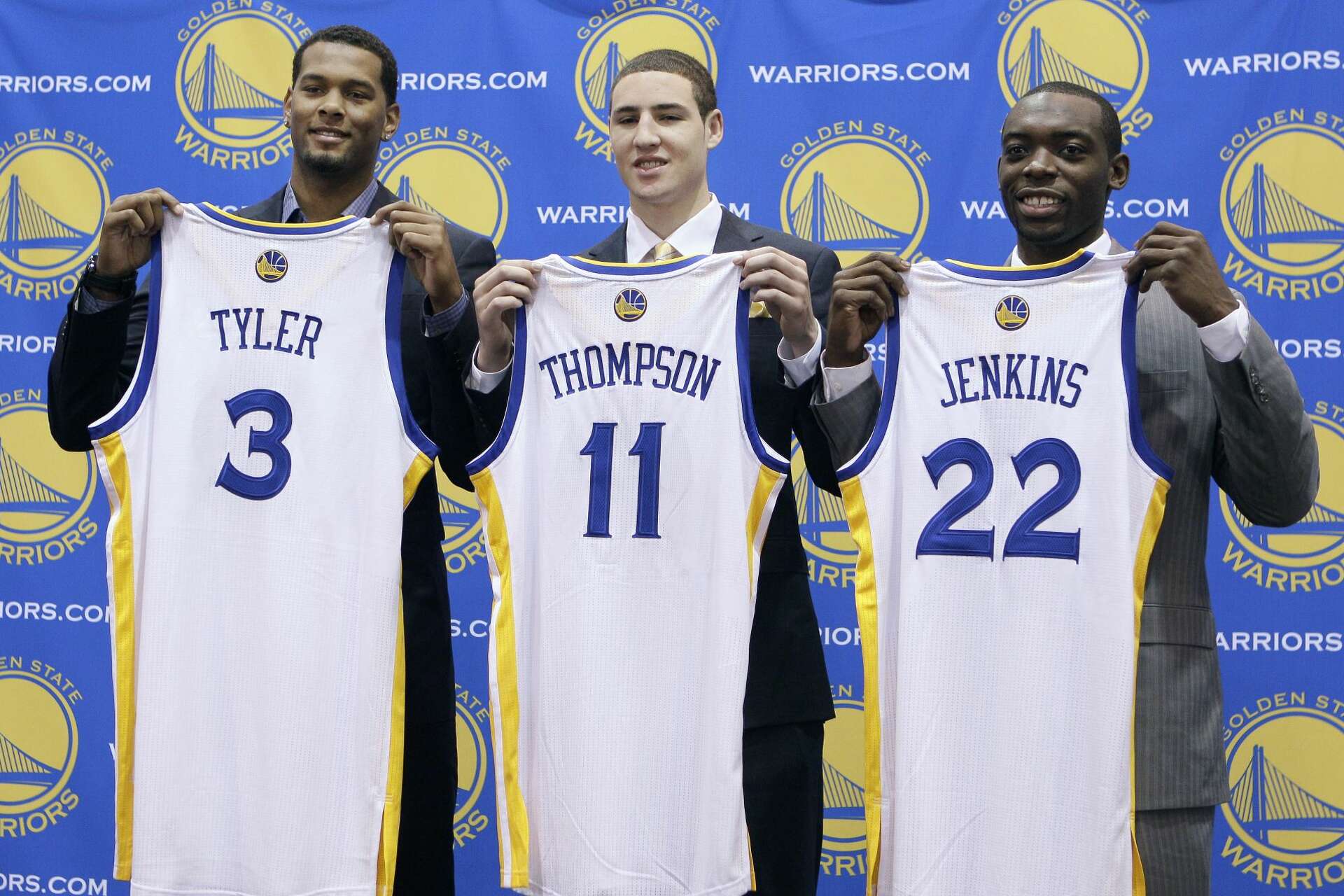
The act of being drafted by a specific team in a particular year instantaneously creates an indelible brand association. The franchise’s history, culture, market size, and current standing become intertwined with the athlete’s nascent brand. Being selected by a team with a strong brand identity, or one poised for greatness, can significantly accelerate a player’s brand development. For Draymond Green, his draft year brought him into the fold of a team that was on the cusp of a dynasty. This immediate alignment with a successful, innovative, and highly visible organization provided an unparalleled platform for his brand to grow. The team’s ethos of collective play, cutting-edge analytics, and a vibrant fan base became part of his narrative. Had he been drafted by a struggling franchise in a smaller market, his initial brand trajectory might have been vastly different. The synergy between the player’s intrinsic qualities and the team’s extrinsic branding power is undeniable, illustrating how the “where” of the draft year is as critical as the “what.” This association offers instant credibility and a broader audience, which is invaluable for a burgeoning personal brand.
Evolving Brand Identity: From Role Player to Icon
A brand is not static; it evolves, adapts, and sometimes transforms entirely. For professional athletes, this evolution is heavily influenced by on-court performance, off-court conduct, and the strategic cultivation of a public persona. Draymond Green’s journey exemplifies this dynamic process, moving from a perceived “role player” to a bona fide icon whose brand is synonymous with winning, intensity, and outspoken leadership.
Performance and Persona in Brand Building
The most powerful driver of an athlete’s brand is their consistent performance. Green’s unique blend of defensive mastery, playmaking ability, and emotional leadership on the court became the bedrock of his brand. He wasn’t just a player; he was the “heartbeat” of a championship team, the vocal leader, the defensive anchor. These on-court attributes, coupled with an often fiery and unapologetic persona, solidified his brand image. His willingness to speak his mind, challenge teammates, and engage with opponents or officials, while sometimes controversial, reinforced a brand built on authenticity and an unyielding will to win. This persona, though not universally beloved, resonated deeply with fans and critics who valued passion and transparency. The brand messaging became clear: Draymond Green is a winner who will do whatever it takes, and he’s not afraid to tell you about it. This consistent fusion of performance and an authentic, if sometimes abrasive, personality is key to creating a memorable and distinct brand. His brand wasn’t just about statistics; it was about impact and character.
Navigating Controversy and Cultivating Authenticity
No personal brand, especially one as prominent as a professional athlete’s, is immune to controversy. How these moments are handled can either derail or strengthen a brand. Draymond Green has had his share of highly publicized incidents and polarizing statements. Yet, through it all, his brand has largely remained resilient, primarily due to an unwavering commitment to authenticity. Instead of shying away from his competitive nature or trying to appease all critics, Green has largely owned his narrative. He has often doubled down on his beliefs, explained his actions, and continued to operate within the framework of his established persona. This approach, while risky, has cultivated a sense of genuine character that resonates with his core audience and even garners respect from those who disagree with him. Authenticity, even when imperfect or controversial, is a powerful brand asset in an age of curated public images. It allows for a deeper connection with an audience that values realness over manufactured perfection, turning potential brand crises into opportunities for reinforcement of core values.
Leveraging the Brand: Beyond the Court
A robust personal brand opens doors to opportunities far beyond the athlete’s primary profession. For Draymond Green, his draft year marked the starting point for building a multi-faceted brand that now extends into media, business, and entrepreneurship, demonstrating the long-term value creation inherent in strategic brand development.
Media Presence and Digital Footprint
In the modern media landscape, an athlete’s voice and digital footprint are integral to their brand’s reach and influence. Draymond Green has masterfully leveraged various platforms to expand his brand beyond the basketball court. His successful podcast, “The Draymond Green Show,” offers unvarnished insights into the NBA, current events, and his personal life, allowing him to control his narrative and engage directly with a global audience. His active presence on social media further amplifies his voice, making him a powerful commentator and thought leader. This proactive approach to media engagement transforms him from a mere athlete into a media personality, an analyst, and a cultural commentator. By investing in his media presence, Green has not only diversified his brand but also positioned himself for a successful post-playing career, ensuring his brand’s longevity and continued relevance. He’s building an intellectual property around his persona.
Endorsements, Investments, and Entrepreneurship
A strong personal brand is a magnet for endorsement deals and business ventures. Brands seek to align themselves with athletes who embody desirable traits, possess significant influence, and have a dedicated following. Draymond Green’s brand – synonymous with leadership, resilience, and unapologetic determination – makes him an attractive partner for various companies. Beyond traditional endorsements, Green has ventured into strategic investments and entrepreneurial pursuits, leveraging his brand equity and network. These ventures include technology startups, media companies, and other business opportunities that reflect his interests and values. This strategic diversification showcases how a well-managed personal brand can be transformed into a powerful economic engine, generating wealth and influence far beyond an athlete’s playing contract. His draft year, therefore, wasn’t just the beginning of his NBA career, but the genesis of a broader business empire built on the foundation of his evolving brand.
The Enduring Legacy of a Draft Year
Ultimately, the significance of an athlete’s draft year resonates throughout their entire career and beyond, serving as both a historical anchor and a source of inspiration.
Milestone as a Narrative Anchor
The draft year functions as a critical narrative anchor in an athlete’s story. It is the definitive starting point from which all achievements, challenges, and brand evolutions are measured. For Draymond Green, his draft year is frequently referenced when discussing his unlikely rise, his role in a dynasty, and his eventual transformation into a prominent voice in sports and culture. It underscores the narrative of overcoming initial skepticism and proving doubters wrong, which is a powerful component of his brand identity. This historical reference point provides context and depth to his entire career arc, reinforcing the enduring qualities of his brand. It allows audiences to trace his journey and appreciate the growth and evolution that has occurred since that seminal moment.

Inspiring Future Generations
The brand built by an athlete like Draymond Green, starting from his draft year, serves as a powerful case study for aspiring individuals across various fields. His journey offers lessons in self-belief, strategic positioning, authenticity, and the relentless pursuit of excellence. For young athletes, his story demonstrates that success isn’t solely about being the most athletic or the highest-drafted, but about maximizing potential, cultivating a unique identity, and consistently delivering impact. For entrepreneurs and public figures, his brand trajectory illustrates the art of narrative control, the value of authenticity, and the strategic leveraging of one’s platform. His brand, therefore, extends beyond personal gain to become a source of inspiration, demonstrating that a well-crafted and authentically maintained personal brand can leave a lasting legacy that transcends the playing field.
In conclusion, while “What year was Draymond Green drafted?” appears to be a simple factual query, it actually unlocks a rich and complex discussion about the strategic art of personal branding in the modern sports landscape. His draft year was not just a date on a calendar; it was the seminal moment that launched an intricate brand narrative, which, through performance, authenticity, and strategic media engagement, has evolved into an iconic and influential presence. It underscores that in professional sports, the journey from being drafted to becoming a global brand is a meticulously crafted process, where every moment, every performance, and every public statement contributes to an enduring legacy.
aViewFromTheCave is a participant in the Amazon Services LLC Associates Program, an affiliate advertising program designed to provide a means for sites to earn advertising fees by advertising and linking to Amazon.com. Amazon, the Amazon logo, AmazonSupply, and the AmazonSupply logo are trademarks of Amazon.com, Inc. or its affiliates. As an Amazon Associate we earn affiliate commissions from qualifying purchases.