
The announcement of Kelly Preston’s passing in July 2020 sent ripples across the entertainment industry and beyond. The beloved actress, known for her roles in films like “Jerry Maguire” and “Twins,” had succumbed to breast cancer at the age of 57. Specifically, it was reported that Kelly Preston had been battling metastatic breast cancer for two years, a diagnosis that she and her family chose to keep private for the majority of her fight. This deeply personal tragedy, while heartbreaking on a human level, also offers a poignant lens through which to examine the intricate dynamics of personal branding, celebrity privacy, and the lasting impact a public figure’s life and challenges can have on their legacy and broader societal conversations.
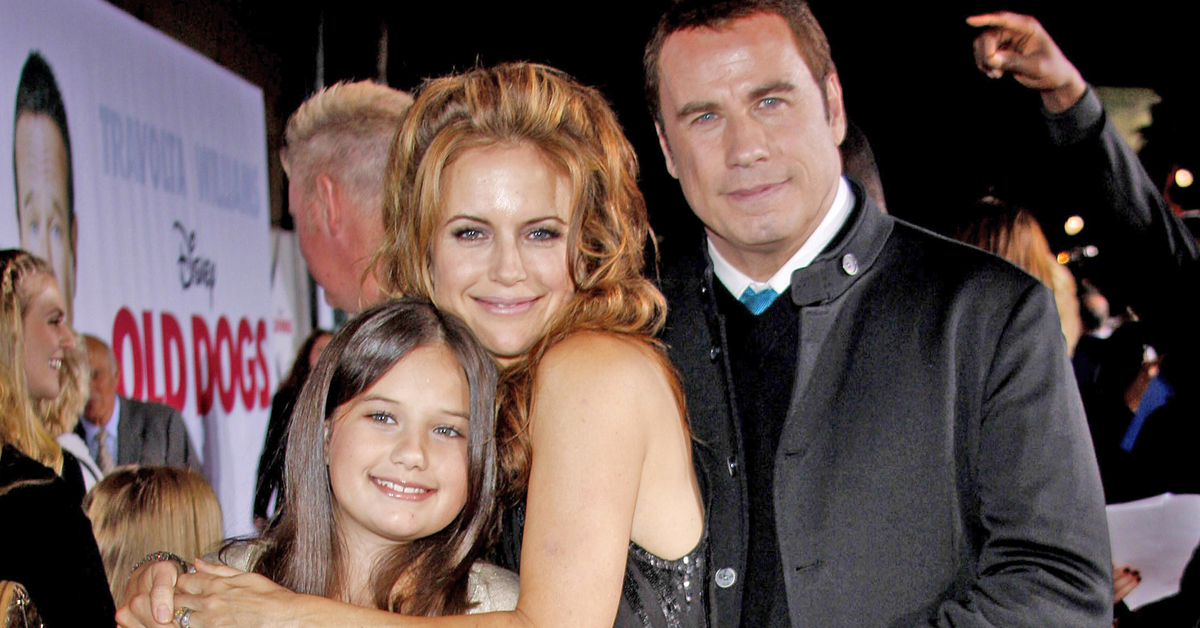
For those in the realm of brand strategy, Kelly Preston’s journey presents a compelling, albeit somber, case study. It highlights the inherent tension between a public persona and private life, the strategic decisions involved in managing a celebrity’s image during times of crisis, and the profound way personal narratives can shape collective consciousness, even posthumously. Understanding the nuances of how such news is managed and received provides invaluable insights into the architecture of modern personal branding.
The Intersection of Personal Health and Public Persona
Every public figure, whether an actor, entrepreneur, or influencer, cultivates a personal brand – a curated identity presented to the world. This brand is a mosaic of their professional achievements, personal values, public appearances, and even their perceived character. When a significant personal event, especially a health crisis, enters this equation, the brand’s resilience and the authenticity of its bearer are put to the ultimate test.
Navigating Privacy in the Public Eye
Kelly Preston, alongside her husband John Travolta, was part of a celebrity couple whose lives had been under public scrutiny for decades. Their public image was one of enduring love, family values, and a certain grounded resilience in the face of previous personal tragedies, such as the loss of their son Jett. For them to choose to keep Kelly’s breast cancer diagnosis private for two years speaks volumes about their strategy for managing their personal brand during an intensely difficult period.
This decision reflects a common dilemma for public figures: how much personal information to share versus how much to protect. From a branding perspective, privacy can be a double-edged sword. While it allows individuals to cope with personal challenges without the added pressure of public commentary, it can also lead to speculation or, in some cases, a perceived lack of transparency. The Preston-Travolta family’s approach underscored a priority for personal healing and family unity above maintaining a constant public narrative about Kelly’s health. This choice, in itself, reinforced an aspect of their brand – a deep commitment to family and a desire to protect their sacred personal space from the incessant demands of celebrity culture. Their eventual announcement, made after her passing, was handled with dignity and respect, emphasizing the family’s desire for privacy while also acknowledging the well wishes of fans.
The Power of Celebrity for Health Advocacy
Conversely, there’s a powerful argument for celebrities to openly share their health struggles. When a well-known personality reveals a diagnosis, it often strips away the stigma surrounding certain illnesses, raises crucial awareness, and can even drive significant fundraising efforts for research and support. Think of Angelina Jolie’s proactive decision to share her double mastectomy due to genetic predispositions, which led to the “Angelina Effect” in increased genetic testing rates. Or Michael J. Fox’s tireless advocacy for Parkinson’s disease research after his diagnosis.
While Kelly Preston’s immediate fight was private, her posthumous story has undoubtedly contributed to breast cancer awareness. Her passing, especially given the relative silence around her illness, brought a stark reminder of the disease’s prevalence and impact, even on those who appear to live charmed lives. The very question “what type of breast cancer did Kelly Preston have” indicates a public desire for understanding and connection, which, however late, serves to highlight the importance of early detection, treatment, and ongoing research. In this way, her personal story, though private in life, became a part of the public health narrative upon her death, inadvertently contributing to advocacy.
Kelly Preston’s Brand: Authenticity and Resilience
Kelly Preston’s personal brand was multifaceted. She was an accomplished actress, a devoted wife, and a loving mother. Her public image exuded warmth, strength, and an approachable glamour. These attributes formed the core of her brand identity, built over decades in the public eye.
Crafting a Public Image Over Decades
From her early roles as a vibrant and spirited presence to her later portrayal of more mature and complex characters, Preston’s brand evolved naturally. She cultivated an image that felt authentic and grounded, often seen as genuinely warm and vivacious. This long-standing consistency in her public persona likely contributed to the widespread outpouring of grief and sympathy upon her passing. A strong, consistent brand fosters trust and emotional connection with the audience. When that brand is associated with authenticity, as Preston’s was, its impact is even more profound. Her public appearances with Travolta, often radiating joy and family cohesion, further cemented this perception of a genuine, resilient individual.
The Silent Battle: Protecting Personal Space

The decision to battle metastatic breast cancer in private was a testament to the family’s control over their narrative. In an age where every detail of a celebrity’s life is often dissected and sensationalized, their ability to maintain such a significant level of privacy for two years is remarkable. This choice, while challenging from a public relations standpoint (as it eventually led to a sudden, shocking announcement), prioritized Kelly’s dignity and peace during her most vulnerable period.
From a personal branding perspective, it underscores a critical lesson: not every aspect of one’s life needs to be monetized or publicly showcased. There’s immense value in delineating clear boundaries between the public and private self, especially for individuals whose livelihoods depend on public engagement. This strategy, though not typical for many modern influencers who build brands on radical transparency, resonated with an older, more traditional celebrity model where a certain mystique and personal reserve were maintained. It reinforced the idea that even the most public figures are entitled to a private life, particularly during moments of profound personal challenge.
The Impact on Brand Legacy and Awareness
The legacy of a public figure is not merely defined by their professional achievements but also by the lasting impression they leave on society. Kelly Preston’s battle with breast cancer, and its eventual public revelation, irrevocably became a part of her legacy, influencing both general health awareness and the ongoing discourse around celebrity and privacy.
Posthumous Influence: Shaping Health Narratives
Upon her death, news outlets worldwide reported on Kelly Preston’s battle with metastatic breast cancer. This generated a surge of public interest in the disease, particularly the advanced stage she faced. For many, her story likely served as a stark reminder of the importance of regular screenings, understanding different types of breast cancer, and the reality of metastatic disease. Without her explicitly becoming an advocate in life, her passing inadvertently placed her at the center of a health narrative. This demonstrates the powerful, sometimes unintended, consequence of a celebrity’s life events on public consciousness. Her story became a point of reference, sparking conversations in homes and online forums about cancer, grief, and resilience.
The Role of Family Brands in Public Discourse
The Travolta-Preston family itself functions as a collective brand. Their long-standing presence in Hollywood, coupled with shared values and experiences, has created a powerful familial identity. John Travolta’s emotional public statements following Kelly’s death were not just personal expressions of grief but also carefully managed communications that upheld their family brand’s integrity. His words emphasized Kelly’s courage, their shared journey, and the family’s need for privacy while acknowledging public support. This balanced approach ensured that the family’s brand remained one of grace, strength, and authenticity, even in profound sorrow.
The way a family brand navigates such a crisis can either strengthen or fracture its public perception. The Travolta family’s dignified handling of Kelly’s battle and passing cemented their image as a resilient and private unit, garnering respect and sympathy rather than sensationalism. This careful curation of their public narrative, particularly by Travolta who has decades of experience in the spotlight, exemplifies expert crisis communication within a family brand context.
Lessons for Personal Brands in Crisis Management
The case of Kelly Preston offers several critical lessons for individuals and brands navigating crises, especially those involving sensitive personal information.
Strategic Disclosure and Message Control
The decision of when and how to disclose sensitive information is paramount in crisis management for any brand, be it personal or corporate. For Kelly Preston and her family, the choice was to maintain privacy until after the fact. This allowed them complete control over the narrative once it was released, ensuring that the initial public reaction was one of respectful mourning rather than speculative curiosity.
While not suitable for every situation, their approach highlights the power of controlled disclosure. When a brand faces an inevitable revelation of difficult news, crafting a clear, empathetic, and definitive message, and releasing it at a strategically chosen time, can significantly shape public perception. The delay in this instance prevented public intrusion during a private struggle, allowing the family to grieve without external pressures. When the news was finally shared, it came directly from the family, leaving no room for rumors or misinterpretation regarding the cause of death or the family’s state.

Authenticity as a Cornerstone of Trust
Despite the privacy surrounding her illness, Kelly Preston’s enduring brand of authenticity remained intact. Her public persona was built on genuine warmth and relatability, and her silent battle did not diminish that. In fact, for many, it added another layer of respect for her resilience and her family’s unity.
Authenticity, in branding, is not about disclosing every detail of one’s life, but about consistently presenting a true and believable self. When crises arise, a foundation of authenticity allows a brand to weather storms with greater integrity. Audiences are more forgiving and understanding of brands they perceive as genuine. Kelly Preston’s legacy, marked by both a vibrant public career and a deeply private final battle, underscores that authenticity, even with strategic boundaries, is key to building an enduring and respected brand. Her life, challenges, and ultimate passing serve as a profound reminder that behind every public brand lies a human story, deserving of both admiration and respect for its complexities.
aViewFromTheCave is a participant in the Amazon Services LLC Associates Program, an affiliate advertising program designed to provide a means for sites to earn advertising fees by advertising and linking to Amazon.com. Amazon, the Amazon logo, AmazonSupply, and the AmazonSupply logo are trademarks of Amazon.com, Inc. or its affiliates. As an Amazon Associate we earn affiliate commissions from qualifying purchases.