
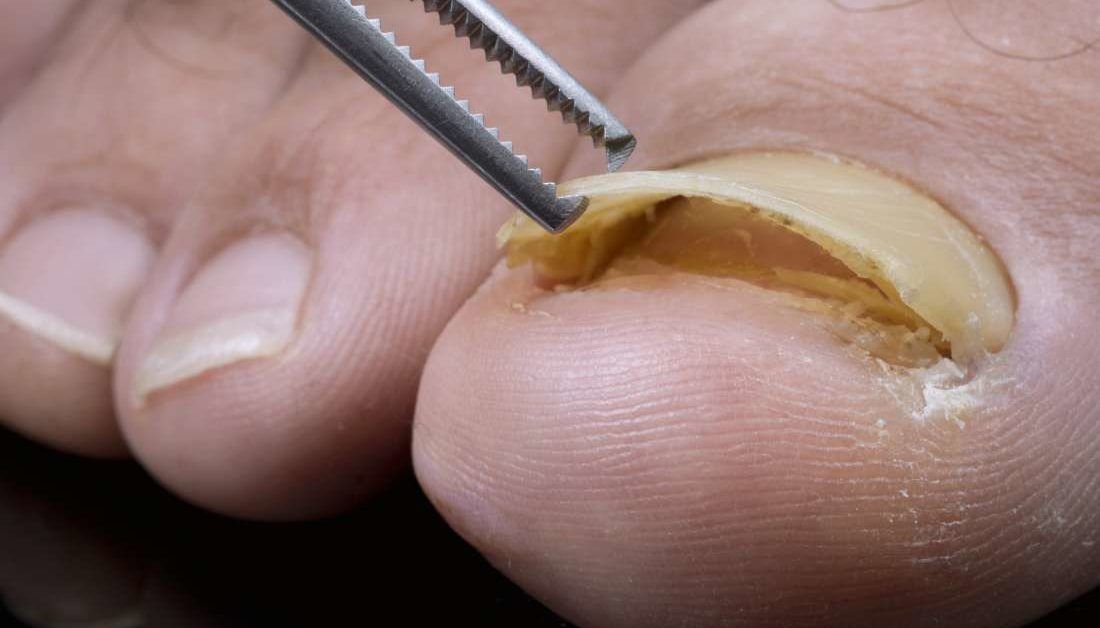
The phrase “what to do if your toe nail comes off” conjures an immediate image of a painful, unexpected physical trauma requiring swift and precise action. While literally referring to a bodily ailment, this article will explore its profound metaphorical resonance within the technology landscape. In the fast-paced, interconnected digital world, the unexpected “coming off” of a critical system, a vital data pipeline, or a core security component can be just as jarring, painful, and debilitating for an organization. This isn’t merely a bug or a glitch; it’s a critical incident, a sudden breach, or a catastrophic failure that compromises operations, threatens data integrity, and erodes user trust.
In technology, these “digital toenail” moments represent the ultimate test of an organization’s resilience, preparedness, and agility. They demand more than just a quick fix; they require a comprehensive incident response strategy, a deep understanding of systemic vulnerabilities, and a commitment to continuous improvement. This article will guide you through the digital equivalent of first aid, recovery, and long-term prevention, ensuring your technological infrastructure remains robust even when faced with unforeseen trauma.
The Digital ‘Toenail’: Understanding Critical System Failures
In the realm of technology, a “digital toenail” coming off signifies an abrupt, impactful event that severely disrupts normal operations, compromises data, or exposes vulnerabilities. Unlike minor issues that can be patched over, these critical incidents demand immediate, focused attention. Understanding the nature and potential impact of such failures is the first step toward effective mitigation.
Defining a Critical Incident
A critical incident in tech is not merely a service degradation; it’s an event that threatens core business functions, customer trust, or regulatory compliance. It could be a major server outage, a widespread data breach, a ransomware attack, a critical application failure, or a network infrastructure collapse. The defining characteristic is its unexpected nature and the severity of its potential repercussions, akin to the sudden, jarring loss of a vital body part. Such incidents often cascade, affecting multiple interconnected systems and user experiences, creating a ripple effect across an organization’s digital footprint.
The Immediate Impact of Unexpected Outages
When a digital “toenail” comes off, the immediate impact can be devastating. For businesses, this translates to significant financial losses due to downtime, lost sales, and potential fines from regulatory bodies. Customer dissatisfaction can plummet, leading to brand damage that takes years to repair. Operational paralysis can grind productivity to a halt, affecting employees across all departments. Beyond the immediate disruption, there’s the long-term cost of investigation, recovery, and implementing preventative measures. The unexpected nature amplifies the challenge, often catching unprepared teams off guard and exacerbating the chaos.
Why Metaphors Matter in Tech Preparedness
Using a visceral metaphor like a “toe nail coming off” helps demystify complex tech incidents and communicates the urgency and potential pain points to non-technical stakeholders. It transforms abstract concepts like “system failure” into something tangible and relatable, fostering a shared understanding of the need for robust incident response plans. Just as we instinctively know the importance of addressing a physical injury, this metaphor underscores the critical necessity of preparing for and responding to digital traumas with the same level of seriousness and promptness. It highlights that certain components, even seemingly small ones, are vital for the overall health and function of the entire system.
First Response Protocol: Triage and Containment
Just as with a physical injury, the moments immediately following a critical tech incident are paramount. Swift and organized action can significantly reduce the damage, prevent escalation, and set the stage for a successful recovery. This phase is all about triage, containment, and initial communication.
Activating the Incident Response Team
The moment a critical incident is detected, the designated incident response team (IRT) must be activated. This team, comprised of specialists from various departments (IT operations, security, development, communications, legal), should have pre-defined roles and responsibilities. Clear protocols for alert generation, team notification, and communication channels (e.g., dedicated war room, incident management platform) are essential to ensure a rapid and coordinated response. Time is of the essence, and every second counts in preventing further damage. Regular drills and simulations are crucial to ensure the team is well-oiled and responsive when a real “digital toenail” comes off.
Prioritizing and Isolating the Problem
Once the IRT is active, the immediate priority is to understand the scope of the problem and contain it. This involves identifying the affected systems, isolating them from the rest of the network if necessary, and stopping the spread of any malicious activity or system failure. Tools for real-time monitoring, log analysis, and network traffic inspection are invaluable during this phase. The goal is to minimize further damage while gathering enough information to begin diagnosis. This might mean temporarily taking systems offline, disabling compromised accounts, or rerouting traffic, much like applying a tourniquet to stop bleeding.
Communicating with Stakeholders
Transparency and timely communication are critical, both internally and externally. Internally, team members need updates to coordinate efforts. Externally, customers, partners, and potentially regulatory bodies need to be informed, especially if data breaches or service outages impact them directly. A pre-approved communication plan, including templates for various scenarios, can ensure consistent, accurate messaging. Honesty about the situation, without revealing sensitive technical details, helps maintain trust. Clear, concise updates on the situation, the actions being taken, and estimated recovery times are vital to manage expectations and alleviate anxiety.
Diagnosis and Remediation: Restoring Digital Integrity

Once the initial shock and containment efforts are underway, the focus shifts to understanding exactly what happened and how to fix it. This phase is about deep-dive analysis, strategic decision-making, and executing a robust recovery plan to restore systems to their optimal state.
Conducting a Thorough Root Cause Analysis
Understanding why the digital “toe nail” came off is crucial to preventing recurrence. A thorough root cause analysis (RCA) involves meticulously examining logs, system metrics, network traffic, and code changes to pinpoint the underlying cause of the incident. This isn’t about assigning blame but identifying systemic weaknesses, configuration errors, software bugs, or security vulnerabilities that led to the failure. Tools for forensic analysis, performance monitoring, and configuration management databases are indispensable here, providing the necessary data to trace the incident back to its origin.
Implementing Temporary Fixes vs. Permanent Solutions
During remediation, a critical decision often arises: implement a temporary workaround to restore service quickly, or pursue a more permanent, albeit slower, solution? Often, a temporary fix (like reverting to a previous stable version, rerouting traffic, or temporarily disabling a problematic feature) is necessary to reduce downtime and restore critical services while the permanent solution is being developed and rigorously tested. The strategy should balance the urgency of recovery with the need for long-term stability. Permanent solutions typically involve code refactoring, infrastructure upgrades, security enhancements, or process changes, addressing the root cause rather than just its symptoms.
Data Recovery and System Restoration
Depending on the nature of the incident (e.g., data corruption, loss, or encryption due to ransomware), data recovery becomes a paramount concern. This involves restoring data from secure backups, ensuring data integrity, and verifying the consistency across all affected systems. For system restoration, the focus is on bringing all services back online, verifying their functionality, and ensuring they operate within expected performance parameters. This includes rigorous testing of the restored environment, security audits to confirm no lingering vulnerabilities, and a phased rollout to minimize the risk of re-introducing problems. Robust backup and disaster recovery plans are the bedrock of effective data and system restoration.
Proactive Measures: Building a Resilient Digital Footprint
While incident response focuses on reacting to problems, true digital maturity lies in proactive measures that prevent these “digital toenail” moments from happening in the first place, or at least minimize their impact. Building resilience into your digital footprint is an ongoing commitment.
Investing in Robust Monitoring and Alerting Systems
Prevention starts with visibility. Investing in comprehensive monitoring and alerting systems is non-negotiable. This includes application performance monitoring (APM), infrastructure monitoring, network monitoring, security information and event management (SIEM) solutions, and user experience monitoring. These tools provide real-time insights into system health, performance anomalies, and potential security threats. Intelligent alerting, configured with appropriate thresholds and escalation paths, ensures that potential “digital toenail” issues are identified early, often before they escalate into full-blown critical incidents. The goal is to shift from reactive firefighting to proactive problem resolution.
Embracing Redundancy and Disaster Recovery Planning
Just as biological systems have redundancies, so too should digital ones. Implementing redundancy across all critical components – servers, networks, databases, power supplies – ensures that if one component fails, another can seamlessly take over. Cloud architectures, with their built-in geographic distribution and replication capabilities, are powerful enablers of redundancy. Coupled with this, a well-defined and regularly tested disaster recovery (DR) plan is essential. A DR plan outlines the procedures for restoring operations after a major disruption, covering everything from data backups to alternative operational sites. Regular DR drills are crucial to ensure the plan is effective and the team is proficient in executing it under pressure.
The Role of AI and Automation in Prevention and Response
Artificial intelligence (AI) and automation are transforming incident prevention and response. AI-powered analytics can detect subtle anomalies and predict potential failures that human operators might miss, often leveraging machine learning to identify patterns indicative of emerging threats or system degradation. Automation plays a critical role in expediting routine tasks during incident response, such as isolating compromised systems, patching vulnerabilities, or initiating failovers. Automated security systems can block threats in real-time, reducing the window of opportunity for attackers. By offloading repetitive and time-sensitive actions to automation, human teams can focus on more complex problem-solving and strategic decision-making, improving both efficiency and effectiveness in preventing and managing “digital toenail” scenarios.
Learning and Evolution: Strengthening Your Digital Foundation
An incident, particularly a critical one, is not just a challenge but a profound learning opportunity. The post-incident phase is crucial for transforming painful experiences into actionable insights that strengthen your digital foundation and foster continuous improvement.
Post-Mortem Analysis and Knowledge Sharing
After every significant incident, a thorough post-mortem analysis (also known as a post-incident review) is essential. This involves documenting what happened, the timeline of events, the actions taken by the response team, the effectiveness of those actions, and ultimately, the root cause. Crucially, this process should be blameless, focusing on systemic improvements rather than individual fault. The findings, lessons learned, and recommended preventative measures should be formally documented and shared across relevant teams. This knowledge sharing builds an organizational memory, ensuring that mistakes are not repeated and best practices are disseminated.
Updating Policies and Enhancing Security Posture
The insights gained from post-mortems should directly inform updates to existing policies, procedures, and security frameworks. If a vulnerability was exploited, security policies related to patching, access control, or configuration management might need revision. If communication breakdowns occurred, the incident communication plan should be refined. Regular security audits, penetration testing, and vulnerability assessments should be conducted to proactively identify and address weaknesses before they can be exploited. This continuous cycle of assessment, learning, and policy enhancement is vital for maintaining a robust and adaptive security posture.

Fostering a Culture of Resilience and Continuous Improvement
Ultimately, the most powerful preventative measure is a strong organizational culture that values resilience, proactive security, and continuous improvement. This means empowering employees to report suspicious activities, providing regular security awareness training, and fostering an environment where learning from failures is encouraged, not penalized. It involves integrating security and reliability considerations into every stage of the software development lifecycle, from design to deployment. A culture of resilience recognizes that “digital toenails” might occasionally come off, but a prepared, learning, and evolving organization will always be ready to respond, recover, and emerge stronger from the experience.
The journey to digital resilience is ongoing. By treating every critical incident as a valuable lesson, investing in proactive measures, and cultivating a robust response capability, organizations can ensure that when their “digital toenail” inevitably comes off, they are not only prepared to heal but also to grow stronger from the experience.
aViewFromTheCave is a participant in the Amazon Services LLC Associates Program, an affiliate advertising program designed to provide a means for sites to earn advertising fees by advertising and linking to Amazon.com. Amazon, the Amazon logo, AmazonSupply, and the AmazonSupply logo are trademarks of Amazon.com, Inc. or its affiliates. As an Amazon Associate we earn affiliate commissions from qualifying purchases.