
The seemingly innocuous question, “What time is the Home Run Derby on?”, transcends a simple query about broadcast schedules. For brand strategists, marketing professionals, and event organizers, this question is a microcosm of the intricate planning, strategic positioning, and immense commercial value inherent in live sporting events. It speaks to the deliberate orchestration of timing, audience engagement, and narrative control that transforms a sporting competition into a powerful, multifaceted brand experience. In an increasingly fragmented media landscape, understanding how to position, promote, and present a tentpole event like the Home Run Derby is crucial for maximizing reach, securing lucrative partnerships, and solidifying brand legacy. This article delves into how the timing, branding, and strategic execution of the Home Run Derby exemplify best practices in brand strategy within the competitive world of sports entertainment.
The Home Run Derby as a Marquee Brand Event
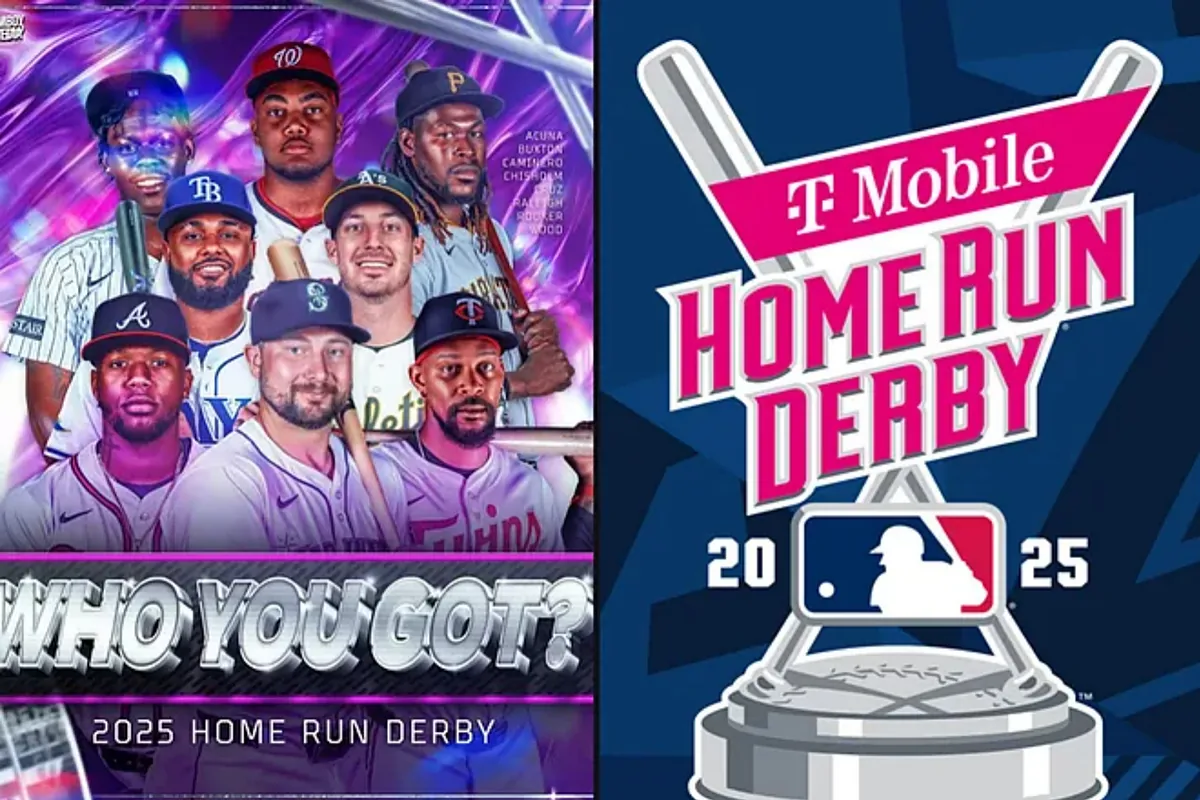
The Home Run Derby is not merely an exhibition of prodigious power; it is a meticulously crafted brand event, designed to captivate audiences and create memorable moments. Its sustained popularity, year after year, is a testament to effective brand strategy that goes beyond the sport itself. The Derby has successfully carved out its own distinct identity within the broader Major League Baseball (MLB) brand, evolving from a pre-All-Star Game sideshow into a standalone spectacle that often garners more individual attention than the All-Star Game itself. This elevation is no accident; it is the result of strategic branding efforts focused on entertainment value, star power, and accessible narratives.
Crafting an Unforgettable Spectacle: Beyond the Game
At its core, the Home Run Derby is entertainment. Its brand strategy centers on transcending the traditional baseball game format to deliver a pure spectacle. Unlike a standard game burdened by strategy, pitching changes, and defensive plays, the Derby simplifies the action: hit the ball as far as possible, as many times as possible. This streamlined format is inherently appealing and easy to follow, even for casual viewers or those new to baseball. The countdown clock, the dramatic walk-up music, the instant replay of monumental blasts, and the reactions of players and fans all contribute to a heightened sense of drama and excitement. From a branding perspective, this focus on raw power, individual achievement, and dramatic flair ensures that the event is visually stunning and emotionally resonant. Each swing becomes a mini-narrative, each home run a potential record-breaker. This emphasis on pure spectacle differentiates it and builds a brand association with excitement, awe, and competitive theatre. The personalities of the sluggers become central, turning them into transient brand ambassadors for the event itself, each bringing their own fanbase and unique style to the branded stage.
Legacy and Evolution: Sustaining Interest Across Generations
A truly successful brand possesses longevity, adapting to changing tastes while retaining its core identity. The Home Run Derby’s brand strategy exhibits this balance masterfully. While the core concept of sluggers hitting dingers remains unchanged, the event has continually evolved to maintain freshness and appeal across generations. Innovations like the bracket format, bonus time for longer home runs, and strategic timeouts have added layers of competition and intrigue, preventing stagnation. These modifications are not arbitrary; they are calculated brand enhancements aimed at increasing viewer engagement and excitement. The brand also leverages its rich history, regularly showcasing past champions and iconic moments, thereby reinforcing its legacy and connecting current spectacles to a storied past. This blend of tradition and innovation ensures that the Home Run Derby remains relevant, engaging new audiences while satisfying long-time fans. It builds a brand narrative that celebrates both the timeless appeal of baseball and the dynamic evolution of entertainment, creating a sense of shared experience that spans decades and reinforces a strong, enduring brand identity. This careful balancing act is essential for any brand seeking to maintain relevance and appeal in a rapidly changing consumer landscape.
Mastering the Clock: The Art and Science of Primetime Placement
The question “what time is the Home Run Derby on?” is paramount because the specific broadcast time is a deliberate strategic decision, not a mere scheduling formality. For major brand events, primetime placement is a highly contested asset, meticulously analyzed to maximize viewership, engagement, and commercial return. It’s an intricate dance between understanding audience behavior, navigating competitive media landscapes, and optimizing for the highest possible brand exposure.
Audience Demographics and Peak Engagement Windows
One of the foundational elements in determining the Derby’s start time is a deep understanding of its target audience. Major League Baseball and its broadcast partners conduct extensive demographic research to identify when their core viewers – and potential new audiences – are most likely to be available and receptive to tuning in. For a family-friendly event like the Home Run Derby, an early evening start on a weeknight (often Monday or Tuesday, preceding the All-Star Game) is typically ideal. This slot captures viewers returning from work or school, allows children to watch before bedtime, and avoids direct competition with weekend activities. The specific time zone considerations are also critical; what is primetime on the East Coast needs to be manageable for Mountain and Pacific time zones. The goal is to identify the “peak engagement window” – the period when the largest segment of the desired audience is simultaneously available and looking for entertainment. This isn’t just about raw numbers; it’s about capturing an attentive and engaged audience, which translates into higher ad recall, stronger brand associations for sponsors, and greater social media buzz. Strategic timing is a direct driver of audience reach and engagement metrics, which are vital for proving brand value to advertisers and stakeholders.
Competitive Landscape and Media Strategy
The decision of “what time” also involves a shrewd assessment of the competitive media landscape. In an era of content saturation, every major event vies for viewer attention against a myriad of alternatives: other live sports, primetime network television, streaming services, and even social media platforms. The Home Run Derby’s timing is strategically chosen to minimize direct competition with other major draws. Placing it the night before the All-Star Game not only builds anticipation for the larger event but also positions it in a relatively clear broadcast window, avoiding the major primetime dramas or high-stakes games from other sports leagues that might dominate weekend or later weeknight slots. This careful calendaring is a critical component of media strategy. It’s about finding white space in a crowded market to ensure maximum visibility. Furthermore, the timing aligns with broader promotional efforts, allowing for a concentrated marketing push across MLB’s own channels, broadcast partners, and social media in the days and hours leading up to the event. This synergistic approach ensures that when the “time” arrives, the audience is not only aware but actively anticipating the start, demonstrating how timing is inextricably linked to overarching media and brand strategies designed to cut through the noise.
Leveraging Real-Time Moments for Brand Amplification
Once the precise “time” of the Home Run Derby is set and the event is underway, the strategic focus shifts to real-time brand amplification. Live events offer unparalleled opportunities for brands to connect with audiences dynamically and authentically, transforming moments of excitement into measurable brand equity. The Home Run Derby, with its fast-paced, high-stakes nature, is particularly fertile ground for this kind of spontaneous yet strategically managed brand engagement.

Sponsorship Integration and Commercial Partnerships
For official sponsors, the Home Run Derby’s specific “time” represents a premium advertising slot, and their brand integration goes far beyond traditional commercial breaks. Brands are strategically woven into the fabric of the event itself. This can manifest in various ways: a presenting sponsor’s logo prominently displayed on the field, their product integrated into player interviews or pre-event segments, or even their name attached to specific event features (e.g., “The [Sponsor] Longest Home Run”). The real-time nature of the Derby allows for immediate association with thrilling moments. When a player hits a colossal home run, and the sponsor’s branding is visible, that positive emotional resonance is subconsciously transferred to the sponsoring brand. This is a far more impactful form of advertising than a static commercial, as it leverages the excitement and authenticity of a live event. The “time” of the Derby is thus an asset sold to partners, guaranteeing them access to a highly engaged audience during peak entertainment. Furthermore, these partnerships extend to digital platforms, with sponsors often having exclusive content or interactive elements tied to the live broadcast, further amplifying their brand presence in real-time. The meticulous planning around event timing directly underpins the value proposition offered to these crucial commercial partners.
Digital Engagement and Second-Screen Experiences
In the modern media landscape, “what time is the Home Run Derby on?” doesn’t just refer to the television broadcast; it extends to a simultaneous, multi-platform digital experience. Savvy brands, including MLB itself and its partners, leverage the live event to drive immense digital engagement. Social media platforms become a “second screen” where viewers share reactions, participate in polls, and interact with official event hashtags and accounts. This real-time digital interaction amplifies the event’s reach and duration, extending its brand conversation beyond the broadcast window. Brands strategically deploy dedicated social media teams to post highlight clips, behind-the-scenes content, and interactive graphics instantly. Influencer marketing also plays a role, with popular figures live-tweeting or streaming their reactions, further widening the event’s digital footprint. The timing of the Derby is perfectly suited for this, as it typically airs when a large segment of the population is active on their mobile devices. This concurrent digital activity creates a vibrant ecosystem where fans feel more connected to the event and to each other, fostering a stronger sense of community around the Home Run Derby brand. This real-time digital amplification transforms passive viewership into active participation, generating invaluable user-generated content and organic brand advocacy that would be impossible to replicate through traditional advertising alone.
The Future of Event Branding: Adapting to Evolving Consumption Habits
The constant evolution of technology and consumer behavior means that brands, even established ones like the Home Run Derby, must continuously adapt their strategies. The question “what time is the Home Run Derby on?” is increasingly being reinterpreted as “how and when can I access the Home Run Derby, on my terms?” This shift necessitates a forward-thinking approach to event branding, moving towards personalized, immersive, and highly interactive experiences.
Personalization and Hyper-Targeting in Live Sports
The future of event branding lies in personalization. While a singular broadcast “time” will always be relevant for live events, brands are increasingly exploring ways to tailor the viewing experience to individual preferences. Imagine a fan being able to select their preferred camera angle, access real-time player statistics overlaid on the screen, or receive personalized alerts about their favorite slugger’s turn. This level of hyper-targeting, enabled by data analytics and advanced streaming technology, transforms a passive viewing experience into an active, bespoke one. For the Home Run Derby brand, this could mean offering different commentary tracks, highlighting specific player stories based on user preferences, or even integrating fantasy sports outcomes directly into the live feed. From a branding perspective, this creates a deeper, more intimate connection between the fan and the event. It moves beyond a one-to-many broadcast model to a segmented, individual-centric approach, making each viewer feel uniquely valued and engaged. The “time” of the event becomes less about a universal schedule and more about when and how individual fans choose to interact with personalized content streams, enhancing brand loyalty and perception.
The Metaverse and Immersive Fan Experiences
Looking further ahead, the concept of “what time is the Home Run Derby on?” could extend into virtual realms. The burgeoning metaverse presents an exciting frontier for event branding, offering immersive fan experiences that defy geographical limitations. Imagine attending the Home Run Derby virtually, represented by an avatar, alongside thousands of other fans from around the globe. You could “sit” in a virtual front-row seat, interact with other avatars, participate in virtual games, and even collect digital memorabilia. Brands within the metaverse could host virtual watch parties, launch exclusive digital merchandise (NFTs), or offer interactive sponsor activations. The “time” of the event would then dictate a synchronous virtual gathering, but the experience itself would be fundamentally different. This technology could allow fans to feel truly present and immersed, creating brand associations with innovation, exclusivity, and cutting-edge engagement. For the Home Run Derby, this translates to new revenue streams, expanded global reach, and a reinforced image as a progressive and technologically forward-thinking brand. This immersive future promises to revolutionize how live events are consumed and branded, making the “time” a gateway to entirely new dimensions of fan interaction and brand building.
Measuring Brand Impact: KPIs Beyond Viewership
Understanding “what time is the Home Run Derby on” and executing a flawless event at that time is only half the battle. The true measure of successful brand strategy lies in its impact. While viewership numbers remain a critical metric, modern brand measurement extends far beyond simple ratings, encompassing a holistic view of engagement, sentiment, and long-term value.
Sentiment Analysis and Social Listening
In today’s interconnected world, the conversation surrounding an event is as important as the event itself. Brand strategists meticulously track sentiment analysis and engage in social listening during and after the Home Run Derby’s broadcast “time.” This involves monitoring social media platforms, news outlets, and forums for mentions of the event, players, and sponsors. Tools are used to gauge the overall emotional tone – is it positive, negative, or neutral? What are the recurring themes? Are fans praising the format, the players, or the production quality? This real-time feedback provides invaluable insights into brand perception. A surge in positive sentiment, widespread sharing of highlights, and enthusiastic discussions all indicate a strong brand resonance and successful engagement strategy. Conversely, identifying negative sentiment allows brands to react quickly, address concerns, and refine future strategies. For the Home Run Derby, understanding not just how many people watched, but how they felt about what they watched, directly informs future branding decisions, from talent selection to format tweaks, ensuring the brand continues to connect authentically with its audience.
Long-Term Brand Equity and Fan Loyalty
Ultimately, the goal of strategic timing and flawless execution for the Home Run Derby is to build long-term brand equity and cultivate enduring fan loyalty. Brand equity refers to the value a brand accrues over time from consumer perception, goodwill, and recognition. When “what time is the Home Run Derby on?” becomes a question that fans instinctively seek out year after year, it signifies deeply ingrained brand loyalty. This loyalty is nurtured through consistent delivery of high-quality entertainment, a reliable and exciting experience, and a connection to something larger than just a single event – the tradition and passion of baseball. Loyal fans are not just viewers; they are advocates who will promote the brand organically, attend future events, and invest in associated merchandise. Measuring this long-term impact involves tracking repeat viewership, merchandise sales, subscription rates to MLB-related content, and sustained engagement in fan communities. The “time” of the Home Run Derby, therefore, becomes a focal point for a recurring brand promise – a guarantee of unadulterated excitement and connection. By consistently delivering on this promise, the Home Run Derby strengthens its brand equity, securing its place as a perennial highlight in the sports entertainment calendar and ensuring its appeal for generations to come.
aViewFromTheCave is a participant in the Amazon Services LLC Associates Program, an affiliate advertising program designed to provide a means for sites to earn advertising fees by advertising and linking to Amazon.com. Amazon, the Amazon logo, AmazonSupply, and the AmazonSupply logo are trademarks of Amazon.com, Inc. or its affiliates. As an Amazon Associate we earn affiliate commissions from qualifying purchases.