
The query “What time is Starship Flight 6?” transcends a simple request for a launch schedule; it signals an eager anticipation for the next crucial step in humanity’s most ambitious space technology project. Starship, SpaceX’s fully reusable, super heavy-lift launch system, represents a paradigm shift in aerospace engineering and a cornerstone for future interplanetary travel. Each test flight, including the highly anticipated Flight 6, is not merely a launch but a pivotal technological demonstration, pushing the boundaries of what is possible in space exploration. For tech enthusiasts, engineers, and the global scientific community, these flights offer invaluable insights into cutting-edge propulsion, structural integrity, and autonomous flight control systems, cementing Starship’s role at the forefront of technological innovation. This article will explore the deep technological implications of Starship’s ongoing development, dissecting the engineering marvels, operational complexities, and transformative potential embedded within each launch attempt.
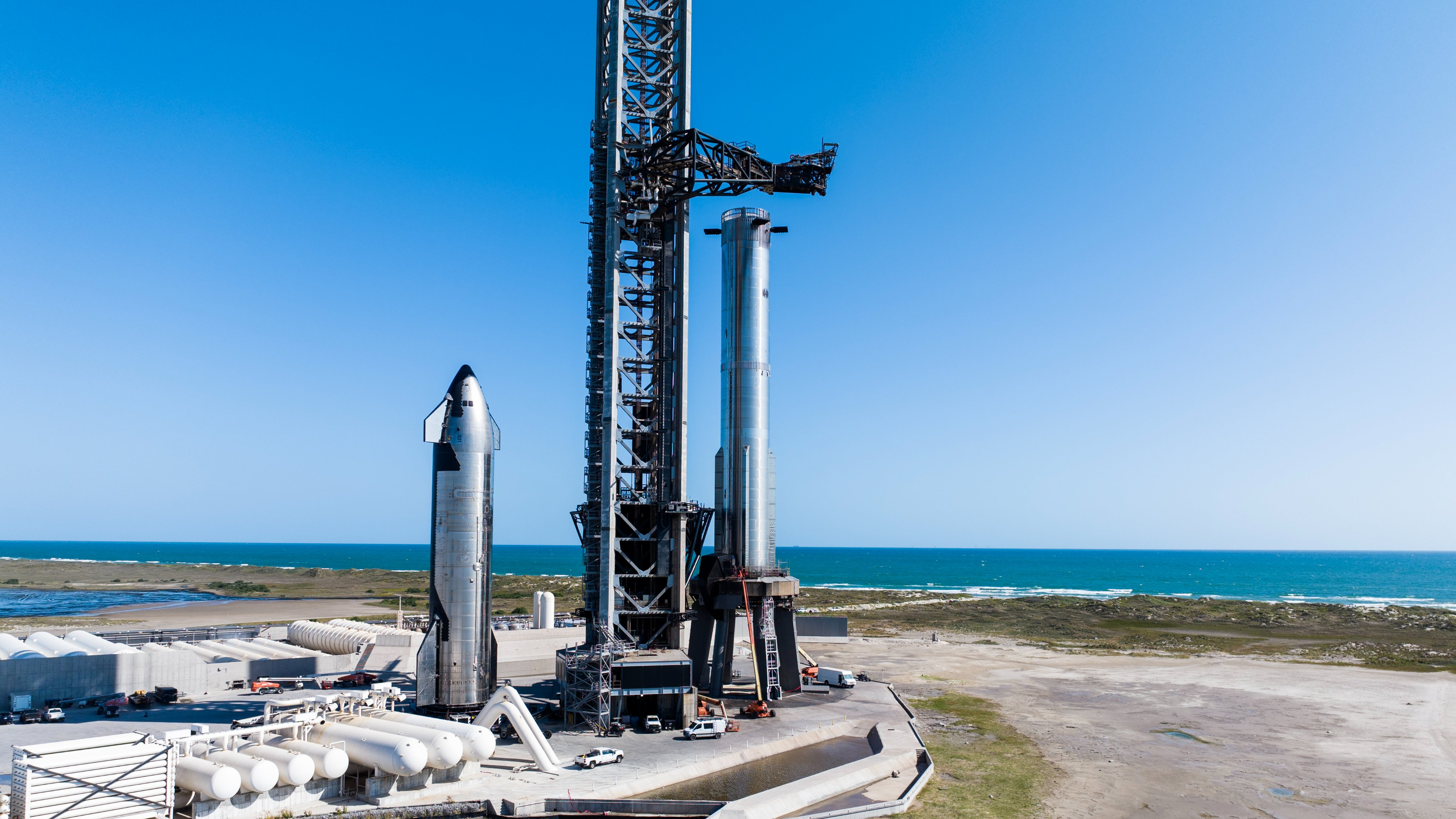
The Transformative Engineering of Starship: A Technological Marvel
Starship is not just another rocket; it is a profound reimagining of space access, built on principles of rapid reusability and scalability that challenge decades of conventional rocket science. Its design and operational philosophy are deeply rooted in pushing technological limits across multiple engineering disciplines, making each test flight a critical data-gathering exercise for subsequent iterations.
Redefining Space Access through Full Reusability
At its core, Starship aims to achieve full and rapid reusability for both its Booster (Super Heavy) and the Ship (Starship spacecraft). This objective is a fundamental departure from the predominantly expendable or partially reusable systems that have characterized spaceflight for decades. The technological challenge lies in designing components that can withstand the extreme stresses of launch and re-entry, land precisely, and be refurbished for another flight within hours or days, not months. The financial and logistical implications of achieving this level of reusability are staggering, potentially reducing the cost of space travel by orders of magnitude and unlocking a new era of space industrialization and exploration. Each Starship flight, therefore, is a test of not just a single launch but the viability of a completely new operational model for accessing space – one that hinges entirely on technological resilience and rapid turnaround.
Propulsion Prowess: The Raptor Engine Revolution
Central to Starship’s technological superiority is the Raptor engine, a full-flow staged combustion cycle engine powered by liquid methane and liquid oxygen. This engine architecture is considered highly advanced, offering superior performance and efficiency compared to open-cycle gas generator engines traditionally used in rockets. Starship’s Super Heavy booster is designed to employ 33 Raptor engines, making it the most powerful rocket ever built, generating unprecedented thrust. The development of Raptor engines has been an iterative process, showcasing rapid advancements in materials science, turbopump technology, and combustion stability. Flight 6, like its predecessors, will provide critical data on the collective performance of these engines during ascent, their throttleability for landing maneuvers, and their reliability under extreme conditions. The sheer number of engines and their synchronized operation represent a complex feat of aerospace engineering, with redundancy and sophisticated control algorithms being paramount to mission success.
Materials Science and Structural Integrity: Enduring Extreme Environments
The choice of stainless steel for Starship’s primary structure, particularly the high-strength 304L and 301 alloys, was initially met with skepticism but has proven to be an ingenious engineering decision. Stainless steel offers excellent performance at both cryogenic temperatures (for propellant storage) and high temperatures (during atmospheric re-entry) without the need for an extensive, heavy thermal protection system seen on other spacecraft. This decision showcases a unique approach to aerospace materials science, prioritizing cost-effectiveness, ease of manufacturing, and thermal resilience. Each Starship flight meticulously tests the structural integrity of this design, observing how the steel behaves under immense aerodynamic forces, vibrational loads, and the thermal shock of re-entry. Data from Flight 6 will be crucial for validating design models, optimizing welding techniques, and refining manufacturing processes, ensuring the vessel can repeatedly endure the punishing environment of spaceflight.
Navigating the Complexities of Launch Windows and Operational Technology
Beyond the rocket’s hardware, the “what time is Starship Flight 6” question delves into a complex web of operational technologies, regulatory frameworks, and environmental considerations that dictate when a launch can actually occur. A launch window is not a mere suggestion but a technically determined period during which a mission can achieve its objectives while adhering to safety and environmental parameters.
The Intricacies of Launch Timing and Orbital Mechanics
For most space missions, the launch window is precisely calculated based on orbital mechanics, the target destination (e.g., specific orbit, lunar transfer, Martian trajectory), and the relative positions of celestial bodies. While early Starship test flights have focused on suborbital or near-orbital profiles, future missions will strictly adhere to these principles. However, even for current atmospheric tests, weather conditions (wind shear, lightning potential, cloud cover), solar activity, and range availability play critical roles. SpaceX utilizes advanced meteorological forecasting models and real-time atmospheric data to determine the optimal launch window, ensuring the safety of ground personnel, the integrity of the vehicle, and compliance with airspace regulations. The technology behind predicting and reacting to these environmental variables is a critical component of successful launch operations.
Regulatory Approvals and Autonomous Flight Termination Systems
Before any Starship flight can proceed, extensive regulatory approvals from bodies such as the Federal Aviation Administration (FAA) in the United States are mandatory. This involves a rigorous assessment of public safety risks, environmental impact, and the reliability of flight termination systems. The Flight Termination System (FTS) is a critical piece of onboard technology, designed to safely destroy the vehicle in the event of an anomaly that poses a risk to populated areas. This system operates autonomously based on pre-programmed parameters and real-time flight data, requiring sophisticated software and robust hardware. Each Starship flight serves as a live test of these safety systems and the regulatory processes that oversee them, proving the technological maturity and operational safety readiness of the vehicle.
Real-time Data Telemetry and Public Engagement Technologies
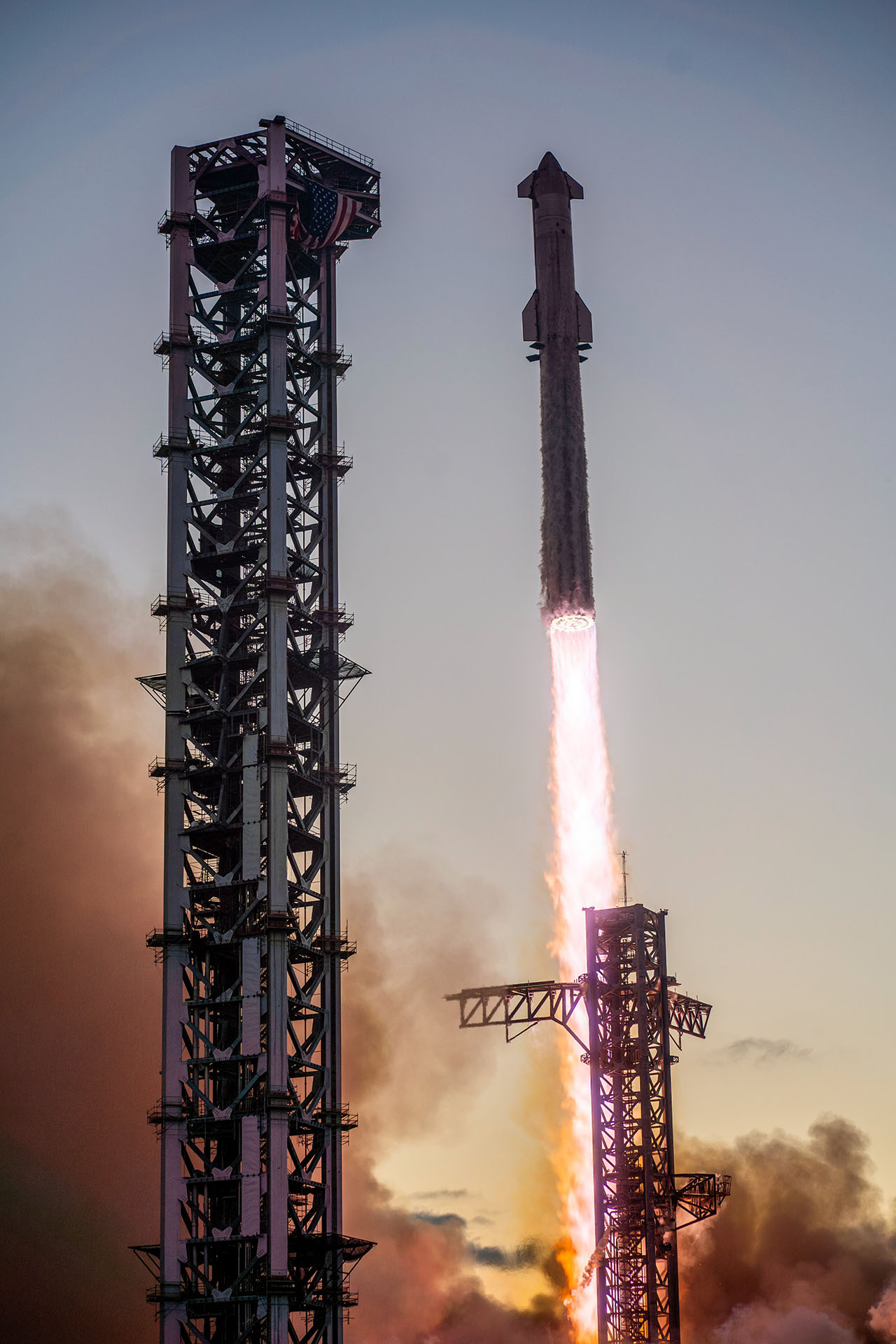
During a Starship launch, a vast array of telemetry data – including engine performance, structural stresses, flight path, and internal systems status – is continuously streamed from the vehicle to ground control. This real-time data flow is critical for monitoring the flight, making instantaneous decisions, and, crucially, for post-flight analysis. Sophisticated data processing and visualization tools allow engineers to immediately interpret complex information. Furthermore, SpaceX leverages advanced streaming technologies and social media platforms to provide unprecedented public access to these events. Live webcasts, often narrated by engineers, bring the complexities of launch operations and the excitement of technological progress directly to a global audience, fostering engagement and transparency. The ability to disseminate such high-volume, low-latency information is a testament to modern communication technologies.
The Broader Implications of Starship for Future Technologies
Starship is not just a vehicle for reaching space; it is a catalyst for new technologies and a blueprint for humanity’s expansion beyond Earth. Its success has profound implications for a multitude of industries and scientific endeavors.
Beyond Earth Orbit: Enabling Lunar and Martian Ambitions
The ultimate goal of Starship is to enable the colonization of Mars and facilitate extensive lunar operations. Its unparalleled payload capacity and reusability are essential for transporting vast quantities of cargo, habitats, and personnel to deep space. Technologies developed for Starship, such as advanced life support systems, in-situ resource utilization (ISRU) concepts (like propellant production on Mars), and robust long-duration spaceflight capabilities, will directly feed into these ambitious goals. Each flight, even an atmospheric test, validates components and systems that will eventually underpin these interplanetary missions, making Flight 6 a step towards humanity becoming a multi-planetary species. The technological leap required for such missions is immense, and Starship is designed to be the primary engine for this leap.
Commercial Applications and Satellite Megaconstellations
While Mars grabs headlines, Starship’s economic potential in Earth orbit is equally transformative. Its ability to deploy massive satellite constellations, potentially hundreds at a time, will revolutionize industries from global internet connectivity to Earth observation. Imagine deploying the next generation of Starlink satellites, weighing tens of tons, in a single launch, or constructing large orbital infrastructures with unprecedented efficiency. This capability will drive demand for smaller, more capable satellites, new orbital deployment mechanisms, and advanced ground infrastructure. The commercial implications extend to space tourism, in-orbit manufacturing, and even point-to-point travel on Earth, all enabled by Starship’s inherent design for high-frequency, low-cost access to space.
The Interplay with AI, Automation, and Advanced Robotics
The operation of Starship, from its factory floor to its flight profile, is heavily reliant on artificial intelligence, automation, and advanced robotics. Autonomous flight control systems manage the complex choreography of engine firings and aerodynamic maneuvers during re-entry and landing. AI-driven predictive maintenance monitors the health of components, ensuring rapid turnaround and identifying potential issues before they cause failures. Robotics play a crucial role in the manufacturing process, particularly in the precise welding and assembly of large stainless steel sections. As Starship evolves, so too will the sophistication of these supporting technologies, pushing the boundaries of AI in safety-critical systems and advanced manufacturing, making each flight a testament to integrated technological advancement.
Following the Trajectory: Accessing Technical Insights and Updates
For those eager to stay abreast of Starship’s technological evolution and the specific timing of Flight 6, understanding where to access reliable information is key. The development process is remarkably transparent, offering a wealth of technical data for those who know where to look.
Official SpaceX Channels and Technical Briefings
The primary source for real-time updates on Starship launches, including the official launch window for Flight 6, is SpaceX’s own website and social media channels (e.g., X, YouTube). These platforms typically host live webcasts of launch attempts, complete with commentary from SpaceX engineers, offering invaluable real-time technical insights into the vehicle’s performance. Post-flight, SpaceX often releases technical data, photos, and sometimes even detailed debriefings that further illuminate the engineering challenges and successes of each mission. Subscribing to these official channels ensures access to the most accurate and timely information.
Independent Aerospace News and Analysis Platforms
Beyond official sources, a vibrant ecosystem of independent aerospace journalists, researchers, and fan communities provides in-depth analysis and technical discussions. Websites like NASASpaceFlight.com, SpaceNews, and Ars Technica’s space section often provide pre-launch technical previews, real-time updates during launch attempts, and comprehensive post-flight analyses. These platforms frequently delve deeper into the engineering nuances, regulatory hurdles, and broader implications of Starship’s progress, often featuring expert commentary and historical context. Engaging with these communities can offer alternative perspectives and a deeper understanding of the complex technological landscape surrounding Starship.
The Iterative Nature of Development and Technical Debriefs
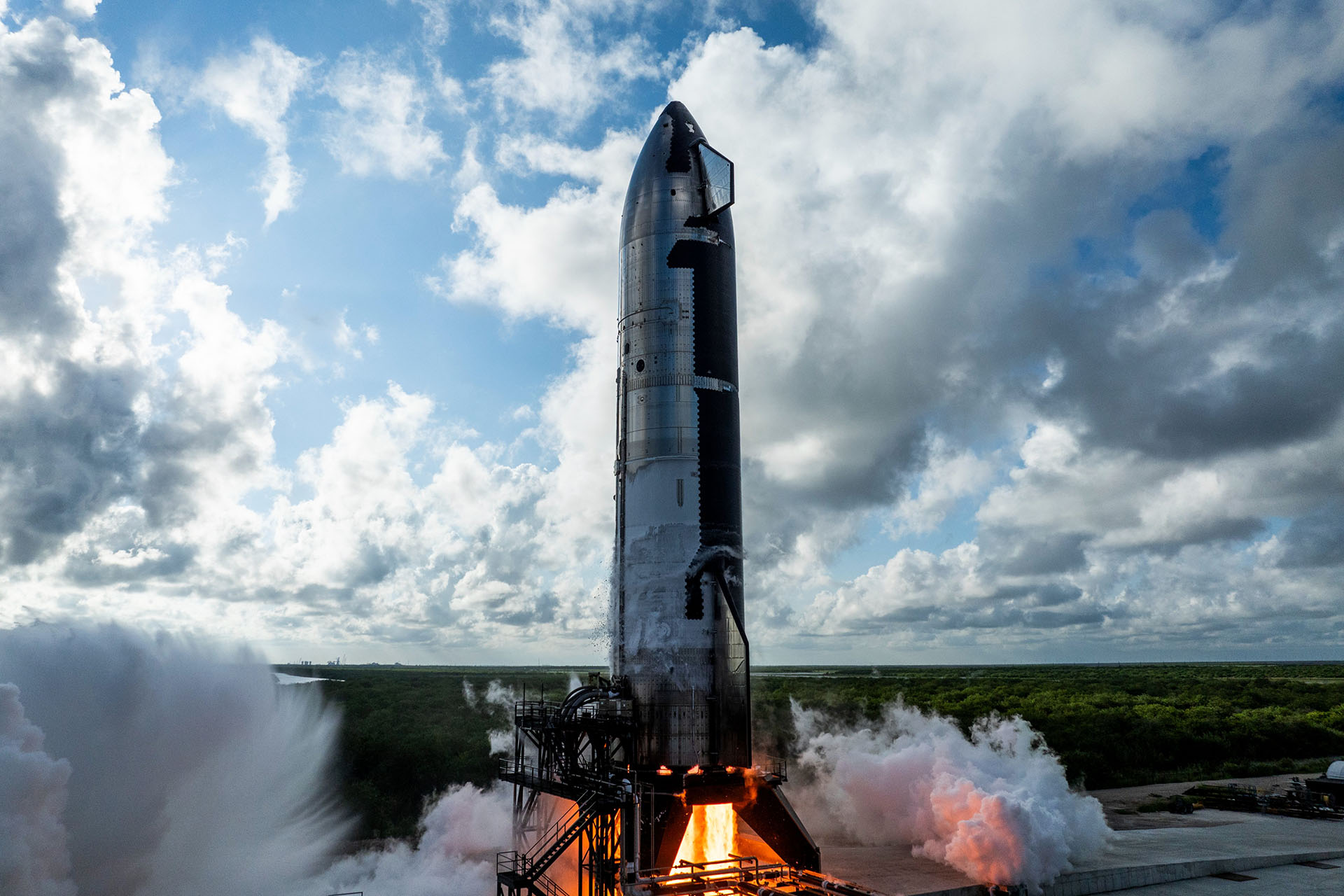
It’s crucial to understand that Starship’s development is an iterative, “build-test-learn” approach. Not every test flight will go perfectly, and even failures provide critical data that inform subsequent design changes and improvements. SpaceX embraces this philosophy, often sharing the lessons learned from anomalies. Following the technical debriefs, whether formal or informal (e.g., statements from Elon Musk), provides a unique window into the engineering problem-solving process. These insights are invaluable for understanding the specific technological advancements and challenges addressed between flights, underscoring the dynamic and evolving nature of this monumental engineering project.
In conclusion, “What time is Starship Flight 6?” is far more than a simple timetable query. It’s an entry point into understanding one of the most significant technological undertakings of our era. Every Starship flight, including the anticipated Flight 6, is a living laboratory, pushing the boundaries of propulsion, materials science, automation, and reusability. It is a testament to human ingenuity, a demonstration of relentless innovation, and a critical step towards realizing a future where humanity is a multi-planetary species, all powered by the relentless march of technological progress.
aViewFromTheCave is a participant in the Amazon Services LLC Associates Program, an affiliate advertising program designed to provide a means for sites to earn advertising fees by advertising and linking to Amazon.com. Amazon, the Amazon logo, AmazonSupply, and the AmazonSupply logo are trademarks of Amazon.com, Inc. or its affiliates. As an Amazon Associate we earn affiliate commissions from qualifying purchases.