
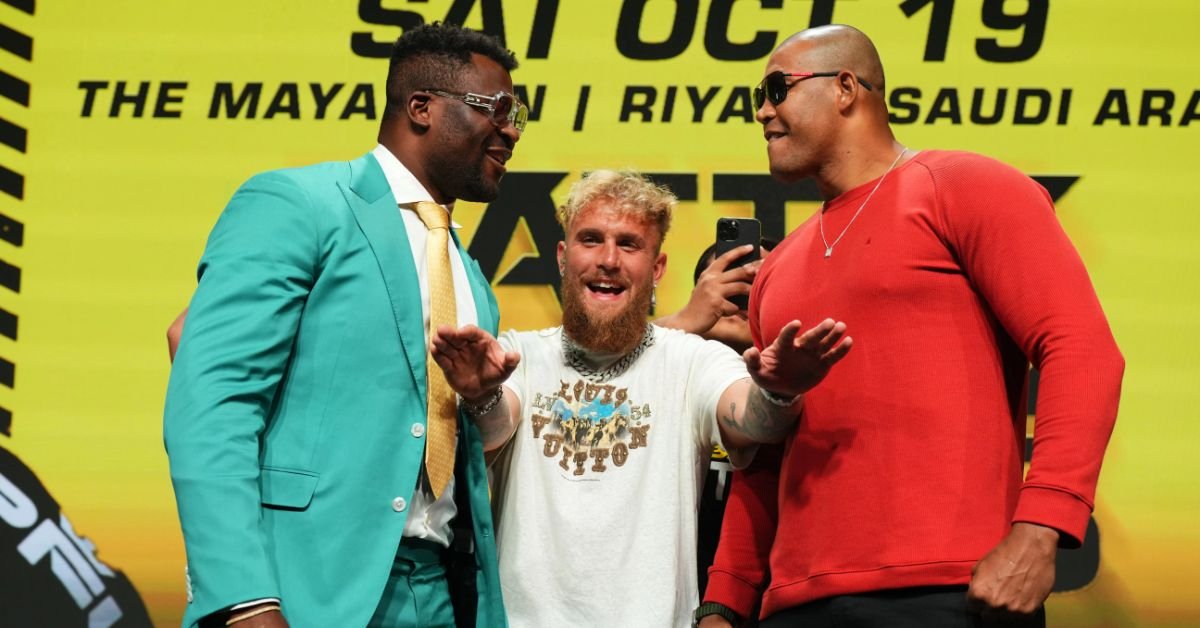
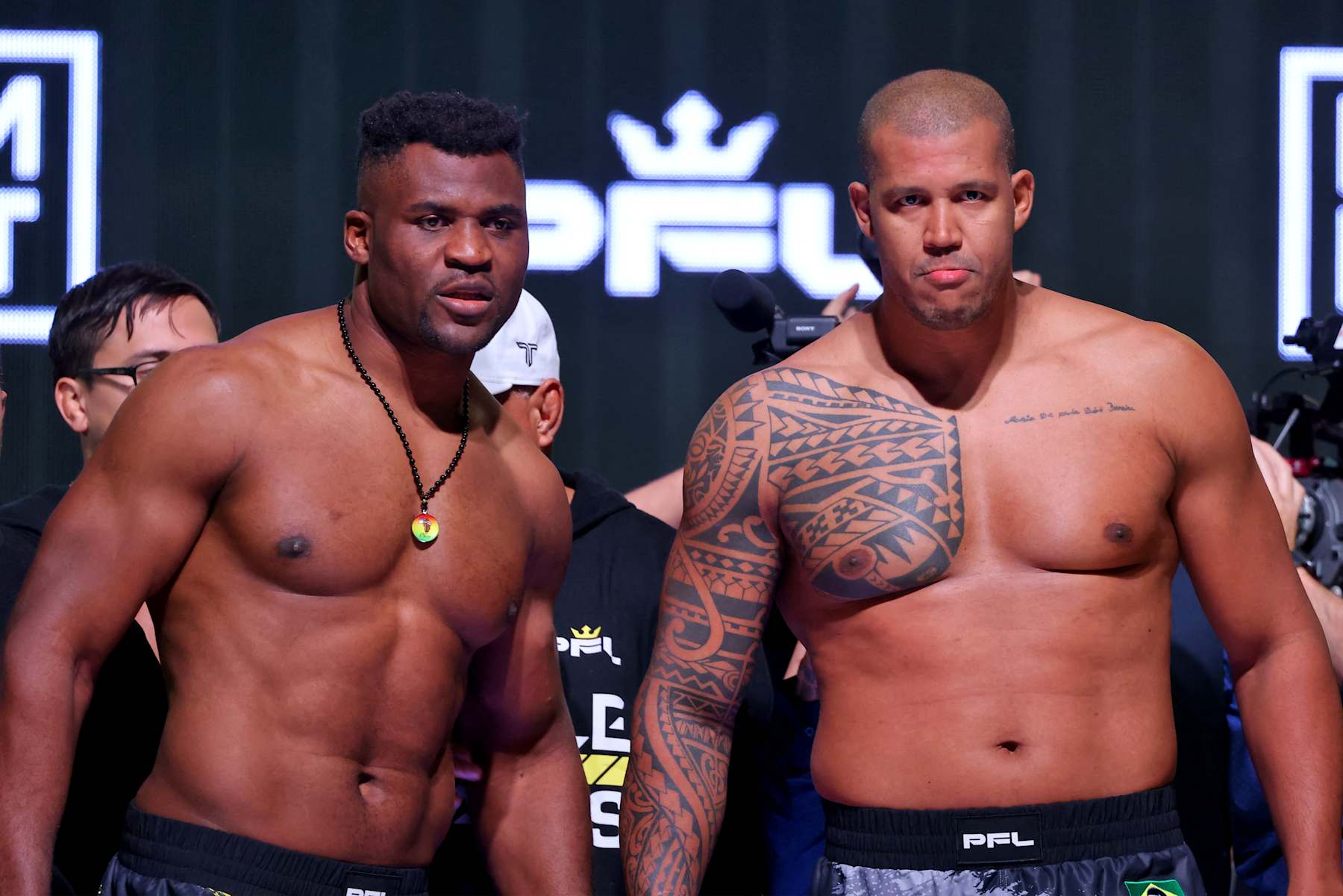
The marquee matchup between Francis Ngannou and Renan Ferreira represents more than just a clash of heavyweights inside the PFL SmartCage; it serves as a masterclass in modern sports branding and the strategic pivot toward influencer-led combat sports. As fans scramble to determine the exact start time for Ngannou v Ferreira, they are participating in a highly orchestrated marketing funnel designed to convert casual viewers into long-term stakeholders of a rising brand ecosystem. Understanding this fight requires looking past the physical spectacle and examining the deliberate corporate identity and brand positioning that turned a former UFC champion into a global promotional entity.

The Architecture of a High-Stakes Personal Brand
Francis Ngannou’s career trajectory is perhaps the most compelling case study in personal branding within the last decade of professional sports. His journey from homelessness in Paris to the apex of the UFC, followed by his tactical departure to secure creative and financial control, has established him as a singular brand that operates independently of traditional promotional gatekeepers.
The Power of the “Independent Agent” Narrative
Ngannou’s brand is built on the pillar of autonomy. By walking away from the restrictive promotional models that define most mixed martial arts organizations, he transformed himself into an “independent agent” of combat sports. This narrative is his primary marketing asset. When the question “what time is Ngannou v Ferreira” trends, it isn’t just about the fight; it’s about the brand equity he has cultivated by demanding a seat at the table. His personal brand is synonymous with negotiation leverage and the democratization of athlete compensation.
Consistency as a Branding Tool
Every social media post, interview, and public appearance Ngannou makes reinforces a core identity: the “Predator” who refuses to be institutionalized. This consistency creates a brand loyalty that transcends sport. Even if his opponent, Renan Ferreira, represents a legitimate athletic threat, the commercial gravity of the event remains centered on Ngannou’s personal brand identity. He has effectively transitioned from an athlete under contract to a brand partner, showing other professional athletes that their personal equity is often more valuable than their promotional backing.
Strategic Marketing: The PFL’s Institutional Rebranding
For the Professional Fighters League (PFL), securing Francis Ngannou was the ultimate branding coup. It was a calculated move to challenge the established duopoly in combat sports by aligning the organization’s identity with that of an industry disruptor.
Leveraging the Influencer-Promoter Model
The PFL realized that in the current media landscape, an organization’s brand is only as strong as the star power it leverages. By pivoting toward an influencer-promoter model—where the fighter has a direct hand in the production and distribution of the content—the PFL has successfully elevated its own corporate identity. The fight against Ferreira is not just a match; it is a flagship product launch for the PFL’s “Super Fight” division. Every piece of marketing collateral surrounding the event is designed to move the PFL away from a niche league and into the mainstream consciousness of the global entertainment industry.
Creating Scarcity and Demand
The meticulous timing of the Ngannou v Ferreira event serves to create “event-based scarcity.” In an era of content saturation, where viewers have infinite options, the PFL utilizes a “Big Tent” strategy. By positioning this fight as a global, singular event, they maximize media coverage and drive high-intent traffic to their digital platforms. When the audience searches for the start time, they are being funneled into a digital ecosystem that emphasizes exclusivity—a key component of any high-end brand strategy.
The Intersection of Content Strategy and Fan Engagement
The obsession with “what time is Ngannou v Ferreira” is not accidental; it is the culmination of a sophisticated digital strategy designed to capture data and maximize engagement. Modern sports organizations no longer rely on traditional broadcasting schedules; they operate as media companies.
Data-Driven Scheduling
The scheduling of this event is determined by algorithmic insights into global viewing habits. The PFL, like other major sports brands, evaluates peak engagement windows across international demographics. This ensures that the branding reaches the widest possible audience during their highest state of receptivity. This is branding disguised as logistics—ensuring that the “brand moment” occurs when the most eyes are on the screen.
Digital Ecosystems and Platform Dominance
The promotion of this fight utilizes a multi-platform digital strategy that ensures brand continuity. From behind-the-scenes content on social media to long-form storytelling through partner outlets, the PFL is embedding the Ngannou narrative into the digital landscape. This strategy ensures that even before the first bell rings, the brand identity of the combatants and the organization is solidified. This is a deliberate design choice; by controlling the narrative across all digital touchpoints, the league prevents the “leaking” of brand equity to outside influencers or rogue media outlets.
The Future of Athlete-Centric Brand Partnerships
The Ngannou v Ferreira bout signals a permanent shift in how athletes interact with their employers. We are witnessing the death of the old guard of monolithic sports organizations and the rise of the fighter as a corporate entity.
Beyond the Ring: The Athlete as a Media Asset
Future fighters will look at the Ngannou blueprint not as an anomaly, but as a standard operating procedure. Brand strategy now dictates that an athlete must manage their public image, their promotional partnerships, and their digital presence as if they were a startup company. The fight against Ferreira is a pilot program for this new reality. If successful, it validates the model of the “Super Fight” as a repeatable brand product that can be sold to global streaming partners independently of traditional fight league structures.
The Role of Corporate Identity in Combat Sports
As this industry continues to evolve, the corporate identity of organizations like the PFL will be defined by their ability to accommodate—rather than dominate—the athlete’s personal brand. A brand that provides the infrastructure for an athlete to amplify their own reach will win the war for talent. Ngannou v Ferreira is a showcase of this symbiotic relationship. The fight is the product, but the brand strategy—the alignment of individual and organizational goals—is the real long-term innovation.
Ultimately, whether you are tuning in to watch the raw athletic contest or to witness the latest iteration of sports entertainment branding, the fight is a reflection of the modern economy. It is a showcase of how digital reach, authentic personal branding, and high-level corporate strategy intersect to capture global attention. The time you start watching isn’t just a matter of convenience; it’s a data point in a vast branding experiment that is redefining the business of professional combat sports for the next generation of athletes and fans alike.
aViewFromTheCave is a participant in the Amazon Services LLC Associates Program, an affiliate advertising program designed to provide a means for sites to earn advertising fees by advertising and linking to Amazon.com. Amazon, the Amazon logo, AmazonSupply, and the AmazonSupply logo are trademarks of Amazon.com, Inc. or its affiliates. As an Amazon Associate we earn affiliate commissions from qualifying purchases.