
For businesses in the logistics and transportation sector, understanding the operational nuances of weigh stations is far more than a mere logistical detail—it’s a critical component of financial strategy. The question “what time do weigh stations close?” might seem straightforward, but its answer carries significant implications for route optimization, fuel efficiency, driver hours of service (HOS) compliance, and ultimately, a company’s profitability. Weigh stations, designed to ensure vehicle weight limits are adhered to, play a pivotal role in preserving road infrastructure and enhancing safety. However, their often-variable operating hours introduce a layer of complexity that, if not properly managed, can translate directly into substantial financial losses, fines, and operational inefficiencies. This article delves into the dynamic nature of weigh station schedules and illuminates their profound financial impact, offering insights into strategic planning and best practices for pecuniary prudence.

The Dynamic Nature of Weigh Station Operations and Financial Risks
The assumption that weigh stations operate on a fixed, predictable schedule is a common misconception that can lead to costly errors for transportation companies. Unlike many commercial establishments, weigh stations often exhibit highly variable operating hours, dictated by a complex interplay of state regulations, staffing levels, traffic volume, and enforcement priorities. This inherent unpredictability introduces a significant element of financial risk that astute businesses must actively manage.
Understanding Variable Operating Schedules
Weigh stations are not monolithic entities with universal operating hours. Their schedules can vary dramatically from state to state, and even within different locations in the same state. Some stations operate 24/7, year-round, particularly on major interstate corridors known for high freight volumes. Others might only open during peak daytime hours, or operate on an intermittent, random basis, perhaps for a few hours in the morning and then again in the afternoon or evening. Factors influencing these schedules include:
-
Staffing Availability: Like any operation, weigh stations require personnel, and staffing shortages can lead to reduced operating hours.
-
Enforcement Priorities: Law enforcement agencies may strategically open and close stations to target specific types of violations or to manage traffic flow effectively.
-
Traffic Volume: Stations on less-traveled routes might operate less frequently than those on high-volume interstate highways.
-
State Budgets and Policies: Funding for weigh station operations directly impacts staffing and operational hours.
-
Randomized Enforcement: Some jurisdictions intentionally vary schedules to prevent carriers from predicting and circumventing inspections, increasing the deterrence factor.
This variability means that a driver cannot simply assume a station is closed because it was closed last week at the same time, or that a station in State A will follow the same schedule as one in State B. The financial risk here is twofold: bypassing an active station can result in severe penalties, while unnecessarily stopping at a closed station wastes precious time and fuel.
The Cost of Non-Compliance: Fines and Penalties
The most direct financial consequence of misjudging weigh station operational hours or failing to comply with regulations is the imposition of fines and penalties. These can be substantial and multifaceted:
-
Bypassing an Open Station: Intentionally or unintentionally bypassing a weigh station when it is open for inspection is a serious offense. Penalties vary by jurisdiction but can include hefty fines, points on a driver’s commercial driver’s license (CDL), and even out-of-service orders for the vehicle or driver. The financial hit from a single bypass incident can quickly erode profit margins for a trip.
-
Overweight Violations: The primary purpose of weigh stations is to detect overweight vehicles. If a truck is found to exceed legal weight limits, the financial repercussions are significant. Fines for overweight violations are often calculated on a per-pound basis over the legal limit, making them incredibly expensive. Beyond the immediate fine, the carrier may be required to offload excess cargo (transloading), leading to further delays, additional labor costs, and potential damage to reputation with the shipper.
-
Other Regulatory Infractions: Weigh stations are not just about weight. They also check for various safety and regulatory compliance issues, including vehicle maintenance, driver HOS, licensing, and permits. Non-compliance in any of these areas can result in fines, vehicle impoundment, or out-of-service orders, all of which have direct and indirect financial costs.
Preventing these financial drains hinges on precise information regarding weigh station status and meticulous adherence to regulations. Proactive measures, rather than reactive damage control, are paramount for maintaining a healthy bottom line.
Avoiding Unnecessary Delays and Detours
Time is money in the transportation industry, and any avoidable delay directly impacts profitability. Misunderstanding weigh station operations can lead to significant financial losses through wasted time and fuel.
-
Unnecessary Stops: If a driver assumes a station is open and pulls in, only to find it closed, the time spent decelerating, maneuvering, and then accelerating back onto the highway represents wasted fuel and lost momentum. While seemingly minor, these micro-inefficiencies accumulate over a fleet and can translate into substantial aggregate costs.
-
Circumventing Open Stations: Conversely, if a driver assumes a station is closed and attempts to bypass it on local roads to avoid potential inspection, but the station is, in fact, open, the financial risk escalates dramatically. Moreover, taking longer, less efficient detours to avoid perceived open stations wastes fuel, increases wear and tear on vehicles, and adds to driver hours without delivering value. These detours can also expose drivers to unfamiliar routes, increasing the risk of accidents or further delays.
-
Missed Delivery Windows: Delays at weigh stations, whether due to actual inspections or confusion over operating status, can cause drivers to miss critical delivery appointments. Missed windows can result in chargebacks, penalties from shippers, damaged customer relationships, and the potential loss of future business—all direct financial impacts.
Effective management of weigh station navigation is therefore not just about compliance, but about optimizing operational flow to protect and enhance financial performance.
Strategic Planning: Optimizing Routes and Budgets
In the highly competitive transportation industry, strategic planning is essential for maximizing profitability and minimizing expenditures. When it comes to weigh stations, this means leveraging technology and meticulous planning to turn a potential bottleneck into a managed part of the operational landscape, directly influencing budget allocation and route efficiency.
Leveraging Technology for Real-Time Information
The days of relying solely on anecdotal evidence or static maps for weigh station information are long gone. Modern technology provides powerful tools that enable carriers to make informed, real-time decisions, transforming weigh station navigation into a strategic advantage.
-
Weigh Station Bypass Programs (e.g., PrePass, Drivewyze): These subscription-based services integrate with transponders or mobile apps to communicate with weigh stations. Based on a carrier’s safety record and vehicle parameters, these systems can grant bypasses, allowing compliant trucks to avoid stopping and waiting for inspection. The financial benefit is immediate: saving minutes per bypass translates into significant fuel savings, reduced driver fatigue, and increased on-time delivery percentages across a fleet over time. The subscription cost is typically a small fraction of the savings gained from avoided stops.
-
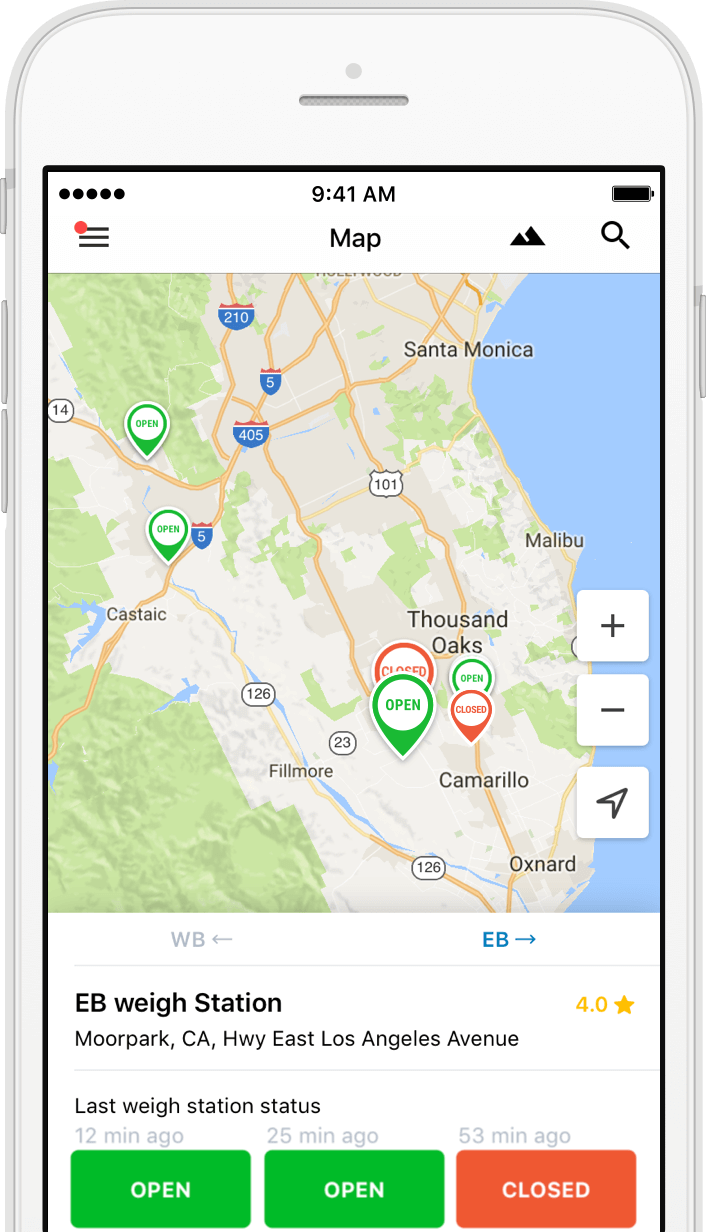
GPS and Fleet Management Systems: Advanced GPS units and telematics systems often include features that display weigh station locations and, in some cases, provide real-time updates on their operational status through crowdsourced data or direct feeds from state DOTs. Integrating this data into a centralized fleet management system allows dispatchers to adjust routes dynamically, providing drivers with the most current information. This minimizes unnecessary stops and ensures drivers are prepared for active stations.
-
State DOT Websites and Apps: Many state Departments of Transportation (DOTs) offer dedicated websites or mobile applications that provide live updates on road conditions, traffic, and weigh station operational status. Incorporating these resources into pre-trip planning and in-route monitoring is a low-cost, high-impact strategy for obtaining accurate information.
Investing in these technologies is not merely a convenience; it’s a strategic financial decision that pays dividends in operational efficiency, reduced costs, and improved regulatory compliance.
The Impact on Driver Hours of Service (HOS) and Payroll
Driver Hours of Service (HOS) regulations are stringent and designed for safety, but they also have profound financial implications. Unplanned stops or delays at weigh stations can directly impact a driver’s available HOS, leading to increased costs and compliance risks.
-
HOS Consumption: Every minute a driver spends at a weigh station, whether waiting in line, undergoing inspection, or managing an issue, counts against their available on-duty time. This can lead to situations where a driver exhausts their HOS before reaching their destination, necessitating an unplanned stop for rest. Such unforeseen delays can add days to a trip, incurring additional payroll costs, per diem expenses, and potentially late delivery penalties.
-
Overtime Costs: If delays push a driver beyond their standard working hours, the company incurs overtime pay, which significantly inflates labor costs. Effective management of weigh station interactions helps minimize these occurrences by allowing drivers to maintain their planned schedule.
-
Compliance Fines: Violating HOS regulations due to poor planning around weigh stations can result in substantial fines for both the driver and the carrier. Furthermore, repeated violations can lead to an unfavorable safety rating, increasing insurance premiums and attracting more frequent roadside inspections, creating a vicious cycle of financial strain.
Optimizing weigh station navigation helps preserve valuable HOS, ensuring drivers can complete their routes efficiently and legally, thereby controlling payroll costs and avoiding HOS-related fines.
Fuel Efficiency and Route Optimization
Fuel is often the second-highest operating expense for trucking companies, after labor. Strategies that enhance fuel efficiency and optimize routes directly translate into significant financial savings, and weigh station planning plays a crucial role in this.
-
Minimizing Idling Time: Waiting in long lines at weigh stations means trucks are idling, consuming fuel without moving freight. Understanding when stations are busiest or leveraging bypass programs drastically reduces this unproductive fuel consumption.
-
Optimized Acceleration and Braking: Every stop and start consumes more fuel than maintaining a consistent speed. By knowing which stations are active, drivers can adjust their driving style to minimize unnecessary braking and acceleration, especially when a bypass is expected.
-
Strategic Detours (When Necessary and Planned): While generally advised against spontaneous detours, there are instances where a planned and authorized alternate route around a persistently busy or known problem weigh station might be more fuel-efficient and time-effective. This requires advance knowledge of station operations and a thorough route analysis.
-
Reduced Miles Driven: Effective route planning that considers weigh station activity can help avoid unnecessary detours or inefficient paths, directly reducing total miles driven per trip and thus lowering fuel expenditure and vehicle wear-and-tear costs.
By integrating real-time weigh station data into route planning, companies can achieve measurable improvements in fuel efficiency, leading to substantial savings across their fleet.
Beyond the Clock: Weigh Stations as Financial Gatekeepers

While the primary financial concern around weigh stations often revolves around their operational hours and the immediate costs of compliance or non-compliance, their role extends far beyond simply timing. Weigh stations act as crucial financial gatekeepers, influencing the industry’s long-term economic health, competitive landscape, and overall operational integrity.
Protecting Infrastructure, Protecting Your Bottom Line
The fundamental purpose of weigh stations is to enforce legal weight limits for commercial vehicles. This isn’t just a bureaucratic exercise; it’s vital for protecting public infrastructure.
-
Reduced Road Damage: Overweight trucks significantly accelerate the deterioration of roads, bridges, and highways. When infrastructure is damaged, the cost of repair and maintenance falls to taxpayers and, indirectly, to the transportation industry through various taxes and fees (e.g., fuel taxes, registration fees). By enforcing weight limits, weigh stations help mitigate this damage, potentially reducing future financial burdens on the industry.
-
Long-Term Cost Savings: A well-maintained infrastructure system reduces operational costs for carriers. Smoother roads mean less wear and tear on tires, suspension systems, and other vehicle components, leading to lower maintenance expenses and fewer breakdowns. Therefore, while weigh stations might seem like an immediate cost or inconvenience, their long-term financial benefit to the industry through infrastructure preservation is substantial.
In essence, weigh stations ensure that the industry pays its fair share in terms of road usage, preventing a “tragedy of the commons” scenario where overloading by a few could disproportionately burden many.
Fair Competition and Market Integrity
In a highly competitive market, the presence and enforcement of weigh stations ensure a level playing field, which is crucial for market integrity and the financial health of responsible carriers.
-
Preventing Unfair Advantages: Without weight enforcement, unscrupulous carriers might overload their trucks to transport more cargo per trip, gaining an unfair cost advantage over compliant competitors. This practice not only jeopardizes safety and infrastructure but also distorts market pricing and pressures legitimate businesses.
-
Promoting Ethical Business Practices: Weigh stations incentivize carriers to operate legally and ethically. Businesses that consistently adhere to regulations build better safety records, which can translate into lower insurance premiums, preferred status with shippers, and a stronger brand reputation—all positive financial outcomes.
-
Protecting Industry Reputation: A reputation for widespread non-compliance due to lack of enforcement can harm the entire transportation industry, potentially leading to increased regulatory scrutiny and public distrust. Weigh stations help maintain a professional image, which ultimately supports the long-term financial viability of the sector.
By enforcing fair competition, weigh stations protect the financial interests of compliant businesses and uphold the integrity of the transportation market.
Data-Driven Financial Insights
The data collected at weigh stations, even if not directly related to closing times, provides invaluable insights that can inform financial decisions, policy development, and future investments within the industry.
-
Understanding Freight Flows: Aggregated data on vehicle types, weights, and origins/destinations can help identify key freight corridors, peak travel times, and commodity flows. This information is crucial for logistics planning, identifying new market opportunities, and making strategic investments in fleet expansion or technology.
-
Informing Policy and Investment: Data on compliance rates, common violations, and infrastructure usage can guide policymakers in developing more effective regulations, allocating funds for road improvements, or investing in new weigh station technologies. These macro-level decisions ultimately impact the financial operating environment for all carriers.
-
Benchmarking and Performance Analysis: Companies can use anonymized industry data to benchmark their own compliance rates, operational efficiency, and financial performance against competitors, identifying areas for improvement and strategic investment.
While often viewed from an enforcement perspective, the data-gathering function of weigh stations serves a broader financial intelligence role that benefits the entire transportation ecosystem.
Best Practices for Financial Prudence in Weigh Station Navigation
Navigating the complexities of weigh station operations requires a proactive and strategic approach. Adopting best practices focused on information, technology, and training can significantly mitigate financial risks and optimize operational efficiency for transportation businesses.
Proactive Research and Trip Planning
The most fundamental best practice is to never assume. Before embarking on any trip, especially those crossing state lines, thorough research and meticulous trip planning are essential.
-
State DOT Resources: Regularly consult state Department of Transportation (DOT) websites, which often provide real-time updates on weigh station status, road closures, and traffic conditions. Some states also offer dedicated apps.
-
Online Forums and Communities: Leverage trucking-specific online forums and social media groups where drivers often share real-time observations about weigh station activity. While not official, these can offer valuable anecdotal insights.
-
Dispatch Communication: Ensure dispatchers are equipped with the latest information and can communicate it effectively to drivers, integrating weigh station status into their route guidance.
This proactive approach minimizes surprises, allowing for timely adjustments and reducing the financial impact of unexpected stops or detours.
Investing in Compliance Technology
As highlighted earlier, weigh station bypass systems and advanced fleet management software are not expenses but rather strategic investments that yield significant financial returns.
-
Weigh Station Bypass Services: Programs like PrePass and Drivewyze pay for themselves many times over by saving fuel, driver time, and reducing the risk of fines. Evaluate these services based on fleet size, typical routes, and potential savings.
-
Telematics and ELD Integration: Modern electronic logging devices (ELDs) and telematics systems can integrate with real-time weigh station data, providing drivers with instant notifications and helping fleet managers monitor compliance and route efficiency from a central dashboard.
-
Automated Weight Monitoring: For companies transporting bulk or highly variable loads, investing in on-board scales or automated weight monitoring systems can prevent overweight violations before a truck even leaves the yard, saving thousands in potential fines and re-handling costs.
These technological solutions automate compliance, enhance efficiency, and provide a quantifiable return on investment.
Driver Training and Awareness
Even the most sophisticated technology is only as effective as the people using it. Investing in comprehensive driver training regarding weigh station protocols and the financial implications of non-compliance is crucial.
-
HOS and Compliance Training: Drivers must fully understand HOS rules, weight limits, and the specific requirements for different types of cargo. They should be aware of the penalties associated with violations, not just for the company, but for their own CDL.
-
Technology Utilization: Train drivers on how to effectively use bypass apps, GPS features, and communication tools to stay informed about weigh station status.
-
Pre-Trip Inspection Emphasis: Reinforce the importance of thorough pre-trip inspections to identify potential mechanical issues or unsecured loads that could lead to an inspection failure and associated financial penalties.
-
Decision-Making Skills: Empower drivers to make informed decisions when faced with ambiguous weigh station situations, knowing when to stop, when to seek clarification, and how to communicate effectively with dispatch.
A well-trained and financially aware driver workforce is a company’s strongest asset in navigating weigh station challenges.
Maintaining Vehicle Compliance
The most effective way to minimize financial exposure at weigh stations is to ensure vehicles are always in full compliance with all regulations, regardless of whether a station is open or closed.
-
Regular Maintenance Schedules: Adhering to strict preventative maintenance schedules reduces the likelihood of mechanical issues that could lead to out-of-service orders.
-
Proper Loading Techniques: Educate and enforce proper loading and securement techniques to prevent shifting loads and ensure legal weight distribution across axles.
-
Permit and Documentation Verification: Ensure all necessary permits, licenses, and documentation are current, accessible, and correctly displayed for each vehicle and driver.
Fundamental vehicle compliance acts as a robust defense against costly violations, ensuring that when a truck does encounter an active weigh station, it is prepared for a smooth and efficient passage.
Conclusion
The seemingly simple question, “what time do weigh stations close?” unravels a complex web of financial implications for the transportation industry. The dynamic nature of weigh station operations directly impacts a company’s bottom line through potential fines, wasted time, increased fuel consumption, and HOS compliance challenges. However, by embracing strategic planning, leveraging cutting-edge technology for real-time information, investing in comprehensive driver training, and maintaining an unwavering commitment to vehicle compliance, businesses can transform these potential financial drains into opportunities for optimized operations and enhanced profitability. Weigh stations are not merely regulatory checkpoints; they are financial gatekeepers that, when understood and managed prudently, play a vital role in ensuring a competitive, efficient, and ultimately more profitable future for the entire logistics sector. Understanding their rhythm is not just about compliance; it’s about mastering the economics of movement.
aViewFromTheCave is a participant in the Amazon Services LLC Associates Program, an affiliate advertising program designed to provide a means for sites to earn advertising fees by advertising and linking to Amazon.com. Amazon, the Amazon logo, AmazonSupply, and the AmazonSupply logo are trademarks of Amazon.com, Inc. or its affiliates. As an Amazon Associate we earn affiliate commissions from qualifying purchases.