
In the rapidly evolving landscape of global healthcare, the intersection of medical science and advanced technology has become the primary driver of progress. At the center of this intersection stands Optum. While many recognize the name through their pharmacy benefits or healthcare provider networks, Optum is fundamentally a technology-led health services business. As a subsidiary of UnitedHealth Group, Optum serves as the digital and analytical engine designed to modernize how healthcare is delivered, managed, and processed.
To understand what Optum is through a technological lens, one must look past the physical clinics and pharmacies. Instead, we must look at the massive data pipelines, sophisticated artificial intelligence (AI) models, and integrated software platforms that power the health system for millions of people worldwide. Optum represents the “tech-ification” of medicine, transforming a traditionally fragmented industry into a data-driven, interconnected ecosystem.

The Architectural Blueprint of Optum’s Health-Tech Ecosystem
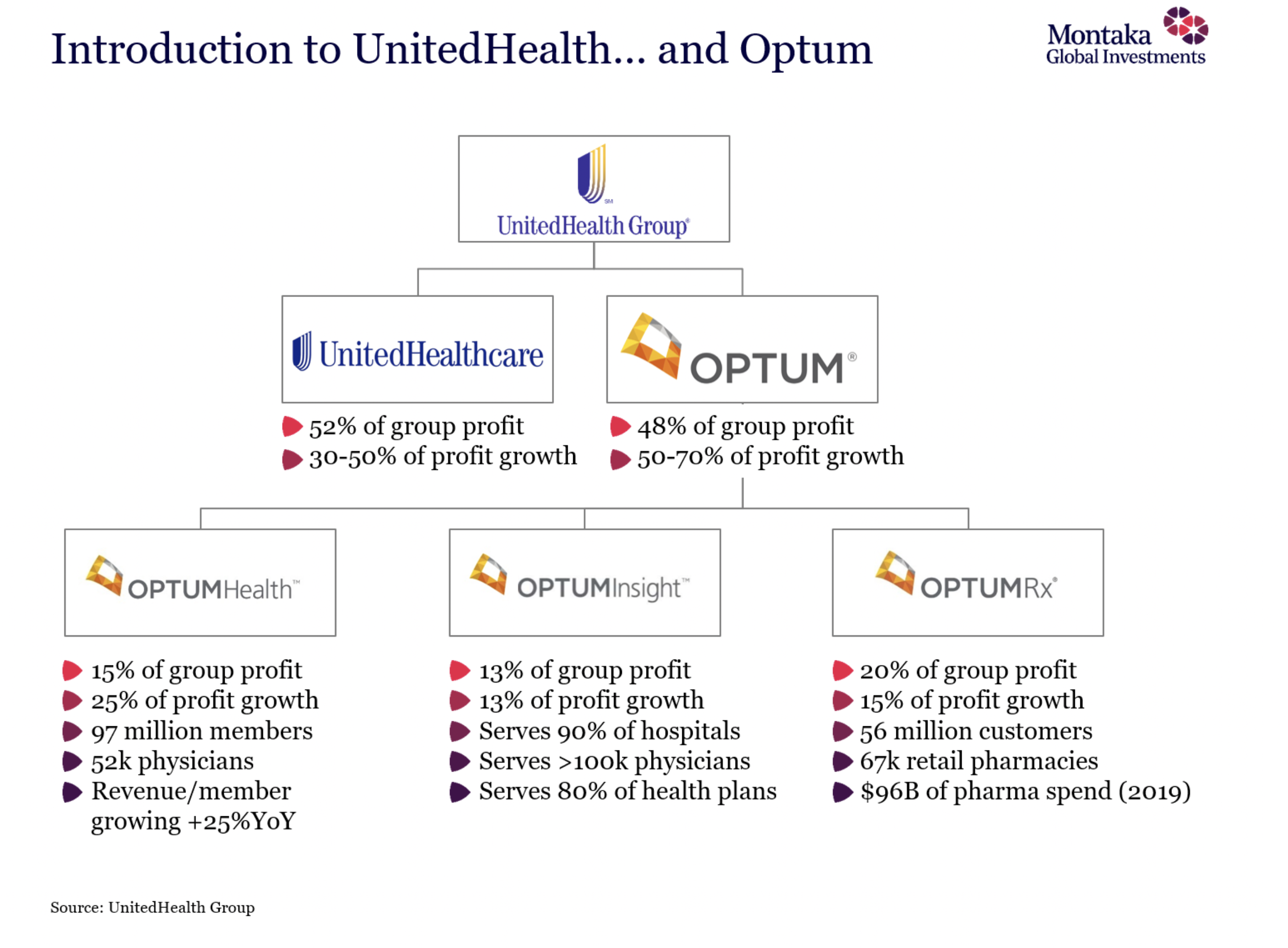
Optum’s operations are divided into three primary segments: Optum Health, Optum Rx, and Optum Insight. From a technological perspective, Optum Insight is the most critical, acting as the software and data analytics arm that services hospitals, physicians, health plans, and government agencies.
Optum Insight: The Engine of Big Data and Analytics
The healthcare industry generates an astronomical amount of data—from electronic health records (EHRs) and insurance claims to wearable device metrics and genomic sequencing. The challenge has never been a lack of data; it has been the inability to interpret it. Optum Insight utilizes proprietary software to ingest these disparate data sets and normalize them. By creating a unified data language, Optum allows different parts of the healthcare system to communicate. This is the cornerstone of “interoperability,” a tech trend aimed at ensuring a patient’s medical history follows them seamlessly from a primary care doctor to a specialist and eventually to a hospital.
Cloud Computing and Scalable Infrastructure
Managing the health data of over 120 million individual consumers requires an infrastructure that is both massive and agile. Optum has invested heavily in cloud-based architectures to replace legacy on-premise servers. This transition to the cloud allows for real-time data processing, enabling healthcare providers to receive alerts about patient risks the moment data is updated. By leveraging scalable cloud environments, Optum provides the “backbone” that allows smaller medical practices to access enterprise-level computing power without the massive overhead costs of traditional IT.
Transforming Patient Care Through AI and Machine Learning
In the world of technology, Artificial Intelligence (AI) is often a buzzword, but within Optum’s framework, it is a functional tool used to solve specific clinical and administrative problems. Optum’s use of Machine Learning (ML) focuses on two key areas: predictive analytics and the reduction of the “administrative burden” that often leads to physician burnout.
Predictive Analytics for Population Health
One of the most significant tech trends in healthcare is the shift from reactive to proactive care. Optum’s AI algorithms analyze historical health data to identify patterns that precede chronic illnesses. For example, by analyzing blood sugar trends, lifestyle data, and pharmacy adherence, Optum’s predictive models can flag individuals at high risk for developing Type 2 diabetes or heart failure months before a clinical diagnosis occurs. This “predictive modeling” allows for early intervention, which is more cost-effective and significantly improves patient longevity.
Natural Language Processing and Documentation
Physicians spend a disproportionate amount of their time documenting patient visits, often typing into a computer rather than engaging with the person in front of them. Optum utilizes Natural Language Processing (NLP)—a branch of AI that understands human speech and text—to automate this process. Their software can “listen” to a clinical encounter or scan handwritten notes, extracting the relevant medical codes and clinical summaries automatically. This application of AI not only improves the accuracy of medical records but also leverages technology to return the focus of medicine to human interaction.
Digital Health Solutions and Consumer-Facing Software
As technology becomes more consumer-centric, Optum has shifted its focus toward the “Digital Front Door.” This concept refers to the suite of apps and web platforms that serve as the primary point of contact between a patient and the healthcare system.
Virtual Care Platforms and Telehealth Innovation
The global shift toward telehealth was accelerated by the pandemic, but Optum has solidified it as a permanent technological fixture. Their virtual care platforms are not merely video conferencing tools; they are integrated diagnostic environments. These platforms allow doctors to view a patient’s full medical history, order prescriptions through Optum Rx, and schedule follow-up lab work within a single interface. The goal is to create a frictionless user experience (UX) that rivals the ease of online banking or e-commerce.
The Optum App: Centralizing the Patient Experience
Centralization is a major theme in modern software development, and the Optum App is a prime example. For the user, the app serves as a centralized hub where they can track their Health Savings Account (HSA) balances, manage prescriptions, find local doctors, and view their insurance claims. By integrating financial tools with clinical data, Optum uses software to demystify the complexities of the healthcare journey. This “super-app” approach is a significant trend in the tech industry, where the goal is to provide maximum utility within a single ecosystem to drive user engagement and loyalty.
Cybersecurity and Data Integrity in Large-Scale Health Systems
With the digitization of healthcare comes the immense responsibility of digital security. Health data is among the most sensitive information in existence, making it a high-value target for cyber-attacks. Optum’s role as a tech leader necessitates a robust cybersecurity posture that goes beyond standard encryption.
Protecting Sensitive Health Information (PHI)
Optum employs advanced cybersecurity frameworks to protect Protected Health Information (PHI). This includes the use of “zero-trust” architecture, where every user and device attempting to access the network must be continuously verified. Furthermore, they utilize automated threat detection systems that use AI to monitor network traffic for anomalies. If a pattern of data access appears unusual—such as a massive download of records at an odd hour—the system can automatically quarantine the affected segment of the network to prevent a data breach.
Compliance and Regulatory Technology (RegTech)
The healthcare industry is governed by strict regulations, such as HIPAA in the United States. Staying compliant across different regions and changing laws is a massive undertaking. Optum develops “RegTech” (Regulatory Technology) solutions that automate compliance monitoring. Their software ensures that data is shared only with authorized parties and that audit trails are automatically generated for every interaction. This automation reduces the risk of human error and ensures that the technological advancements in data sharing do not come at the cost of legal or ethical standards.
The Future of Health-Tech: Optum’s Roadmap
Looking forward, Optum’s trajectory suggests a deeper integration of emerging technologies like the Internet of Medical Things (IoMT) and blockchain. The goal is to create a truly “intelligent” health system.
In the near future, we can expect Optum to further integrate wearable technology data directly into clinical workflows. Imagine a world where your smartwatch detects a heart arrhythmia and automatically triggers an AI review within Optum’s system, which then schedules a virtual consultation with a cardiologist before you even feel a symptom. This is the promise of the IoMT, and Optum is currently building the software bridges to make it a reality.
Furthermore, the exploration of blockchain technology for secure, decentralized medical records remains a potential frontier. By allowing patients to “own” their data on a secure ledger, Optum could solve the age-old problem of data fragmentation while enhancing security.
In conclusion, “What is Optum?” is a question with a multi-layered answer. While it operates in the healthcare space, it functions as a technology company. Through its massive investments in big data, AI, consumer software, and cybersecurity, Optum is not just participating in the healthcare market—it is rewriting the digital rules of the industry. It stands as a testament to how technology can be harnessed to organize the world’s health information and make it universally accessible and useful for better human outcomes.
aViewFromTheCave is a participant in the Amazon Services LLC Associates Program, an affiliate advertising program designed to provide a means for sites to earn advertising fees by advertising and linking to Amazon.com. Amazon, the Amazon logo, AmazonSupply, and the AmazonSupply logo are trademarks of Amazon.com, Inc. or its affiliates. As an Amazon Associate we earn affiliate commissions from qualifying purchases.