
The question of “what time did Neil Armstrong land on the moon?” appears, on the surface, to be a simple query demanding a specific historical datapoint. Yet, beneath this seemingly straightforward question lies a profound narrative of technological prowess, meticulous planning, and an unparalleled demonstration of human ingenuity. The precise moment of touchdown was not merely a point on a clock but the culmination of millions of hours of scientific research, engineering development, and computational breakthroughs that collectively represented the pinnacle of 20th-century technology. Understanding this time is to understand the technological ecosystem that enabled humanity to take its first extraterrestrial steps.

On July 20, 1969, at precisely 20:17:40 Coordinated Universal Time (UTC), the Lunar Module Eagle, piloted by Neil Armstrong and Buzz Aldrin, gently touched down on the lunar surface. For those in the Eastern Daylight Time (EDT) zone in the United States, where NASA’s Mission Control Center was located, this moment occurred at 4:17:40 PM EDT. This critical juncture marked not just a historical first but the successful execution of an extraordinarily complex technological ballet performed millions of miles away from Earth.
The Precise Moment: More Than Just a Clock Reading
The exact time of the moon landing is more than a historical footnote; it’s a testament to the staggering levels of precision required for space exploration and the technological infrastructure built to achieve it. Pinpointing this moment demanded sophisticated tracking, communication, and navigation systems, each representing a frontier of technological advancement.
A Historical Datapoint: Pinpointing the Exact Time and Its Significance
The precise second of touchdown was meticulously recorded and verified by a vast network of instruments and human observers. This precision was crucial for multiple reasons. Firstly, it allowed for the accurate correlation of telemetry data, providing engineers with invaluable information on the craft’s performance during the most critical phase of the mission. Every flicker of data – engine thrust, fuel consumption, altitude, descent rate – was time-stamped, enabling post-mission analysis that would inform future space endeavors. Secondly, it provided an unchallengeable record of humanity’s achievement, a verified marker in the annals of history that underscored the scientific rigor and empirical evidence at the heart of the space program. This level of precise timing was a direct byproduct of the advanced clock synchronization and data logging technologies developed for the Apollo program.
Coordinating Global Observation: The Role of Technology in Broadcasting and Tracking
The moon landing was a global event, watched by an estimated 600 million people worldwide. The coordination required to broadcast this event live, across continents and through the vacuum of space, was a technological feat in itself. Ground stations equipped with massive parabolic antennas, like those in Goldstone, California; Honeysuckle Creek, Australia; and Fresnedillas de la Oliva, Spain, were strategically positioned around the globe. These stations, equipped with cutting-edge radio receivers and signal processing units, tracked the Apollo spacecraft and relayed its signals back to Earth. The “time” of the landing was therefore not just recorded locally at Mission Control but observed almost simultaneously across the world, thanks to a robust, interconnected telecommunication network that was pioneering for its era. Satellite communication, though nascent, played a role in distributing these signals, transforming a scientific milestone into a shared human experience.
The Lunar Module’s Descent: A Technological Ballet Against the Clock
The final descent of the Lunar Module (LM) Eagle, lasting approximately 12 minutes, was a high-stakes, real-time technological challenge. Armstrong and Aldrin were relying on an intricate interplay of radar, inertial guidance systems, and visual cues, all integrated through the LM’s onboard computer. The timing of each burn, each attitude adjustment, was critical. Too early, too late, too much, too little – any deviation could have catastrophic consequences. The “clock” was a vital interface, displaying remaining fuel, descent rate, and altitude, allowing the astronauts to make split-second decisions based on technological readouts and their expert piloting skills. The successful landing at 20:17:40 UTC was a direct outcome of the flawless operation of these complex, interconnected systems under immense pressure.
The Technological Marvels Behind Apollo 11’s Timing
The ability to land a spacecraft on the moon at a precisely predicted time was not magic; it was the result of a concerted, multi-decade effort to push the boundaries of technology in multiple domains.
Guidance and Navigation Systems: The Computers and Algorithms That Steered Eagle
At the heart of Apollo 11’s precision timing was its advanced guidance and navigation system. This system comprised the Inertial Measurement Unit (IMU), which sensed the spacecraft’s orientation and acceleration, and the star-sighting sextant, which allowed astronauts to fix their position in space by observing celestial bodies. All of this data fed into the Apollo Guidance Computer (AGC). The AGC, a groundbreaking digital computer, ran complex algorithms to calculate the spacecraft’s trajectory, predict its future position, and issue commands for course corrections. Its ability to perform real-time computations for navigation and control was revolutionary, ensuring that the spacecraft arrived at its lunar destination not just in the right place, but at the right time.
Communication Networks: Keeping Mission Control Connected to the Moon
Maintaining constant, reliable communication with a spacecraft millions of miles away was paramount. The Deep Space Network (DSN), operated by NASA’s Jet Propulsion Laboratory (JPL), was the technological backbone. Comprising massive dish antennas located in geographically dispersed sites, the DSN allowed for continuous tracking and two-way communication. These antennas not only received telemetry and voice communications from Apollo 11 but also transmitted commands and updated navigational data. The precision of the landing’s timing was also contingent on the accuracy of time synchronization across this global network, ensuring that data received from the spacecraft could be accurately correlated with events on Earth and vice-versa. This established a precedent for global real-time data exchange that influences modern satellite communication and internet infrastructure.
Propulsion and Control Systems: The Engines That Enabled Precise Maneuvers
The S-IVB third stage of the Saturn V rocket, which propelled Apollo 11 towards the moon, and particularly the Lunar Module’s Descent Propulsion System (DPS) and Ascent Propulsion System (APS), were feats of propulsion engineering. The DPS, in particular, was critical for the controlled descent. It was designed to be throttleable, allowing the astronauts and the AGC to precisely adjust thrust during the landing phase. This variable thrust capability, coupled with sophisticated reaction control system (RCS) thrusters for attitude adjustments, gave the astronauts fine control over their trajectory and descent rate, enabling them to hit their target landing zone at the precise moment required. The development of such reliable, controllable rocket engines under extreme conditions was a monumental technological achievement.
The Computing Power That Made It Possible
The Apollo program was arguably the single greatest catalyst for advancements in computing technology in the 1960s. The dream of a moon landing was intrinsically linked to the burgeoning field of digital computation.
The Apollo Guidance Computer (AGC): Its Capabilities and Limitations
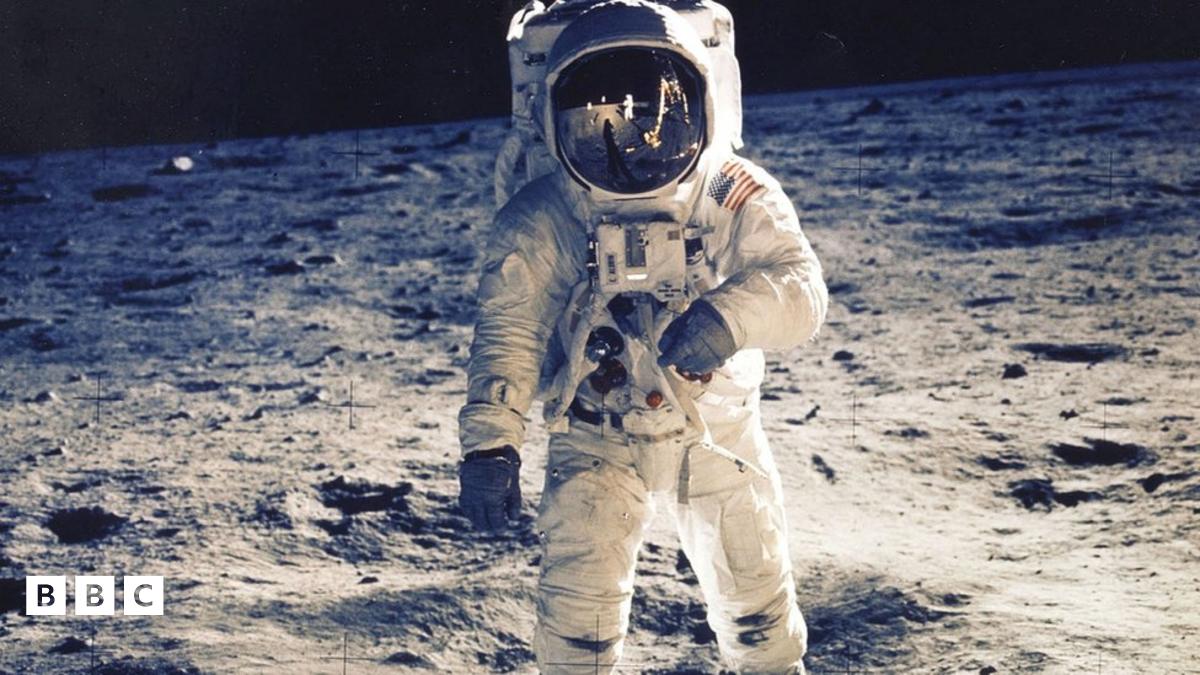
The Apollo Guidance Computer (AGC) was a true pioneer. Designed by MIT’s Instrumentation Laboratory, it was one of the first computers to use integrated circuits, drastically reducing its size and power consumption compared to earlier transistor-based machines. Despite its humble specifications by today’s standards (2048 words of RAM, 36,864 words of ROM), the AGC performed complex computations for navigation, guidance, and control in real-time. Its robust and fault-tolerant architecture was essential for the mission’s success, even famously handling program alarms during the landing by prioritizing critical tasks—a precursor to modern operating system design. The AGC’s limitations also forced innovative solutions, such as reliance on efficient coding and the expertise of ground control, highlighting the symbiotic relationship between hardware and human intelligence.
Software Engineering for Space: The Pioneering Code That Powered the Mission
Equally important was the software that ran on the AGC, primarily developed by Margaret Hamilton’s team at MIT. This was arguably the birth of modern software engineering. They had to invent new paradigms for creating, testing, and verifying software for critical, real-time systems. The code was “woven” into “rope memory” by hand, a painstakingly precise process that ensured its immutability and reliability. The software for Apollo 11 was designed with redundancy and error handling in mind, features now standard in safety-critical systems. The techniques and methodologies developed for Apollo software had a profound impact on subsequent software development across various industries, from aviation to medical devices.
Ground Control’s Computational Backing: Real-Time Data Processing and Decision-Making
While the AGC handled onboard calculations, a vast array of larger, more powerful mainframe computers at Mission Control in Houston provided critical computational backing. These ground computers processed telemetry data from the spacecraft, performed trajectory analysis, simulated scenarios, and continuously updated flight plans. Teams of flight controllers, supported by these advanced systems, monitored every aspect of the mission in real-time, ready to intervene with advice or commands. This distributed computing model, with powerful ground-based systems supporting limited onboard processors, was a highly effective technological architecture for the era and laid the groundwork for modern cloud-based computing and remote operations.
The Legacy: How Apollo’s Timing Paved the Way for Modern Tech
The precise timing of Neil Armstrong’s moon landing was not just an end in itself but a demonstration of technologies that would fundamentally reshape the modern world. The drive to achieve this exact moment catalyzed innovations whose echoes are felt in our daily lives.
Miniaturization and Reliability: Lessons Learned from Space Hardware
The need for compact, lightweight, and incredibly reliable components for space travel directly spurred advancements in integrated circuits. The AGC, with its hundreds of ICs, was a prime example. This relentless pursuit of miniaturization and extreme reliability laid the groundwork for the microchip revolution, which in turn powered personal computers, smartphones, and the internet. The stringent testing and quality control processes developed for Apollo hardware became industry standards, significantly improving the dependability of electronic devices across the board.
Software Development Paradigms: Foundations for Modern Programming
The challenges of writing and managing complex software for the Apollo missions led to foundational concepts in software engineering. Modular programming, real-time operating systems, error handling, and robust testing methodologies—all critical for ensuring the precise timing and success of the landing—were pioneered or significantly advanced during this era. These paradigms are now integral to virtually all modern software development, from enterprise applications to embedded systems.
From Lunar Landing to Everyday Devices: GPS, Digital Cameras, and Beyond
Many technologies we take for granted today have roots in the Apollo program. GPS, for example, relies on highly accurate atomic clocks and precise orbital mechanics, concepts perfected during the space race. Digital imaging, crucial for transmitting pictures from the moon, contributed to the development of modern digital cameras. Even materials science, medical telemetry, and fire-resistant fabrics saw significant advancements driven by the unique requirements of putting humans on the moon and bringing them back safely, often on a strict timetable. The very concept of coordinating global time and data, essential for tracking the landing, foreshadowed our interconnected digital world.
Beyond the Clock: The Future of Lunar Exploration’s Precision
The question of “what time” a lunar landing occurs remains profoundly relevant for future missions, but the technologies driving that precision are continually evolving.
Artemis and Commercial Space: New Technologies for Future Landings
Today, programs like NASA’s Artemis are aiming to return humans to the moon, leveraging five decades of technological progress. Modern lunar landers, developed by both government agencies and private companies, utilize advanced autonomous navigation systems, more powerful computers, and sophisticated sensor suites. Laser altimeters, high-resolution cameras, and AI-driven hazard detection systems allow for even more precise landings, enabling access to previously unreachable lunar regions and the ability to land at an even more exact pre-determined time. The precision achieved in 1969 was remarkable, but future missions will demand and achieve an even finer degree of accuracy.
Autonomous Navigation and AI: Enhancing Precision for Deep Space Missions
The role of artificial intelligence and machine learning is rapidly expanding in space exploration. Future lunar and deep-space missions will increasingly rely on autonomous navigation systems capable of making real-time decisions without human intervention or constant communication with Earth. AI algorithms can process vast amounts of sensor data to identify optimal landing sites, avoid hazards, and adjust trajectories with unprecedented precision. This will allow for highly accurate, pre-planned landing times even in scenarios where communication delays make direct human control impractical, pushing the boundaries of what “exact time” means in space.
The Enduring Quest for Accuracy: Why Timing Still Matters
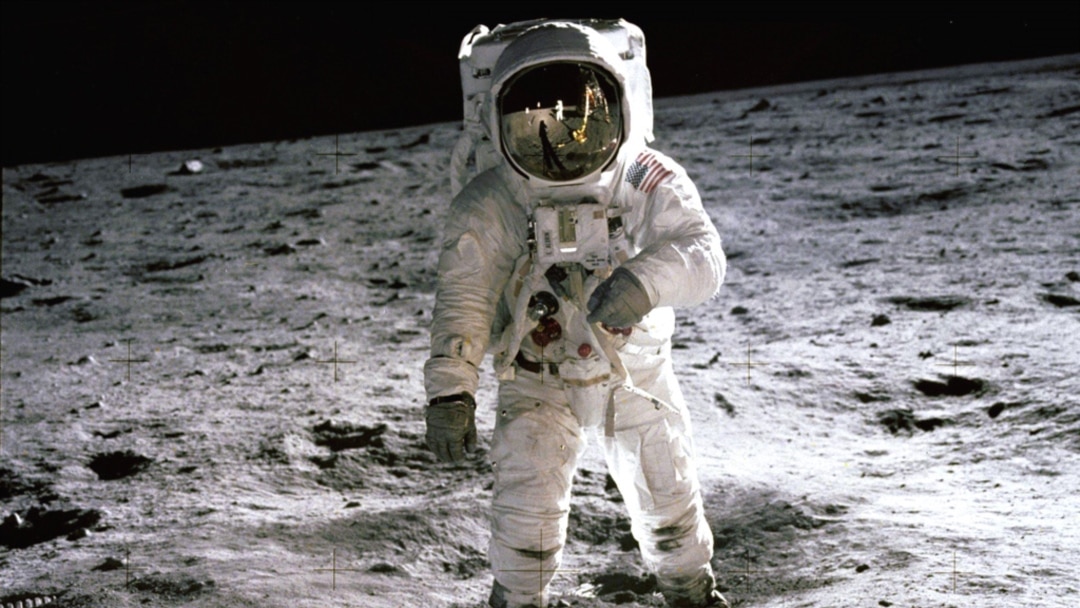
The quest for accuracy, both in terms of spatial positioning and temporal precision, remains a driving force in space technology. For scientific missions, landing at a specific time relative to lunar features or astronomical events is crucial for data collection. For resource utilization, precise timing and location are essential for identifying and accessing valuable reserves. And for establishing a permanent human presence on the moon, synchronized operations and logistics will demand an even greater mastery of precise timing across all systems. The landing of Apollo 11 at 20:17:40 UTC on July 20, 1969, was not just a point on a clock, but a beacon of technological triumph that continues to inspire and inform our journey into the cosmos.
aViewFromTheCave is a participant in the Amazon Services LLC Associates Program, an affiliate advertising program designed to provide a means for sites to earn advertising fees by advertising and linking to Amazon.com. Amazon, the Amazon logo, AmazonSupply, and the AmazonSupply logo are trademarks of Amazon.com, Inc. or its affiliates. As an Amazon Associate we earn affiliate commissions from qualifying purchases.