
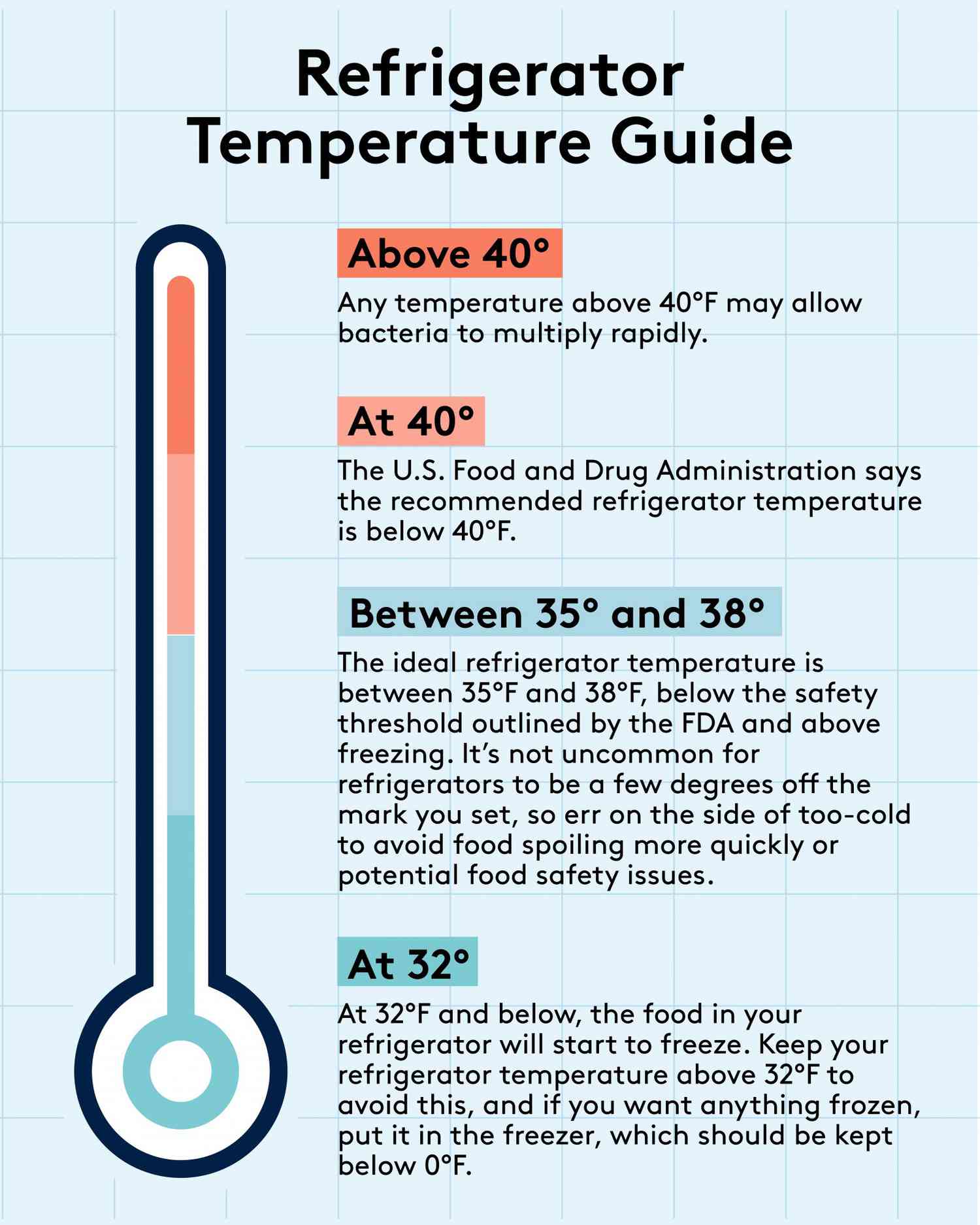
The humble freezer, often relegated to the background of our kitchens, is a marvel of modern engineering, a silent guardian of our perishable goods. Its primary function—to maintain a consistently low temperature—is critical for food preservation, but the intricacies of achieving and sustaining this optimal environment are rooted deeply in technological innovation and scientific principles. Far from being a mere cold box, the freezer is a sophisticated appliance whose performance hinges on precise temperature management, driven by advancements in refrigeration science, sensor technology, and smart system integration. Understanding the ideal freezer temperature, typically 0°F (-18°C) or lower, is merely the entry point to appreciating the complex interplay of physics and engineering that ensures our food remains safe, nutritious, and free from spoilage.
The Science Behind Optimal Freezer Temperatures
Achieving and maintaining the correct freezer temperature is not arbitrary; it is dictated by fundamental scientific principles governing food degradation and microbial growth. At its core, freezing works by slowing down molecular activity and inhibiting the proliferation of microorganisms and enzymatic reactions that lead to spoilage. The chosen temperature threshold of 0°F (-18°C) is a scientifically determined sweet spot, striking a balance between effective preservation and energy efficiency.
Understanding Food Preservation at Sub-Zero Levels
At temperatures significantly below freezing, water within food crystallizes into ice, effectively rendering it unavailable for microbial activity. Most bacteria, yeasts, and molds become dormant or are killed at these temperatures, preventing them from multiplying and causing spoilage or foodborne illness. Furthermore, the extremely low temperatures dramatically slow down the enzymatic reactions that contribute to changes in food texture, color, and flavor over time. This includes the oxidation of fats and vitamins, which can lead to rancidity or nutrient loss. The molecular structure of ice crystals and their interaction with food cells is a complex area of study, influencing thaw quality and overall food integrity. Rapid freezing, for instance, promotes the formation of smaller ice crystals, which cause less cellular damage than the larger crystals formed during slow freezing, thus preserving texture more effectively upon thawing.
Preventing Freezer Burn: A Technical Perspective
Freezer burn, characterized by dry, discolored spots on frozen food, is a common issue that, while not making food unsafe, significantly degrades its quality. From a technical standpoint, freezer burn is a phenomenon of sublimation—where ice turns directly into water vapor without passing through a liquid phase. This occurs when food is exposed to dry, cold air within the freezer, often due to improper packaging or fluctuating temperatures. The moisture is drawn out of the food’s surface, leading to dehydration and oxidation of the exposed tissues. Modern freezer designs, particularly those with sophisticated air circulation systems and more stable temperature maintenance, aim to minimize the conditions that promote sublimation. Advanced packaging technologies, such as vacuum sealing and specialized freezer bags designed for low oxygen permeability, also play a crucial role in creating a barrier against moisture loss and air exposure, thereby mitigating freezer burn.
Microbial Inhibition and Enzyme Activity at Low Temperatures
The primary technological objective of a freezer is to create an environment where microbial life is effectively halted and enzyme activity is severely curtailed. While freezing doesn’t sterilize food (meaning it doesn’t kill all microorganisms), it incapacitates most common foodborne pathogens and spoilage organisms. Pathogens like Salmonella, E. coli, and Listeria cannot grow at 0°F (-18°C), significantly reducing the risk of foodborne illness from properly frozen foods. Enzymes, naturally occurring proteins responsible for chemical reactions in food (like ripening and degradation), also become largely inactive at these low temperatures. However, some enzymatic activity can persist even at sub-zero temperatures, albeit at a drastically reduced rate. This is why blanching vegetables before freezing is often recommended—it denatures enzymes through brief heat treatment, further ensuring long-term quality preservation. The precise control of temperature and humidity within modern freezers is a technological feat designed to optimize this delicate balance of microbial inhibition and enzyme deactivation.
Technological Innovations in Modern Freezing
The evolution of freezers from simple iceboxes to intelligent, energy-efficient appliances is a testament to continuous technological advancement. Modern freezers incorporate a suite of sophisticated features aimed at precise temperature control, enhanced energy efficiency, and user convenience. These innovations are not just about aesthetics; they represent significant engineering achievements that redefine food preservation.
Smart Freezers and IoT Integration for Temperature Control
The advent of the Internet of Things (IoT) has brought unparalleled precision and connectivity to kitchen appliances, and freezers are no exception. Smart freezers are equipped with advanced sensors that continuously monitor internal temperature, humidity, and even door seal integrity. These sensors are integrated with microcontrollers that can adjust compressor cycles and fan speeds in real-time to maintain the ideal temperature range, compensating for external factors like ambient room temperature or frequent door openings. Furthermore, IoT connectivity allows users to monitor and control their freezer’s settings remotely via smartphone apps. Alerts can be sent for temperature deviations, open doors, or power outages, providing proactive management and peace of mind. Some models even incorporate AI algorithms to learn user habits, optimizing defrost cycles or adjusting temperatures based on predicted usage patterns, thus enhancing both food safety and energy efficiency.
Advanced Insulation and Refrigeration Systems
At the core of any efficient freezer lies its insulation and refrigeration system. Modern freezers utilize highly effective vacuum panels or advanced polyurethane foam insulation, which significantly reduces heat transfer from the warmer external environment into the freezing compartment. The thicker and more uniform the insulation, the less energy is required to maintain the desired low temperature. Beyond insulation, refrigeration systems have seen considerable technological leaps. Inverter compressors, for example, can operate at variable speeds rather than cycling on and off at full power. This allows for more precise temperature regulation, reduces energy consumption, and often leads to quieter operation. Many systems also employ multi-flow air circulation technology, where cold air is distributed evenly to every shelf and compartment, preventing hot spots and ensuring uniform freezing throughout the unit, which is crucial for overall food preservation.
Frost-Free Technology Explained
One of the most appreciated innovations in freezers is “frost-free” or “no-frost” technology. Traditional freezers accumulate frost as moisture from the air condenses and freezes on cold surfaces. This frost build-up acts as an insulator, reducing cooling efficiency and requiring periodic manual defrosting. Frost-free systems overcome this by employing a heating element and a fan. Periodically, usually every 6-12 hours, the heating element briefly warms the evaporator coils, melting any accumulated frost. The fan then circulates this moisture out of the freezing compartment and drains it into an evaporation pan, where it dissipates into the ambient air. While this process briefly raises the internal temperature, the advanced control systems are designed to minimize fluctuations, ensuring food remains safely frozen. This technology not only eliminates the tedious chore of manual defrosting but also maintains consistent cooling performance, contributing to better food preservation and energy efficiency.
Calibrating and Monitoring Your Freezer’s Performance
Maintaining the optimal temperature in your freezer is an ongoing task that requires occasional calibration and consistent monitoring. Even the most advanced freezers can experience fluctuations, and understanding how to assess and adjust their performance is crucial for maximizing food safety and energy efficiency. This involves leveraging both simple tools and sophisticated diagnostic capabilities.
Digital Thermometers and Sensor Accuracy
While most modern freezers have internal temperature displays, these are not always calibrated perfectly or reflective of the temperature across the entire compartment. Digital freezer thermometers, often featuring wireless sensors or external displays, provide an independent and more accurate reading of the actual internal temperature. Placing a thermometer in different sections of the freezer can help identify any cold or warm spots, indicating potential airflow issues or insulation weaknesses. For professional or commercial use, calibration standards for these thermometers are rigorous, ensuring their accuracy within specific tolerances. Regular checks against a known reference temperature (e.g., using an ice bath) can confirm the sensor’s reliability. Understanding that sensors can drift over time due to environmental factors or physical wear is key to proactive maintenance and ensuring ongoing temperature precision.
Troubleshooting Temperature Fluctuations: A Technical Guide
Temperature fluctuations are a common freezer issue that can compromise food quality. Technically, these can stem from several sources. A primary suspect is a faulty door seal; even a tiny gap allows warm air ingress, triggering more frequent compressor cycles and temperature instability. Inspecting and replacing worn-out gaskets is a simple yet effective technical solution. Compressor issues, such as a malfunctioning start relay or a failing motor, can lead to insufficient cooling. Evaporator fan motors are another critical component; if they fail, cold air circulation is impeded, leading to uneven temperatures. Clogged condenser coils, often due to dust and debris, reduce the heat exchange efficiency of the refrigeration system, forcing the compressor to work harder and less effectively. Diagnosing these issues often requires multimeters to test electrical continuity, pressure gauges for refrigerant lines, and thermal imaging cameras to pinpoint insulation breaches. Many smart freezers can self-diagnose minor issues and send alerts, streamlining the troubleshooting process for both consumers and service technicians.
Energy Efficiency through Precise Temperature Management
The energy consumption of a freezer is directly related to its ability to maintain a stable, optimal temperature. Every degree below the recommended 0°F (-18°C) incurs an energy penalty, often 3-5% increase in energy consumption per degree. Therefore, precise temperature management is not just about food safety but also about operational cost. Modern freezers employ advanced control algorithms that minimize compressor run times while ensuring the temperature stays within safe limits. Features like “vacation mode” can slightly raise the temperature to a still-safe but less energy-intensive level when the freezer won’t be opened frequently. Regular defrosting (for non-frost-free models) and ensuring proper air circulation around the condenser coils are technical practices that directly impact energy efficiency. Furthermore, proper loading of the freezer—filling it sufficiently but not overpacking it to impede airflow—helps the appliance maintain stable temperatures with less effort, leveraging the thermal mass of frozen food to stabilize the internal environment.
The Future of Food Freezing Technology
The trajectory of freezer technology is clearly moving towards greater intelligence, sustainability, and seamless integration within our living spaces. As our understanding of food science deepens and technological capabilities expand, the freezers of tomorrow will offer unprecedented levels of precision, convenience, and environmental responsibility.
AI-Powered Predictive Maintenance for Freezers
The next frontier in appliance longevity and efficiency lies in AI-powered predictive maintenance. Future freezers will integrate advanced sensors and machine learning algorithms that constantly analyze operational data—compressor cycles, fan speeds, door opening patterns, energy consumption, and even subtle changes in vibration or sound. This data will be fed into AI models capable of identifying deviations from normal operating parameters, predicting potential component failures before they occur. For example, a slight increase in compressor run time over several weeks might indicate a refrigerant leak or a failing motor bearing, allowing the system to alert the user or a service technician to intervene proactively. This not only prevents inconvenient breakdowns and costly food spoilage but also extends the lifespan of the appliance and optimizes energy usage by addressing inefficiencies as soon as they emerge.
Sustainable Refrigeration: Next-Gen Coolants and Design
The environmental impact of refrigeration technology is a growing concern, primarily due to the global warming potential (GWP) of traditional refrigerants like hydrofluorocarbons (HFCs). The future of freezers is heavily invested in sustainable refrigeration, focusing on low-GWP refrigerants such as R600a (isobutane) and R290 (propane), which are natural refrigerants with significantly reduced environmental footprints. Beyond refrigerants, design innovations will focus on enhancing overall energy efficiency, utilizing advanced vacuum insulation panels, and potentially solid-state cooling technologies (e.g., thermoelectric or magnetocaloric refrigeration) that eliminate the need for traditional compressors and chemical refrigerants altogether. Cradle-to-grave design principles, emphasizing recyclable materials, modular components for easy repair, and manufacturing processes with minimal environmental impact, will become standard, aligning freezers with a broader circular economy ethos.

Integration with Smart Kitchen Ecosystems
As smart homes become more ubiquitous, the freezer will evolve from a standalone appliance into a fully integrated component of a sophisticated kitchen ecosystem. Imagine a freezer that not only tracks its internal temperature but also inventories its contents using internal cameras and AI object recognition. This data could then be shared with other smart kitchen appliances or applications: suggesting recipes based on available ingredients, creating automated grocery lists, or even ordering groceries directly from online retailers. Integration with smart energy grids could allow freezers to optimize their energy consumption during off-peak hours, further reducing costs and environmental impact. Voice control interfaces, touchscreens, and seamless connectivity with other smart devices will transform the freezer into an interactive hub for food management, dietary planning, and household efficiency, making it an indispensable part of the intelligent home of tomorrow.
aViewFromTheCave is a participant in the Amazon Services LLC Associates Program, an affiliate advertising program designed to provide a means for sites to earn advertising fees by advertising and linking to Amazon.com. Amazon, the Amazon logo, AmazonSupply, and the AmazonSupply logo are trademarks of Amazon.com, Inc. or its affiliates. As an Amazon Associate we earn affiliate commissions from qualifying purchases.