
The seemingly straightforward question, “what size waist is size 6?”, unravels a complex tapestry of brand strategy, consumer psychology, and operational challenges within the apparel industry. Far from a simple measurement query, this question highlights one of the most persistent frustrations for shoppers globally: the maddening inconsistency of apparel sizing. For brands, this isn’t just a logistical headache; it’s a critical touchpoint that profoundly impacts brand perception, customer loyalty, and ultimately, profitability. In an era where digital storefronts and personalized experiences reign supreme, understanding and strategically managing sizing is no longer optional but an imperative for cultivating a strong, trusted, and sustainable brand identity.
The Elusive “Standard”: Why a Size 6 Isn’t Always a Size 6
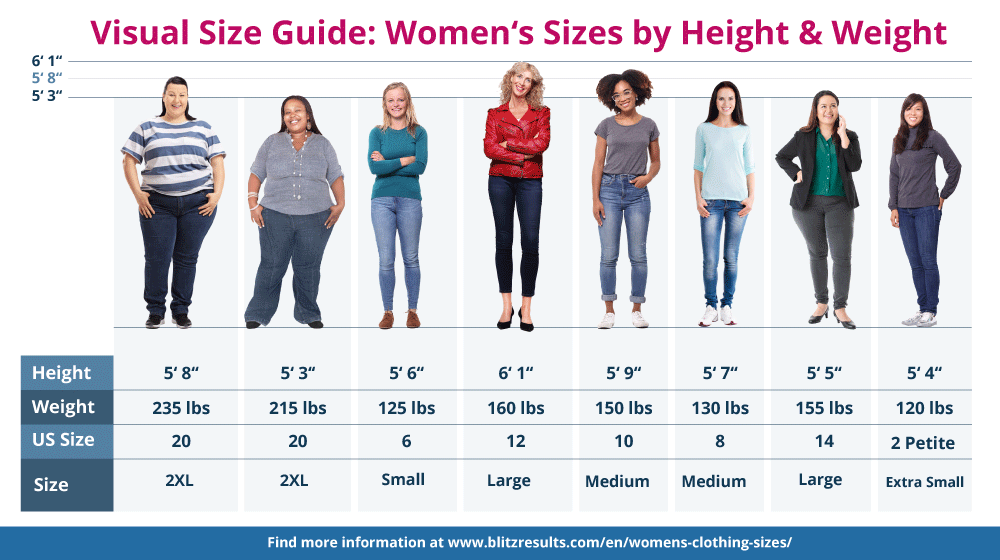
At the heart of the “what size waist is size 6” conundrum lies a fundamental absence of a universal sizing standard. Consumers often assume that a “size 6” should denote a specific, measurable set of body dimensions, regardless of the brand or country of origin. The reality, however, is a chaotic landscape of brand-specific methodologies, historical legacies, and strategic marketing decisions.
A Historical Perspective on Sizing Evolution
The concept of standardized apparel sizing is a relatively modern invention, born out of the transition from bespoke tailoring to mass-produced ready-to-wear clothing. In earlier centuries, garments were custom-made to an individual’s precise measurements. The industrial revolution, however, necessitated a system for producing clothing in bulk. Early attempts at standardization, particularly in the mid-20th century, often relied on limited data sets, frequently based on military recruits or a narrow demographic sample, leading to inherent biases and inaccuracies from the outset. As fashion became more accessible and globalized, each brand, and often each country, developed its own proprietary sizing charts, leading to the current state of fragmentation where a European size 38 might be a US size 8, or a UK size 10 – and even then, these conversions are rarely exact. This historical divergence means that there’s no singular, foundational “size 6” upon which all brands have built their frameworks.
The Phenomenon of Vanity Sizing
Perhaps one of the most direct manifestations of sizing as a brand strategy is “vanity sizing.” This practice involves assigning smaller size numbers to garments that correspond to larger actual body measurements. For instance, a pair of jeans labeled “size 6” today might have the same waist measurement as a “size 8” or “size 10” from two decades ago. The psychological appeal is clear: consumers often derive a sense of satisfaction or boost in self-esteem from fitting into a smaller size. Brands strategically employ vanity sizing to make their customers feel better about themselves, implicitly associating positive emotions with the brand and potentially driving purchase decisions.
However, while potentially effective in the short term, vanity sizing carries significant brand risks. It contributes directly to consumer confusion and mistrust, making online shopping particularly fraught with uncertainty. When a customer consistently finds that their usual size from Brand A doesn’t fit in Brand B, it erodes confidence not just in the specific purchase but in the overall consistency of the market, impacting brand loyalty across the board. The temporary ego boost can quickly turn into frustration if the garment doesn’t fit as expected, leading to returns and a negative perception of the brand’s reliability.
Lack of Universal Metrics and Regional Variations
Beyond historical quirks and deliberate marketing tactics, the absence of universal body measurement data and the significant variations in human body shapes across different demographics and geographies further complicate sizing. A “size 6” in an Asian market might be designed for a significantly different body type (e.g., height, hip-to-waist ratio) than a “size 6” in a European or North American market. Brands often conduct their own anthropometric studies or rely on localized data to tailor their sizing to their primary target regions. This ensures a better fit for their core customer base but exacerbates the global sizing dilemma. For international brands, balancing a consistent brand image with localized fit preferences becomes a critical strategic challenge, often requiring multiple sizing charts or even entirely different product lines for different markets.
Brand Identity and the Strategic Imperative of Sizing
In an increasingly competitive fashion landscape, how a brand approaches sizing is deeply intertwined with its core identity and market positioning. Sizing is not merely a technical specification; it’s a powerful tool for shaping brand perception, targeting specific demographics, and fostering transparency.
Shaping Brand Perception Through Sizing
A brand’s sizing strategy sends subtle yet powerful messages about who it is and who it caters to. Brands that offer an expansive and inclusive size range, extending beyond traditional small, medium, large, often cultivate an image of inclusivity, body positivity, and social consciousness. This resonates strongly with modern consumers who prioritize values-driven purchasing. Conversely, brands with a narrow size range, perhaps catering exclusively to a specific, slender aesthetic, might project an image of exclusivity, aspirational luxury, or a niche focus. Neither approach is inherently “wrong,” but each must be a deliberate strategic choice aligned with the brand’s overall vision and target audience. For instance, a high-fashion designer might prioritize a very specific silhouette for a limited body type, reinforcing an exclusive brand image, while a mass-market retailer will likely prioritize broad appeal and inclusivity to maximize sales volume.
Targeting the Ideal Customer: Demographic Considerations
Effective branding involves a deep understanding of the target customer, and this extends to their physical dimensions. A brand specializing in clothing for young, athletic individuals might tailor its “size 6” to a different body composition than a brand catering to mature women. Factors like age, lifestyle, cultural background, and predominant body shapes within a target demographic all influence how a brand develops its sizing chart. For example, brands targeting a younger, fast-fashion segment might prioritize a trend-driven fit that might not be as forgiving or true-to-size as a brand focusing on classic, comfortable wear for a broader age range. By aligning sizing with the demographics of its ideal customer, a brand can optimize fit, minimize returns, and enhance the overall shopping experience, thereby reinforcing brand loyalty.
The Role of Transparency: Communicating Sizing Effectively
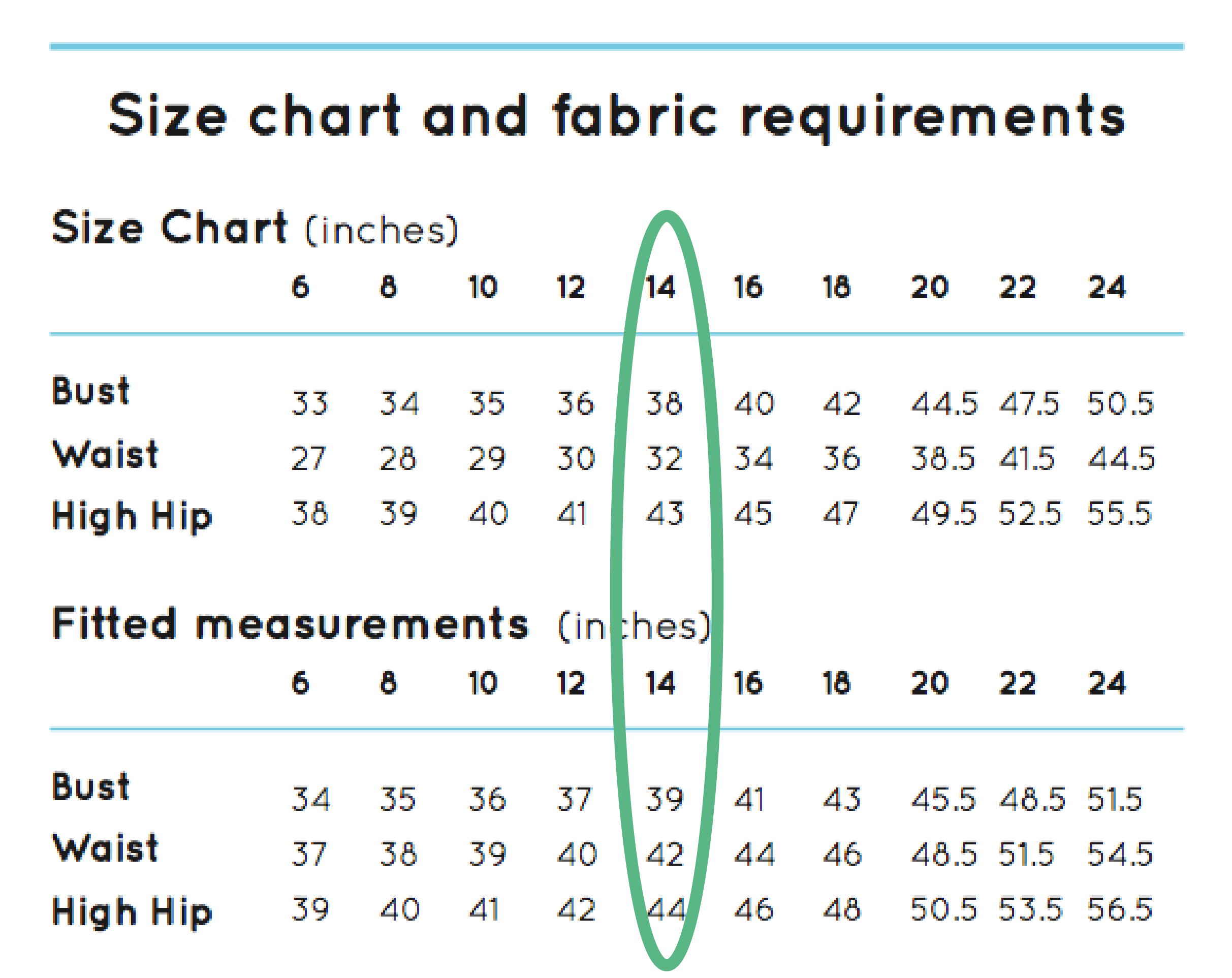
In the digital age, transparency is a non-negotiable aspect of strong branding. For apparel brands, this means providing clear, comprehensive, and easily accessible sizing information. Generic “size charts” that only list S, M, L with arbitrary measurements are no longer sufficient. Modern brands build trust by offering detailed measurement guides (bust, waist, hip, inseam, etc.), indicating if an item runs true-to-size, small, or large, and providing model dimensions and the size they are wearing. Some brands even go further by incorporating customer reviews that include fit feedback and specific body measurements from purchasers. This level of transparency not only empowers consumers to make informed decisions but also signals a brand’s commitment to honesty and customer satisfaction, significantly bolstering its credibility and reputation in a crowded marketplace.
Sizing as a Driver for Brand Loyalty and Operational Efficiency
Beyond initial brand perception, strategic sizing directly impacts critical business metrics like customer retention and operational costs. For a brand, getting sizing right is a potent tool for fostering loyalty and streamlining its supply chain.
Mitigating Returns and Enhancing Customer Satisfaction
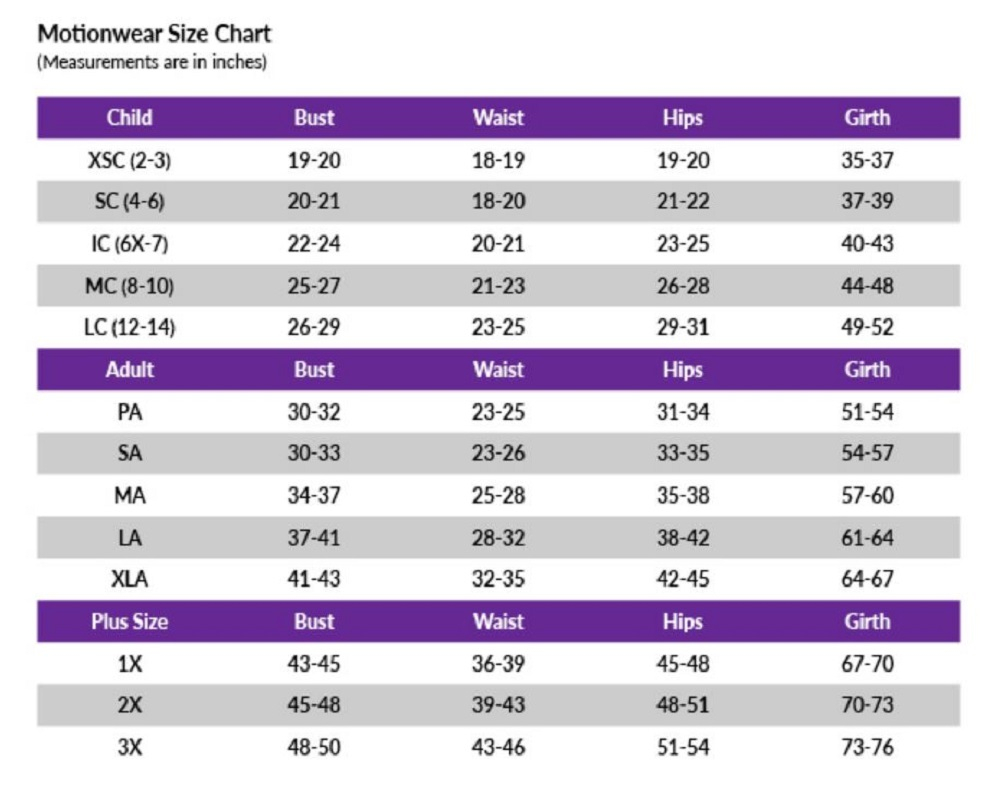
One of the most significant pain points for both consumers and apparel brands, particularly in e-commerce, is product returns due to poor fit. A garment that doesn’t fit as expected is not just an inconvenience for the customer; it represents a costly operational burden for the brand, involving reverse logistics, repackaging, and potential loss of sale. By investing in accurate and consistent sizing, and by clearly communicating those standards, brands can dramatically reduce return rates. Fewer returns translate directly into increased customer satisfaction, a smoother shopping experience, and a positive brand association. When a customer consistently finds that items from a particular brand fit well, their confidence grows, making them more likely to return for future purchases and recommend the brand to others.
Building Trust and Reducing Purchase Anxiety
The digital shopping experience, while convenient, inherently removes the ability to physically try on garments. This creates a significant psychological barrier: purchase anxiety. Customers worry if the item will fit, if the size chart is reliable, or if the effort of ordering and returning will be worthwhile. Brands that prioritize consistent sizing across their product lines and provide detailed, trustworthy sizing information effectively reduce this anxiety. When a customer learns their “size 6” in Brand X always fits perfectly, they develop a profound sense of trust. This trust is invaluable, transforming a hesitant browser into a confident, repeat buyer. In an age of endless choices, this emotional connection and reliability become powerful differentiators for a brand.
Operational Insights: Data-Driven Sizing Adjustments
Sizing is not a static decision; it’s an ongoing process of refinement informed by data. Brands can leverage sales data, return reasons, and customer feedback to continually adjust and optimize their sizing strategies. For example, if a particular style consistently receives feedback that it “runs small,” the brand can make a data-driven decision to adjust the pattern for future production runs or update its fit recommendations. Analyzing the correlation between specific sizes and return rates can reveal inefficiencies or inconsistencies in the manufacturing process. By treating sizing as a data-informed operational lever, brands can not only improve customer experience but also achieve better inventory management, reduce waste from unsellable sizes, and ultimately enhance their profitability.
Innovations in Sizing: Bridging the Gap Between Brand Promise and Consumer Reality
The challenge of inconsistent sizing has spurred significant innovation, transforming how brands approach fit and customer engagement. Technology and a renewed focus on individuality are paving the way for more accurate and personalized sizing solutions.
Leveraging Technology for Enhanced Sizing Solutions
The advent of advanced technologies is revolutionizing how consumers find their perfect fit. Virtual try-on tools, powered by augmented reality (AR) or 3D modeling, allow customers to digitally “wear” garments on avatars or even their own uploaded body scans, providing a visual representation of fit before purchase. AI-powered recommendation engines take this a step further, analyzing a customer’s past purchases, stated preferences, and even comparative data from other shoppers with similar body types to suggest the most appropriate size. These tools not only reduce uncertainty for the consumer but also empower brands to offer a more engaging and personalized shopping experience, significantly contributing to a cutting-edge brand image. By integrating such technologies, brands position themselves as innovative and customer-centric, reinforcing their modern appeal.
The Rise of Personalized and Made-to-Measure Offerings
Beyond standard sizing, a growing trend towards personalization and made-to-measure clothing offers a premium solution to fit woes. While more resource-intensive, brands offering custom-fitted garments cater to a segment of consumers willing to pay for perfection. This approach eliminates the “what size waist is size 6?” question entirely by tailoring each garment to an individual’s precise measurements. For brands, this strategy can carve out a niche in the luxury market, signaling exceptional quality, exclusivity, and an unparalleled commitment to customer satisfaction. It transforms the brand from a purveyor of ready-made goods into a bespoke experience provider, deeply strengthening customer loyalty and perceived value.
Embracing Inclusivity and Body Diversity
A significant societal shift towards body positivity and acceptance has pushed brands to re-evaluate their sizing ranges. Forward-thinking brands are no longer just expanding their size charts; they are fundamentally rethinking their approach to garment design to accommodate a wider array of body shapes, not just larger sizes. This involves different pattern grading, consideration for varied proportions, and a commitment to ensuring that a “size 6” fits just as well and looks just as flattering as a “size 26.” Brands that authentically embrace inclusivity in their sizing and marketing foster a powerful emotional connection with a broader customer base. This strategic move signals a modern, empathetic brand that understands and celebrates the diversity of its consumers, building deep loyalty and positive public perception.
The Future of Sizing: A Brand-Centric Approach to Consistency and Customization
The journey from “what size waist is size 6” to a truly satisfying fit experience is ongoing. The future of apparel sizing will be characterized by a blend of data intelligence, technological innovation, and a profound commitment to brand authenticity and customer understanding.
The Data-Driven Evolution of Apparel Sizing
As data collection and analytical capabilities advance, brands will increasingly leverage sophisticated insights to refine their sizing models. This will involve not just aggregated sales and return data but also hyper-personalized recommendations based on individual customer profiles, purchasing history, and even anonymized body scan data. Machine learning algorithms will become adept at predicting optimal fits, reducing guesswork for both consumers and brands. The goal is to move towards predictive sizing, where the “size 6” recommendation is so accurate for a specific individual that it feels custom-made, reinforcing the brand’s precision and understanding of its clientele.
Brand Storytelling Through Fit
In the future, a brand’s commitment to fit will become a central part of its narrative and marketing. Beyond showcasing stylish designs, brands will tell stories about their meticulous sizing processes, their dedication to diverse body types, and their use of technology to ensure customer comfort and confidence. Highlighting the research, the data, and the human-centered design behind their “size 6” will differentiate brands in a crowded market. This form of storytelling builds trust and communicates a brand’s deeper values, moving beyond superficial aesthetics to connect with consumers on a more meaningful level.
Cultivating a Community Around Sizing
Brands will increasingly encourage and facilitate user-generated content and community discussions around sizing. Platforms allowing customers to share their measurements, their fit experiences with specific items, and even photos of themselves in the clothing will create invaluable peer-to-peer advice. This communal knowledge base helps other shoppers make informed decisions and fosters a sense of belonging among brand loyalists. By empowering their community to contribute to the sizing conversation, brands transform a potential point of friction into a collaborative, engaging experience, deepening customer engagement and creating a robust ecosystem where the question “what size waist is size 6?” finds answers not just from the brand, but from a trusted network of fellow consumers.
Ultimately, the question “what size waist is size 6?” is a powerful microcosm of the branding challenges and opportunities in the apparel sector. Brands that proactively address sizing inconsistencies, embrace transparency, leverage technology, and champion inclusivity will not only win over discerning consumers but also solidify their position as leaders in a continuously evolving global marketplace.
aViewFromTheCave is a participant in the Amazon Services LLC Associates Program, an affiliate advertising program designed to provide a means for sites to earn advertising fees by advertising and linking to Amazon.com. Amazon, the Amazon logo, AmazonSupply, and the AmazonSupply logo are trademarks of Amazon.com, Inc. or its affiliates. As an Amazon Associate we earn affiliate commissions from qualifying purchases.