
The question “what season did joffrey die” seems, at first glance, a simple query rooted in popular culture. For millions, it immediately conjures images of the universally loathed boy-king, Joffrey Baratheon, from HBO’s monumental series, Game of Thrones. The factual answer is Season 4, Episode 2, “The Lion and the Rose,” an event commonly referred to by fans as the “Purple Wedding.” However, to dwell solely on the factual answer would be to miss a profound opportunity to analyze one of the most masterful examples of modern brand strategy in entertainment history.
In the realm of brand building, particularly for narrative-driven entertainment properties, character development, plot twists, and pivotal events are not mere creative choices; they are calculated components of a comprehensive brand architecture. Joffrey’s death was not just a plot point; it was a cultural phenomenon, a deeply anticipated narrative payoff that cemented Game of Thrones‘ brand identity, reinforced its core values of unpredictability and high stakes, and cultivated an unparalleled level of audience engagement. This event, and the strategic thinking behind its execution, offers invaluable insights into how powerful storytelling can translate into an enduring, multi-billion-dollar brand. By dissecting the elements surrounding this single, infamous moment, we can uncover the intricate interplay between narrative craft, audience psychology, and strategic brand positioning that elevated Game of Thrones from a niche fantasy series to a global cultural titan.

The Strategic Architecture of Narrative Tension: Crafting Unforgettable Brand Moments
For any brand to command attention and loyalty, it must offer more than just a product or service; it must provide an experience, a narrative that resonates and captivates. In the world of entertainment, this principle is elevated to an art form, where narrative tension becomes a key strategic tool. The death of Joffrey Baratheon serves as a textbook example of how a brand can meticulously build and release tension to create an unforgettable, impactful moment that defines its identity.
The Power of Anticipation and Payoff in Storytelling Brands
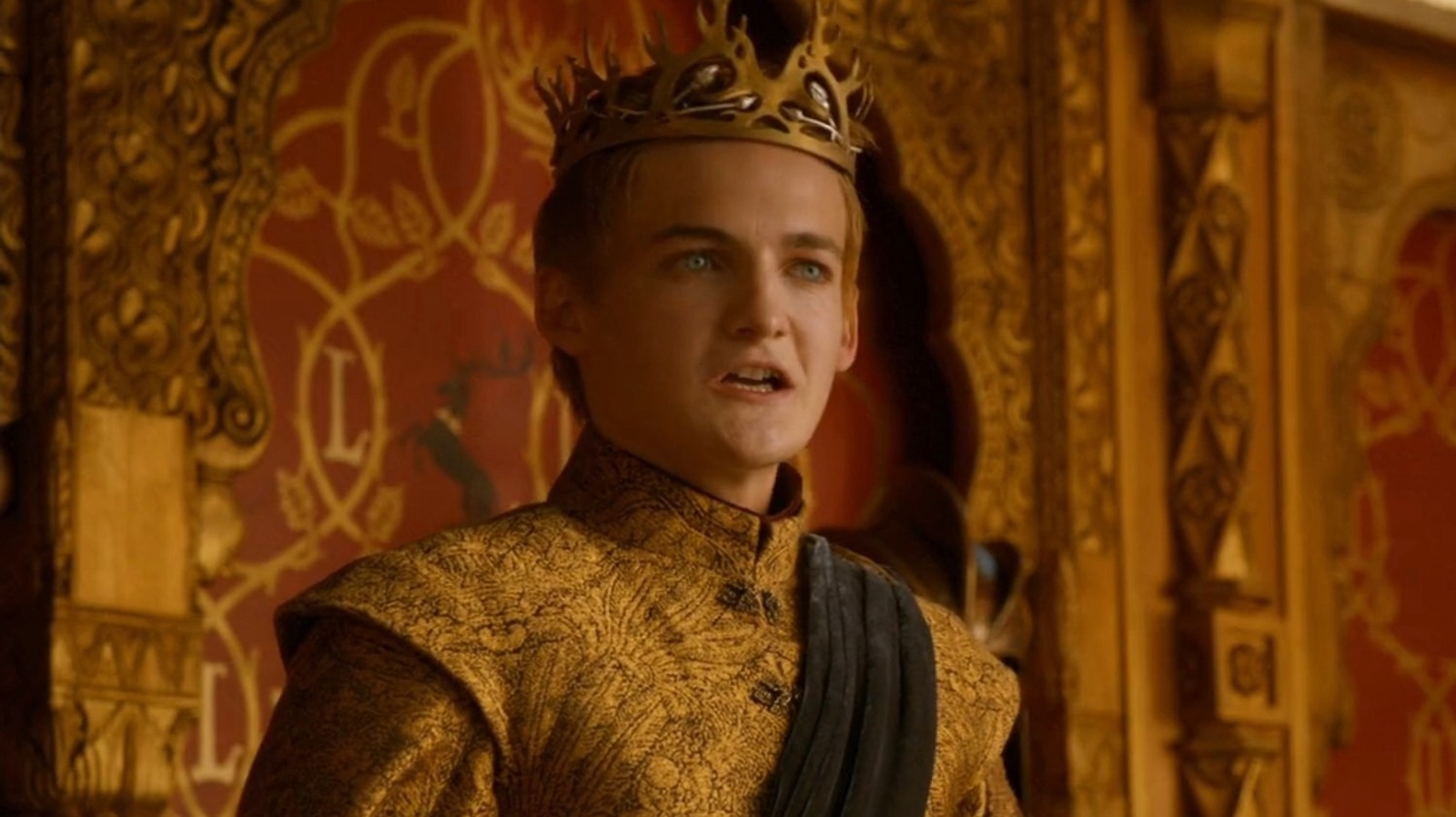
Anticipation is a powerful driver of engagement, and Game of Thrones masterfully wielded it throughout its run. From his very first appearances, Joffrey was crafted as an archetypal villain – petty, cruel, and utterly devoid of redeeming qualities. This deliberate characterization created an intense desire among viewers for his comeuppance. The brand didn’t just tell a story; it cultivated a shared emotional investment in a specific outcome. Each act of cruelty Joffrey committed, each moment he escaped justice, served to heighten the collective anticipation for his eventual demise.
This sustained build-up is a strategic gambit. It keeps the audience emotionally invested, discussing possibilities, speculating outcomes, and returning week after week. When the payoff finally arrived, in the form of a slow, agonizing death by poison at his own wedding, the catharsis was immense and widely shared. This “Purple Wedding” episode didn’t just deliver on a promise; it over-delivered, providing a moment of profound narrative satisfaction that few shows achieve. For a brand, such a powerful payoff is gold. It reinforces the brand’s commitment to its narrative promises, rewards audience loyalty, and solidifies its reputation as a storyteller that understands and respects its audience’s desires. It creates a memorable “event” that transcends typical episodic viewing, becoming a brand hallmark.
Character Arcs as Pillars of Brand Identity
While Joffrey’s arc was primarily about establishing him as a villain whose death would bring satisfaction, his character, and indeed all central characters, played a vital role in shaping the Game of Thrones brand identity. The brand’s promise was one of complex, morally ambiguous characters operating in a brutal, unpredictable world. Joffrey, despite his one-dimensional villainy, was consistent in his depravity, making him a reliable focal point for the show’s darker themes. His death, however, wasn’t just about satisfying a primal urge for justice; it also underscored a fundamental brand tenet: no one is safe.
This principle, that even central characters, beloved or reviled, could meet an untimely end, was a crucial differentiator for the Game of Thrones brand. It set it apart from conventional fantasy narratives where heroes are often protected by plot armor. By demonstrating that even a King could die violently and unexpectedly early in the series, the brand communicated its commitment to realism within its fantasy setting and its refusal to pander to typical narrative conventions. This commitment became a cornerstone of its brand identity – a bold, fearless, and uncompromising storyteller. The consistent application of this character management strategy built trust in the brand’s narrative integrity, assuring audiences that they were in for a truly unpredictable journey.
Cultivating Audience Loyalty: Beyond the Screen, Into the Cultural Zeitgeist
A truly successful brand transcends its product, becoming a part of the cultural conversation, an idiom, or a shared experience. Game of Thrones achieved this status not just through its epic scale or production value, but through its strategic cultivation of audience loyalty, turning viewers into vocal advocates and active participants in the brand’s journey. Events like Joffrey’s death were instrumental in forging this deep connection.
Fan Engagement and the Co-Creation of Brand Value
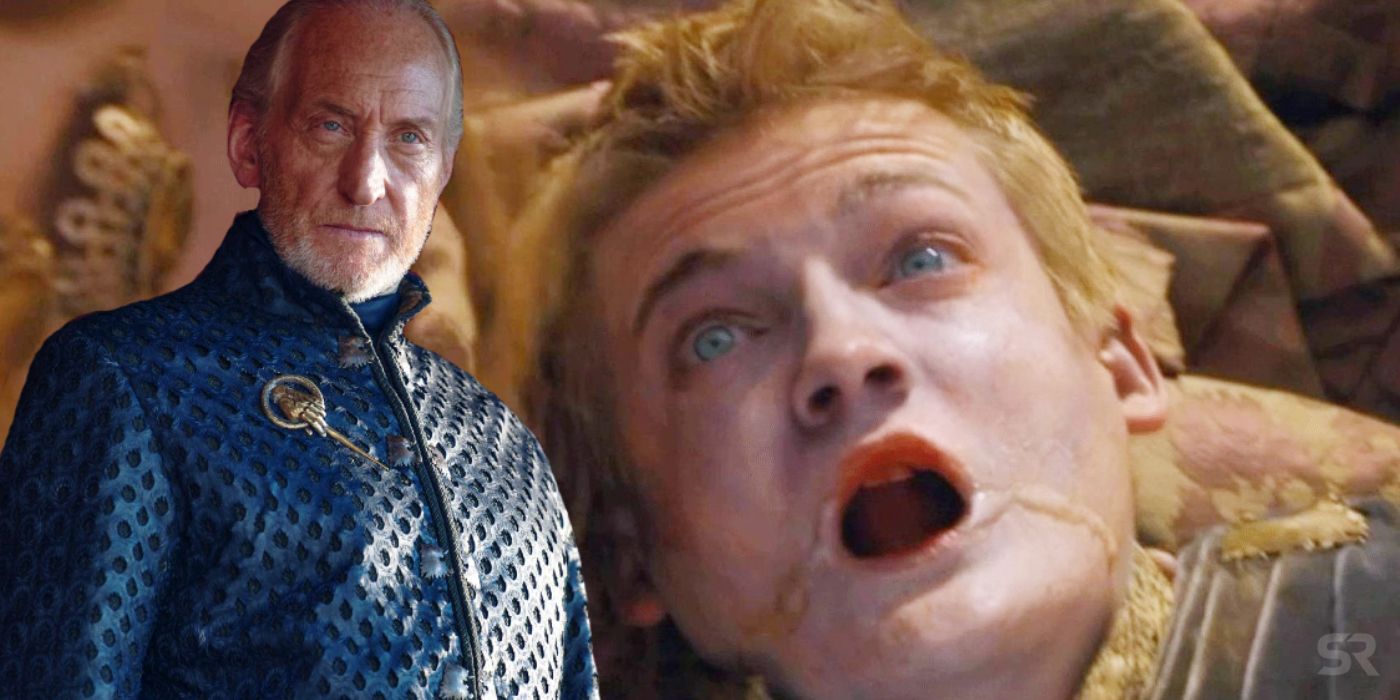
The interactive nature of modern media means that fan engagement is no longer a passive reception but an active co-creation of brand value. Joffrey’s death provided a massive catalyst for this engagement. Social media exploded with reactions, memes, and discussions immediately after the episode aired. Viewers revelled in the moment, sharing their excitement and relief. This wasn’t just viewing; it was a communal experience, a shared celebration.
For the Game of Thrones brand, this organic, fan-driven commentary was invaluable. It demonstrated a deep emotional resonance with its audience, transforming individual viewers into a collective community. This communal celebration of a narrative moment significantly amplified the brand’s reach and impact, turning casual viewers into fervent fans who felt a personal stake in the show’s unfolding drama. Furthermore, by creating such a universally discussed event, the brand generated free, highly credible marketing through word-of-mouth. This active engagement built a powerful feedback loop: the brand delivered compelling content, fans reacted passionately, and their passion further fueled the brand’s cultural presence, strengthening its overall market position and loyal following.
Leveraging Shock and Spectacle for Enduring Brand Recall
While catharsis was a primary outcome of Joffrey’s death, the manner of his demise was also designed for shock and spectacle. A lingering, painful poisoning on his wedding day, surrounded by the most powerful people in Westeros, was a deliberately theatrical and memorable moment. This commitment to spectacle is a key element in brand recall, particularly for entertainment properties.
Memorable moments are sticky. They are easy to recall, discuss, and recommend. Joffrey’s death provided not just a narrative turning point but a visually striking and emotionally charged spectacle that became instantly iconic. This strategic use of shock and dramatic flair ensured that the event resonated long after its airing, contributing significantly to the brand’s enduring recall. People might forget minor plot details, but they wouldn’t forget the Purple Wedding. This kind of indelible memory is a crucial asset for any brand striving for longevity and impact in a crowded marketplace. It helps to differentiate the brand, creating unique touchpoints that define its identity and make it stand out against competitors. By consistently delivering moments of high-impact drama and spectacle, the Game of Thrones brand carved out a distinct and memorable niche for itself in the collective cultural consciousness.
The “Game of Thrones” Brand Legacy: A Masterclass in Entertainment Branding
The enduring legacy of Game of Thrones is a testament to sophisticated brand management, where creative vision is meticulously aligned with strategic objectives. The entire narrative arc, punctuated by pivotal events like Joffrey’s death, was a critical component in building a brand that transcended its genre to become a global cultural phenomenon.
From Niche Fantasy to Global Phenomenon
Before Game of Thrones, high fantasy, especially the grim and gritty variety, was often considered a niche genre. HBO, in partnership with the show’s creators, executed a brand strategy that successfully broke through these perceived barriers. By focusing on universal themes of power, politics, family, and survival, and by grounding its fantastical elements with relatable human drama, the brand broadened its appeal far beyond traditional fantasy enthusiasts.
Key narrative events, such as Joffrey’s death, served as effective gateways for new audiences. These moments, often discussed widely in mainstream media and social circles, piqued the curiosity of those who might not typically watch a “fantasy show.” The brand cleverly used these dramatic events to showcase its unique selling propositions: complex characters, intricate plotting, and a fearless approach to storytelling. Joffrey’s demise, in particular, demonstrated the show’s willingness to upset conventions and deliver justice (of a sort) in unexpected ways, cementing its reputation as a compelling drama first and foremost, with a fantasy backdrop. This strategic positioning was instrumental in transitioning the brand from a niche product to a global, mass-market entertainment powerhouse, attracting an incredibly diverse viewership.
Sustaining Narrative Momentum Across a Multi-Platform Universe
A successful entertainment brand doesn’t just deliver a single story; it builds a universe. Game of Thrones achieved this through consistent narrative momentum, carefully orchestrated to maintain audience interest across its multi-season run and lay the groundwork for future expansions. Events like Joffrey’s death were not isolated incidents but carefully placed dominoes within a larger strategic narrative. His death opened up new political dynamics, propelled other characters into different roles, and reshaped the power landscape of Westeros.
This meticulous plotting ensured that the brand remained fresh and engaging, constantly evolving while staying true to its core identity. Beyond the main series, this sustained momentum was crucial for building the foundation of a multi-platform universe. The brand’s success created opportunities for spin-offs (like House of the Dragon), merchandise, video games, and tourist attractions, all of which leverage the established brand equity. Joffrey’s death, as a significant turning point, contributed to the richness and depth of this universe, providing fodder for continued exploration and expansion. It reinforced the brand’s commitment to a world where actions have consequences and where the narrative tapestry is constantly being rewoven, thereby promising endless possibilities for future brand extensions and engagement.
In essence, the question “what season did joffrey die” serves as a portal into understanding the sophisticated brand strategy that propelled Game of Thrones to unprecedented global success. Joffrey Baratheon’s demise was far more than a gruesome plot twist; it was a strategically executed narrative event that amplified the brand’s identity, solidified audience loyalty through shared emotional experiences, and played a crucial role in transforming a television series into a lasting cultural icon and a multi-billion-dollar franchise. For brand strategists, it remains a compelling case study in the power of narrative, character, and calculated dramatic tension to build an enduring brand legacy.
aViewFromTheCave is a participant in the Amazon Services LLC Associates Program, an affiliate advertising program designed to provide a means for sites to earn advertising fees by advertising and linking to Amazon.com. Amazon, the Amazon logo, AmazonSupply, and the AmazonSupply logo are trademarks of Amazon.com, Inc. or its affiliates. As an Amazon Associate we earn affiliate commissions from qualifying purchases.