
The question “what schedule is opium” immediately brings to mind legal classifications, societal risks, and public health concerns. However, beneath the surface of regulatory frameworks lies a complex and profound economic narrative. The scheduling of controlled substances, including historical and foundational drugs like opium, is not merely a bureaucratic exercise; it is a mechanism with vast financial implications that ripple through global economies, influence market dynamics, shape healthcare spending, and dictate investment flows. This article delves into the multi-faceted economic dimensions of drug scheduling, using opium as a potent case study to illustrate how these classifications drive both legitimate and illicit financial ecosystems, incur immense societal costs, and profoundly impact business and investment landscapes. Understanding “what schedule is opium” ultimately requires an economic lens to fully grasp its far-reaching consequences.
The Regulatory Framework and Its Economic Genesis
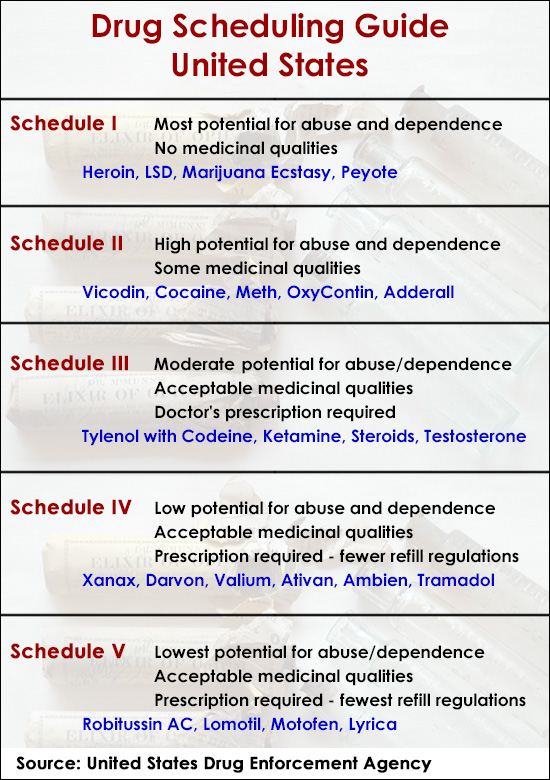
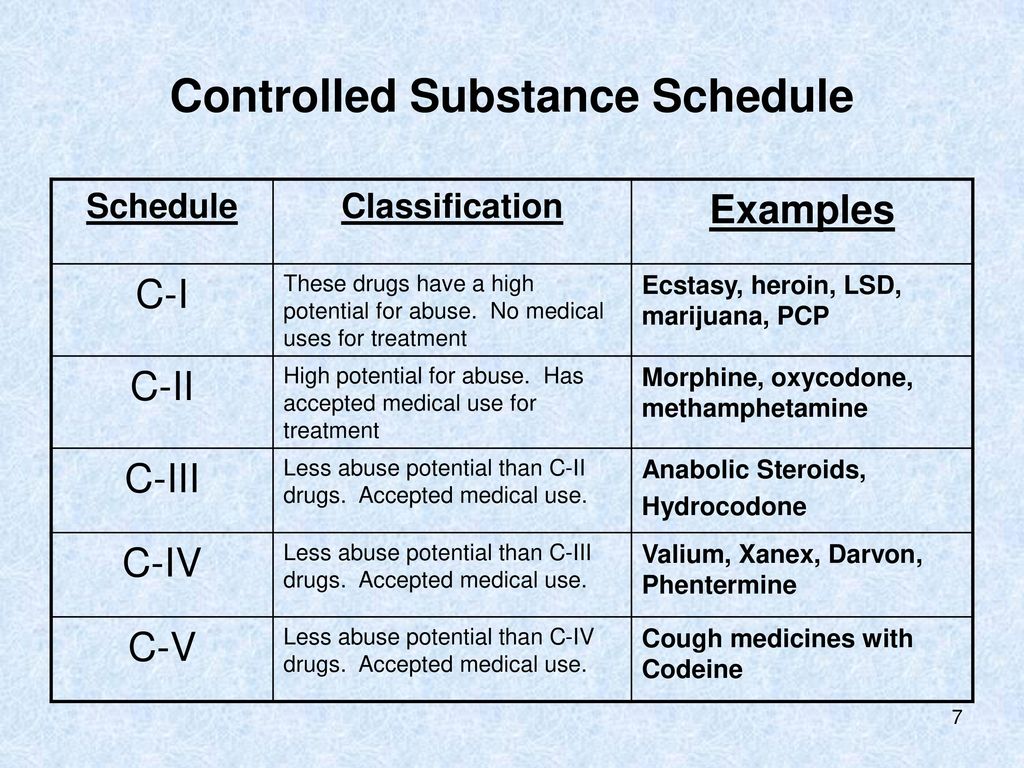
The classification of drugs into “schedules” is primarily a legal and public health measure designed to control substances based on their potential for abuse, accepted medical use, and safety. In the United States, for instance, the Controlled Substances Act (CSA) of 1970 established five schedules (I to V), with Schedule I drugs having no currently accepted medical use and a high potential for abuse, and Schedule V drugs having the lowest potential for abuse. Opium, due to its high potential for abuse and dependency, coupled with limited (though historically significant) medical applications in its raw form, is typically categorized under Schedule I or Schedule II, depending on its specific preparation and jurisdiction. Yet, the creation and enforcement of these schedules are deeply rooted in economic rationales and result in significant financial outcomes.
Understanding Drug Scheduling: More Than Just Legal Categories
From an economic perspective, drug scheduling represents a governmental intervention into specific markets, aiming to internalize negative externalities (like addiction, crime, and public health burdens) associated with certain substances. The initial decision to classify a substance, therefore, is an economic calculation, weighing the perceived societal costs of uncontrolled access against the administrative and enforcement costs of prohibition. This regulatory act dictates permissible production, distribution, and consumption, thereby creating an artificial scarcity in legal markets or outright prohibition, which then sets the stage for alternative economic systems. For opium, its scheduling reflects a global consensus on managing a substance with historical widespread use and proven addictive properties, aiming to reduce the economic strain of widespread addiction and its associated social ills. The framework itself becomes a tool for resource allocation – diverting funds towards enforcement, treatment, and prevention, away from potential revenue streams through taxation of a legal market.
The Cost of Control: Enforcement and Public Health Spending
The economic ramifications of drug scheduling are immediately evident in government budgets. Enforcing drug schedules necessitates enormous financial outlays in law enforcement, judicial systems, and correctional facilities. Billions of dollars are annually allocated to interdict supply chains, prosecute offenders, and incarcerate individuals for drug-related offenses. This expenditure represents a direct economic cost of prohibition, resources that could otherwise be invested in infrastructure, education, or other public services. Simultaneously, the public health sector bears significant financial burdens. While scheduling aims to reduce addiction, the reality is that addiction persists, leading to substantial healthcare costs for treatment, emergency services for overdoses, and long-term care for associated health complications. These costs are often borne by public healthcare systems, insurance providers, and individuals, representing another substantial economic consequence of the scheduled status of drugs like opium.
The Black Market Economy: An Unintended Consequence of Scheduling
While scheduling aims to eliminate or severely restrict access to certain substances, it inadvertently creates a highly lucrative black market. When legal supply is curtailed, demand does not vanish; instead, it shifts to illicit channels. This phenomenon is particularly stark for substances like opium, which have historically high demand and addictive properties. The black market then operates outside conventional economic regulations, presenting a unique set of financial challenges and opportunities for those involved.
Valuing the Illicit: Pricing and Supply Chain Dynamics
The prohibition enforced by drug scheduling inflates the price of substances like opium far beyond what their production costs would suggest in a legal market. This artificial scarcity drives up profit margins for illicit producers and distributors, creating an incredibly profitable, albeit dangerous, industry. The black market operates on its own economic principles, where risks associated with production, transportation, and sale are factored into the final price. Supply chains become complex, often involving multiple intermediaries, each adding to the final cost. This high-value, high-risk environment attracts significant capital, enabling large-scale criminal enterprises to flourish. The financial flow within this shadow economy is immense, representing a significant portion of global illicit trade, and fundamentally shifts economic power dynamics away from legitimate sectors.
Financial Flows and Organized Crime
The immense profits generated by the black market for scheduled substances are a primary driver for organized crime globally. These profits are then laundered through various legitimate and illegitimate businesses, distorting market competition and funding other criminal activities such as human trafficking, terrorism, and corruption. The influx of illicit money into legal economies can destabilize financial systems, undermine legitimate businesses, and erode public trust in institutions. For countries involved in opium production, the illegal trade can represent a significant, albeit informal and dangerous, part of their national income, particularly in regions with limited legitimate economic opportunities. This creates a vicious cycle where economic hardship fuels illicit trade, which in turn hinders legitimate development by diverting human and financial capital.
Opportunity Costs and Economic Drain
The existence and scale of the black market represent significant opportunity costs for national economies. Resources that could be channeled into productive, legitimate economic activities are instead consumed by illicit trade. This includes human capital, as individuals are drawn into the drug trade due to the promise of high, albeit risky, returns. Furthermore, the economic drain on developing nations, particularly those where opium poppies are cultivated, is profound. While cultivation may provide immediate income, it often comes at the expense of sustainable agricultural development, environmental degradation, and increased conflict. The informal and untaxed nature of this economy means governments lose out on significant potential revenue, further limiting their ability to invest in social and economic development.
Investment, Innovation, and the Pharmaceutical Landscape
While the direct market for raw opium is largely illicit due to its scheduling, the broader category of opioids – substances chemically similar to or derived from opium – constitutes a massive and highly regulated pharmaceutical market. The scheduling of these substances dictates the environment for investment, research, and innovation within the healthcare industry, creating unique economic challenges and opportunities.
Research & Development: Navigating Strict Regulations
Strict drug scheduling profoundly impacts pharmaceutical research and development (R&D). For substances like opium or their derivatives, the stringent regulatory hurdles and licensing requirements for R&D projects are immense. Schedule I substances, by definition, have no accepted medical use, making research challenging to fund and execute. Even for Schedule II substances, the administrative burden, security protocols, and costs associated with compliance are significant barriers to entry for smaller firms and reduce overall investment. This environment can stifle innovation in areas where these compounds might hold therapeutic potential, limiting the discovery of new pain management solutions or other medical applications. Investors weigh these regulatory complexities and high compliance costs when evaluating potential pharmaceutical ventures, often favoring less regulated areas.
The Market for Pain Management and Beyond
Despite the scheduling, the legal market for opioid-based pain management medications (e.g., morphine, codeine, oxycodone, fentanyl – all related to opium’s chemical structure) is a multi-billion dollar industry. The scheduling of these drugs directly impacts their pricing, distribution channels, and insurance coverage. High demand for effective pain relief, coupled with controlled supply, contributes to substantial revenues for pharmaceutical companies. However, this market is also heavily scrutinized due to the opioid crisis, leading to increased regulation, stricter prescription guidelines, and massive litigation costs for pharmaceutical manufacturers and distributors. These financial pressures, including multi-billion dollar settlements, significantly affect corporate valuations, investment strategies, and the long-term profitability of companies operating in this sensitive therapeutic area.
Emerging Industries: Cannabis and Psilocybin Rescheduling Lessons
The economic lessons from the rescheduling or descheduling of other substances offer a glimpse into potential futures for highly scheduled drugs. The rapid growth of the legal cannabis industry following state-level legalization and medical rescheduling demonstrates the enormous economic potential unlocked when substances move from illicit to regulated markets. This includes new businesses, job creation, tax revenues, and significant investment in cultivation, processing, and retail. Similarly, ongoing research into psilocybin and MDMA for therapeutic uses, which could lead to rescheduling, indicates future investment opportunities in psychedelic-assisted therapy. While direct legalization of opium is unlikely given its unique profile, these examples highlight how changes in scheduling can fundamentally transform an industry, shifting billions from the shadow economy to legitimate, taxable enterprises, and attracting both venture capital and institutional investment.
Societal Financial Burdens and Economic Productivity
Beyond the direct costs of enforcement and the dynamics of illicit markets, the scheduled status of drugs like opium imposes broader societal financial burdens, impacting healthcare systems, workforce productivity, and overall economic health. These indirect costs are often harder to quantify but are no less significant.
Healthcare Costs and Addiction Treatment
The persistent challenge of addiction, irrespective of legal scheduling, creates an ongoing and immense financial strain on healthcare systems. Treating addiction to opioids, managing withdrawal symptoms, addressing co-occurring mental health disorders, and providing long-term recovery support requires substantial resources. Public and private insurance schemes bear much of this cost, alongside out-of-pocket expenses for individuals and families. The economic burden extends to emergency services responding to overdoses, inpatient hospitalizations, and specialized rehabilitation facilities. These expenditures represent a significant diversion of healthcare funds that could otherwise be allocated to preventative care or other chronic disease management, impacting the overall efficiency and accessibility of healthcare services.
Lost Productivity and Human Capital
One of the most insidious economic consequences of opioid addiction, whether from illicit opium or diverted pharmaceuticals, is the loss of human capital and economic productivity. Individuals struggling with addiction often face unemployment, underemployment, or reduced work performance. This translates into lost wages, decreased tax contributions, and diminished innovation and output for businesses and the economy as a whole. Employers bear costs associated with absenteeism, presenteeism (being at work but not productive), increased healthcare premiums, and the expense of training new employees. At a macroeconomic level, a significant portion of the workforce impacted by addiction leads to a quantifiable reduction in Gross Domestic Product (GDP) and slows overall economic growth, representing a substantial, often hidden, financial cost to society.
Legal and Carceral System Expenditures
While already touched upon, the continuous financial drain on legal and carceral systems due to drug-related offenses cannot be overstated. Beyond initial enforcement, the long-term costs of incarceration, parole, and probation services are staggering. These systems are often overcrowded and underfunded, creating a cycle that perpetuates rather than solves the underlying issues. The economic argument against prohibition often highlights these escalating costs, suggesting that alternative approaches, such as public health-focused interventions or regulated markets, might prove more fiscally responsible in the long run. The financial trade-offs are complex, pitting the perceived social benefits of prohibition against the very real and quantifiable expenditures required to maintain it.

Conclusion
The question “what schedule is opium” is far more than a simple query about legal classification; it is an entry point into understanding a vast and intricate economic landscape shaped by policy decisions. The scheduling of opium and other controlled substances generates massive financial flows in both legitimate pharmaceutical markets and clandestine black markets, incurs staggering costs for law enforcement and public health, and significantly impacts investment, innovation, and human capital. From the billions spent on enforcement and treatment to the immense profits of organized crime and the opportunity costs of lost productivity, the economic footprint of drug scheduling is undeniable and pervasive.
As societies grapple with the ongoing challenges of addiction and drug control, a comprehensive understanding of these economic realities becomes paramount. Future drug policies, whether focused on stricter enforcement, decriminalization, or regulated markets, must undertake a rigorous financial analysis. The ultimate goal should be a framework that not only addresses public health and safety effectively but also minimizes societal financial burdens, fosters legitimate economic growth, and allocates resources in the most efficient and impactful ways. The journey from “what schedule is opium” to a nuanced economic understanding is crucial for informed policy-making in the complex world of controlled substances.
aViewFromTheCave is a participant in the Amazon Services LLC Associates Program, an affiliate advertising program designed to provide a means for sites to earn advertising fees by advertising and linking to Amazon.com. Amazon, the Amazon logo, AmazonSupply, and the AmazonSupply logo are trademarks of Amazon.com, Inc. or its affiliates. As an Amazon Associate we earn affiliate commissions from qualifying purchases.