
In the fiercely competitive landscape of the entertainment industry, an actor’s filmography is far more than a mere list of credits; it is the fundamental building block of their personal brand. Every role taken, every project embraced, and every genre explored contributes to a meticulously crafted public identity that resonates with audiences, influences industry perception, and dictates commercial viability. This strategic curation of work serves as a living portfolio, charting a career trajectory and defining the essence of what an actor represents. Understanding the power of filmography in personal branding is crucial, not just for aspiring stars, but for anyone looking to build a compelling and enduring professional identity in any field.
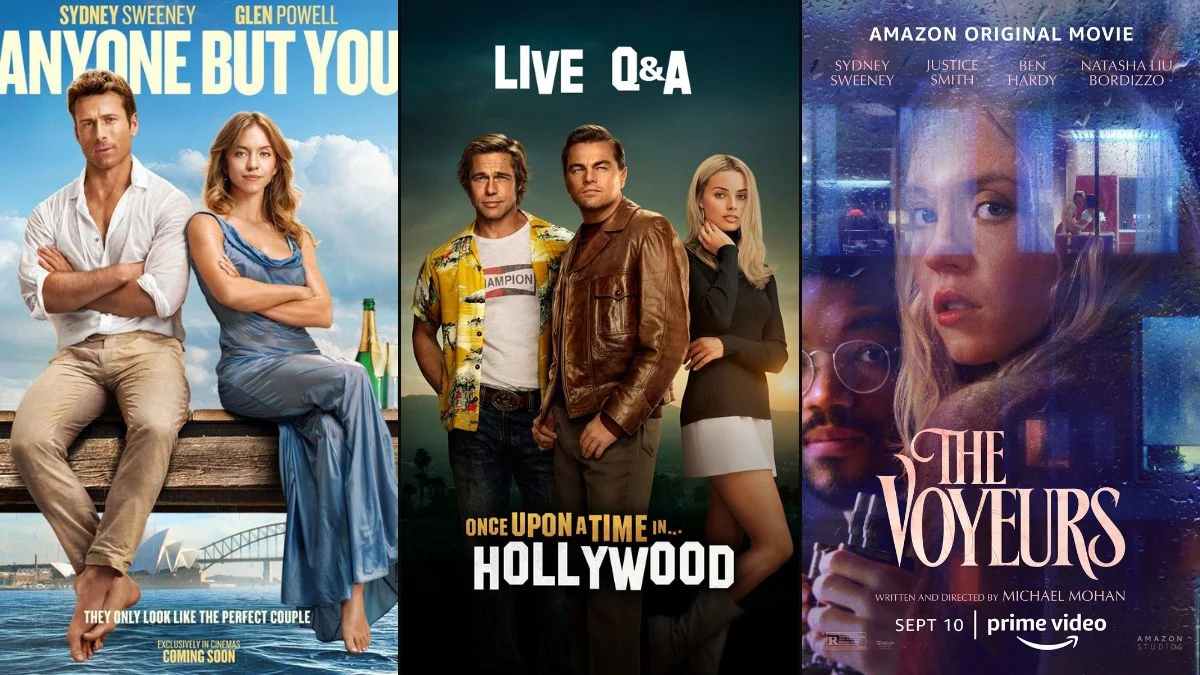
At its core, personal branding for an actor is about establishing a clear, consistent, and desirable image that extends beyond their individual performances. It’s about how they are perceived by fans, casting directors, producers, and marketers. The films and television shows an actor chooses to be a part of are the most tangible expressions of this brand, directly influencing their perceived range, their artistic inclinations, and even their values. In an age where digital footprints are indelible and public scrutiny is constant, strategic filmography management is an indispensable tool for long-term career success and brand equity.
The Filmography as a Brand Portfolio: Crafting Identity Through Roles
An actor’s filmography functions much like a sophisticated brand portfolio, each entry a product or service that contributes to the overall brand identity. It showcases their skills, their versatility, and their commitment to their craft, but more importantly, it shapes the narrative surrounding their persona. The cumulative effect of these choices dictates whether an actor is seen as a versatile chameleon, a reliable leading man/woman, a comedic genius, or a dramatic powerhouse. This carefully constructed image is what ultimately draws audiences and secures future opportunities.
Beyond the Screen: How Character Portrayals Shape Public Perception
The characters an actor embodies on screen inevitably bleed into their public perception. When an actor consistently takes on roles that portray strength, vulnerability, heroism, or villainy, these traits begin to associate with their off-screen persona. This phenomenon is a double-edged sword: it allows actors to cultivate a desired image, but it also risks typecasting if not managed strategically. For instance, an actor who consistently plays charming romantic leads might find it challenging to be taken seriously in a gritty drama, not because they lack the skill, but because their brand has been so strongly associated with a particular archetype.
Effective personal branding in this context involves a conscious decision to either lean into a successful archetype, establishing a strong, recognizable niche, or to actively defy it, demonstrating range and preventing stagnation. The perception is not merely about acting ability, but about the story the actor’s career tells. Are they seen as an artist committed to challenging roles, or a commercial entity focused on blockbusters? Each choice subtly shifts how the public and industry perceive their artistic intentions and personal integrity.
Genre Exploration and Brand Diversification
Strategic genre exploration is a powerful tool for brand diversification. An actor who can seamlessly transition between comedy, drama, action, and independent film projects demonstrates a broader appeal and greater artistic depth. This versatility enhances their marketability and opens up a wider array of opportunities. However, this diversification must be strategic. Randomly jumping between disparate genres without a coherent narrative can dilute a brand, making it difficult for audiences and industry professionals to pinpoint what the actor stands for.
The goal is to expand the brand’s reach while maintaining its core identity. For example, a comedic actor might take on a serious dramatic role to showcase their range and garner critical acclaim, thereby evolving their brand from purely comedic to a more respected “serious actor who can also do comedy.” This carefully planned expansion can revitalize a career, attract new audiences, and demonstrate artistic growth, all contributing to a more robust and resilient personal brand. It’s about adding new dimensions without abandoning the foundational appeal that initially captivated an audience.
Strategic Career Trajectories: Building a Brand Narrative
An actor’s career is not a random collection of projects but a carefully constructed narrative, each chapter represented by a set of filmography choices. From early breakout roles to established stardom and potential reinvention, every decision contributes to an overarching brand story. This narrative guides expectations, shapes media coverage, and solidifies an actor’s place within the cultural zeitgeist. Building a strong brand narrative requires foresight, calculated risk-taking, and a deep understanding of market positioning.
Early Career Choices: Establishing the Foundational Brand
The initial years of an actor’s career are critical for establishing their foundational brand. Early roles, even minor ones, can set the tone for future perceptions. A breakout role in a critically acclaimed indie film might position an actor as an artistic talent, while a starring role in a commercially successful teen drama could brand them as a charismatic pop culture icon. These early choices often dictate the types of roles that follow, creating momentum in a particular direction.
During this phase, actors often grapple with the balance between accepting any role for exposure and strategically selecting projects that align with their desired long-term brand. It’s about making choices that not only showcase immediate talent but also build a runway for future growth. A foundational brand might emphasize relatability, edginess, or classic charm, and consistency in these early choices helps solidify that image in the minds of the audience and industry decision-makers. This period is less about massive financial gain and more about carving out a distinct identity that can be leveraged later.
Navigating Stardom: Reinvention and Brand Longevity
Once an actor achieves stardom, the challenges shift from establishing a brand to maintaining and evolving it. Stardom brings increased scrutiny, greater expectations, and the potential for typecasting. To sustain longevity, successful actors often engage in strategic reinvention. This might involve taking on unexpected roles, collaborating with new directors, or even venturing into production. Reinvention isn’t about discarding the past, but about adding new layers and dimensions to an established brand, proving adaptability and continuous artistic hunger.
Brand longevity hinges on relevance and authenticity. Actors who remain static risk fading into obscurity, while those who strategically adapt and evolve their brand can enjoy decades of successful careers. This might involve a shift from acting to directing, advocating for social causes, or launching personal ventures that align with their established persona. The goal is to keep the public engaged and interested, demonstrating growth and depth beyond just their on-screen performances, while staying true to the core values that define their unique brand.
The Business of Branding: Marketability and Endorsement Value
Beyond artistic expression, an actor’s filmography has profound commercial implications. A well-curated body of work translates directly into marketability, influencing everything from salary negotiations to endorsement deals. In the modern entertainment ecosystem, an actor isn’t just a performer; they are a marketable entity, a commodity whose brand value is meticulously assessed by studios, advertisers, and investors. The business side of an actor’s brand is as crucial as their artistic merit, dictating their economic power and influence.

The Commercial Impact of a Curated Filmography
The commercial success and critical reception of an actor’s films directly impact their brand’s market value. A string of box-office hits or critically acclaimed performances can significantly boost an actor’s asking price and their desirability for future high-profile projects. Conversely, a series of flops or poorly received performances can diminish brand value, making it harder to secure top-tier roles or lucrative deals. This commercial impact is not just about individual projects but the overall narrative their filmography tells about their reliability as an investment.
Studios and production companies often look at an actor’s “ROI” (Return on Investment) based on their track record. A consistent filmography of engaging performances in profitable projects positions an actor as a safe and potentially highly rewarding investment. This commercial reputation allows actors to command higher salaries, negotiate better terms, and gain more creative control, essentially strengthening their brand’s negotiating power within the industry. It’s a testament to the idea that a strong artistic brand eventually translates into a robust commercial one.
Leveraging On-Screen Persona for Off-Screen Opportunities
An actor’s on-screen persona, carefully developed through their filmography, is a potent asset for off-screen opportunities, particularly in endorsements and advertising. Brands seek to align themselves with celebrities whose public image resonates with their target audience. An actor known for adventurous roles might be ideal for an outdoor gear company, while one celebrated for elegance could endorse luxury fashion. The synergy between the actor’s brand and the product’s brand is paramount.
The filmography provides tangible evidence of an actor’s brand attributes – whether it’s trustworthiness, sophistication, humor, or grit. These attributes are then leveraged to create compelling marketing campaigns. This expansion into commercial ventures not only diversifies an actor’s income streams but also further reinforces their personal brand in the public consciousness. However, authenticity is key; aligning with products that genuinely reflect an actor’s established brand prevents accusations of “selling out” and maintains brand integrity.
Digital Footprint and Brand Amplification
In the digital age, an actor’s filmography is amplified and contextualized by their online presence. Social media platforms, fan communities, and digital content creation tools play a critical role in shaping, disseminating, and managing an actor’s personal brand. The digital footprint acts as a dynamic extension of their filmography, offering direct channels for interaction, content sharing, and brand reinforcement, transforming passive viewers into active participants in the brand’s narrative.
Social Media as an Extension of the Filmography Brand
Social media has become an indispensable tool for actors to manage and amplify their personal brand. Platforms like Instagram, Twitter, and TikTok allow actors to showcase aspects of their personality beyond their on-screen roles, providing a direct, unfiltered connection with their audience. This allows them to offer behind-the-scenes glimpses, share personal interests, and engage in real-time conversations, all of which deepen their relationship with fans and round out their brand identity.
Through strategic social media engagement, actors can reinforce the themes present in their filmography, clarify their artistic intentions, or even introduce new facets of their personality. It provides a platform to share their passions, advocate for causes, and humanize their celebrity status, making them more relatable and accessible. This digital extension of their brand allows for a more nuanced and multi-dimensional portrayal, ensuring their identity isn’t solely defined by the characters they play.
Fan Engagement and Community Building
The digital realm also facilitates robust fan engagement and community building, which are crucial for a thriving personal brand. Active fan bases can become powerful advocates, generating organic buzz, defending against criticism, and creating a loyal audience for future projects. Actors who strategically engage with their fans foster a sense of belonging and appreciation, transforming passive viewers into invested supporters.
This direct interaction allows actors to understand their audience better, adapt their brand strategy, and maintain relevance. By acknowledging fan feedback, celebrating fan art, or participating in Q&As, actors build a strong, loyal community that serves as a consistent source of support and amplification for their brand. This organic connection is invaluable, providing a resilient foundation for their personal brand that transcends individual movie releases and sustains their career through various phases.
Challenges and Evolution: Sustaining a Personal Brand in Hollywood
Building a compelling personal brand through filmography is an ongoing process, fraught with challenges and requiring continuous evolution. The entertainment industry is notoriously fickle, and maintaining relevance, authenticity, and appeal over a prolonged career demands strategic foresight, resilience, and a willingness to adapt. The journey from emerging talent to enduring icon is paved with intentional brand management decisions.
Overcoming Typecasting and Maintaining Authenticity
One of the most persistent challenges for actors is typecasting – being pigeonholed into similar roles based on early successes or physical attributes. While typecasting can provide a steady stream of work, it can also stifle artistic growth and limit an actor’s brand potential. Overcoming typecasting requires deliberate and often challenging choices to pursue roles that defy expectations, even if it means stepping outside their comfort zone or taking a temporary pay cut.
Maintaining authenticity throughout this process is paramount. Audiences are savvy and can quickly detect insincerity. An actor’s efforts to reinvent their brand must feel organic and true to their evolving artistic sensibilities. This balance between challenging perceptions and staying true to oneself is a delicate tightrope walk, but crucial for a personal brand that is both dynamic and genuinely resonates with the public. Authenticity fosters trust and deepens connection, making the brand more resilient in the face of industry shifts.

Adapting to Industry Shifts and Audience Expectations
The entertainment industry is in a perpetual state of flux, driven by technological advancements, changing consumption habits, and evolving societal values. Successful actors must adapt their brand strategy to these shifts, embracing new platforms, genres, and storytelling formats. What worked for brand building a decade ago might be obsolete today. This necessitates continuous learning and a willingness to experiment with new media and narrative approaches.
Audience expectations also play a significant role. Today’s audiences demand not just talent, but also authenticity, social responsibility, and accessibility from their favorite stars. An actor’s brand must reflect these evolving expectations, possibly integrating advocacy, philanthropy, or personal ventures that align with contemporary values. The ability to anticipate and respond to these shifts, while staying true to their core identity, is what truly separates fleeting fame from enduring legacy. A robust personal brand, meticulously built through a thoughtfully curated filmography and amplified by strategic digital engagement, is an actor’s most valuable asset in navigating the complex and ever-changing world of Hollywood.
aViewFromTheCave is a participant in the Amazon Services LLC Associates Program, an affiliate advertising program designed to provide a means for sites to earn advertising fees by advertising and linking to Amazon.com. Amazon, the Amazon logo, AmazonSupply, and the AmazonSupply logo are trademarks of Amazon.com, Inc. or its affiliates. As an Amazon Associate we earn affiliate commissions from qualifying purchases.