
The year 2016 was not merely a collection of cinematic releases; it was a testament to the dynamic interplay of corporate identity, brand strategy, and consumer engagement within the global entertainment industry. For Hollywood’s major studios and burgeoning independent houses alike, the annual slate of films represents an intricate portfolio of branded products, each carefully positioned to capture market share, extend franchises, and reinforce corporate identity. Understanding “what movies are coming out” in a given year, therefore, transcends simple release dates; it becomes an analysis of strategic maneuvers, market battles, and the ongoing evolution of storytelling as a brand.

This article delves into the 2016 cinematic landscape through the lens of brand strategy, exploring how studios leveraged their intellectual property, crafted compelling marketing narratives, and adapted to shifting audience expectations to build and sustain their valuable brands.
The Battle for Brand Dominance: Studio Strategies in 2016
The competitive arena of 2016 saw major studios vying for audience attention, employing distinct brand strategies to differentiate their offerings and maximize impact. Each studio, with its unique corporate identity and legacy, approached the year’s releases as a critical opportunity to reinforce its market position.
Franchise Expansion and Brand Legacy: Securing the Future
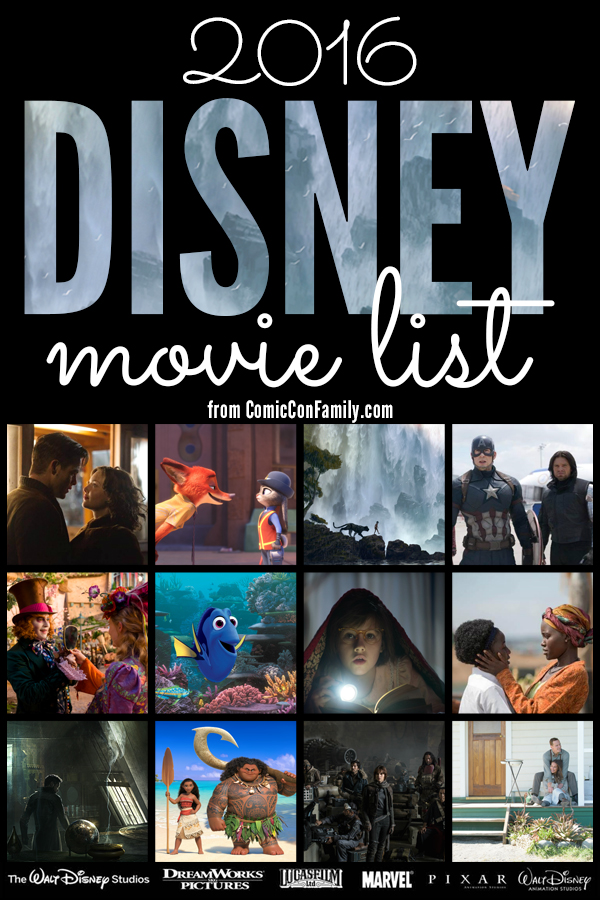
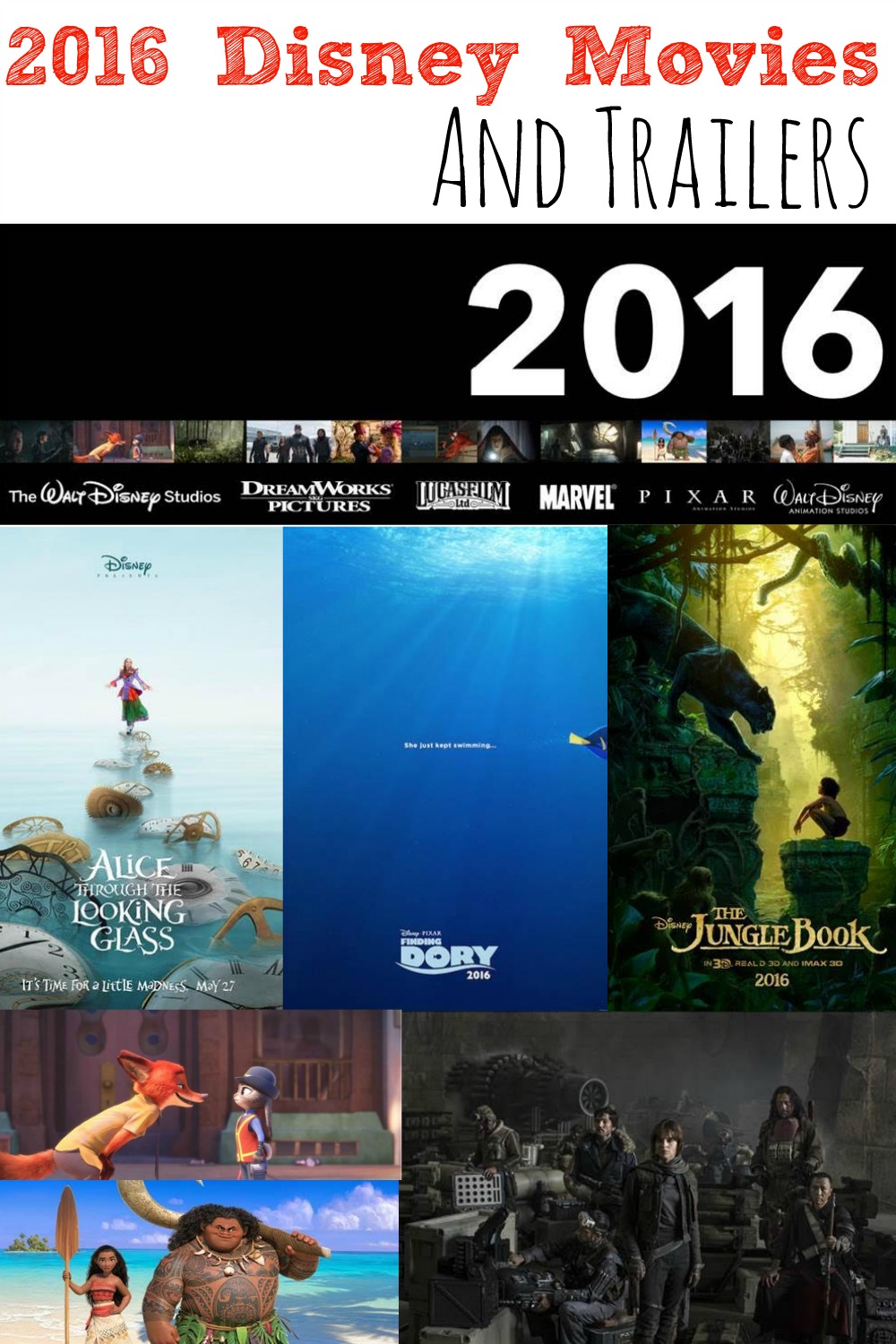
One of the most potent strategies observed in 2016 was the aggressive expansion and careful nurturing of established franchises. Studios understood that existing intellectual property (IP) provided a foundational brand equity, promising built-in fanbases and reduced marketing friction. Disney, in particular, showcased its prowess in this area. “Captain America: Civil War” (Marvel Studios/Disney) was a masterclass in brand continuation, leveraging the established character arcs and narrative threads of the Marvel Cinematic Universe (MCU) to deliver a high-stakes, brand-reinforcing blockbuster. Its success wasn’t just in box office numbers, but in strengthening the overarching Marvel brand, ensuring its multi-film continuity remained a dominant force.
Similarly, Lucasfilm (also Disney) extended the beloved Star Wars brand with “Rogue One: A Star Wars Story.” This film demonstrated a crucial branding tactic: expanding the narrative universe beyond the Skywalker saga, proving the Star Wars brand was robust enough to support anthology films and new characters while retaining its core identity. Warner Bros. strategically launched “Batman v Superman: Dawn of Justice,” a pivotal film in establishing their DC Extended Universe. While met with mixed critical reception, its brand objective was clear: unite two of DC’s most iconic characters, setting the stage for future interconnected films and laying the groundwork for a comprehensive cinematic universe brand that could rival the MCU. These films were not isolated products; they were critical components in long-term brand building, designed to ensure a steady pipeline of content and maintain consumer loyalty for decades.
Reviving Classic IP and Re-branding Efforts: The Power of Nostalgia
Beyond direct franchise sequels, 2016 also saw a significant trend in studios attempting to revive dormant or classic intellectual property, aiming to capitalize on nostalgia while re-introducing these brands to a new generation. Sony Pictures took a bold step with the all-female “Ghostbusters” reboot. This project was a high-stakes re-branding exercise, aiming to modernize a cherished 80s comedy classic while navigating intense fan scrutiny and evolving cultural conversations around representation. The film’s marketing had to simultaneously appeal to long-time fans and attract a new, diverse audience, a delicate balancing act for any brand.
Other examples included Warner Bros.’ “The Legend of Tarzan,” a gritty, contemporary take on a century-old character, and 20th Century Fox’s “Independence Day: Resurgence,” a belated sequel attempting to reignite a 90s blockbuster phenomenon. These efforts underscored the industry’s reliance on familiar brand anchors, but also highlighted the challenges of re-contextualizing established identities for a contemporary market. Success hinged not just on recognition, but on whether the re-imagined brand could resonate with current audience sensibilities and justify its new iteration.
Niche Market Penetration and Indie Brand Cultivation: Diverse Offerings
While blockbusters dominated headlines, 2016 also showcased the strategic importance of cultivating niche brands and supporting independent cinema. Studios like A24 (though an independent distributor, it operates with a strong brand identity) continued to carve out a distinctive corporate identity through a curated selection of critically acclaimed, artist-driven films. Their release of “Moonlight,” which would go on to win Best Picture, solidified A24’s brand as a purveyor of prestige, author-driven cinema, appealing to a specific demographic that values artistic integrity over commercial spectacle.
Similarly, major studios often have specialized divisions (e.g., Fox Searchlight Pictures) that focus on lower-budget, critically acclaimed features. These divisions strategically diversify the parent company’s brand portfolio, allowing them to participate in the awards circuit and attract different audience segments, even if these films don’t achieve blockbuster box office numbers. The marketing for these films is highly targeted, focusing on critical buzz, festival recognition, and strong word-of-mouth among specific cultural communities. This dual strategy of mass-market blockbusters and niche artistic endeavors ensures a broad corporate brand appeal, covering various consumer tastes and cementing industry influence beyond pure commercial metrics.
Marketing Mastery: Crafting Buzz for Blockbuster Brands
The success of any film in 2016, regardless of its underlying brand equity, was inextricably linked to the effectiveness of its marketing and promotional campaigns. Studios employed a sophisticated array of strategies to build anticipation, shape public perception, and convert interest into ticket sales.
Digital Engagement and Social Media Hype: The Modern Trailer Drop
The digital landscape had, by 2016, become the primary battleground for pre-release hype. Teaser trailers, full trailers, behind-the-scenes featurettes, and character posters were strategically dropped online, often becoming viral events themselves. Social media platforms like Twitter, Facebook, and Instagram were indispensable tools for direct engagement with potential audiences. For films like “Suicide Squad” (Warner Bros.), the drip-feed of content – from initial cast photos to music video tie-ins – was meticulously orchestrated to maintain a constant chatter and fan speculation, generating immense brand awareness long before release.
Studios also leveraged influencer marketing, collaborating with popular YouTubers, Instagram personalities, and genre critics to create organic buzz and reach specific demographics. This peer-to-peer recommendation was a powerful branding tool, lending authenticity to promotional efforts that traditional advertising sometimes lacked. The careful management of online narratives and the rapid response to fan feedback became critical aspects of preserving a film’s brand image in the hyper-connected digital age.
Experiential Marketing and Brand Activation: Beyond the Screen
Beyond digital, studios invested heavily in experiential marketing, creating immersive events that allowed audiences to physically interact with their film brands. Comic-Con International in San Diego remained a crucial platform for major announcements, exclusive footage reveals, and direct fan engagement. Panels for “Doctor Strange” (Marvel Studios/Disney) or “Fantastic Beasts and Where to Find Them” (Warner Bros.) generated significant buzz, transforming the viewing experience into a communal celebration of the brand.
Pop-up experiences, movie-themed art installations, and character appearances at various events were all designed to create memorable brand activations. These initiatives aimed to deepen the emotional connection between the audience and the film brand, fostering a sense of ownership and excitement that transcended typical advertising. The goal was to make the film not just a product, but an experience, reinforcing its unique corporate identity and story.
Strategic Release Windows and Counter-Programming: Timing is Everything
The timing of a film’s release is a critical strategic decision, influencing its ability to capture a substantial audience and avoid direct competition. Studios carefully analyzed the calendar, seeking opportune windows such as holiday weekends (e.g., Memorial Day for “X-Men: Apocalypse,” Christmas for “Rogue One”), summer blockbuster season, or prestige slots in the fall for awards consideration.
Counter-programming was another key tactic. While one studio might release a superhero epic, another might strategically launch a family animation (e.g., “Zootopia” or “Moana” from Disney) or a horror film to target different demographics and avoid head-to-head battles for the same audience. This sophisticated scheduling ensured that the overall corporate brand portfolio of each studio had a chance to shine, maximizing market penetration across various genres and target groups. The 2016 release calendar was a complex chessboard where every move was a calculated risk and an opportunity to outmaneuver competitors.
The Evolution of Storytelling Brands: Adapting to Audience Demands
The core of any film brand is its story and the values it represents. In 2016, studios demonstrated a growing awareness of evolving societal expectations, leading to adaptations in how stories were told and presented, directly impacting their brand perception.
Diversity in Casting and Narrative: Reflecting the Modern Audience
As cultural conversations around representation gained prominence, film brands increasingly recognized the importance of reflecting diverse experiences on screen. Disney’s animated features, “Zootopia” and “Moana,” were celebrated for their strong female protagonists and culturally rich narratives. These films not only delivered engaging stories but also contributed to Disney’s corporate identity as an inclusive and progressive entertainment brand, appealing to a broader, more global audience.
While progress was incremental, the increasing visibility of diverse casts and storylines began to reshape audience expectations and critical discourse. For studios, embracing diversity was not just a moral imperative but a strategic brand decision, enhancing relevance and fostering deeper connections with a diverse consumer base. It demonstrated an understanding that a modern brand must mirror the modern world to remain impactful.
The Power of the Prequel/Sequel Brand: Leveraging Established Universes
The reliance on sequels, prequels, and shared universes continued unabated in 2016, underscoring the immense brand value of established narratives. These films – from “Finding Dory” (Pixar/Disney) to “Star Trek Beyond” (Paramount) – offered the comfort of familiarity and the promise of expanding beloved worlds. For studios, these were relatively safe bets, leveraging existing brand loyalty and providing a clear path for merchandise, spin-offs, and further brand extensions.
However, simply having an established brand was not enough. Films like “Alice Through the Looking Glass” (Disney) showed that even strong brands could falter if the new installment didn’t resonate with audiences or push the narrative forward in a compelling way. The challenge for studios was to maintain the core brand identity while innovating enough to keep the audience engaged and prevent franchise fatigue.
Creator as Brand: Directors and Stars as Endorsers
Beyond the studio and franchise, individual creators—directors, writers, and actors—often carry significant brand equity themselves. In 2016, the release of films by acclaimed directors like Steven Spielberg (“The BFG”) or the star power of actors like Ryan Reynolds (“Deadpool”) played a crucial role in shaping a film’s brand perception. Reynolds’ passionate commitment to “Deadpool” became a significant part of that film’s marketing narrative, reinforcing its irreverent, genre-bending brand identity.
These “creator brands” often lend an aura of quality or a specific stylistic promise to a film, drawing in audiences who follow particular talents. Studios strategically align their projects with such individuals, understanding that their personal brand can significantly amplify the film’s market appeal and reinforce its positioning within the broader cultural landscape.
Measuring Brand Impact: Beyond the Box Office
While box office revenue is the most immediate measure of a film’s commercial success, the true impact of a film as a brand extends far beyond its theatrical run. Studios meticulously track ancillary revenues, critical reception, and long-term franchise value to assess the holistic health of their entertainment brands.
Merchandising and Ancillary Revenue Streams: Extending the Brand Lifecycle
The release of a major film in 2016 was rarely just about the movie itself; it was about launching a complete ecosystem of branded products. For films like “The Secret Life of Pets” (Illumination/Universal) or any of Disney’s animated features, merchandise (toys, apparel, video games) represented a massive revenue stream, often surpassing box office takings. Theme park attractions, live shows, and digital content (streaming rights, video-on-demand) further extended the film’s brand lifecycle and diversified revenue sources. This multi-platform approach solidified the film’s brand presence in everyday consumer life, transforming a cinematic experience into a pervasive cultural touchstone.
These ancillary products are crucial for building long-term brand equity, ensuring that the characters and worlds continue to generate value long after their initial theatrical release. They reinforce the corporate identity by demonstrating the breadth and depth of a studio’s IP management capabilities.
Critical Reception and Brand Perception: Shaping Industry Standing
While not directly tied to immediate profit, critical reception and awards recognition significantly influence a film’s brand perception and, by extension, the corporate identity of the studio behind it. Films like “Manchester by the Sea” (Amazon Studios) or “La La Land” (Lionsgate) earned widespread critical acclaim and multiple awards nominations, elevating their brand prestige and showcasing the artistic discernment of their distributors.
A strong critical showing can attract top talent, enhance a studio’s reputation, and even influence future funding and distribution deals. Conversely, a barrage of negative reviews can tarnish a film’s brand and, if repeated, negatively impact a studio’s overall corporate identity, making it harder to attract audiences for future releases. The balance between commercial success and critical validation is a delicate act for any entertainment brand.
Long-Term Franchise Value: Investing in Future Returns
Ultimately, many of the films released in 2016 were strategic investments in long-term franchise value. The aim was not just a single hit, but the creation of enduring narratives and characters that could anchor entire universes and generate value for decades. The success or failure of films like “Ghostbusters” or “Warcraft” (Legendary/Universal) had ramifications far beyond their opening weekends; they informed future decisions about reviving IP, greenlighting sequels, and investing in new properties.
A strong franchise contributes significantly to a studio’s overall corporate identity, signaling its capacity for sustained creative output and market dominance. It’s a continuous process of nurturing, adapting, and expanding, ensuring that the brand remains relevant and profitable in an ever-evolving entertainment landscape.
Conclusion
The cinematic releases of 2016 were far more than a simple lineup of movies; they were a complex tapestry of brand strategies, marketing ingenuity, and corporate identity management. From the calculated expansion of established universes like the MCU and Star Wars to the ambitious re-branding efforts of classic IP, studios navigated a competitive market with precision and foresight. The emphasis on digital engagement, experiential marketing, and thoughtful release scheduling underscored the sophisticated nature of film marketing as a brand-building exercise. Moreover, the evolving narratives, increased diversity, and strategic exploitation of creator brands all contributed to shaping the industry’s response to a dynamic audience.
Beyond the box office, the true legacy of the 2016 slate was measured in its contribution to merchandising, critical acclaim, and, most importantly, the long-term health and value of entertainment brands that continue to captivate audiences and define the corporate identities of Hollywood’s major players. In essence, “what movies are coming out in 2016” was a direct reflection of the entertainment industry’s ongoing brand evolution.
aViewFromTheCave is a participant in the Amazon Services LLC Associates Program, an affiliate advertising program designed to provide a means for sites to earn advertising fees by advertising and linking to Amazon.com. Amazon, the Amazon logo, AmazonSupply, and the AmazonSupply logo are trademarks of Amazon.com, Inc. or its affiliates. As an Amazon Associate we earn affiliate commissions from qualifying purchases.