
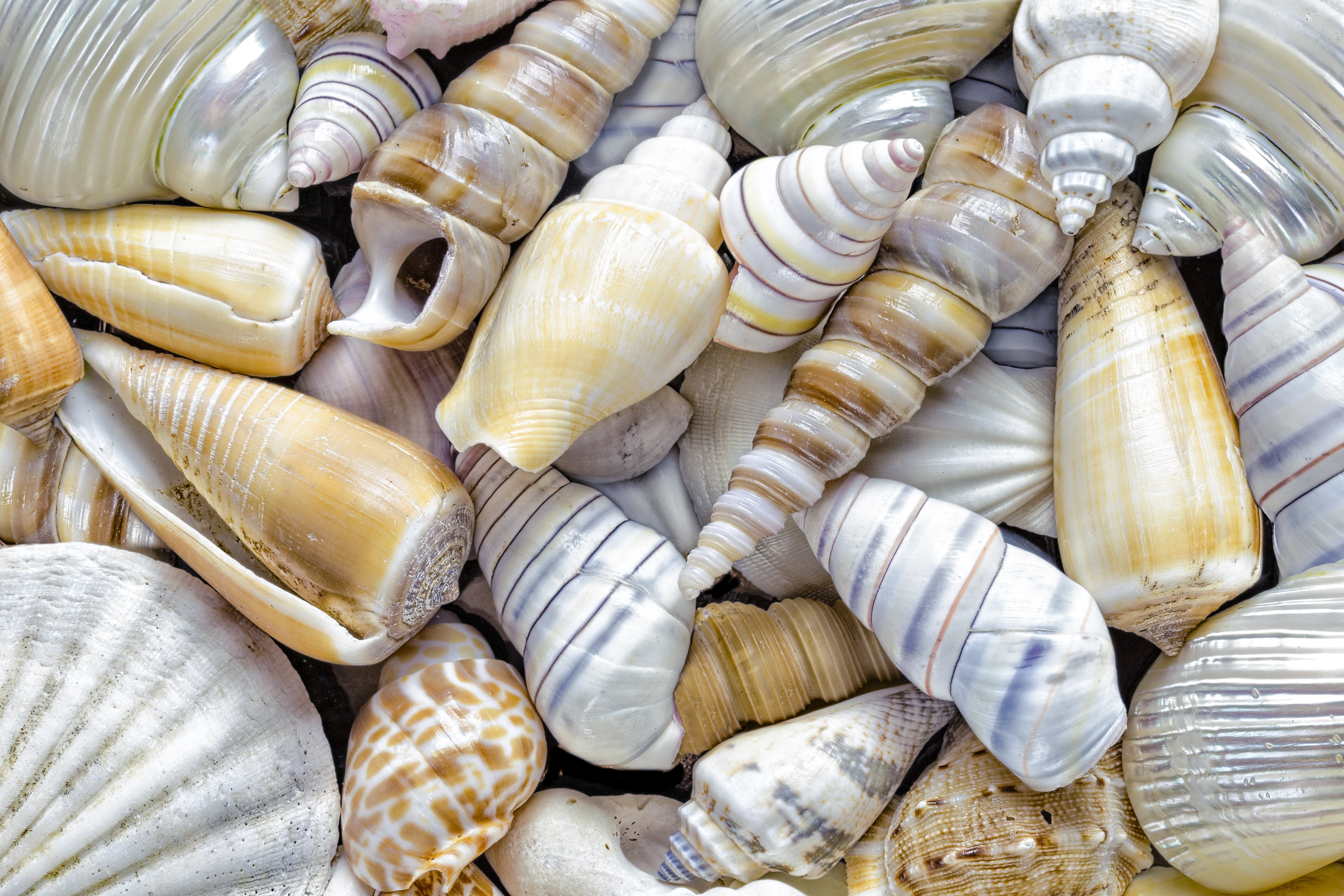
The humble seashell, often admired for its aesthetic beauty and intricate patterns, is in fact a marvel of natural engineering—a sophisticated composite material crafted by living organisms over millions of years. Far from being mere biological curiosities, seashells represent a pinnacle of sustainable material science, offering a rich blueprint for technological innovation. By unraveling the secrets of their formation, scientists and engineers are discovering pathways to create stronger, lighter, and more environmentally friendly materials, propelling advancements in fields ranging from aerospace to biomedicine. This exploration into “what makes seashells” transcends simple biology, becoming a critical discourse on biomimicry and the future of technology.
The Astonishing Engineering of Natural Biomineralization
At its core, a seashell is a testament to the power of biomineralization—the process by which living organisms produce minerals to harden or stiffen existing tissues. This complex biological process, fine-tuned over eons of evolution, results in structures that outperform many synthetic materials in terms of strength, durability, and resilience, all while being produced under ambient conditions.
The Core Ingredients: Calcium Carbonate and Organic Matrix
The primary building block of most seashells is calcium carbonate (CaCO₃), a mineral commonly found in nature. However, it’s not the raw mineral alone that confers the seashell’s remarkable properties. Instead, marine mollusks employ a sophisticated strategy of combining calcium carbonate with a small percentage (typically 1-5%) of organic macromolecules, such as proteins, polysaccharides, and chitin. This organic matrix acts as a crucial scaffold and regulator, controlling the nucleation, growth, and orientation of the mineral crystals. Without this organic component, calcium carbonate would be brittle and weak; with it, it transforms into incredibly tough and resilient composites. The interaction between the inorganic mineral and the organic binder is the first layer of technological genius.
Layer by Layer: The Self-Assembly Process
The formation of a seashell is a meticulously orchestrated self-assembly process. Specialized cells within the mollusk’s mantle deposit layers of calcium carbonate and organic matrix sequentially. This isn’t a random deposition; rather, it’s a highly controlled crystallization process that often results in distinct architectural motifs. Different polymorphs of calcium carbonate, such as calcite and aragonite, are precisely laid down in specific orientations, forming microstructures like prismatic layers or nacreous layers (mother-of-pearl). Each layer is tailored to provide specific mechanical advantages, contributing to the overall integrity and function of the shell. This precise, hierarchical layering is a concept material scientists are eager to replicate for advanced composites.
Strength Through Design: Nacre’s Architectural Brilliance
Perhaps the most famous example of a seashell’s superior engineering is nacre, or mother-of-pearl. Found in abalone and other mollusks, nacre consists of microscopic “bricks” of aragonite separated by ultrathin “mortar” layers of organic material. These aragonite tablets are arranged in staggered, overlapping rows, resembling a microscopic brick wall. When subjected to stress, cracks propagating through the nacre are forced to zig-zag around the strong aragonite tablets, dissipating energy and preventing catastrophic failure. The organic “mortar” also allows for slight slippage between the tablets, absorbing further energy and preventing fracture. This “brick-and-mortar” structure gives nacre a fracture toughness that is thousands of times greater than pure aragonite, making it an ideal model for designing impact-resistant ceramics and lightweight armor.
Leveraging Advanced Technology to Unravel Seashell Secrets
Understanding the intricate processes behind seashell formation is a grand challenge that demands the most sophisticated technological tools available. Scientists are not just observing; they are actively deconstructing and reconstructing these natural marvels at atomic and molecular scales.
High-Resolution Microscopy and Spectroscopy: Peering into Nanostructures
Modern microscopy techniques have revolutionized our ability to study the nanoscale architecture of seashells. Tools like Scanning Electron Microscopes (SEM), Transmission Electron Microscopes (TEM), and Atomic Force Microscopes (AFM) allow researchers to visualize the precise arrangement of mineral crystals and organic layers, revealing the complex three-dimensional structures that contribute to their strength. Complementary spectroscopic methods, such as X-ray Diffraction (XRD) and Raman Spectroscopy, provide crucial information about the crystalline phases, chemical composition, and molecular bonding within these biocomposites. These technologies are indispensable for mapping out the intricate relationships between structure, composition, and mechanical properties.
Computational Modeling and AI: Simulating Nature’s Blueprints
Beyond direct observation, computational tools are proving instrumental in deciphering the rules of biomineralization. Molecular dynamics simulations allow scientists to model the interactions between organic molecules and inorganic crystals at an atomic level, predicting how these interactions influence crystal growth and structure. Furthermore, Artificial Intelligence (AI) and machine learning algorithms are being employed to analyze vast datasets of seashell structures and properties. AI can identify subtle patterns and relationships that human researchers might miss, accelerating the discovery of design principles and guiding the synthesis of new biomimetic materials. This synergy of observation and computation is key to translating natural designs into engineered solutions.
Genetic and Proteomic Analysis: Decoding the Biological Instructions
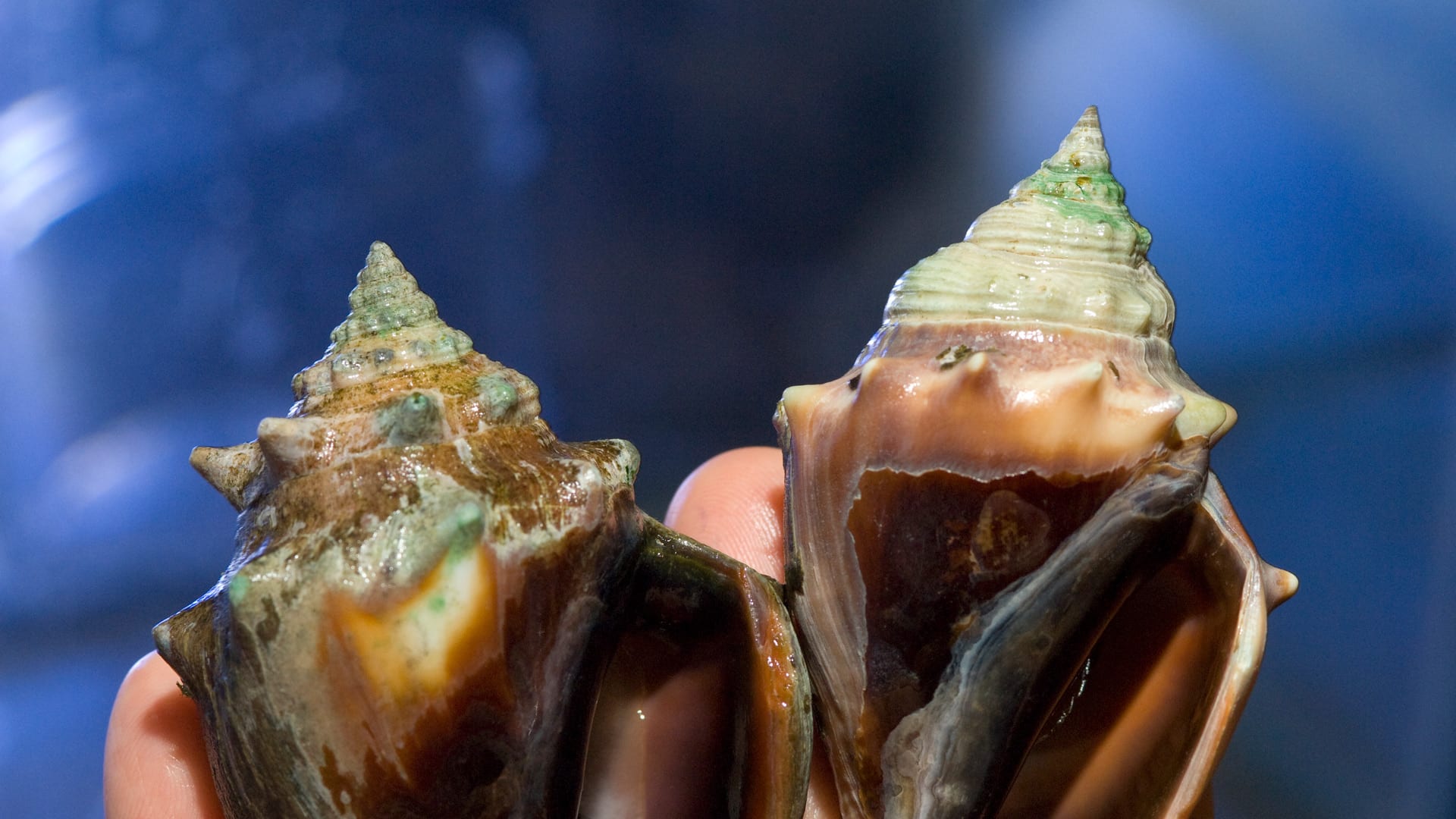
The blueprint for seashell formation is encoded within the mollusk’s genome. Advances in genomics and proteomics allow researchers to identify the specific genes and proteins responsible for initiating, guiding, and terminating the biomineralization process. By sequencing the DNA of shell-forming organisms and analyzing the suite of proteins expressed in the mantle tissue, scientists can pinpoint the exact biological machinery responsible for each step of shell construction. This biological understanding is crucial for potentially engineering bio-factories that can produce shell-like materials or for designing synthetic organic additives that mimic the function of natural mollusk proteins in controlled environments.
Biomimicry in Action: Seashell-Inspired Material Innovation
The insights gained from studying seashells are not merely academic; they are actively driving the development of a new generation of advanced materials. This field, known as biomimicry, seeks to solve human challenges by emulating nature’s time-tested designs and processes.
Developing Super-Tough, Lightweight Composites
The “brick-and-mortar” design of nacre is a prime source of inspiration for creating new ceramic composites with enhanced toughness and resistance to fracture. Researchers are developing synthetic materials that mimic nacre’s hierarchical structure, using ceramics, polymers, and even metals. These nacre-inspired composites promise lightweight yet incredibly strong materials for applications in aerospace (lighter aircraft components), automotive industries (crash-resistant body panels), and protective gear (ballistic vests). The ability to resist crack propagation without adding significant weight is a technological holy grail, and seashells are showing us the way.
Self-Healing Materials and Sustainable Construction
Beyond strength, seashells offer lessons in resilience and sustainability. The intricate interplay between inorganic and organic components in natural shells suggests mechanisms for self-repair. Researchers are exploring how this might inspire self-healing concrete or polymers that can automatically mend cracks, extending the lifespan of infrastructure and reducing maintenance costs. Furthermore, the ability of mollusks to produce complex, high-performance materials from common minerals and water at ambient temperatures is a paradigm for sustainable manufacturing. Imagine construction materials that “grow” themselves with minimal energy input and environmental impact, echoing the mollusk’s process.
Bio-Inspired Coatings and Medical Implants
The unique surface properties of seashells, such as their iridescent luster or resistance to biofouling, are also inspiring technological advancements. Nacre-inspired coatings could lead to more durable and aesthetically pleasing finishes for consumer goods. In the medical field, the biocompatibility of calcium carbonate makes seashell-inspired materials attractive for bone grafts, dental implants, and drug delivery systems. By mimicking the structure and composition of natural biomineralized tissues, engineers aim to create implants that integrate more seamlessly with the human body, reducing rejection rates and improving patient outcomes.
The Broader Technological Impact: Sustainability and Innovation
The study of seashells extends beyond direct material replication, influencing broader technological paradigms, particularly in the realm of sustainability and resource management.
Rethinking Resource Management with Circular Economy Principles
Seashells are perfect examples of materials produced within a natural circular economy. Organisms extract raw materials (calcium ions, carbonate ions) from their environment, process them into high-performance structures, and upon death, these materials often re-enter the natural cycle, eventually contributing to sediment or even new shell formation. This contrasts sharply with linear industrial production. By studying this natural model, we can glean insights into designing industrial processes that minimize waste, maximize resource efficiency, and prioritize the regeneration of materials, aligning with principles of a true circular economy in manufacturing.
Driving Eco-Friendly Manufacturing Processes
The mollusk’s ability to synthesize advanced materials under ambient conditions, using readily available components and minimal energy, stands in stark contrast to energy-intensive and often polluting industrial manufacturing processes. Biomimicry in this context aims not just to copy the end product, but to emulate the efficiency and eco-friendliness of the process itself. Developing technologies that can create high-performance ceramics or composites without extreme temperatures or toxic chemicals is a major goal, with seashells providing a living blueprint for sustainable “green chemistry” and advanced manufacturing.
Future-Proofing Materials Science through Natural Wisdom
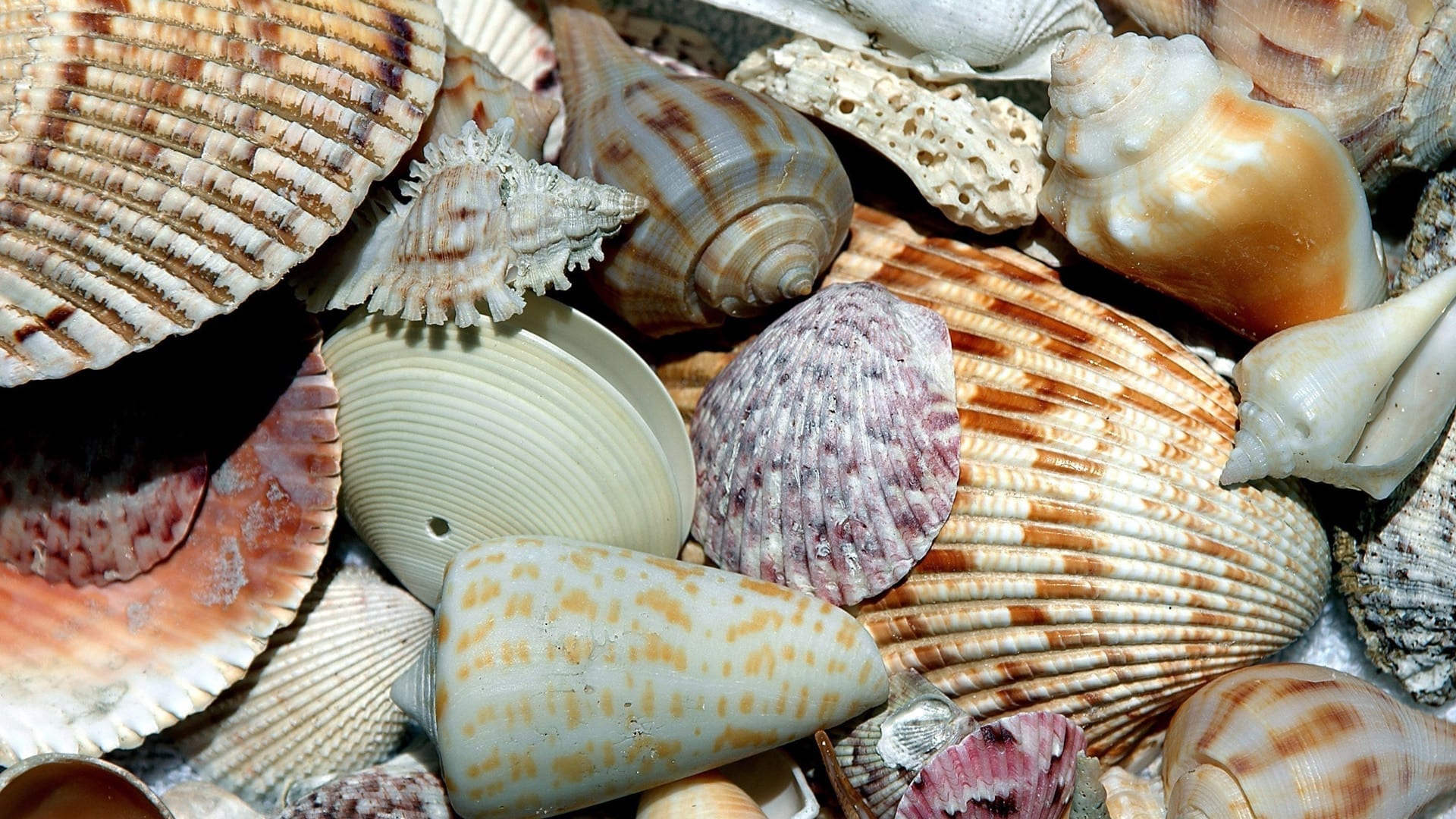
Ultimately, the exploration into “what makes seashells” represents a profound shift in materials science—moving from brute-force empirical discovery to an informed, nature-inspired design philosophy. As we face global challenges like resource depletion, climate change, and the demand for increasingly complex functionalities, looking to nature’s millions of years of research and development offers a powerful strategy. Seashells, as resilient and elegantly constructed products of biological evolution, are not just beautiful objects; they are a profound repository of technological wisdom, poised to inspire innovations that will define the next generation of materials and a more sustainable future.
aViewFromTheCave is a participant in the Amazon Services LLC Associates Program, an affiliate advertising program designed to provide a means for sites to earn advertising fees by advertising and linking to Amazon.com. Amazon, the Amazon logo, AmazonSupply, and the AmazonSupply logo are trademarks of Amazon.com, Inc. or its affiliates. As an Amazon Associate we earn affiliate commissions from qualifying purchases.