
Understanding your proficiency in a foreign language is rarely a simple matter of counting how many vocabulary words you have memorized. In the modern digital landscape, language learning has transitioned from textbook-bound memorization to a nuanced integration of software ecosystems, artificial intelligence tools, and personalized digital learning paths. Determining your Spanish level today requires an analysis of your interaction with the technology that defines contemporary linguistic acquisition. Whether you are leveraging AI-driven chatbots to practice conversation or utilizing sophisticated adaptive learning algorithms to bridge knowledge gaps, your proficiency is now inextricably linked to your digital fluency.

The Digital Framework of Language Proficiency
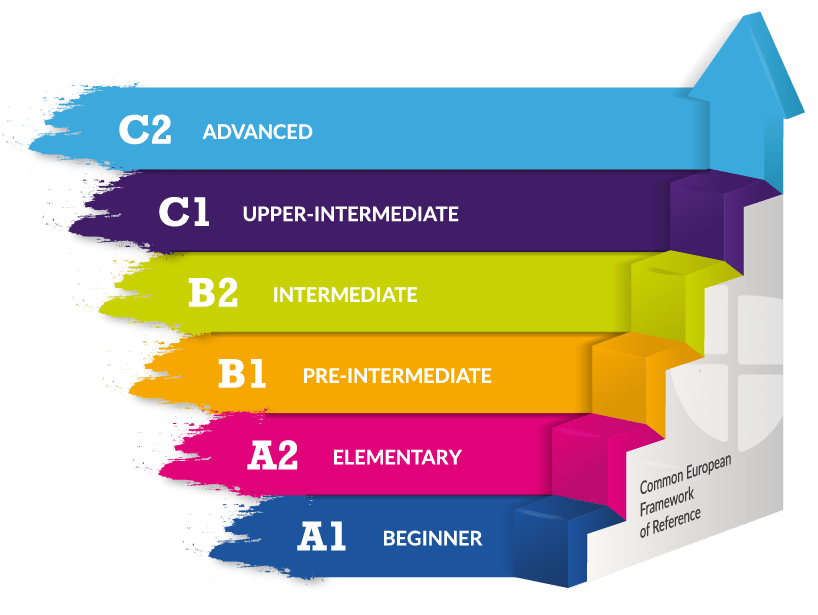
Language proficiency is no longer measured solely by the traditional Common European Framework of Reference for Languages (CEFR). Today, we must view Spanish competency through the lens of digital tool integration. If you are questioning your current level, you must evaluate how you utilize the tools at your disposal to interact with the Spanish-speaking world.
Assessing Your Algorithmic Competency
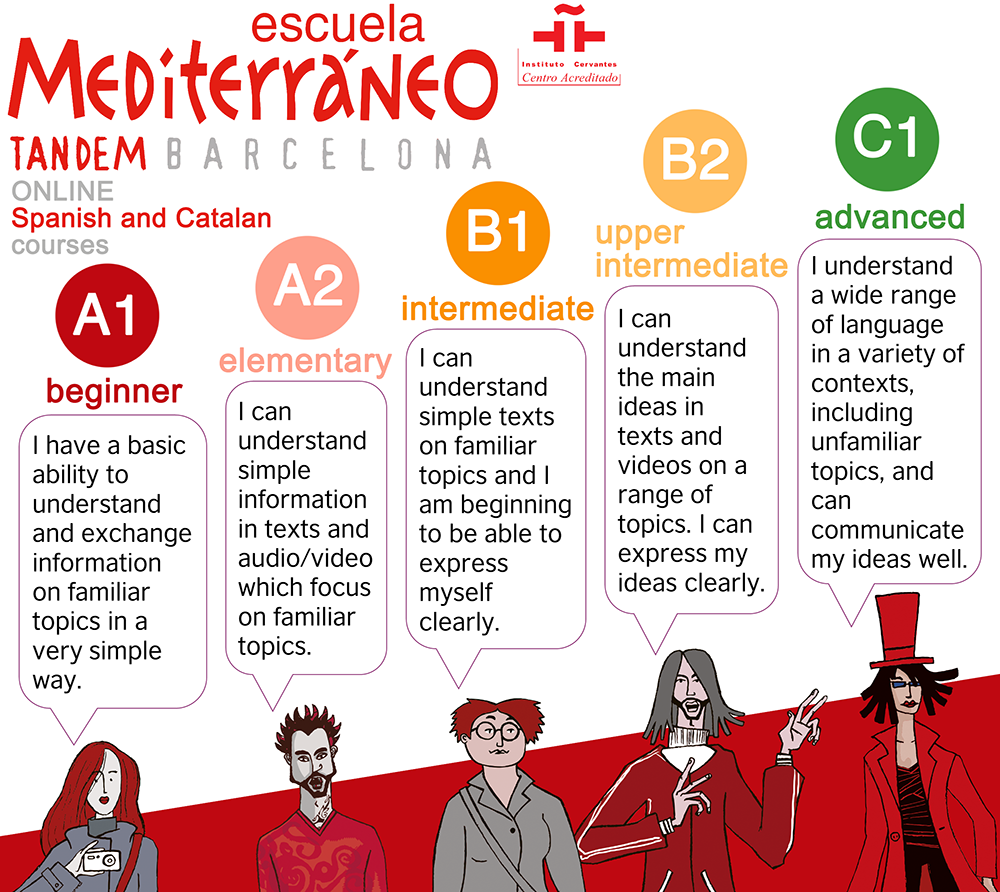
Your current level can be categorized by how you interact with AI-driven language platforms. Beginners often rely on basic gamified apps that utilize linear progression paths. If you find yourself strictly bound to these rote-learning cycles, your proficiency is likely hovering in the A1-A2 range.
Intermediate learners, conversely, have moved toward personalized AI tutoring systems. These learners utilize Large Language Models to simulate complex scenarios—negotiating, summarizing technical documents, or engaging in nuanced cultural discussions. If you are using these tools to troubleshoot your syntax rather than just looking up vocabulary, you have entered the B1-B2 tier. Advanced speakers utilize technology as a functional extension of their cognitive process, rarely requiring translation software for meaning but utilizing digital editors to refine the stylistic elegance of their written Spanish.
Data-Driven Self-Correction
A key marker of your proficiency is your ability to leverage software for self-correction. High-level learners use grammar-checking plugins and text-to-speech tools to conduct an objective audit of their output. If you are capable of identifying why a software-based corrector flagged a specific subjunctive mood error, you are operating at an advanced professional level. If you simply accept the correction without understanding the underlying grammatical logic, you are likely still in the developmental phase of intermediate learning.
Integrating Technical Tools into Your Learning Path
To accurately gauge your Spanish level, you must examine how your reliance on digital infrastructure changes as you progress. Advanced learners reach a point of “technological invisibility,” where the tools become secondary to the communication objective.
The Role of Adaptive Learning Engines
Adaptive learning software is the modern barometer for language status. These platforms use machine learning to identify your “forgetting curve” and the precise moments where your vocabulary retention falters. If your learning platform frequently serves you the same foundational verbs, your proficiency remains in the novice category. If the engine is pushing you toward complex, context-heavy materials—such as industry-specific articles or regional literature—the system is acknowledging that you have moved past the plateau of the intermediate learner.
Leveraging Real-Time Feedback Loops
The ultimate test of your current level is your engagement with real-time feedback loops. Can you participate in a video call while simultaneously utilizing a browser-based speech-to-text tool to verify your pronunciation and clarity? This requires a cognitive load that only advanced speakers can manage effectively. Beginners find this distracting and inhibitory; intermediate learners find it helpful but exhausting; advanced learners utilize these feedback loops subconsciously to micro-adjust their output during live conversation.
Metrics for Evaluating Your Digital Proficiency
If you want to move beyond the subjective “how do I feel” approach, you must focus on the data your digital ecosystem provides. Most modern language applications provide an “engagement score” or “mastery percentage,” but these numbers are often vanity metrics. You need to look deeper into the specific areas of your digital footprint.
Analyzing Vocabulary Complexity in Your Digital Output
Review the last three long-form texts or voice memos you generated using a digital interface. Does your vocabulary shift based on the topic? A novice learner uses a narrow, repetitive set of high-frequency words across all topics. An advanced speaker uses a diversified lexicon that varies depending on whether they are sending a casual message or a formal digital correspondence. Examine your sent history; if your phrasing remains static, your proficiency is static. If your digital voice shows an evolving complexity, you are actively ascending the proficiency ladder.
Evaluating Your Listening Comprehension Through Media Consumption
Your choice of media and your reliance on digital aids like subtitles reflect your level. A novice relies on native-language subtitles to bridge the gap; an intermediate learner uses Spanish subtitles to reinforce audio processing; an advanced learner consumes digital media without any assistance. The evolution of your settings—from turning subtitles on, to switching them to Spanish, to eventually turning them off entirely—is one of the most reliable metrics for your actual level.
The Future of Spanish Proficiency in the Era of AI
As artificial intelligence continues to integrate into language learning, the definition of “fluency” is being rewritten. We are moving toward a future where being “fluent” does not mean you have a perfect mental dictionary, but rather that you are an expert at managing the digital tools that provide you with the information you need in real-time.
Bridging the Gap Between AI and Human Cognition
The bridge between being a “B2” learner and a “C1/C2” master often lies in your ability to synthesize information from various digital sources. Can you listen to a Spanish podcast, use an AI summarizer to capture key points, and then articulate your own opinion on the subject in written Spanish? This is the hallmark of the modern polyglot. It is no longer about raw memorization; it is about the synthesis of information across digital mediums.
Strategic Roadmap for Progress
If you have identified your level as, for example, “High Intermediate (B2),” your path forward should involve a transition from “learning Spanish” to “using Spanish to learn.” Instead of focusing on vocabulary lists, you should be using your Spanish to explore tech-related forums, follow software development tutorials in Spanish, or participate in digital communities where Spanish is the primary language.
By treating the language as an operating system—a tool to navigate information and connect with global systems—you remove the psychological barrier of “not knowing enough.” You stop asking “what level am I?” and start asking “what can I accomplish with the Spanish I currently have?” This shift in perspective is exactly what separates those who remain trapped in the cycle of perpetual app-usage from those who truly master the language.
Your current Spanish level is not a static destination; it is a data point in an ongoing process of technological and linguistic integration. By auditing your digital habits, observing how your reliance on software evolves, and pushing the boundaries of how you use Spanish in your professional and personal tech stack, you will find that your proficiency is not just a label—it is a functional capability that grows as your digital fluency expands.
aViewFromTheCave is a participant in the Amazon Services LLC Associates Program, an affiliate advertising program designed to provide a means for sites to earn advertising fees by advertising and linking to Amazon.com. Amazon, the Amazon logo, AmazonSupply, and the AmazonSupply logo are trademarks of Amazon.com, Inc. or its affiliates. As an Amazon Associate we earn affiliate commissions from qualifying purchases.