
When a brand considers expanding its reach into Central Asia, the first hurdle—and the greatest opportunity—is linguistic competence. Mongolia, a nation rapidly integrating into the global digital economy, presents a unique case study in brand identity. Understanding the Mongolian language is not merely an academic exercise; it is a fundamental pillar of market entry strategy, consumer engagement, and long-term corporate positioning. To successfully navigate this market, one must move beyond surface-level translations and delve into the structural and cultural essence of the language.
The Linguistic Foundations: More Than Just Script
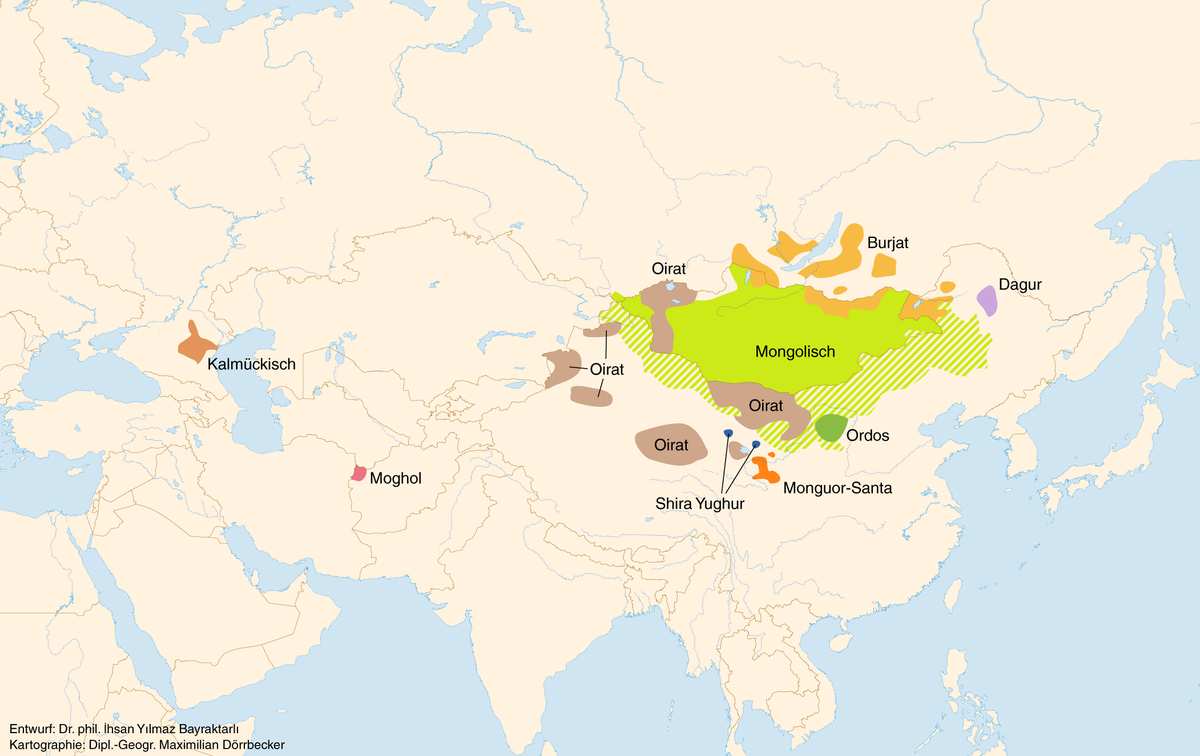
At the core of the Mongolian language is the Mongolic family, a distinct linguistic lineage that sets it apart from its neighbors, such as the Turkic or Tungusic groups. For a branding strategist, recognizing the nuance of the language is the first step toward crafting a message that resonates with the domestic audience.
The Evolution of the Script
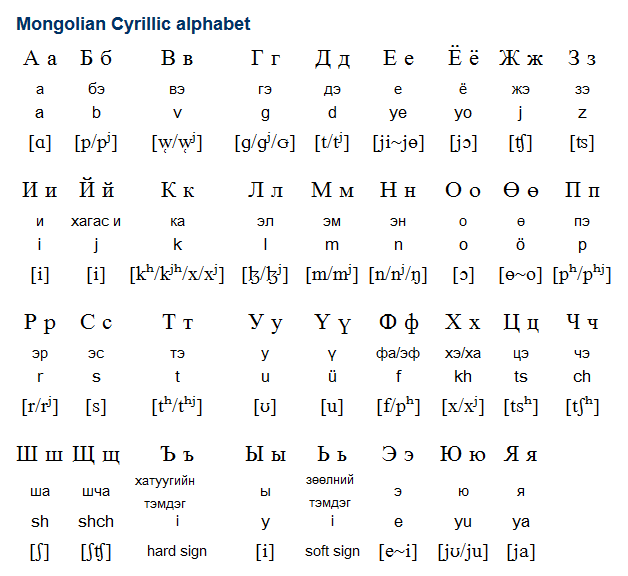
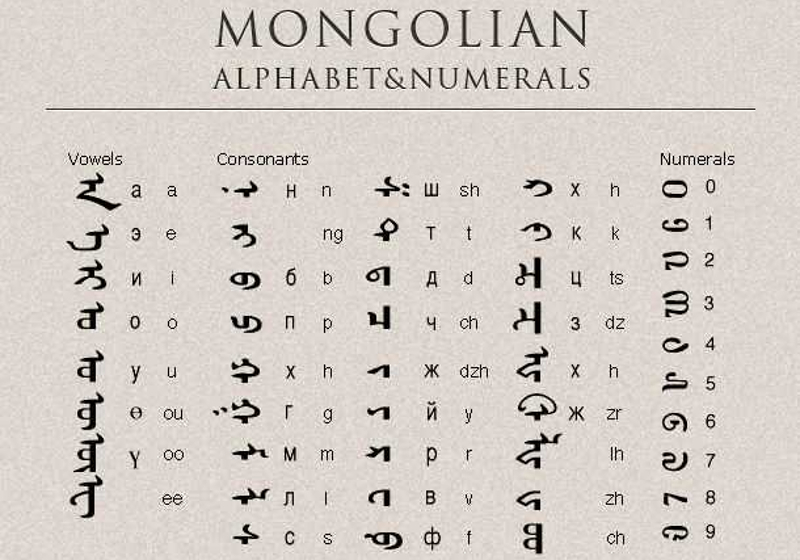
Historically, the Mongolian language is inextricably linked to the Old Uyghur script, a vertical writing system that embodies the rich heritage of the Mongol Empire. Today, the dominant script in Mongolia is Cyrillic, adopted during the Soviet era. However, the cultural resurgence of the traditional Mongolian script creates a dual-layered branding landscape. A brand that utilizes both the accessible Cyrillic for mass-market reach and the traditional vertical script for premium, heritage-driven aesthetic campaigns demonstrates a deep respect for national identity—a key factor in building consumer trust.
Linguistic Affinity and Market Localization
Mongolian is an agglutinative language, meaning that words are formed by stringing together prefixes and suffixes. Unlike English, where brand names often rely on short, punchy, and isolated terms, Mongolian demands a higher level of morphological sensitivity. When marketing in Mongolia, a direct translation of a brand name or a slogan often fails because it ignores the rhythmic and grammatical flow of the language. Successful brand localization in Ulaanbaatar requires transcreation rather than translation, ensuring that the brand’s core identity is embedded within the native linguistic structure.
Building Brand Equity Through Cultural Resonance
In the context of brand strategy, language is the primary vehicle for cultural alignment. If your brand’s voice in Mongolia feels like an outsider’s interpretation of the culture, the market will treat it as such. Establishing a strong brand identity requires a nuanced understanding of how Mongolians express value, quality, and aspiration.
The Power of Tone and Hierarchy
Mongolian, like many East Asian languages, places a high premium on social hierarchy and politeness markers. A brand that communicates in a overly informal tone may be perceived as lacking professionalism, while one that is too rigid may appear out of touch with the modern, youth-driven demographic of Ulaanbaatar. Striking the balance requires a deep audit of the brand’s “brand voice” guidelines. Strategy documents must be adapted to include specific linguistic triggers—honorifics, inclusive pronouns, and community-centric phrasing—that signal to the Mongolian consumer that the brand belongs in their sphere.
Emotional Branding in a Nomadic-Urban Hybrid Culture
Mongolia occupies a fascinating space between its deep-rooted nomadic heritage and its rapidly modernizing urban center. Language within the country reflects this duality. Advertisements that use traditional, evocative Mongolian vocabulary regarding nature, land, and family connect with the older demographic and the rural base. Conversely, the urban youth have adopted a version of Mongolian that is heavily influenced by global internet slang and international loanwords. A segmented branding strategy—one that pivots between these two linguistic poles—is essential for reaching a wide demographic.
Digital Marketing and the Mongolian Linguistic Landscape
In the digital era, the language of a brand is measured by its SEO performance, social media engagement, and user interface (UI) accessibility. For a brand to succeed in Mongolia, the digital infrastructure must be natively linguistic.
The Challenge of Digital Searchability
The search ecosystem in Mongolia is unique. While global search engines dominate, the way users query information in Mongolian is highly specific. Because Mongolian is an agglutinative language, search queries can be long and complex, reflecting the grammatical structure of the language rather than the keyword-based searches common in English. Brands must invest in high-quality, local content marketing that mimics the natural language patterns of the Mongolian searcher. This involves moving away from rigid keyword stuffing and toward content that provides genuine answers in natural, idiomatic Mongolian.
UI/UX Design and Localized Content
When designing an app or a digital platform for the Mongolian market, the length of words becomes a significant UI/UX constraint. Because Mongolian words can be long due to their agglutinative nature, standard UI layouts designed for English or shorter languages often break or look cluttered. A strategic approach to design involves “elastic” UI elements that accommodate the length of Mongolian text. Furthermore, ensuring that the content is written in high-quality, professional Mongolian—and not machine-translated filler—is a non-negotiable standard for companies looking to maintain a premium corporate identity.
Strategic Recommendations for Brand Entry
For companies aiming to establish a footprint in Mongolia, the linguistic journey is a long-term investment. It is not enough to hire a translator; you must curate a brand voice that acts as a bridge between your international identity and the Mongolian identity.
Developing a Local Linguistic Persona
Before launching, organizations should develop a “Linguistic Brand Guide.” This document should not only outline the brand’s mission and vision but also define the specific linguistic rules for the Mongolian market. This includes:
- Preferred terminology for key industry concepts.
- Guidelines on the usage of loanwords versus traditional Mongolian terms.
- Instructions on which script (Cyrillic or traditional) is appropriate for which touchpoint.
- The desired level of formality for different marketing channels.
Engaging Local Creative Partners
The most effective brand strategies in Mongolia are rarely developed in headquarters thousands of miles away. They are co-created with local talent who understand the rhythm of the language and the pulse of the market. Partnering with local creative agencies ensures that the brand’s tone is never “off-key.” These partners can help navigate the subtle cultural taboos and linguistic nuances that a non-native speaker would miss.
The Role of Linguistic Longevity
Finally, consistency is key. A brand that changes its voice, script usage, or linguistic tone too frequently will struggle to build loyalty. The language of your brand should be a constant, reliable companion to your customers. Over time, this linguistic consistency builds “brand memory,” where the vocabulary and tone you use become synonymous with the quality and reliability of your products.
Conclusion: Language as a Strategic Asset
The question “what language is Mongolian” is far more than a query about linguistics; for the global brand, it is a gateway to market mastery. By acknowledging the unique linguistic traits of Mongolia—its agglutinative structure, the intersection of Cyrillic and traditional scripts, and the cultural interplay between urban and nomadic traditions—brands can position themselves not as foreign entities, but as local participants.
In the competitive landscape of the 21st century, language is perhaps the most powerful tool in the branding toolkit. Those who take the time to master the Mongolian language—respecting its heritage while adapting it for the digital age—will find themselves with a distinct competitive advantage. They will capture not just the attention of the Mongolian consumer, but their trust, their loyalty, and their community. Strategy, in the end, is about being heard, and being heard starts with speaking the language of your customer.
aViewFromTheCave is a participant in the Amazon Services LLC Associates Program, an affiliate advertising program designed to provide a means for sites to earn advertising fees by advertising and linking to Amazon.com. Amazon, the Amazon logo, AmazonSupply, and the AmazonSupply logo are trademarks of Amazon.com, Inc. or its affiliates. As an Amazon Associate we earn affiliate commissions from qualifying purchases.