
The Strategic Blueprint of the Teppanyaki Experience
When analyzing the brand positioning of Benihana, one must look beyond the culinary output to understand the calculated brand architecture that turned a niche Japanese cooking style into a global household name. Benihana is not merely a restaurant; it is a masterclass in experiential marketing and corporate identity. By categorizing their offering as “teppanyaki,” a style of Japanese cuisine where ingredients are prepared on an iron griddle, the brand successfully carved out a unique value proposition that differentiates it from both traditional fine dining and fast-casual eateries.

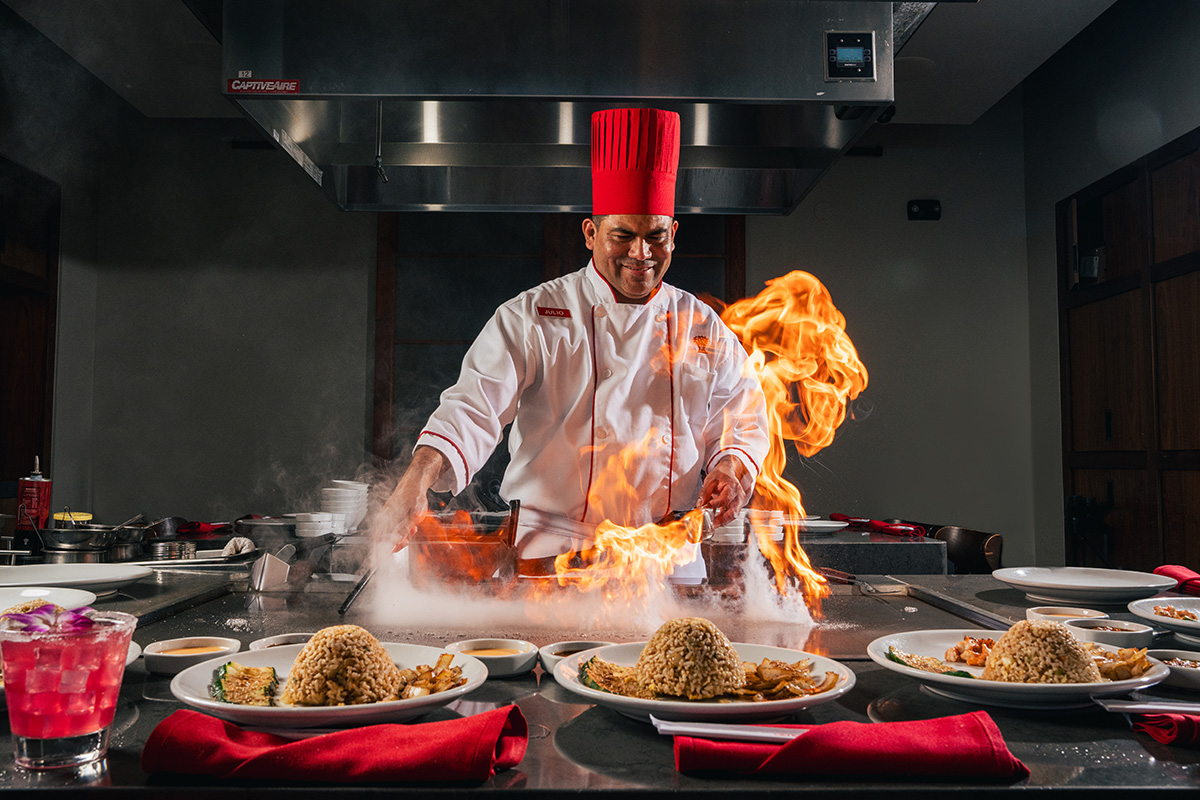
The genius of Benihana’s brand strategy lies in the transformation of the kitchen from a back-of-house operation into the primary product. By bringing the chef to the customer’s table, the brand effectively shifted the consumer’s perception of value. Customers are not paying solely for the ingredients—the steak, shrimp, or fried rice—they are paying for the performance. This is a quintessential example of “experiential branding,” where the service process is inextricably linked to the brand identity, creating a high-barrier-to-entry moat that competitors find difficult to replicate without significant investment in human capital and specialized training.
The Intersection of Theatre and Brand Consistency
The core of Benihana’s business model is the standardization of performance. In the world of corporate branding, scalability is the greatest challenge. Benihana solved this by systematizing the “show.” Every chef, regardless of their location, follows a choreographed routine that integrates knife skills, interactive humor, and specific cooking techniques. This uniformity ensures that the brand promise—an entertaining, high-quality Japanese dining experience—remains consistent whether a guest is dining in New York, London, or Tokyo.
The Power of Interactive Product Delivery
From a design and marketing perspective, the teppanyaki table serves as a functional stage. By placing the iron griddle (the “teppan”) in the center of the social environment, Benihana turned the meal into a collaborative event. This branding maneuver serves several psychological functions for the consumer:
- Trust through Transparency: Watching the food being prepared mitigates concerns regarding cleanliness and ingredient quality.
- Perceived Value: The complexity of the knife work and the precision of the cooking enhance the perceived worth of the meal, allowing for a premium pricing strategy that supports higher margins.
- Social Capital: The entertainment value provides “shareable moments,” a modern metric for brand growth in the digital age.
Operational Scalability as a Marketing Asset
The brand’s internal culture is its most potent marketing tool. By training chefs to be both culinary experts and charismatic hosts, the brand ensures that the human element of their corporate identity is fully integrated. This “Total Experience” approach acts as a flywheel; the more consistent the performance, the higher the customer loyalty, which in turn fuels the brand’s expansion and market dominance.
Decoding the Competitive Positioning
In the hospitality market, brand strategy often hinges on identifying the “Blue Ocean”—a space where competition is irrelevant because the market is newly defined. Benihana did not try to compete with traditional sushi bars or high-end Kaiseki restaurants. Instead, they created a hybrid category. They positioned themselves as an “accessible luxury.” This strategic placement allows the brand to capture a broad demographic, from families celebrating birthdays to corporate teams seeking an engaging venue for networking.
Positioning Against Traditional Competitors
Traditional fine dining often relies on the “mystery” of the kitchen to maintain an air of exclusivity. Benihana took the opposite route. By stripping away the walls and inviting the guest to watch the process, they democratized fine dining. This creates a powerful brand story: one of openness, skill, and communal joy. This narrative is reinforced through every touchpoint of the brand—from the visual design of the interiors, which often mimic traditional Japanese architecture, to the specific vocabulary used in their marketing materials.
The Role of Corporate Identity in Long-term Growth
A brand is only as strong as its ability to adapt while maintaining its core identity. Benihana has managed this by remaining focused on its core competency: the teppanyaki experience. While they have expanded their menu to include sushi and sashimi, these additions are always framed within the context of the main performance. This prevents “brand dilution,” a common pitfall for restaurant chains that try to be all things to all people. By maintaining a narrow, focused identity, Benihana ensures that their brand remains synonymous with a specific, high-quality experience.
Measuring Brand Value Through Customer Experience
The ultimate measure of a brand strategy is the emotional connection it fosters with its audience. At Benihana, the meal is secondary to the memory. The intentionality behind each knife flip and every steam-filled onion volcano is a calculated effort to manufacture nostalgia. This is a brilliant branding tactic; when a consumer associates a brand with a positive, shared memory, the brand moves from being a commodity to being a tradition.
The Financial Impact of Experiential Branding
When a brand successfully creates an emotional bond, price sensitivity decreases. Customers are willing to pay a premium for the Benihana experience because they are not just purchasing calories; they are purchasing a guaranteed night of entertainment and connection. This psychological pricing power is the hallmark of a successful brand strategy. It allows the company to weather economic downturns more effectively than competitors who compete strictly on price.

Future-Proofing the Brand Identity
As the hospitality landscape shifts toward digital-first interactions, brands like Benihana face the challenge of translating physical experiences into digital narratives. Their strategy has been to leverage user-generated content. By creating an environment that is naturally “Instagrammable,” the brand offloads a portion of its marketing work to the customers themselves. Each video of a chef’s routine posted on social media serves as a high-conversion advertisement, reinforcing the brand identity to a new generation of consumers who prioritize experience over status.
Ultimately, Benihana’s success is a case study in the intersection of operational excellence and brand narrative. By defining themselves through the teppanyaki experience, they have built a moat of brand equity that is difficult to replicate. Whether viewed through the lens of business finance or marketing strategy, Benihana stands as a testament to the power of a clearly defined, expertly executed brand identity that turns the functional act of eating into a highly profitable, repeatable, and memorable corporate asset. The food is merely the canvas; the experience is the product, and the branding is the engine that keeps the business thriving in an increasingly crowded marketplace.
aViewFromTheCave is a participant in the Amazon Services LLC Associates Program, an affiliate advertising program designed to provide a means for sites to earn advertising fees by advertising and linking to Amazon.com. Amazon, the Amazon logo, AmazonSupply, and the AmazonSupply logo are trademarks of Amazon.com, Inc. or its affiliates. As an Amazon Associate we earn affiliate commissions from qualifying purchases.