
In the critical minutes following a sudden cardiac arrest, every second counts. The quality of cardiopulmonary resuscitation (CPR)—specifically the depth, rate, and recoil of chest compressions—is the most significant determinant of patient survival. Because human fatigue and variability often lead to substandard performance during high-stress emergency interventions, the integration of technology into manual and automated CPR has become a life-saving standard. Chest compression feedback devices, often referred to as CPR feedback sensors, act as the objective digital eyes of the rescuer. By utilizing sophisticated sensor technology, these devices monitor key physiological and mechanical variables to ensure that the life-saving efforts being delivered meet rigorous clinical guidelines.

Real-Time Monitoring of Compression Parameters
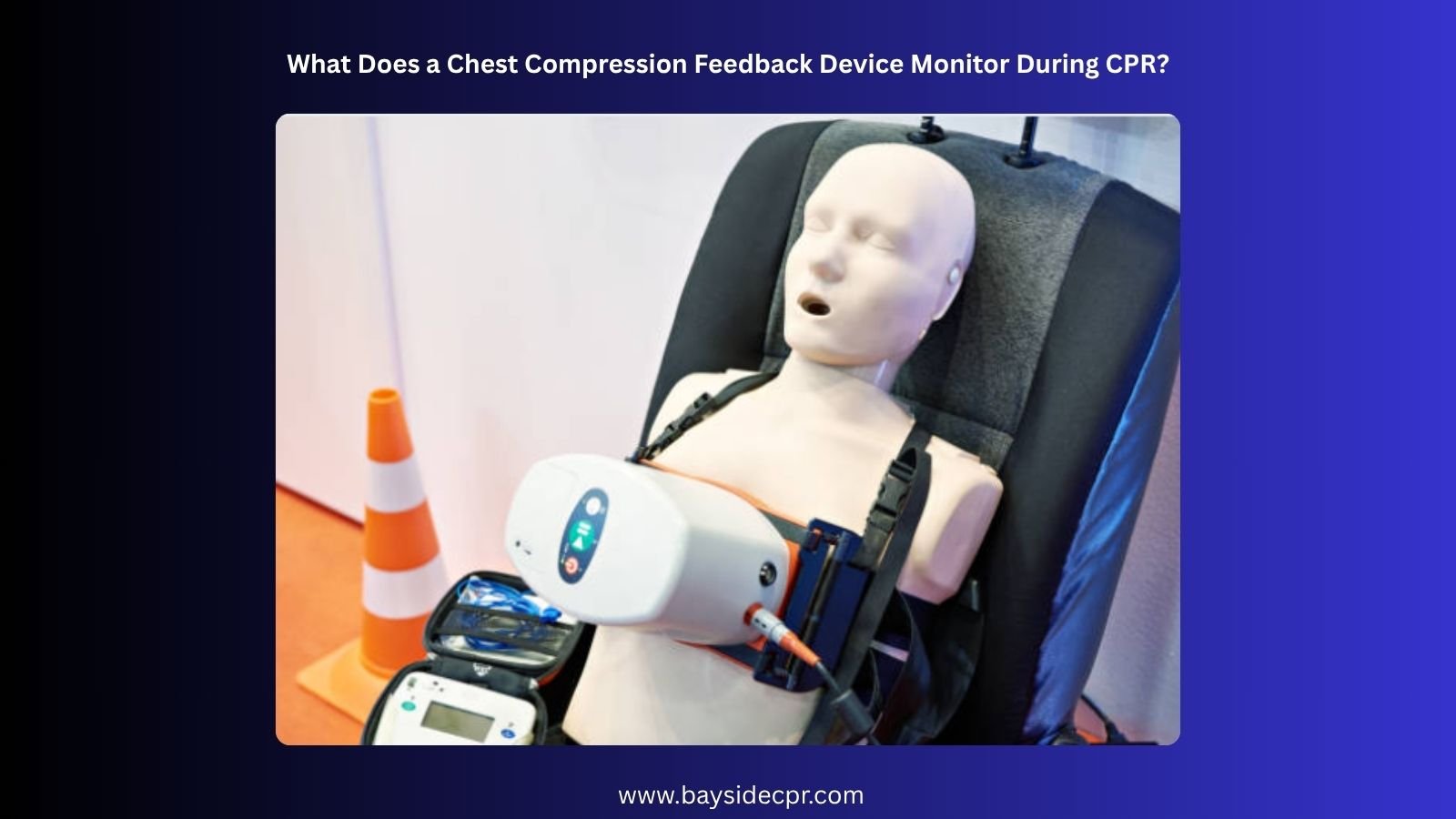
The primary function of a chest compression feedback device is to provide instantaneous data on the mechanics of the resuscitation attempt. Unlike traditional manual CPR, which relies entirely on the rescuer’s perception of “adequate” pressure, feedback devices leverage accelerometers and force sensors to quantify the physical interaction between the rescuer’s hands and the patient’s chest.
Compression Depth and Velocity
The depth of compression is perhaps the most scrutinized metric in cardiac arrest protocols. Clinical guidelines, such as those established by the American Heart Association (AHA) and the European Resuscitation Council (ERC), dictate that compressions should be at least two inches (5 cm) deep in an average adult. Feedback devices use an accelerometer to measure the displacement of the chest wall relative to the patient’s spine. If the device detects that the rescuer is not pushing deep enough, it triggers a visual or auditory cue, prompting the rescuer to increase force. Conversely, if the rescuer pushes too deep, risking structural injury to the patient’s ribs or internal organs, the device provides an alert to moderate the pressure.
Compression Rate and Rhythm
The frequency of compressions is equally critical. For optimal perfusion, the goal is typically 100 to 120 compressions per minute. Feedback devices utilize a metronome-like timing mechanism combined with motion sensors to monitor the cadence. By tracking the time elapsed between the start of one compression and the start of the next, the device ensures that the rescuer maintains a steady, efficient rhythm. This is particularly valuable during the later stages of an arrest, where rescuer exhaustion often causes the compression rate to slow down inadvertently.
Ensuring Quality Through Advanced Sensor Fusion
To provide an accurate assessment of resuscitation quality, these devices rely on more than just basic motion detection. Modern feedback technology employs sensor fusion, combining multiple data streams to eliminate noise and artifacts—such as the movement of the ambulance or the vibrations of the patient’s stretcher—that could otherwise result in false readings.
Full Chest Recoil Monitoring
One of the most common errors in CPR is “leaning”—the tendency of a rescuer to leave their weight on the chest between compressions, preventing the heart from fully refilling with blood. Effective cardiac output depends entirely on the heart’s ability to expand fully between pumps. Feedback devices monitor the chest’s return to its neutral position. If the sensor detects residual pressure or incomplete recoil, the device provides immediate feedback, signaling the rescuer to release their weight entirely. This ensures that the heart receives maximum venous return, significantly improving the efficacy of each subsequent compression.
Perfusion Metrics and Load Sensing
Advanced devices go beyond mechanical movement by monitoring force exertion. By incorporating pressure-sensitive films or force-load cells within the pad interface, these gadgets can calculate the actual force being delivered to the chest. This is vital when dealing with patients of varying body compositions. By measuring both the distance moved and the force required to move it, the device offers a more comprehensive picture of the chest’s resistance, allowing rescuers to adapt their technique to the specific physiological needs of the patient.
The Role of Data Logging and Post-Event Analytics
Beyond the immediate utility of guiding the rescuer in real-time, chest compression feedback devices serve as critical digital recording tools. This data logging capability transforms an emergency event into a verifiable record, bridging the gap between clinical performance and future training.
Retrospective Performance Reviews
Once a resuscitation attempt is concluded, the data stored within the device can be exported for analysis. This data provides a second-by-second breakdown of the resuscitation, allowing medical directors and resuscitation teams to conduct “debriefings.” By reviewing the logged metrics, teams can identify specific periods where CPR quality dipped—such as during a transition between rescuers or during a rhythm check—and implement systemic changes to minimize those gaps in the future.
Integration with Electronic Health Records
Many modern feedback devices are integrated with automated external defibrillators (AEDs) and cardiac monitors, creating a seamless stream of data that flows into the patient’s electronic health record. This integration ensures that the quality of care provided in the field is accurately documented, providing clinicians at the receiving hospital with a clear understanding of the circulatory support the patient received before arrival. This transparency not only helps in medical decision-making but also serves as an essential component of quality assurance programs within emergency medical services (EMS) departments.
Human Factors and the UX of Emergency Technology
A significant portion of the development of feedback devices is dedicated to human factors engineering. The goal is to provide information that is immediately actionable without adding cognitive load to the already stressed rescuer.
Visual and Haptic Feedback Interfaces
The user interface of a feedback device must be intuitive. During a cardiac arrest, the rescuer is under immense pressure; complex graphs or numerical readouts are often ignored. Consequently, manufacturers utilize color-coded light bars (e.g., green for correct rate/depth, red for incorrect) and intuitive haptic (vibrating) signals. These interfaces allow the rescuer to maintain focus on the patient’s airway and overall condition while receiving peripheral confirmation that their manual efforts are hitting the target parameters.
Calibrating for Diverse Clinical Environments
Feedback devices must also account for the diverse environments in which they operate. Whether on a hard floor in a public space, a soft mattress in a home, or inside a moving ambulance, the device must distinguish between environmental vibration and actual chest wall motion. Sophisticated digital filtering algorithms are now a standard feature in these gadgets, ensuring that the sensor’s “baseline” shifts dynamically with the patient’s orientation. This allows for consistent performance in scenarios that were previously considered “unmonitored,” such as high-quality CPR performed during transport.
Conclusion: The Digital Evolution of Resuscitation
The chest compression feedback device has fundamentally altered the landscape of emergency medicine. By transforming CPR from a subjective, skill-based maneuver into a quantified, monitorable process, these gadgets have bridged the gap between optimal clinical guidelines and real-world execution. Through the precise monitoring of depth, rate, recoil, and force, these devices ensure that the most essential life-support technique remains consistent regardless of the stress level, fatigue, or experience of the rescuer. As sensor technology continues to shrink and AI-driven predictive algorithms become more integrated into handheld devices, the precision of these systems will only increase, further cementing their role as an indispensable tool in the fight to improve survival rates for sudden cardiac arrest.
aViewFromTheCave is a participant in the Amazon Services LLC Associates Program, an affiliate advertising program designed to provide a means for sites to earn advertising fees by advertising and linking to Amazon.com. Amazon, the Amazon logo, AmazonSupply, and the AmazonSupply logo are trademarks of Amazon.com, Inc. or its affiliates. As an Amazon Associate we earn affiliate commissions from qualifying purchases.