
The humble washing machine, a cornerstone of modern domestic convenience, often performs its duties without much thought from its users. While we marvel at its ability to cleanse clothes, one of its most critical, yet often overlooked, functions is the spin cycle. Far from being a mere afterthought, the spinning action is a sophisticated application of physics and engineering designed to profoundly impact the efficiency of your laundry process, the longevity of your garments, and even the energy consumption of your household. Understanding what spinning truly does reveals a deeper appreciation for the technology embedded in this everyday appliance.
The Core Mechanics: Harnessing Centrifugal Force
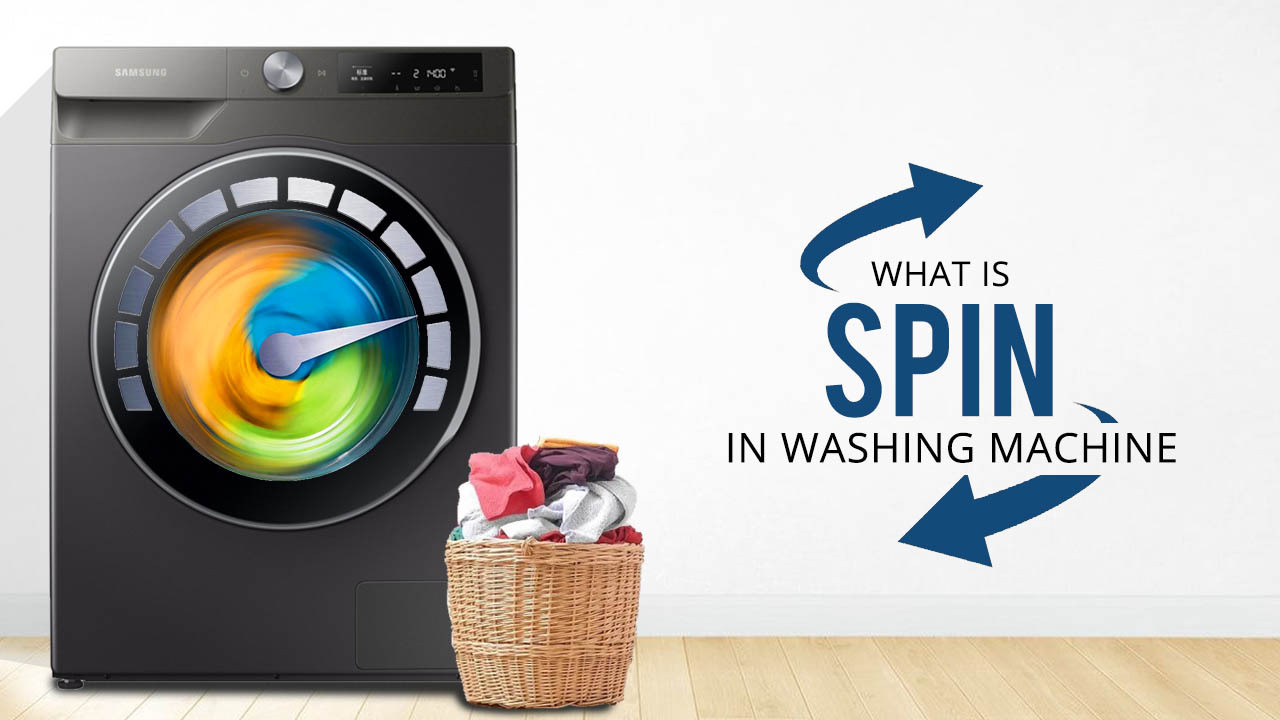
At its heart, the spin cycle is a masterful demonstration of centrifugal force, a fundamental concept in physics that dictates how objects in circular motion behave. When the washing machine’s drum begins to rotate at high speeds, it generates a powerful outward force that pushes everything inside towards its periphery.
The Principle of Centrifugation
Imagine swinging a bucket of water over your head without spilling a drop. The force keeping the water in the bucket, counteracting gravity, is centrifugal force. A washing machine’s spin cycle operates on a similar principle. As the inner drum containing your wet clothes rotates rapidly, the centrifugal force acts upon the water molecules embedded within the fabric. These water molecules, being less bound to the fabric than the fabric itself is to the drum, are forcefully propelled outwards through the tiny perforations in the drum.
This process is akin to a giant, powerful salad spinner. Just as a salad spinner rapidly removes excess water from lettuce leaves, the washing machine’s drum extracts water from clothes by creating an environment where water can escape while the solid fabric remains contained. The faster the drum spins, the greater the centrifugal force, and consequently, the more water is expelled.
Components at Play
Achieving this powerful water extraction is a symphony of interconnected mechanical and electronic components:
-
The Drum: The perforated inner drum holds the clothes. Its design, with strategically placed holes, allows water to exit freely during the spin cycle.
-
The Motor: This is the powerhouse, responsible for rotating the drum. Modern washing machines employ various motor types (e.g., universal, inverter direct drive) designed for precise speed control and efficiency during both wash and spin cycles.
-
The Transmission System: In belt-driven machines, belts and pulleys transfer power from the motor to the drum. Direct drive machines, however, eliminate these components, attaching the motor directly to the drum, often leading to quieter and more stable operation.
-
The Suspension System: Essential for stability, the suspension system (comprising springs, shock absorbers, and sometimes counterweights) dampens vibrations caused by the high-speed rotation and the often-unbalanced load of wet clothes. Without a robust suspension, a washing machine would “walk” across the floor.
-
The Drainage Pump: As water is extracted from the clothes and leaves the drum, it collects at the bottom of the outer tub. The drainage pump then actively expels this water from the machine through the drain hose, ensuring it doesn’t simply slosh back into the clothes.
RPM and G-Force
The effectiveness of a spin cycle is primarily measured by its Revolutions Per Minute (RPM) and the resulting G-force. RPM indicates how many full rotations the drum completes in one minute. Entry-level machines might spin at 600-800 RPM, while high-efficiency models can reach 1400-1600 RPM, and some specialized units even exceed 1800 RPM.
Higher RPM directly translates to greater G-force (gravitational force equivalent) acting on the clothes. For instance, a spin speed of 1000 RPM can generate forces equivalent to hundreds of times the force of gravity, effectively squeezing water out of fabrics. This powerful expulsion significantly reduces the remaining moisture content in your laundry, laying the groundwork for faster and more energy-efficient drying.
Beyond Water Extraction: The Strategic Advantages of Spinning
While water removal is the primary objective, the spin cycle delivers a cascade of benefits that extend far beyond simply making clothes less wet. These advantages contribute significantly to household efficiency, garment care, and overall hygiene.
Accelerating Drying Times
One of the most immediate and tangible benefits of a powerful spin cycle is the drastic reduction in subsequent drying times. Whether you’re air-drying clothes on a line or using a tumble dryer, the less water your clothes contain after washing, the less energy and time are required to dry them completely. For tumble dryer users, this translates directly into lower electricity or gas bills and shorter cycle times, thereby extending the lifespan of both the dryer and the garments themselves, as excessive heat exposure is minimized. For air-drying, clothes will dry significantly faster, reducing the risk of developing mildew or sour odors, especially in humid conditions.
Minimizing Mildew and Odor
Leaving excessively damp clothes in the washing machine or even letting them air dry slowly can create a breeding ground for mold, mildew, and bacteria. These microorganisms thrive in moist environments and are responsible for the unpleasant “mildewy” smell that can permeate clothes and the washing machine itself. A thorough spin cycle removes a substantial amount of residual moisture, significantly curtailing the conditions favorable for microbial growth. This not only keeps your clothes smelling fresh but also contributes to the overall cleanliness and hygiene of your washing machine, preventing the build-up of bio-films and odors within its components.
Improved Laundry Finish
Well-spun laundry is generally easier to handle. It’s lighter, less drippy, and often less prone to severe wrinkling, depending on the fabric and spin speed. While high spin speeds can sometimes exacerbate wrinkling in delicate fabrics, modern machines often include gentler spin options specifically designed to minimize creases. For many common garments, less water means they hang or lay more smoothly during drying, potentially reducing the need for extensive ironing. This contributes to a more polished look for your clothes with less effort.
Evolving Spin Technologies and Machine Design
The technology behind washing machine spinning is not static. Manufacturers continuously innovate, integrating advanced engineering and smart features to enhance performance, efficiency, and user experience.
Variable Spin Speeds and Programs
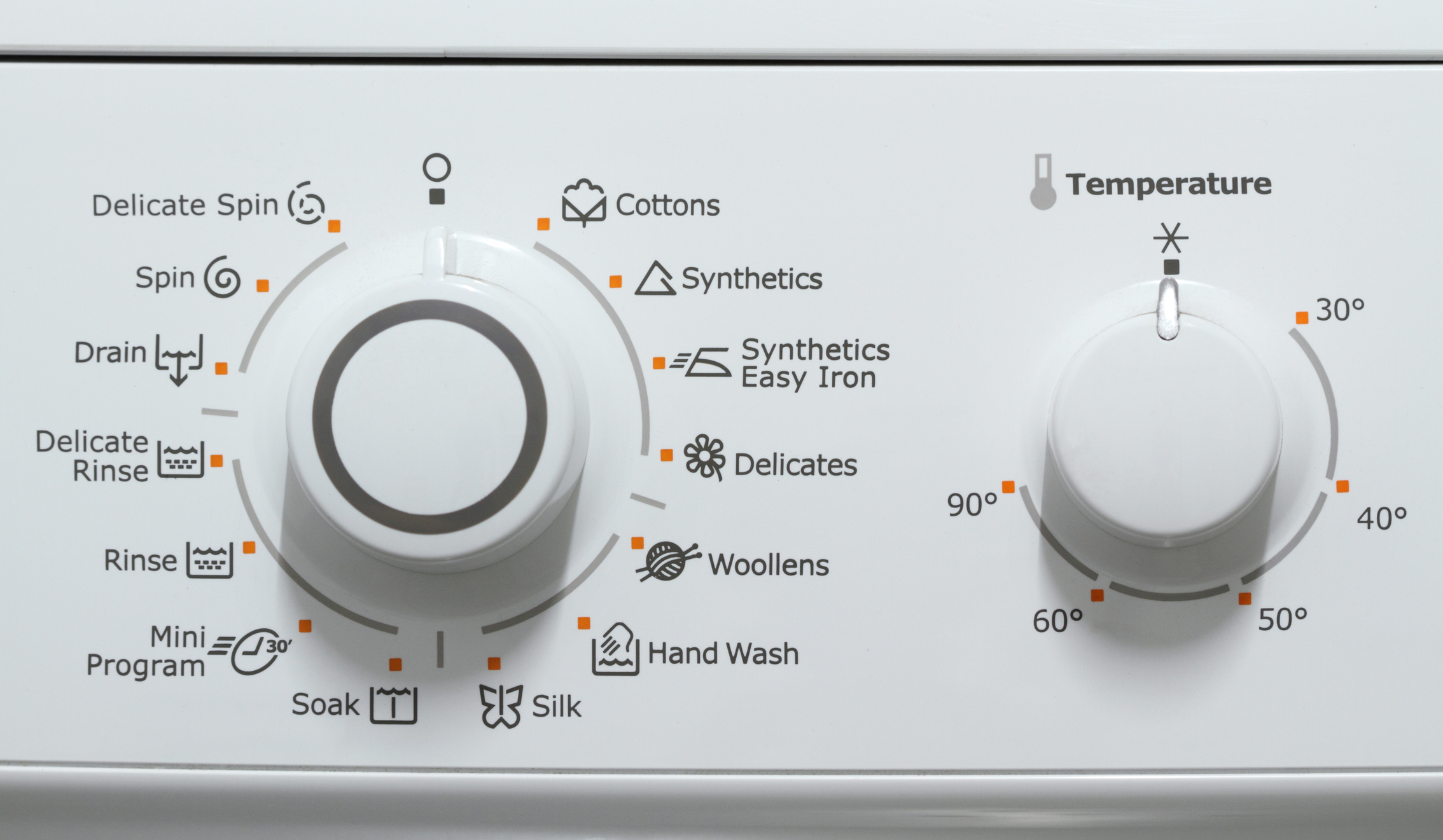
Contemporary washing machines offer a range of spin speeds, allowing users to tailor the cycle to specific fabric types and soil levels. Delicate garments like silk or wool benefit from lower RPMs (e.g., 600-800 RPM) to prevent stretching, damage, or excessive wrinkling. Conversely, robust items like towels, denim, or cotton sheets can withstand and benefit from ultra-high spin speeds (e.g., 1400-1600 RPM) for maximum water extraction. Pre-programmed cycles automatically select the optimal spin speed based on the fabric setting, taking the guesswork out of the user’s hands.
Direct Drive vs. Belt Drive Motors
The motor is the heart of the spin cycle, and its type significantly impacts performance.
-
Belt-Drive Motors: These traditional systems use a belt to connect the motor to the drum pulley. While reliable and cost-effective, belts can wear out over time, leading to potential slippage, decreased efficiency, and noise.
-
Direct-Drive Inverter Motors: These motors are directly attached to the drum, eliminating the need for belts and pulleys. Advantages include significantly quieter operation, fewer moving parts (reducing wear and tear), more precise control over spin speeds, and often greater energy efficiency. The direct connection also allows for more sophisticated movements during wash and spin cycles, improving garment care.
Balancing and Anti-Vibration Systems
The vigorous motion of high-speed spinning, especially with an unevenly distributed load, can lead to severe vibrations, noise, and even damage to the machine or surrounding floor. Modern washing machines employ sophisticated systems to counteract this:
-
Load Sensing Technology: Sensors detect the weight and distribution of clothes before and during the spin cycle. If the load is unbalanced, the machine will often pause, attempt to redistribute the clothes by rocking the drum, and then resume spinning.
-
Counterweights: Heavy concrete or steel blocks are strategically placed within the machine’s frame to provide inertia and stability, counteracting the drum’s centrifugal forces.
-
Advanced Suspension Systems: Enhanced springs and shock absorbers, often incorporating hydraulic or electromagnetic dampening, are designed to absorb and dissipate vibrations more effectively than older systems.
-
Spherical Balancers: Some high-end machines feature liquid-filled rings or steel ball bearings within the drum itself that automatically shift to balance the load as it spins.
Smart Spin Cycles and AI Integration
The latest generation of washing machines leverages artificial intelligence (AI) and advanced sensor technology to optimize every aspect of the laundry process, including spinning.
-
Fabric Recognition: Some machines can identify fabric types through acoustic sensors or visual analysis, automatically adjusting wash and spin parameters accordingly.
-
Moisture Sensors: These sensors can detect the remaining moisture content in clothes, allowing the machine to extend or shorten the spin cycle for optimal dryness, thereby saving energy.
-
Predictive Maintenance: AI-driven diagnostics can monitor motor health and vibration patterns, alerting users to potential issues before they impact spin performance, suggesting maintenance or service needs.
-
Connectivity: Integration with smart home ecosystems allows users to remotely monitor spin cycles, receive notifications, and even download new cycle programs optimized for specific laundry needs.
Maximizing Spin Efficiency and Longevity
While washing machines are designed for robust performance, user practices significantly impact spin efficiency and the appliance’s lifespan. Adopting best practices can ensure your machine continues to provide optimal water extraction and operate smoothly for years.
Proper Load Balancing
One of the most common causes of excessive vibration, noise, and even machine malfunction during the spin cycle is an unbalanced load.
-
Distribute Evenly: When loading clothes, try to distribute items evenly around the drum. Avoid washing a single heavy item (like a duvet) alone, as it can easily create an imbalance. If washing large items, try to include a few smaller items to help balance the load.
-
Avoid Overloading: Overloading the machine not only prevents thorough cleaning but also compacts clothes, making it harder for water to be extracted and for the drum to balance properly. Leave enough space for clothes to tumble freely.
-
Check for Imbalance Alarms: If your machine has an imbalance detection system, heed its warnings. It will often pause and attempt to redistribute the load. If it repeatedly fails, manually adjust the clothes before restarting.
Selecting the Right Spin Speed
Choosing the appropriate spin speed is crucial for both efficiency and garment care.
-
High for Durables: For sturdy items like towels, jeans, and cotton bedding, opt for the highest spin speed your machine offers to achieve maximum water removal and reduce drying time.
-
Medium for Synthetics/Mixed Loads: A medium spin speed (e.g., 800-1000 RPM) is generally suitable for synthetic fabrics, mixed loads, and everyday wear, providing good water extraction without being overly aggressive.
-
Low for Delicates: For delicate items such as lingerie, silk, wool, or heavily embellished garments, select a low spin speed (e.g., 400-600 RPM) or even a “no spin” option to prevent damage, stretching, or excessive wrinkling. Always check garment care labels.
Maintenance for Optimal Spin Performance
Regular maintenance is key to preserving your machine’s spin efficiency and preventing costly repairs.
-
Clean the Drain Filter: Clogged drain filters can impede water removal, leading to damp clothes even after a spin cycle. Check and clean the filter regularly (usually located at the bottom front of the machine) to remove lint, coins, and other debris.
-
Check Hoses: Ensure drain hoses are not kinked or blocked, as this can hinder water expulsion.
-
Level the Machine: An unlevel washing machine will vibrate excessively, especially during high-speed spinning, leading to noise and potential damage. Use a spirit level to ensure the machine is perfectly level and adjust the feet as necessary.
-
Run Cleaning Cycles: Periodically run a maintenance wash cycle with a washing machine cleaner or hot water and vinegar to remove detergent residue, mold, and mildew that can accumulate in the drum and impact performance.
-
Avoid Excessive Detergent: Using too much detergent creates excessive suds, which can interfere with the machine’s ability to spin properly, potentially leading to incomplete water removal or activating a “suds control” feature that reduces spin speed.
The Future Landscape of Washing Machine Spin Technology
The evolution of washing machine technology shows no signs of slowing down, with innovation continuing to focus on efficiency, sustainability, and user convenience, particularly concerning the spin cycle.
Ultra-High-Speed Spin and Energy Efficiency
Future machines are likely to push the boundaries of spin speed even further, potentially achieving even higher RPMs to extract minuscule amounts of water. This hyper-efficient water removal will lead to near-dry laundry directly from the wash, dramatically reducing the energy consumption of tumble dryers and lowering the carbon footprint of laundry chores. Advances in motor technology, drum materials, and suspension systems will be crucial to enabling these speeds safely and quietly.
Enhanced Sensor Technology
Expect even more sophisticated sensors capable of real-time analysis of load composition, fabric types, and soil levels. These “smart sensors” will work in concert with AI algorithms to dynamically adjust not just the overall spin speed, but potentially also the spin pattern and duration throughout the cycle, ensuring optimal care for garments while maximizing water extraction for different fabrics within the same load.
Sustainable Innovations
Sustainability will remain a key driver. This includes developing spin mechanisms that operate with minimal water usage during rinse cycles, even quieter operations to reduce noise pollution, and materials and designs that extend the lifespan of machines, reducing electronic waste. Innovations in vibration dampening and motor efficiency will contribute to both quieter operation and lower energy consumption.
Integration with Smart Home Ecosystems
The integration of washing machines into broader smart home ecosystems will deepen. Users can expect more intuitive remote control, predictive maintenance notifications, integration with energy grids to run spin cycles during off-peak hours, and even AI-powered suggestions for optimal laundry practices based on local weather conditions and garment types.
In conclusion, the spinning action of a washing machine is far more than just a quick whirl; it’s a meticulously engineered process central to modern laundry technology. By harnessing the power of centrifugal force, it not only extracts water efficiently but also significantly impacts drying times, garment hygiene, and overall energy consumption. As technology continues to advance, the spin cycle will undoubtedly evolve further, becoming even more intelligent, efficient, and seamlessly integrated into our daily lives.
aViewFromTheCave is a participant in the Amazon Services LLC Associates Program, an affiliate advertising program designed to provide a means for sites to earn advertising fees by advertising and linking to Amazon.com. Amazon, the Amazon logo, AmazonSupply, and the AmazonSupply logo are trademarks of Amazon.com, Inc. or its affiliates. As an Amazon Associate we earn affiliate commissions from qualifying purchases.