
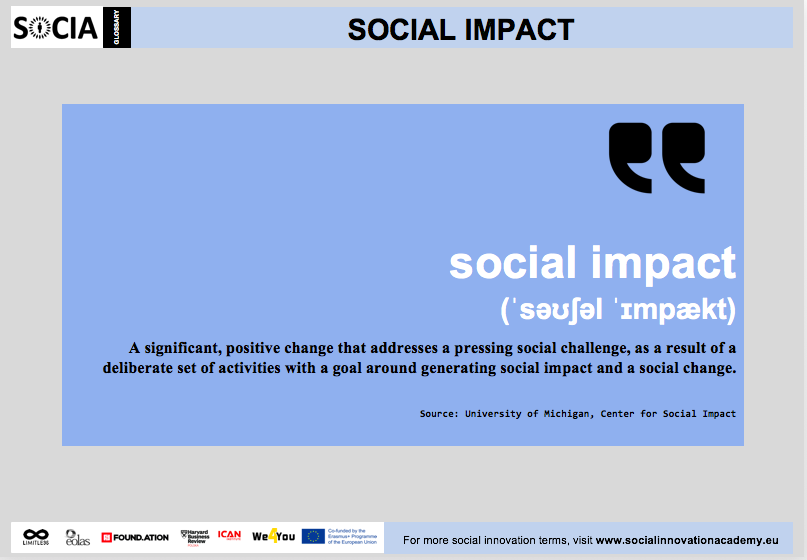
The concept of “social effects” has always been a cornerstone of sociological inquiry, referring to the widespread impact or consequences that phenomena, events, or policies have on individuals, groups, and entire societies. Traditionally, this might have encompassed the effects of industrialization, urbanization, or cultural movements. However, in the 21st century, the digital age has profoundly redefined and amplified what “social effects” truly means. Technology, once a tool, has become an environmental force, fundamentally altering our reality and shaping the very fabric of human existence.
To understand social effects in this context is to critically examine the multifaceted ways in which technological innovations – from the algorithms that curate our feeds to the AI systems driving automation – influence our behaviors, interactions, mental well-being, economic landscapes, and political systems. It’s about dissecting the intended and unintended consequences of a world increasingly mediated by screens and governed by data, revealing a complex tapestry of both unprecedented opportunities and significant challenges. This article delves into the core dimensions of these digital social effects, exploring their reach, psychological impact, socio-economic transformations, and the critical need for ethical navigation.
The Ubiquitous Reach of Digital Social Effects
The advent of digital technologies has permeated every aspect of modern life, creating a pervasive network that reshapes how we connect, consume information, and perceive the world. This ubiquitous reach generates social effects that are both broad and deeply personal.
Reshaping Communication and Interaction
Perhaps the most immediately observable social effect of technology is the radical transformation of communication. Social media platforms, messaging apps, and video conferencing tools have dismantled geographical barriers, enabling instant connection across continents. This has fostered new forms of community, allowing individuals with shared interests to connect and collaborate, irrespective of physical location. Families stay connected, friendships are maintained over long distances, and global conversations can unfold in real-time.
However, this reshaping is not without its complexities. The curated nature of online interactions, often driven by algorithms designed for engagement, can foster superficiality, reduce empathy, and diminish the richness of face-to-face communication. The performative aspect of digital identity can lead to comparison culture and feelings of inadequacy, as individuals present idealized versions of themselves. The rise of “doomscrolling” and the constant deluge of information can also lead to communication fatigue, ironically isolating individuals despite hyper-connectivity.
Information Dissemination and Public Discourse
Technology has democratized information dissemination, giving nearly anyone with internet access the power to publish and share content. This has profoundly altered public discourse, bypassing traditional gatekeepers like established media outlets. Grassroots movements can organize and mobilize rapidly, marginalized voices can find platforms, and critical information can spread globally in moments. This has empowered citizens and facilitated unprecedented levels of transparency in some areas.
Conversely, this open access has created fertile ground for misinformation, disinformation, and propaganda. The speed at which false narratives can spread, often amplified by algorithmic biases, poses significant threats to democratic processes, public health, and social cohesion. Filter bubbles and echo chambers, where individuals are primarily exposed to information that confirms their existing beliefs, erode critical thinking and foster polarization, making it increasingly difficult for societies to find common ground or engage in constructive debate. The ability to discern credible sources from fabricated content has become a crucial digital literacy skill, impacting societal understanding and decision-making at every level.
The Digital Divide and Access Inequality
While technology promises universal connection and access to information, its distribution is far from equitable. The “digital divide” refers to the gap between those who have access to modern information and communication technology and those who do not, or have limited access. This divide is not just about physical access to devices or internet connectivity; it also encompasses differences in digital literacy, affordability, and the quality of access.
The social effects of this inequality are profound. Communities lacking adequate internet infrastructure or individuals unable to afford devices are systematically excluded from opportunities in education, employment, healthcare, and civic participation. This exacerbates existing socio-economic disparities, creating new forms of social stratification. Children without home internet struggle with online learning, job seekers cannot access digital applications, and marginalized groups lose platforms for advocacy. Bridging this divide is not merely a technical challenge; it’s a critical social justice issue impacting societal equity and inclusion.
Psychological and Behavioral Dimensions of Tech’s Social Impact
Beyond broad societal shifts, technology also exerts powerful, often subtle, social effects on individual psychology and behavior, reshaping how we think, feel, and interact with ourselves and the world.
Mental Health and Well-being
The constant connectivity and curated realities of the digital age have a complex and often contradictory impact on mental health. While technology can offer supportive communities for those struggling with mental health issues and provide access to therapeutic resources, it also presents significant challenges. The pressure to maintain an idealized online persona, the relentless pursuit of “likes” and validation, and the phenomenon of FOMO (Fear Of Missing Out) can contribute to anxiety, depression, and low self-esteem, particularly among adolescents and young adults.
Cyberbullying, online harassment, and exposure to toxic content are pervasive issues that can have devastating psychological effects. Furthermore, the addictive nature of certain apps and platforms, designed to maximize engagement, can lead to excessive screen time, sleep disruption, and a diminished capacity for real-world engagement, further isolating individuals despite being “connected.” Understanding these effects is crucial for fostering digital habits that prioritize well-being.
Attention Spans and Cognitive Processing
The digital landscape is characterized by a relentless barrage of notifications, quick-fire content, and an expectation of instant gratification. This constant stimulation is reshaping our cognitive processes, particularly our attention spans. Research suggests that the habit of multi-tasking across different digital platforms and the consumption of short-form content may be diminishing our capacity for sustained focus, deep reading, and critical thinking.
The social effects here are multifaceted: reduced ability to concentrate in educational or professional settings, a preference for superficial information over complex analysis, and potentially a decline in patience for lengthy or nuanced discussions. This shift impacts our ability to learn, problem-solve, and engage with the world in a thoughtful, reflective manner, fundamentally altering the way we process information and interact with knowledge itself.
Identity Formation and Self-Perception
The digital realm offers unprecedented avenues for self-expression and identity exploration. Individuals can experiment with different personas, connect with niche communities that validate their identities, and find affirmation in ways that may not be available offline. This is particularly empowering for marginalized groups seeking representation and belonging.
However, the constant mirror of social media also introduces new pressures on identity formation. Self-worth can become heavily tied to digital validation, leading to anxiety about appearance, popularity, and perceived success. The curated feeds of influencers and peers can foster unrealistic comparisons, distorting self-perception and encouraging an endless pursuit of an unattainable ideal. This “digital self” often becomes a performance, blurring the lines between authenticity and aspiration, and significantly impacting how individuals see themselves in relation to others.
Socio-Economic Transformations Driven by Technology
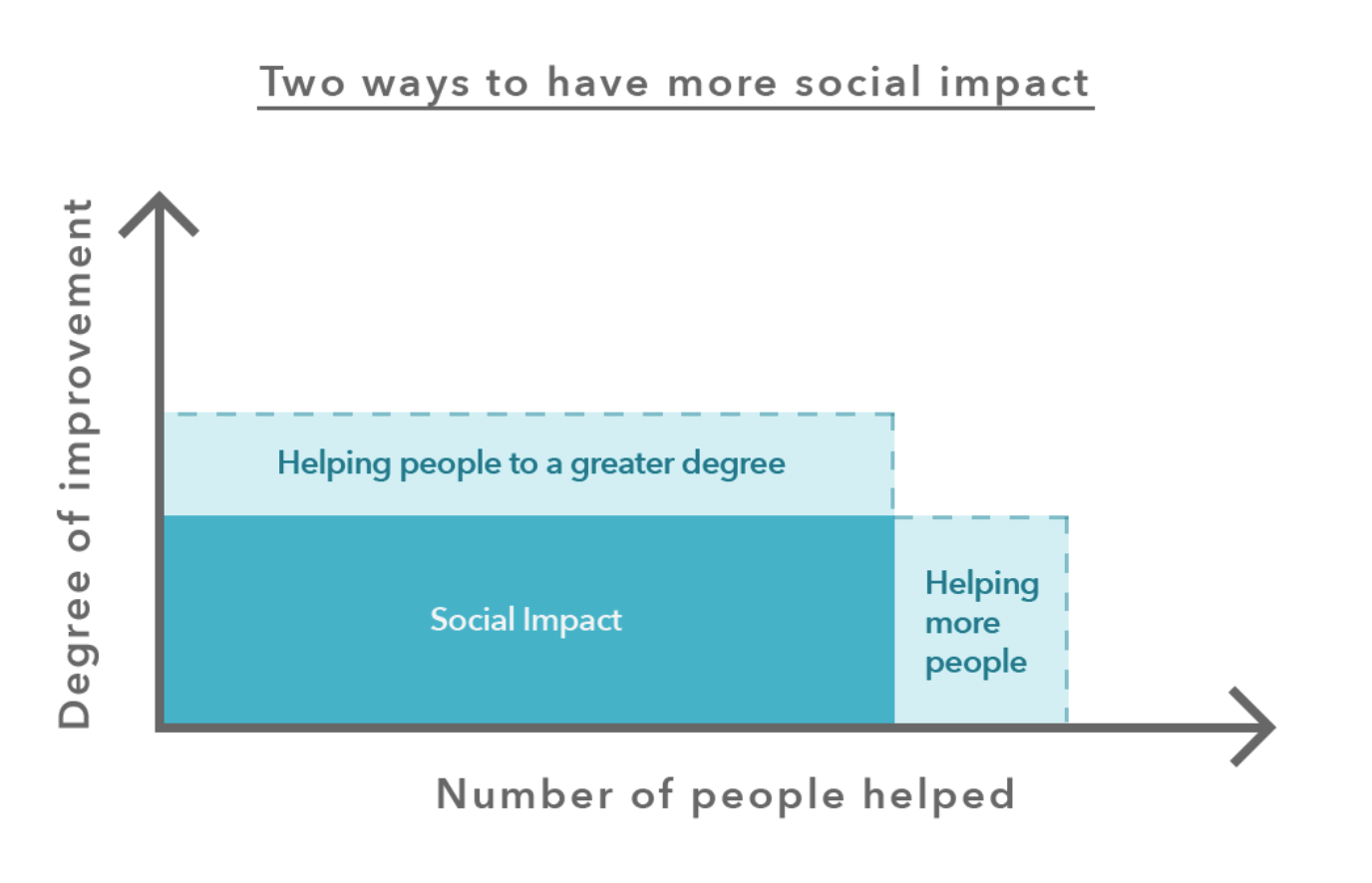
Technology’s social effects extend deeply into the socio-economic sphere, redefining industries, labor markets, and the very structure of our financial lives. These transformations have far-reaching implications for social equity and opportunity.
The Future of Work and Employment
Automation and Artificial Intelligence (AI) are fundamentally reshaping the global labor market. While these technologies promise increased productivity, efficiency, and the creation of new high-skill jobs, they also pose significant social effects regarding employment displacement and economic security. Repetitive, manual, and even some cognitive tasks are increasingly being automated, leading to job losses in traditional sectors and demanding a rapid reskilling of the workforce.
The rise of the “gig economy,” facilitated by digital platforms, offers flexibility and new income streams for many, but often at the cost of traditional employee benefits, job security, and collective bargaining power. This shift creates a more fluid, but potentially more precarious, working environment. The social impact includes growing income inequality between highly skilled tech workers and those in automated or gig-based roles, requiring societies to grapple with questions of universal basic income, lifelong learning, and equitable access to the jobs of the future.
Data Privacy and Surveillance
In the digital age, data is the new oil, and technology companies collect vast amounts of information about our online behaviors, preferences, and even our real-world movements. This data, often exchanged for “free” services, fuels algorithms that drive personalized advertising, content recommendations, and increasingly, social credit systems. The social effects of this pervasive data collection raise profound questions about individual privacy, autonomy, and civil liberties.
The erosion of privacy through constant surveillance, whether by corporations or governments, can have a chilling effect on free speech and association. Algorithmic profiling can lead to discrimination, reinforcing existing biases in areas like credit, employment, or even law enforcement. The trade-off between convenience and privacy becomes a critical social dilemma, impacting trust in institutions and individuals’ control over their own digital footprint and future.
Community Building and Social Movements
While the digital age presents challenges to traditional community structures, it has also become a powerful incubator for new forms of community building and social movements. Online platforms allow individuals with shared niche interests, identities, or causes to find each other, form supportive networks, and mobilize collective action with unprecedented speed and scale. From fan communities to global activist movements like #MeToo or Black Lives Matter, technology has provided essential infrastructure for organizing, fundraising, and disseminating messages to a global audience, often bypassing traditional media and political gatekeepers.
These digital communities can provide vital support systems, a sense of belonging, and a platform for marginalized voices to be heard. However, they also face challenges such as online fragmentation, the risk of echo chambers, and the potential for “slacktivism” where digital engagement doesn’t translate into meaningful real-world action. Nevertheless, technology’s role in empowering collective action and fostering new forms of solidarity is an undeniable and powerful social effect.
Navigating the Ethical Frontier: Mitigating Negative Social Effects
Understanding the social effects of technology is only the first step; the greater challenge lies in actively shaping a future where technology serves humanity’s best interests. This requires a multi-pronged approach involving responsible design, education, and robust governance.
Responsible Technology Design and Development
The imperative for ethical AI and human-centered design has never been more critical. Technology developers, engineers, and product managers bear a significant responsibility to consider the societal impact of their creations from the outset. This means moving beyond mere functionality to anticipate potential negative social effects, such as algorithmic bias, privacy invasion, addiction mechanics, or job displacement.
Adopting principles of “privacy by design,” “fairness by design,” and “safety by design” is crucial. This involves conducting comprehensive impact assessments, incorporating diverse ethical viewpoints into development teams, and prioritizing user well-being over solely profit-driven metrics. Encouraging transparency in algorithms and allowing for greater user control over data are also vital steps toward mitigating harm and fostering trust.
Digital Literacy and Critical Thinking
Empowering individuals to navigate the complexities of the digital world is a foundational strategy for mitigating negative social effects. Digital literacy extends beyond mere technical proficiency; it encompasses critical thinking skills necessary to evaluate information, understand algorithmic influence, recognize misinformation, and manage one’s digital footprint responsibly.
Educational systems must adapt to integrate comprehensive digital citizenship programs from an early age, teaching about online safety, privacy, media literacy, and the psychological impacts of technology. Lifelong learning initiatives are also essential to help adults adapt to evolving digital landscapes and protect themselves from online harms. An informed and critically engaged populace is the strongest defense against the manipulative or isolating aspects of the digital age.
Regulatory Frameworks and Governance
Given the global reach and rapid evolution of technology, effective regulatory frameworks and governance are indispensable. Governments and international bodies must work collaboratively to develop policies that address technology’s social effects, balancing innovation with protection of human rights and societal well-being. This includes legislation on data privacy (like GDPR), antitrust measures to prevent monopolistic power, regulations on AI ethics, and frameworks to combat online harms such like cyberbullying and disinformation.
The challenge lies in creating regulations that are agile enough to keep pace with technological advancements, while also being sufficiently robust to enforce accountability on powerful tech companies. International cooperation is vital, as digital platforms transcend national borders. The goal is not to stifle innovation but to guide it towards socially beneficial outcomes, ensuring that technology serves humanity rather than controlling it.
Conclusion
The question “what does social effects mean” in the digital age reveals a dynamic and ever-evolving landscape where technology is both a catalyst for progress and a source of profound challenges. From reshaping our communication patterns and psychological well-being to transforming economic structures and civic engagement, the social effects of technology are pervasive and multifaceted. It is a double-edged sword, offering unprecedented opportunities for connection, knowledge, and empowerment, while simultaneously posing risks of polarization, anxiety, inequality, and the erosion of privacy.
Navigating this complex terrain requires a concerted, multi-stakeholder effort. Technology developers must embrace ethical design, individuals must cultivate digital literacy and critical thinking, and governments must establish thoughtful regulatory frameworks. By fostering a collective consciousness around technology’s impact and prioritizing human-centric values, we can strive to harness the immense potential of the digital age to build a more connected, informed, and equitable future, while consciously mitigating its detrimental social effects. The ongoing dialogue and adaptive strategies will be crucial as we continue to evolve alongside the technologies we create.
aViewFromTheCave is a participant in the Amazon Services LLC Associates Program, an affiliate advertising program designed to provide a means for sites to earn advertising fees by advertising and linking to Amazon.com. Amazon, the Amazon logo, AmazonSupply, and the AmazonSupply logo are trademarks of Amazon.com, Inc. or its affiliates. As an Amazon Associate we earn affiliate commissions from qualifying purchases.