
In the complex and often jargon-filled world of healthcare, understanding professional titles and acronyms is crucial for both patients and industry professionals alike. Among these, “PA-C” stands out as a highly respected and increasingly common designation. While many might recognize it as identifying a healthcare provider, fewer fully grasp the depth of its meaning, the rigorous journey it represents, and the significant professional brand it embodies. Far beyond a mere abbreviation, PA-C signifies a well-defined identity, a mark of quality, and a strategic positioning within the medical ecosystem – all fundamental aspects of branding.
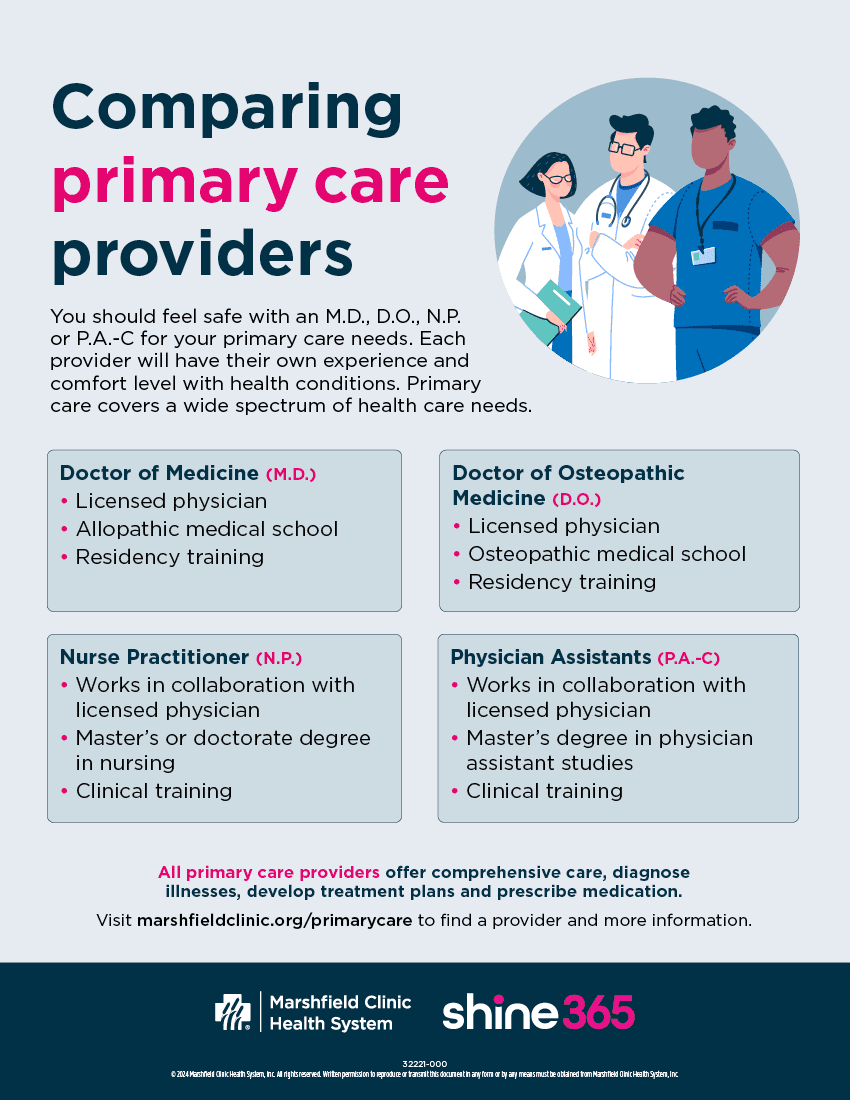
This article will delve into what PA-C truly stands for, not just as a medical credential but as a robust and evolving professional brand. We will explore its identity, its value proposition in the market, how it contributes to the broader corporate identity of healthcare organizations, and its ongoing evolution in a dynamic industry.
The Credential as a Mark of Professional Identity and Trust
At its core, “PA-C” is a brand that immediately communicates competence, training, and a specific scope of practice. It’s a shorthand for a significant investment in education and a commitment to high standards of patient care.
Defining PA-C: Physician Associate-Certified (or Physician Assistant-Certified)
The “PA” in PA-C traditionally stood for “Physician Assistant.” However, a significant brand evolution is underway, with the profession actively advocating for and transitioning to the title “Physician Associate.” This shift is not merely semantic; it’s a strategic branding move designed to better reflect the collaborative and comprehensive nature of the PA’s role, emphasizing partnership rather than subordination. Regardless of the preferred term, the core function remains: PAs are healthcare professionals who practice medicine as members of a healthcare team with supervising physicians. They conduct physical exams, diagnose and treat illnesses, order and interpret tests, counsel on preventive health, assist in surgery, and can even write prescriptions in all 50 states and the District of Columbia.
The crucial “C” in PA-C stands for “Certified.” This certification is administered by the National Commission on Certification of Physician Assistants (NCCPA), an independent credentialing body. To earn and maintain the “C,” a PA must:
-
Graduate from an accredited PA program: These programs are typically master’s-level degrees, averaging 27 months in length, and are accredited by the Accreditation Review Commission on Education for the Physician Assistant (ARC-PA).
-
Pass the Physician Assistant National Certifying Exam (PANCE): This rigorous exam assesses a PA’s medical and surgical knowledge.
-
Maintain certification: This involves completing 100 hours of continuing medical education (CME) every two years and passing a recertification exam (PANRE) every ten years.
Building Trust Through Certification
The “Certified” aspect is perhaps the most potent branding element of the PA-C title. In a landscape where patients seek assurance and quality, the “C” acts as a powerful trust mark. It signals to patients, physicians, and healthcare administrators that the individual has met national standards of excellence.
-
For Patients: The PA-C credential builds immediate confidence. It communicates that the provider has undergone standardized, rigorous training and has been independently evaluated for their competency. This helps patients feel secure in the care they receive, fostering a crucial sense of trust which is paramount in healthcare. It’s a brand promise of quality and safety.
-
For Physicians and Healthcare Teams: The certification streamlines the integration of PAs into medical teams. It assures supervising physicians that their PA colleagues possess a foundational body of knowledge and clinical skills, facilitating efficient collaboration and reducing the need for extensive individual vetting. It supports the corporate identity of the medical practice by ensuring a consistent level of professionalism across its providers.
-
For the Profession Itself: The ongoing certification requirements ensure that PA-Cs remain current with medical advancements and best practices. This commitment to lifelong learning reinforces the professional brand, distinguishing PA-Cs as dynamic and adaptable professionals in a constantly evolving field.
The Evolution and Recognition of the PA-C Brand
The PA profession is relatively young compared to others like nursing or medicine, originating in the mid-1960s. Its rapid growth and increasing prominence are a testament to its strong and adaptive brand strategy.
From Physician Assistant to Physician Associate: A Brand Evolution
The proposed transition from “Physician Assistant” to “Physician Associate” is a strategic re-branding effort driven by the American Academy of PAs (AAPA). This initiative aims to:
-
Enhance Professional Clarity: The term “assistant” can sometimes imply a subordinate role or limited scope, which doesn’t fully capture the breadth of a PA’s responsibilities and autonomous decision-making capacity under physician supervision. “Associate” better conveys a collaborative partnership and a peer-level contribution to patient care.
-
Improve Market Positioning: By aligning the title more closely with their actual practice, the profession aims to elevate its standing and perception among the public, policymakers, and other healthcare professionals. This strategic repositioning is crucial for continued growth and for attracting future talent to the profession.
-
Standardize Global Recognition: Many international counterparts already use “associate” or similar terms, making this change a step towards global brand consistency and easier integration into international healthcare systems.
This deliberate rebranding demonstrates a sophisticated understanding of how language shapes perception and reinforces professional identity – a classic brand strategy in action.
Elevating the Healthcare Team’s Corporate Identity
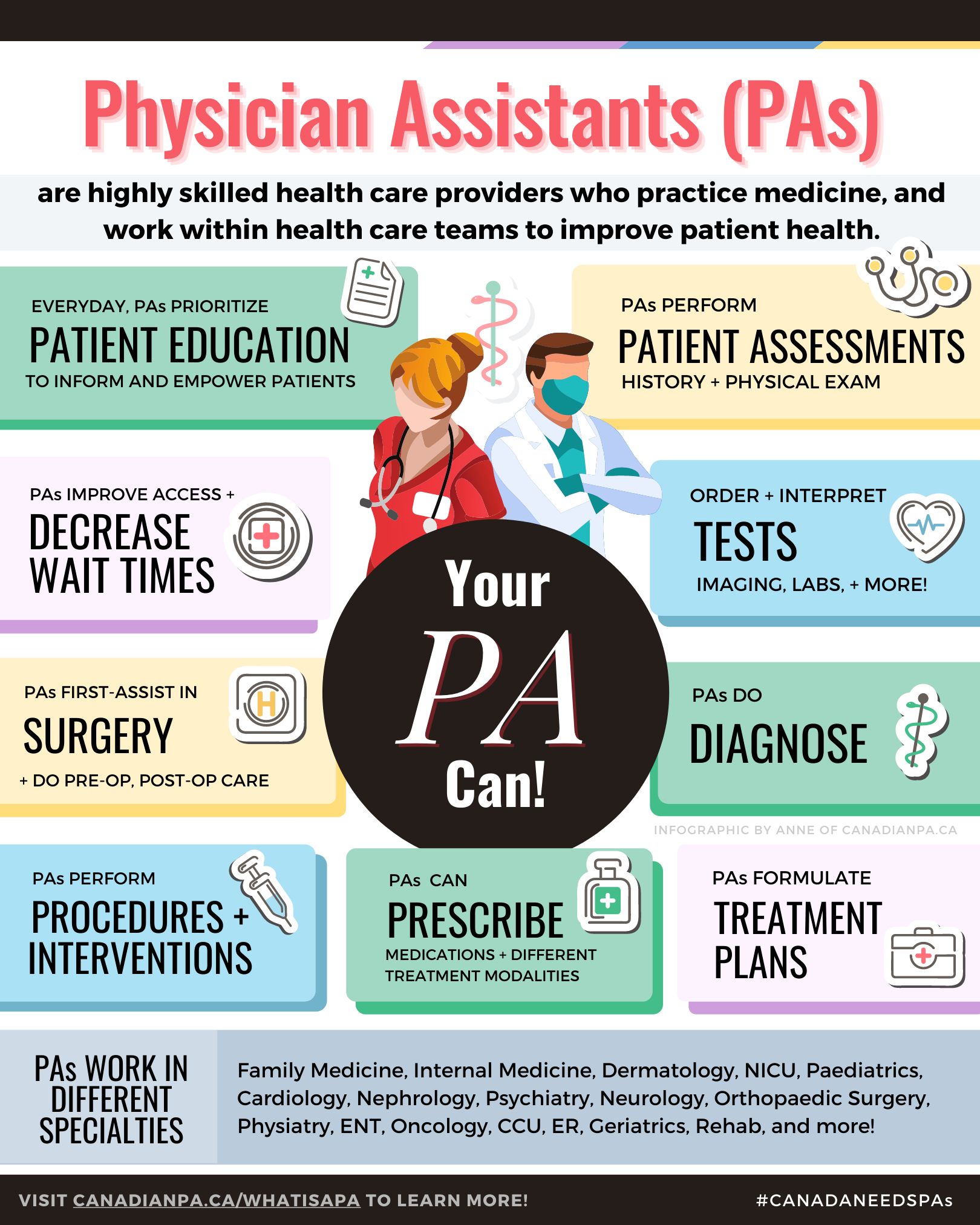
PA-Cs play a vital role in enhancing the corporate identity and operational efficiency of hospitals, clinics, and private practices. Their versatility and breadth of knowledge make them invaluable assets.
-
Expanding Access to Care: By capably handling a wide range of patient needs, PA-Cs effectively extend the reach of physician-led teams, allowing practices to see more patients and reduce wait times. This directly contributes to a positive patient experience and reinforces the brand reputation of the institution for accessibility and efficiency.
-
Improving Patient Outcomes and Satisfaction: PAs are often lauded for their patient-centered approach and ability to spend significant time educating patients. This personalized care fosters patient loyalty and positive word-of-mouth, strengthening the institution’s brand equity.
-
Optimizing Resource Utilization: The ability of PA-Cs to manage common conditions, perform procedures, and assist in surgery frees up physicians to focus on more complex cases, leading to more efficient use of highly specialized medical resources. This optimized workflow enhances the operational brand of the healthcare organization.
The PA-C’s Role in Personal and Professional Branding
For individual PA-Cs, the credential is not just a license to practice; it’s the foundation upon which they build their personal professional brand.
Crafting a Unique Professional Narrative
Every PA-C, while sharing a common credential, develops a unique professional narrative based on their specialty, experience, and patient interactions. The PA-C title grants them the credibility to:
-
Specialize and Differentiate: PAs can practice in virtually any medical specialty, from surgery to pediatrics, emergency medicine to psychiatry. This flexibility allows them to develop expertise and build a personal brand within a niche, becoming sought-after experts.
-
Lead and Innovate: Many PA-Cs take on leadership roles, engage in research, or champion new models of care. Their comprehensive medical training provides a strong platform for thought leadership, contributing to the broader professional brand of PA-Cs as innovators.
-
Build Patient Rapport: The direct and often extended patient interactions PAs have are crucial for building individual patient loyalty and referrals, which are critical elements of a strong personal brand in healthcare.
Marketing the Value Proposition of a PA-C
Beyond individual practice, the PA profession actively engages in marketing its collective value proposition. This involves ongoing education and advocacy to ensure the PA-C brand is fully understood and appreciated by all stakeholders.
-
Public Awareness Campaigns: National organizations like the AAPA invest in campaigns to educate the public about the PA role, dispelling misconceptions and highlighting their contributions to healthcare. This strengthens the overarching brand recognition of PA-Cs.
-
Legislative Advocacy: Continuous efforts are made to modernize PA practice laws, advocating for optimal team-based care and removing restrictive barriers. This protects and expands the market opportunities for PA-Cs, safeguarding their brand value.
-
Interprofessional Education: Promoting understanding and collaboration with other healthcare professions (physicians, nurses, pharmacists, etc.) ensures that the PA-C brand is well-integrated and respected across the entire healthcare spectrum.
The Future of the PA-C Brand in a Changing Healthcare Landscape
The healthcare industry is in a constant state of flux, driven by technological advancements, evolving patient demographics, and new models of care. The PA-C brand must remain agile and responsive to these changes to sustain its relevance and value.
Adapting to New Challenges and Opportunities
The inherent adaptability of the PA role is a core strength of its brand. This flexibility positions PA-Cs well to thrive amidst emerging trends:
-
Telemedicine and Digital Health: PAs are at the forefront of leveraging virtual care platforms, extending access to medical services, and maintaining continuity of care. This demonstrates the brand’s modernity and capacity for innovation.
-
Interdisciplinary Team-Based Care: As healthcare increasingly moves towards integrated, team-based models, the collaborative nature of the PA role becomes even more valuable. The PA-C brand is synonymous with effective teamwork and holistic patient management.
-
Focus on Preventative Care and Chronic Disease Management: PA-Cs are well-suited to provide comprehensive preventative counseling and manage chronic conditions, addressing critical public health needs and reinforcing their brand as essential partners in long-term health.
Sustaining Brand Equity and Public Perception
Maintaining the strong brand equity of PA-C requires ongoing vigilance and commitment from every professional and the collective organizations that represent them.
-
Continuous Quality Improvement: Adherence to evidence-based practices, participation in quality initiatives, and robust peer review processes ensure the PA-C brand remains synonymous with high-quality, safe patient care.
-
Ethical Practice: Upholding the highest ethical standards is non-negotiable for any professional brand. PA-Cs are guided by a strong code of ethics, reinforcing public trust.
-
Mentorship and Education: Nurturing future generations of PA-Cs through mentorship and robust educational programs ensures the perpetuation of the brand’s values and standards.
In conclusion, “what does PA-C stand for in medicine” is a question that, when viewed through a branding lens, reveals a rich tapestry of professional identity, trust, strategic evolution, and market value. It’s a brand built on rigorous education, national certification, and a commitment to collaborative, patient-centered care. As the healthcare landscape continues to evolve, the PA-C brand, with its adaptability and strong value proposition, is poised to remain a cornerstone of quality medical care for decades to come.
aViewFromTheCave is a participant in the Amazon Services LLC Associates Program, an affiliate advertising program designed to provide a means for sites to earn advertising fees by advertising and linking to Amazon.com. Amazon, the Amazon logo, AmazonSupply, and the AmazonSupply logo are trademarks of Amazon.com, Inc. or its affiliates. As an Amazon Associate we earn affiliate commissions from qualifying purchases.