
In the vast and ever-evolving landscape of technology, acronyms are a ubiquitous form of shorthand, simplifying complex concepts and streamlining communication. However, this efficiency can sometimes lead to confusion, especially when a single acronym like “MSO” carries multiple significant meanings across different tech domains. Understanding what MSO stands for isn’t just a matter of decoding letters; it’s about grasping crucial distinctions that impact everything from software usage and IT infrastructure to telecommunications services.
This article delves into the primary interpretations of MSO within the technology sector, providing a professional, insightful, and engaging exploration of each. By the end, you’ll not only know what MSO means in its various forms but also appreciate the context necessary to apply the correct definition, empowering you to navigate tech discussions with greater clarity.
MSO as Microsoft Office (Legacy Context)
One of the historical and sometimes still encountered uses of MSO refers to Microsoft Office. While less common in contemporary discourse, especially with the rebranding to Microsoft 365, this interpretation holds a legacy significance, particularly in understanding older documents, software architecture, or specific technical references.
Historical Significance and File Formats
In its earlier days, especially before the widespread adoption of cloud-based subscriptions, the term MSO was occasionally used as an informal or internal shorthand for the suite of productivity applications offered by Microsoft. This usage often appeared in technical documentation, file specifications, or system logs. For instance, some file formats or components associated with Microsoft Office might bear prefixes or internal identifiers related to “MSO.” A notable example is MSOML (Microsoft Office Markup Language), an XML-based language used by Office applications.
When troubleshooting an old document or analyzing a system error, encountering “MSO” in this context would point directly to a component or feature of Microsoft Word, Excel, PowerPoint, or other applications within that suite. Understanding this historical usage is crucial for IT professionals and developers who might be working with legacy systems or archiving old data, where references to MSO could provide clues about the software environment in which files were created or processed. It underscores the foundational role Microsoft Office played in the digital workspace for decades.
Modern Relevance and Shift to Microsoft 365
Today, the direct reference to “MSO” for Microsoft Office is largely superseded by the brand name Microsoft 365. This shift reflects a significant evolution in Microsoft’s product strategy – moving from perpetual software licenses to a subscription-based model that integrates cloud services, enhanced collaboration features, and regular updates. Microsoft 365 encompasses not just the traditional desktop applications (Word, Excel, PowerPoint, Outlook) but also cloud storage (OneDrive), communication tools (Teams), and other business services.
While the “MSO” abbreviation in reference to the productivity suite might still appear in very specific, often outdated, technical contexts or forums, most users and IT professionals now refer to “Microsoft 365” or simply “Office.” This evolution highlights a broader trend in the software industry towards “Software as a Service” (SaaS) models, offering more flexibility, security, and integration capabilities. Thus, while MSO could once have meant Microsoft Office, it’s a meaning that has largely faded from common usage in favor of a more comprehensive and current branding.
MSO as Managed Service Organization/Provider (MSP)
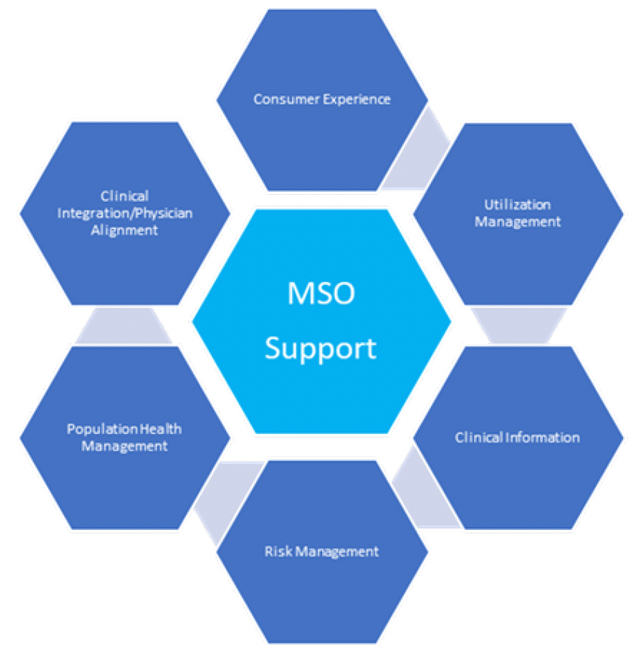
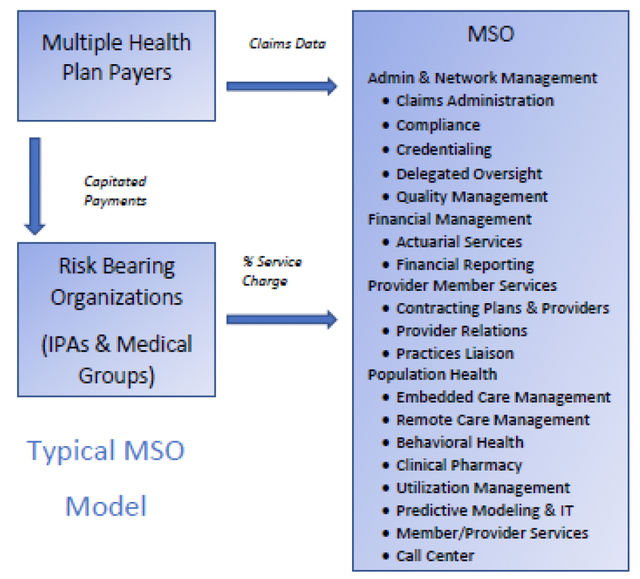
Perhaps the most contemporary and significant interpretation of MSO in the technology sector refers to a Managed Service Organization or Managed Service Provider (MSP). This meaning is central to modern IT strategy, particularly for businesses seeking efficient, secure, and scalable technology solutions without the overhead of an extensive in-house IT department.
The Backbone of Modern IT Support
A Managed Service Organization (or Provider) is a third-party company that remotely manages a customer’s IT infrastructure and end-user systems. Instead of reacting to problems as they arise (the traditional “break/fix” model), MSOs offer proactive, preventative, and predictive services. This includes a wide range of responsibilities: monitoring networks and servers, managing cybersecurity, overseeing cloud services, maintaining hardware and software, providing help desk support, and ensuring data backup and recovery.
The core principle behind engaging an MSO is to offload the burden of IT management, allowing businesses to focus on their core competencies. MSOs leverage specialized tools, expertise, and economies of scale to deliver superior IT performance and reliability, often on a subscription or contract basis. They become an extension of a company’s team, ensuring that technology operates smoothly, securely, and efficiently around the clock.
Key Benefits for Businesses
Partnering with an MSO offers numerous compelling advantages for businesses of all sizes:
-
Cost Efficiency: MSOs often provide services at a predictable monthly cost, which can be significantly lower than hiring and maintaining an in-house IT team with equivalent expertise and resources. It converts variable IT expenses into predictable operational costs.
-
Access to Specialized Expertise: MSOs employ a diverse team of IT professionals with certifications and experience across various technologies, from network security to cloud computing. This provides businesses with access to a depth of knowledge that would be expensive and difficult to replicate internally.
-
Proactive Monitoring and Maintenance: Rather than waiting for a system failure, MSOs actively monitor client systems 24/7, identifying and addressing potential issues before they can escalate into disruptive problems. This minimizes downtime and enhances operational continuity.
-
Enhanced Cybersecurity: With the increasing threat landscape, MSOs provide robust cybersecurity measures, including threat detection, vulnerability management, incident response, and compliance adherence, protecting critical business data and operations.
-
Scalability and Flexibility: As a business grows or its needs change, MSOs can easily scale services up or down, providing the flexibility to adapt to new technologies, expand operations, or respond to market shifts without major capital expenditure.
-
Focus on Core Business: By entrusting IT management to an MSO, companies can free up their internal resources and leadership to concentrate on strategic initiatives, innovation, and core business growth, rather than getting bogged down in IT concerns.
Technologies and Services Offered
The scope of services offered by MSOs is broad and ever-expanding, reflecting the complexity of modern IT environments. Common offerings include:
-
Network Management: Monitoring, configuration, and maintenance of local area networks (LANs), wide area networks (WANs), and wireless infrastructure.
-
Cloud Services Management: Deployment, optimization, and security of cloud platforms like AWS, Azure, and Google Cloud, as well as Software-as-a-Service (SaaS) applications.
-
Cybersecurity Solutions: Endpoint protection, firewall management, intrusion detection, vulnerability scanning, security awareness training, and compliance management.
-
Data Backup and Disaster Recovery: Implementing robust backup solutions and disaster recovery plans to ensure business continuity in the event of data loss or system failure.
-
Help Desk and End-User Support: Providing responsive technical support for employees, resolving software and hardware issues efficiently.
-
Software and Hardware Management: Licensing management, patch management, updates, and procurement advice for essential IT assets.
The Future of Managed Services
The MSO industry is dynamic, constantly evolving with technological advancements. Trends include the increased adoption of Artificial Intelligence (AI) and automation for proactive problem-solving and efficiency, a greater focus on specialized services (e.g., specific industry compliance, niche cloud platforms), and the expansion into advanced cybersecurity services to combat sophisticated threats. As businesses increasingly rely on complex IT ecosystems, the role of the MSO as a strategic partner will only grow in importance, solidifying its position as a critical component of the tech landscape.
MSO as Multiple System Operator (Telecommunications)
Another distinct and vital meaning of MSO, particularly within the telecommunications sector, refers to a Multiple System Operator. This definition describes a specific type of company that plays a crucial role in how many consumers receive their television, internet, and phone services.
Bridging the Gap in Broadcast & Broadband
In telecommunications, a Multiple System Operator (MSO) is a company that owns and operates two or more cable television or similar wireline systems. Essentially, these are the large corporations that provide cable TV, broadband internet, and sometimes landline telephone services to consumers across various geographic regions. Instead of operating a single local system, MSOs consolidate operations and infrastructure to serve a broader market.
Historically, MSOs were synonymous with cable TV providers, delivering a wide array of channels to subscribers. With the advent of the internet and digital telephony, their role expanded to become comprehensive “triple-play” service providers, bundling television, internet, and voice services into integrated packages. They are the backbone that connects homes and businesses to the digital world through extensive physical networks of coaxial cables, fiber optics, and increasingly, wireless infrastructure.
Impact on Consumers and Infrastructure
MSOs have a profound impact on consumers, as they are often the primary providers of essential communication and entertainment services. Their extensive infrastructure, including headends, distribution networks, and customer premises equipment, represents massive investments in technology and engineering. This infrastructure is critical for:
-
Content Delivery: Transmitting broadcast and cable channels, on-demand content, and streaming services to millions of households.
-
Internet Connectivity: Providing high-speed broadband internet, which is vital for work, education, entertainment, and social interaction in the digital age.
-
Voice Communication: Offering landline telephone services, although this segment has seen a decline due to the rise of mobile phones and VoIP.
The choices and quality of service available to consumers in many areas are directly influenced by the MSOs operating in those regions. Their ability to invest in network upgrades, expand coverage, and offer competitive packages directly affects access to technology and digital services.
Challenges and Evolution in a Digital Age
The landscape for MSOs is undergoing rapid transformation, driven by technological innovation and changing consumer behavior. Key challenges and evolutionary trends include:
-
Cord-Cutting: The rise of streaming services (Netflix, Hulu, Disney+, etc.) has led many consumers to “cut the cord” on traditional cable TV subscriptions, forcing MSOs to adapt their content strategies and emphasize broadband internet.
-
Fiber Optic Expansion: To compete with fiber-to-the-home (FTTH) providers and meet increasing demand for bandwidth, many MSOs are heavily investing in upgrading their networks with fiber optics, moving beyond traditional coaxial cables.
-
5G and Wireless Competition: The deployment of 5G wireless technology by mobile carriers presents new competition for home internet services, particularly in areas where traditional broadband options are limited. MSOs are exploring partnerships or developing their own wireless strategies.
-
Diversification: MSOs are diversifying their offerings, moving into areas like smart home services, business-to-business (B2B) services (e.g., enterprise networking, cloud solutions), and even developing their own streaming platforms to retain and attract subscribers.
-
Regulatory Scrutiny: Given their significant market presence, MSOs often face regulatory oversight regarding competition, net neutrality, and consumer protection.
In summary, MSOs in telecommunications are powerhouse entities that have shaped the digital infrastructure and connectivity for decades, and they continue to evolve rapidly to stay relevant in an increasingly competitive and technologically advanced world.
Navigating the Nuances: How to Determine the Correct MSO Meaning
Given that “MSO” carries such distinct meanings across different tech domains, discerning the correct interpretation is paramount for clear communication and accurate understanding. The key to unlocking its meaning lies almost entirely in context.
Context is King
Whenever you encounter the acronym “MSO,” your first step should be to consider the surrounding discussion, the industry, or the document you are engaging with. The context will almost invariably point you toward the correct definition.
-
If the conversation revolves around software licenses, older file formats, or productivity applications, the historical Microsoft Office meaning is likely in play.
-
If the topic is IT outsourcing, network security, cloud management, or business IT support, then Managed Service Organization/Provider is the correct interpretation.
-
When discussing cable television, broadband internet service, telecommunications infrastructure, or entertainment packages, Multiple System Operator is the definition you should use.
Without context, “MSO” remains an ambiguous string of letters. With it, it becomes a precise term within its specific niche.
Looking for Clues
To further aid in disambiguation, look for specific clues within the conversation or text:
-
Associated Terms: Are there terms like “Word document,” “Excel spreadsheet,” or “Office 2010” nearby? (Microsoft Office). Are terms like “IT support,” “network uptime,” “cybersecurity,” or “cloud migration” mentioned? (Managed Service Organization). Are “cable TV,” “broadband speeds,” “fiber optics,” or “internet provider” part of the discussion? (Multiple System Operator).
-
Source or Speaker: Who is using the term? An IT consultant talking about IT services? A telecom executive discussing network upgrades? A software developer debugging an old application? The speaker’s profession or organizational affiliation can provide strong hints.
-
Geographic Scope: Discussions about MSOs in telecommunications often involve large, multi-state or national service areas, whereas an MSO in the IT services sense could serve clients globally or locally, depending on its size.
-
Problem or Solution: Is the term being used in the context of a solution to IT challenges (e.g., “We hired an MSO to manage our IT”) or in relation to a service provider for home entertainment (e.g., “Our MSO is upgrading its internet speeds”)?
By actively seeking out these contextual clues, you can confidently determine which meaning of MSO is relevant and avoid misinterpretations that could lead to confusion or incorrect assumptions.

Conclusion
The acronym “MSO” stands as a prime example of how brevity in language can lead to complexity in understanding, especially in the multifaceted world of technology. From its historical association with Microsoft Office to its critical modern roles as a Managed Service Organization in IT and a Multiple System Operator in telecommunications, “MSO” embodies diverse and significant functions within our digital ecosystem.
Demystifying “what MSO means” is not merely an academic exercise; it’s a practical skill for anyone navigating the tech landscape. Whether you’re an IT professional seeking solutions, a business leader evaluating service providers, or a consumer trying to understand your internet provider, recognizing the correct context is key. By understanding these distinct definitions and learning to identify the contextual clues, you can confidently decipher MSO in any tech discussion, ensuring clear communication and a deeper appreciation for the specialized roles these entities play in shaping our technological present and future.
aViewFromTheCave is a participant in the Amazon Services LLC Associates Program, an affiliate advertising program designed to provide a means for sites to earn advertising fees by advertising and linking to Amazon.com. Amazon, the Amazon logo, AmazonSupply, and the AmazonSupply logo are trademarks of Amazon.com, Inc. or its affiliates. As an Amazon Associate we earn affiliate commissions from qualifying purchases.