
In an increasingly connected world, where digital interactions shape our daily lives, understanding the nuances of network connectivity is paramount. One term that often surfaces, particularly when discussing internet usage and data consumption, is “metered network.” Far from being an obscure technical jargon, comprehending what a metered network entails is crucial for managing data, controlling costs, and optimizing your online experience. At its core, a metered network signifies an internet connection where data usage is tracked and, often, limited. Unlike an unmetered connection, which typically offers unlimited data within a set speed, a metered connection imposes restrictions that can lead to additional charges or reduced service once a predefined data threshold is crossed. This concept applies across various forms of internet access, from mobile hotspots and satellite internet to specific residential broadband plans and corporate networks. For the average user, knowing when and how a connection is metered can drastically alter how they interact with their devices and the internet, influencing everything from streaming habits to software updates and cloud synchronization. This comprehensive guide will delve into the intricacies of metered networks, exploring their definition, implications, management strategies, and their evolving role in the digital landscape.
Understanding the Concept of Metered Networks
The bedrock of digital life is network connectivity, yet not all connections are created equal. The distinction between metered and unmetered networks is fundamental to grasping how data is consumed and billed.
Definition and Core Principles
A metered network is an internet connection where the amount of data you send and receive is measured, monitored, and subject to specific limits. Think of it like a utility service, such as water or electricity, where usage beyond a certain point either incurs extra charges or is curtailed. When your device connects to a metered network, it’s essentially told, “Every byte counts.” This measurement typically includes both upload and download traffic, encompassing everything from browsing websites and sending emails to streaming videos and downloading large files. The ‘meter’ itself is often managed by the Internet Service Provider (ISP) or the network administrator, who sets the data cap—the maximum amount of data allowed within a billing cycle or specific timeframe. Once this cap is reached, users might face slowed speeds (throttling), additional fees for overage, or a temporary suspension of service until the next cycle begins or more data is purchased. This contrasts sharply with an unmetered network, which provides unlimited data usage, usually for a flat monthly fee, allowing users to consume as much data as they wish without fear of exceeding a cap or incurring extra charges.
The Rationale Behind Metering
The implementation of metered networks is driven by several key factors, primarily related to network capacity, cost management, and fair usage policies.
-
Network Capacity Management: Internet infrastructure, while vast, is not infinite. ISPs have finite bandwidth and resources. By limiting data consumption for some users, especially during peak times or in regions with limited infrastructure, providers can ensure a more stable and equitable service for all subscribers. Metering helps prevent a small percentage of heavy users from monopolizing bandwidth, which could degrade service quality for others.
-
Cost Recovery and Profitability: Building, maintaining, and upgrading network infrastructure is incredibly expensive. Metering allows ISPs to monetize data consumption more effectively. Users who consume more data pay more, which helps offset operational costs and fund future investments. This is particularly relevant for technologies like satellite internet or mobile data, where the cost per gigabyte for the provider can be higher due to infrastructure and transmission methods.
-
Tiered Service Offerings: Metering enables ISPs to offer a range of service plans at different price points. Customers can choose a plan that aligns with their anticipated data usage and budget. Those who use the internet sparingly can opt for lower-cost, lower-cap plans, while heavy users can choose more expensive, higher-cap (or unlimited) plans.
-
Fair Usage Policies: In some contexts, metering is part of a “fair usage policy” designed to prevent abuse or excessive consumption that could negatively impact the network’s performance for other users. While less common in standard residential broadband today, it remains prevalent in mobile and some specialized internet services.
Common Scenarios for Metered Networks
Metered connections are not a universal standard but are frequently encountered in specific environments and technologies:
-
Mobile Hotspots and Cellular Data: This is perhaps the most common example. Smartphone data plans are almost universally metered, offering a set amount of gigabytes per month. Exceeding this often results in throttling (reduced speeds) or additional charges. When you tether your phone to create a mobile hotspot, you’re sharing that metered data with other devices.
-
Satellite Internet: Due to the inherent limitations and costs associated with satellite communication, most satellite internet plans come with strict data caps, often with significant speed reductions or data allowances after the cap is hit.
-
Fixed Wireless Internet (WISP): In rural areas where traditional wired broadband is unavailable, Wireless Internet Service Providers (WISPs) often offer services with data caps, as their infrastructure can also have bandwidth limitations.
-
Some Residential Broadband Plans: While less common than in the past, some DSL or cable internet providers still offer lower-tier plans with data caps, though many have shifted towards unlimited options or very high caps (e.g., 1TB or 1.2TB) that most users won’t exceed.
-
Public Wi-Fi Networks (with limits): Some public Wi-Fi hotspots, especially in hotels, airports, or cafes, might offer a limited amount of free data before requiring payment or imposing time limits, effectively operating as a metered connection.
-
Corporate and Educational Networks: In some institutional settings, data usage might be metered or prioritized to ensure critical services receive adequate bandwidth, or to manage overall network traffic.
Recognizing these scenarios is the first step in effectively managing your data consumption and avoiding unexpected costs.
The Impact of Metered Networks on Users and Devices
The presence of a metered network fundamentally alters the digital experience, influencing user behavior, application functionality, and even the financial outlay for internet services. Understanding these impacts is crucial for proactive management.
Data Consumption Awareness
The most immediate effect of a metered network is the heightened need for data consumption awareness. Users on metered connections cannot browse, stream, or download indiscriminately without consequences. This necessitates a shift in habits:
-
Mindful Streaming: Instead of automatically playing videos in 4K, users might opt for 1080p or even 720p resolution. Auto-play features are often disabled, and offline downloads are preferred when a Wi-Fi connection is available.
-
Selective Downloading: Large game updates, software patches, or extensive media files are typically postponed until an unmetered Wi-Fi connection is accessible.
-
Reduced Background Activity: Users become more attuned to applications running in the background, syncing data, or downloading updates without explicit permission. This leads to adjusting settings in operating systems and individual apps to curb data use.
-
Prioritization: Internet activities are prioritized. Essential work or communication might take precedence over entertainment or non-critical tasks that consume significant data.
This awareness can be a double-edged sword: it promotes efficient data usage but can also introduce a layer of stress or limitation to the digital experience.
Performance Implications
Hitting a data cap on a metered network often leads to significant performance degradation, particularly in the form of throttling.
-
Throttling: This is the intentional slowing down of internet speeds by the ISP once the data cap is reached. While the connection remains active, speeds can drop dramatically, sometimes to unusable levels (e.g., 128 kbps or 256 kbps). This makes even basic browsing frustrating, and streaming or video calls impossible.
-
Reduced Quality of Service (QoS): Beyond raw speed, some providers might de-prioritize traffic from heavy users, leading to higher latency and less stable connections, even before hitting a hard cap, impacting real-time applications like online gaming or VoIP.
-
Temporary Service Suspension: In severe cases or with very strict plans, once the data cap is exhausted, the internet service might be temporarily suspended altogether until the next billing cycle or until additional data is purchased.
These performance penalties can severely disrupt productivity and entertainment, underscoring the importance of staying within data limits.
Financial Considerations
The financial impact of metered networks can be substantial, often resulting in unexpected costs.
-
Overage Charges: Many providers impose steep fees for every gigabyte consumed beyond the allotted data cap. These charges can accumulate rapidly, turning an otherwise affordable plan into an expensive bill.
-
Tiered Pricing and Data Add-ons: To avoid overage, users might choose to purchase additional data blocks, known as “data add-ons” or “top-ups.” While this offers flexibility, it still represents an unplanned expense.
-
Forced Plan Upgrades: Consistently hitting data caps might compel users to upgrade to more expensive plans with higher data allowances, which, while offering more freedom, also incurs a higher fixed monthly cost.
-
Budgeting Challenges: For individuals and businesses, unpredictable internet bills due to overage charges can complicate financial planning and budgeting.
Software Behavior Adjustments
Modern operating systems and applications are increasingly designed with metered connections in mind, but users often need to configure them appropriately.
-
Operating System Recognition: OSs like Windows, macOS, Android, and iOS can often detect if a network is metered (e.g., a cellular connection or a Wi-Fi network you manually mark as metered). When identified, they automatically adjust their behavior.
-
Automatic Updates: On metered networks, automatic system updates, app updates, and driver updates are often paused or limited to critical security patches, preventing large downloads that could consume significant data.
-
Background Syncing: Cloud storage services (OneDrive, Google Drive, Dropbox), email clients, and photo backup services typically reduce or halt background syncing of large files when a metered connection is active.
-
Streaming and Browsing Defaults: Browsers might offer data saver modes, and streaming apps might default to lower quality settings or disable auto-play on metered connections to conserve data.
While these automatic adjustments are helpful, users should still review and customize their settings to ensure their devices behave as expected on metered networks. Without proper management, devices can quickly drain data allowances, leading to the aforementioned performance and financial consequences.
Managing and Optimizing Usage on Metered Networks
Navigating a metered network effectively requires a combination of strategic settings adjustments, mindful application usage, and diligent monitoring. The goal is to maximize your data allowance while maintaining a productive and enjoyable online experience.
Leveraging OS-Level Metered Connection Settings
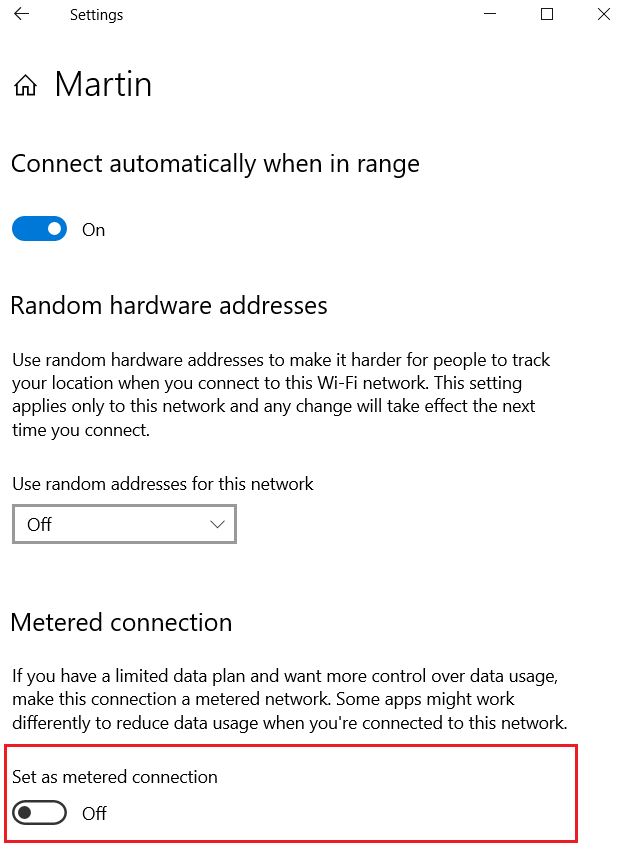
Modern operating systems provide built-in tools to help manage data on metered networks. Utilizing these is the first line of defense.
-
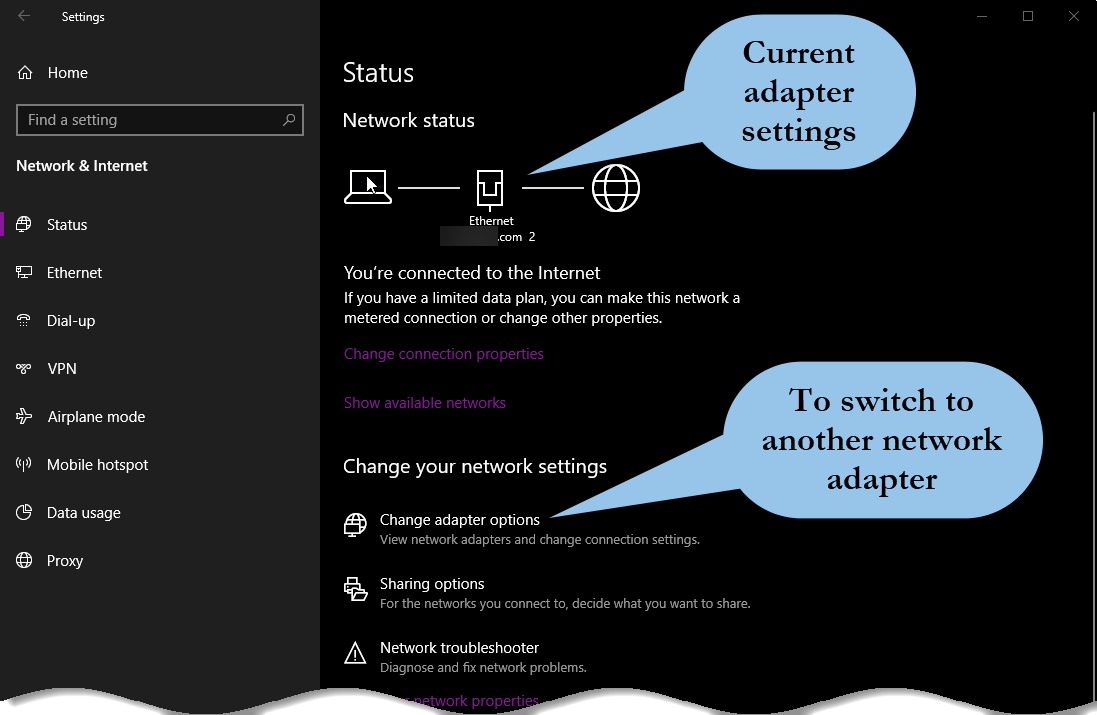
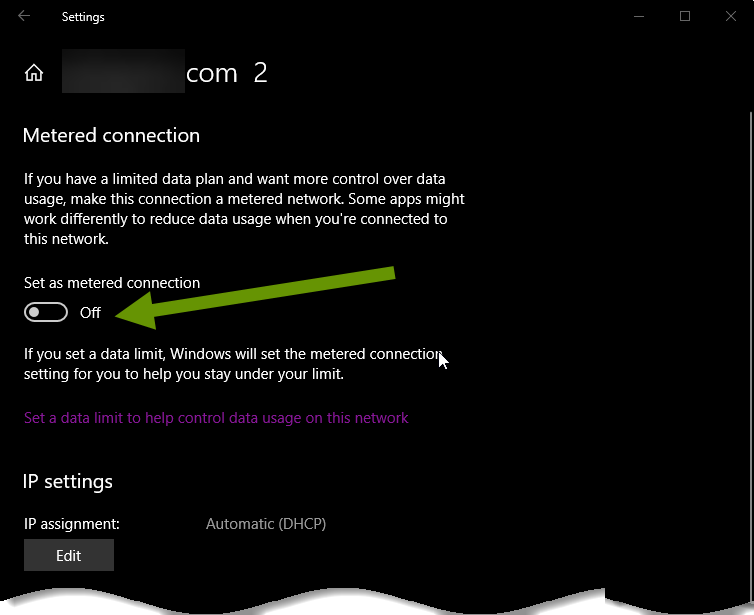
Windows: Windows 10 and 11 offer a “Set as metered connection” option for Wi-Fi and even Ethernet connections. When enabled (Settings > Network & Internet > Wi-Fi > [Your Network Name] > Metered connection), Windows automatically restricts background data usage, pauses non-critical updates, and adjusts app behavior. For cellular data, it’s often metered by default. Users can also set data limits and receive notifications via “Data usage” settings.
-
macOS: macOS doesn’t have a direct “metered connection” toggle for Wi-Fi, but users can manage data through specific application settings. For cellular data tethering, the system is aware it’s a metered connection. Users must manually manage App Store updates, iCloud syncing, and Photos syncing preferences when tethered.
-
Android: Android automatically detects cellular data as metered. For Wi-Fi, you can often find a “Metered network” or “Data usage warning” setting within the Wi-Fi network’s advanced options. This instructs apps to reduce data usage. Android also provides comprehensive data usage tracking and the ability to restrict background data for individual apps.
-
iOS: Similar to Android, iOS treats cellular data as metered by default. For Wi-Fi, there’s no direct “metered” switch. However, users can manage “Wi-Fi Assist” (which uses cellular data if Wi-Fi is poor), disable automatic app updates, background app refresh, and iCloud photo syncing when on Wi-Fi they suspect might be metered or limited.
Actively configuring these OS-level settings is critical for devices connected to metered networks.
Application-Specific Data Controls
Beyond the operating system, many applications offer their own data-saving features that can significantly reduce consumption.
-
Web Browsers: Utilize data saver modes found in browsers like Chrome, Edge, and Opera. These modes can compress web pages, block ads, and optimize image loading to use less data. Consider using lightweight browsers or text-only modes where available.
-
Streaming Services: Manually set video quality to standard definition (480p or 720p) instead of HD or 4K on platforms like Netflix, YouTube, Hulu, and Spotify. Disable auto-play for videos and download content for offline viewing when on an unmetered connection.
-
Cloud Storage and Backup: Configure services like Dropbox, Google Drive, and OneDrive to only sync files when connected to specific Wi-Fi networks or to pause syncing on metered connections. Disable automatic photo and video uploads from your phone.
-
Gaming Platforms: Prevent large game updates from downloading automatically. Schedule updates for when you have access to an unmetered connection.
-
Social Media Apps: Many social media apps (Facebook, Instagram, TikTok) have data saver settings that reduce image/video quality or prevent auto-playing videos.
Regularly reviewing and adjusting these app-specific settings can prevent stealthy data drain.
Monitoring Tools and Strategies
Knowledge is power, especially when it comes to data usage. Consistent monitoring helps you stay within your limits.
-
Built-in Data Usage Trackers: All major operating systems include tools to track data usage over specific periods. Regularly check these to understand which applications are consuming the most data.
-
ISP/Carrier Apps and Portals: Your internet service provider or mobile carrier usually offers dedicated apps or web portals where you can view your current data consumption, remaining allowance, and billing cycle details in real-time. Set up alerts for when you approach your data cap.
-
Third-Party Monitoring Apps: For more granular control or cross-device tracking, consider third-party data monitoring applications.
-
Understand Your Billing Cycle: Know exactly when your data allowance resets. This prevents unexpected overages at the end of a cycle.
Proactive monitoring allows you to adjust your usage before hitting critical limits.
Data-Saving Practices
Beyond specific settings, adopting general data-saving habits can make a significant difference.
-
Prioritize Wi-Fi: Whenever possible, connect to unmetered Wi-Fi networks (at home, work, or trusted public hotspots) for data-intensive tasks like software updates, large downloads, or high-quality streaming.
-
Offline Access: Download movies, music, podcasts, and documents for offline consumption before you leave an unmetered network.
-
Selective Syncing: Only sync essential files and folders to cloud services. Avoid syncing entire photo libraries or large document archives unless absolutely necessary.
-
Disable Auto-Play: Turn off auto-play features for videos on websites and social media platforms.
-
Compress Files: When uploading files, consider compressing them if quality isn’t paramount.
-
Email Management: Avoid downloading large attachments unless necessary; preview them online if possible.
-
Content Blocking: Use browser extensions that block ads and unnecessary scripts, as these can consume data without your direct interaction.
By combining OS settings, app configurations, diligent monitoring, and smart usage habits, you can effectively manage and optimize your experience on metered networks, ensuring you stay connected without breaking the bank or sacrificing essential functionality.
The Evolving Landscape of Network Metering
The concept of metered networks is not static; it continues to evolve in response to technological advancements, changing user demands, and ongoing policy debates. Understanding these broader trends provides context for the future of data consumption.
5G and Future Networks
The advent of 5G technology, with its promise of unprecedented speeds and ultra-low latency, brings both opportunities and challenges for network metering.
-
Increased Capacity: 5G networks are designed with significantly higher capacity than previous generations. This could potentially reduce the necessity for strict data caps, leading to more generous allowances or even truly unlimited mobile data plans in some markets.
-
New Data-Intensive Applications: 5G will enable new technologies like augmented reality (AR), virtual reality (VR), advanced IoT, and widespread 4K/8K streaming, all of which are massive data consumers. While capacity increases, so does demand, which could still necessitate some form of metering to manage network load.
-
Fixed Wireless Access (FWA): 5G FWA is poised to become a viable alternative to traditional wired broadband in many areas. These services may come with higher data caps than traditional mobile plans but could still be metered, especially as they compete on price and performance.
-
Network Slicing: 5G’s ability to create “network slices” (virtual, isolated networks tailored for specific services) could lead to different metering models. For instance, an ISP might offer a slice for gaming with unlimited data for that specific traffic, while other data remains metered.
The future of metering with 5G is likely to be dynamic, with providers balancing increased capacity against surging demand from new, data-hungry applications.
IoT and Connected Devices
The proliferation of the Internet of Things (IoT) introduces a new dimension to network metering. As more and more devices become “smart” and connected, managing their collective data footprint becomes critical.
-
Explosive Device Growth: From smart home appliances and wearables to industrial sensors and connected vehicles, the number of IoT devices is growing exponentially. Each device, however small its individual data footprint, contributes to overall network traffic.
-
Diverse Data Needs: IoT devices have varying data requirements. A smart thermostat might use minimal data, while a security camera streaming 24/7 could be a significant consumer. Managing this diverse data load on metered networks is complex.
-
Hidden Data Consumption: Many IoT devices operate in the background, often without direct user interaction, performing updates, sending telemetry data, or responding to commands. This “hidden” data consumption can quickly add up, potentially contributing to unexpected overages on a metered network.
-
Dedicated IoT Connectivity: To address these challenges, specialized low-power wide-area network (LPWAN) technologies (like LoRaWAN or NB-IoT) are emerging for IoT, offering very low data rates but also potentially different, highly specific metering models. However, many IoT devices still rely on standard Wi-Fi or cellular connections.
Users will increasingly need to be aware of the data consumption of their connected devices and factor them into their overall metered network strategy.
Net Neutrality and Policy Debates
The existence and structure of metered networks are also intertwined with broader policy debates, particularly around net neutrality.
-
Zero-Rating: This practice, where certain applications or services are exempted from data caps (e.g., specific video streaming services don’t count towards your mobile data limit), is a contentious issue. Proponents argue it benefits consumers by offering free access to popular content, while critics contend it violates net neutrality by favoring certain content providers and potentially stifling competition.
-
Data Caps as a Barrier to Innovation: Some argue that strict data caps can hinder innovation, especially for new, data-intensive applications or startups that cannot afford to be zero-rated.
-
Consumer Protection: Regulators often debate what constitutes “reasonable” data caps and whether ISPs should be required to offer genuinely unlimited options, particularly in areas with limited competition. The transparency of metering practices and overage charges is also a key concern.
-
Digital Divide: Metered networks, especially with high overage charges, can exacerbate the digital divide by making internet access less affordable or reliable for low-income households, limiting their ability to fully participate in the digital economy.
These ongoing discussions highlight that network metering is not just a technical or economic matter but also a significant societal and policy issue that influences access, fairness, and innovation in the digital realm. The future of metered networks will undoubtedly continue to be shaped by a complex interplay of technological capabilities, market forces, and regulatory decisions.
Conclusion
The term “metered network” signifies a fundamental aspect of modern internet connectivity: the measurement and limitation of data usage. Far from being a niche concern, understanding metered networks is essential for anyone navigating today’s digital landscape, whether they’re streaming content, managing a small business, or simply staying connected on the go. From the definition rooted in data tracking and caps to the rationale behind their implementation driven by network capacity and cost recovery, metered connections permeate various forms of internet access, notably cellular data and satellite internet.
The impact on users and devices is profound, manifesting as a heightened need for data awareness, potential performance degradations through throttling, and often, unexpected financial burdens from overage charges. Operating systems and applications have evolved to adapt to metered connections, yet proactive user management remains critical. By leveraging OS-level settings, fine-tuning application-specific controls, diligently monitoring data consumption, and adopting smart data-saving practices, users can effectively optimize their experience on metered networks, ensuring they remain connected without sacrificing performance or incurring excessive costs.
Looking ahead, the evolution of 5G, the proliferation of IoT devices, and ongoing policy debates around net neutrality will continue to shape how networks are metered and managed. As technology advances and data demands escalate, the principles of efficient data consumption and transparent network practices will remain paramount. Ultimately, recognizing what a metered network means and actively managing one’s digital footprint is not just about avoiding surprise bills; it’s about empowering oneself to make informed choices, control costs, and maintain a seamless, efficient, and enjoyable experience in our increasingly connected world.
aViewFromTheCave is a participant in the Amazon Services LLC Associates Program, an affiliate advertising program designed to provide a means for sites to earn advertising fees by advertising and linking to Amazon.com. Amazon, the Amazon logo, AmazonSupply, and the AmazonSupply logo are trademarks of Amazon.com, Inc. or its affiliates. As an Amazon Associate we earn affiliate commissions from qualifying purchases.