
In the complex symphony of components that make up a modern furnace, few play as critical a role in both efficiency and, more importantly, safety, as the humble pressure switch. Often overlooked until a problem arises, this small device acts as a vigilant guardian, ensuring that your heating system operates under optimal conditions and, crucially, prevents the release of hazardous combustion byproducts into your home. Understanding its function is not just for HVAC professionals; it’s vital for any homeowner who wants to ensure their heating system is safe, reliable, and performing at its best.

This article delves into the intricate world of the furnace pressure switch, demystifying its purpose, explaining its operation, and shedding light on why its proper functioning is paramount to your home’s comfort and safety. From its basic definition to common troubleshooting scenarios, we’ll explore every facet of this essential component, empowering you with the knowledge to appreciate its significance and recognize potential issues.
The Guardian of Your Heating System: Understanding the Pressure Switch
At its core, a furnace pressure switch is a safety device designed to monitor the negative pressure, or vacuum, created by the inducer motor within the furnace’s venting system. Before the main burners can ignite, this switch must confirm that combustion byproducts, such as carbon monoxide, can be safely expelled from your home. Without this confirmation, the furnace will not proceed with its heating cycle, effectively protecting occupants from dangerous gas leaks.
What is a Furnace Pressure Switch?
Physically, a furnace pressure switch is a small, typically round or square, plastic or metal component connected by a thin rubber or silicone hose to a port on the furnace’s inducer motor housing or flue collector box. It usually has two wires connected to it, which are integral to its communication with the furnace’s control board. Inside, it contains a diaphragm that flexes in response to pressure changes, activating or deactivating an electrical contact.
Its primary location is typically near the inducer motor, a fan responsible for pulling exhaust gases from the combustion chamber and pushing them out through the flue pipe. The switch is calibrated to detect a specific level of negative pressure, confirming the proper operation of this exhaust system.
The Critical Role in Furnace Safety and Operation
The importance of the pressure switch cannot be overstated. Combustion in a furnace produces exhaust gases that must be vented outside the home. If these gases are not properly vented, they can accumulate within the living space, posing severe health risks, most notably carbon monoxide poisoning, which is colorless, odorless, and potentially fatal.
The pressure switch acts as a crucial interlock in the furnace’s ignition sequence. It verifies that the exhaust vent path is clear and that the inducer motor is functioning correctly to draw out the flue gases. If the switch does not detect the required negative pressure, it signals to the control board that there’s a problem with venting. In response, the control board will prevent the burners from firing, thus averting a potentially hazardous situation. This safety mechanism is a cornerstone of modern furnace design, ensuring peace of mind for homeowners.
How it Integrates with the Furnace Cycle
To fully grasp the pressure switch’s role, it helps to understand the typical furnace ignition sequence:
-
Thermostat Call for Heat: The thermostat signals the furnace to begin heating.
-
Inducer Motor Activation: The furnace’s control board first energizes the inducer motor, which begins to spin, creating a vacuum in the combustion chamber and venting system.
-
Pressure Switch Verification: As the inducer motor pulls air and exhaust, the pressure switch senses the resulting negative pressure. If this pressure meets or exceeds the specified threshold, the switch closes, sending an electrical signal back to the control board.
-
Ignition Sequence Continues: Upon receiving the “OK” signal from the pressure switch, the control board proceeds to the next steps: activating the igniter (either a hot surface igniter or spark igniter) and then opening the gas valve to allow fuel to the burners.
-
Combustion and Heat Exchange: The gas ignites, heating the heat exchanger. The main blower fan then distributes warm air throughout the home.
-
Cycle Completion: Once the thermostat’s set temperature is reached, the process reverses, and the furnace shuts down until the next call for heat.
If at any point the pressure switch fails to close (i.e., does not detect sufficient negative pressure), the control board will halt the ignition sequence, often displaying an error code and attempting to restart the sequence a few times before entering a “lockout” state, requiring a manual reset.
The Mechanics Behind the Safety: How a Pressure Switch Operates
The operation of a furnace pressure switch is a marvel of simple yet effective engineering. It relies on fundamental principles of fluid dynamics and electrical circuitry to perform its life-saving function. Understanding these mechanics provides deeper insight into why it’s such a vital component.
Detecting Exhaust Venting
The core function of the pressure switch is to confirm that the furnace’s exhaust gases can be effectively vented outside. When the inducer motor activates, it creates a negative pressure (a vacuum) within the sealed combustion chamber and the connected flue pipe. This vacuum pulls the combustion byproducts away from the heat exchanger and out of the home. The pressure switch is designed to “feel” this vacuum.
The rubber or silicone hose connected to the pressure switch channels this negative pressure to a diaphragm inside the switch. As the vacuum increases, the diaphragm flexes.
The Negative Pressure Signal
Inside the pressure switch, a spring-loaded diaphragm is positioned between two electrical contacts. When the inducer motor creates sufficient negative pressure, the vacuum pulls the diaphragm, causing it to overcome the spring tension and move. This movement then closes the electrical contacts.
Crucially, the pressure switch is calibrated to a specific millibar or inches of water column (in.wc.) setting. This factory-set value ensures that only adequate negative pressure, indicative of proper venting, will cause the switch to close. If the vacuum is too weak – perhaps due to a blockage in the flue or a failing inducer motor – the diaphragm won’t move enough to close the contacts, and the switch will remain open.
Communicating with the Control Board
Once the electrical contacts within the pressure switch close, a low-voltage electrical circuit is completed. This completed circuit sends a signal to the furnace’s main control board. Think of it as a “go-ahead” signal: “Ventilation is clear, it’s safe to ignite the burners.”
The control board interprets this signal as confirmation that all pre-ignition safety checks related to venting have passed. Only after receiving this signal will the control board send power to the igniter and open the gas valve, initiating the combustion process.
Safety Lockout: Preventing Hazardous Conditions
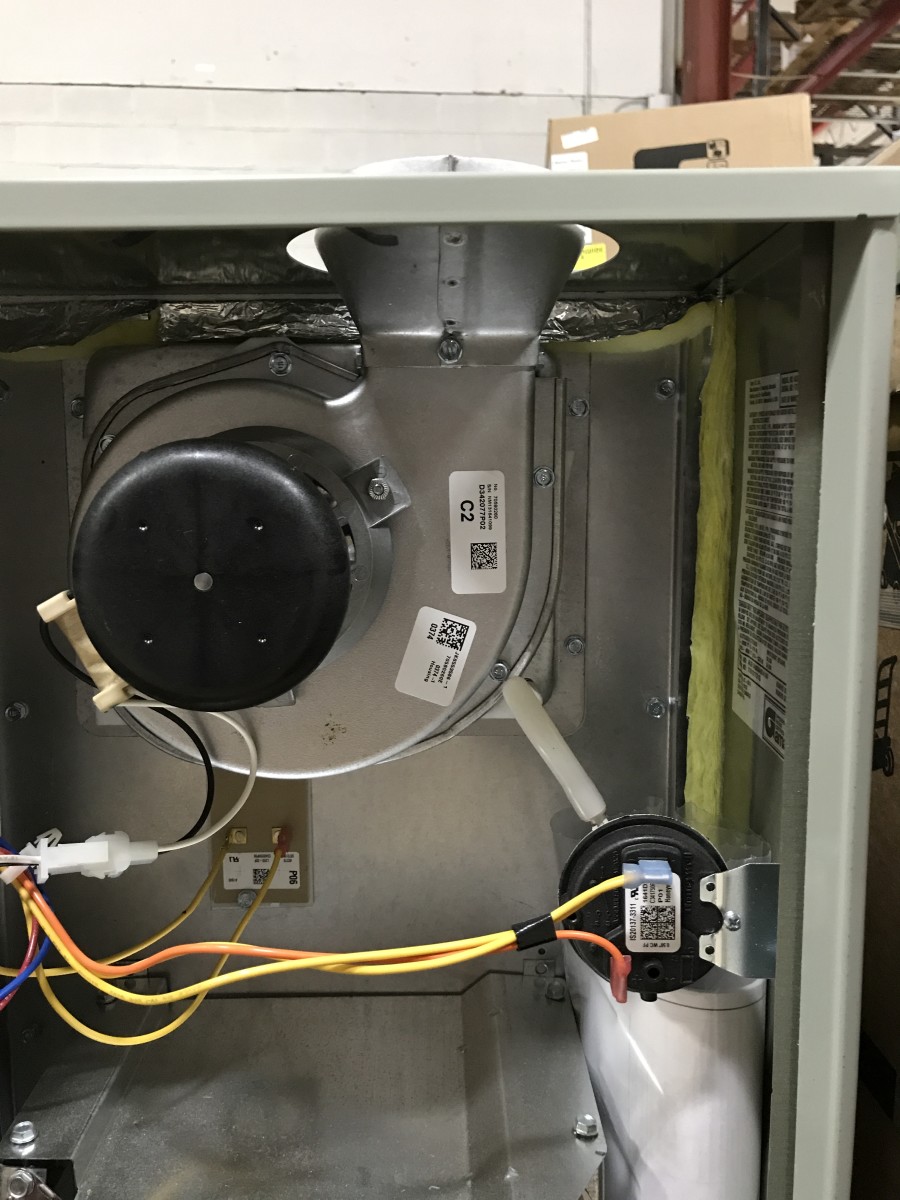
If the pressure switch remains open (meaning insufficient negative pressure is detected) for a specified period or after a certain number of retry attempts, the control board will enter a safety “lockout” mode. In lockout, the furnace completely ceases its attempts to ignite, and often displays a specific error code on the control board or through a flashing LED sequence. This lockout feature is an essential safety measure. It prevents the furnace from repeatedly trying to ignite when there’s a venting problem, thereby mitigating the risk of carbon monoxide buildup or other dangerous conditions. To resume operation, the furnace typically needs to be manually reset (often by cycling power to the unit) after the underlying issue has been addressed.
Common Issues and Troubleshooting Your Pressure Switch
While the pressure switch itself is a relatively simple component, issues related to it can cause your furnace to stop working entirely. It’s important to differentiate between a truly faulty switch and a switch that’s correctly identifying another problem within the venting system.
Signs of a Malfunctioning Pressure Switch
The most common symptom of a pressure switch issue is a furnace that attempts to start but fails to ignite the main burners. You might hear the inducer motor run for a minute or two, then stop, without the igniter ever glowing or the gas valve opening. The furnace may then try to cycle again or go into a lockout mode. Other signs include:
-
No Heat: The furnace simply doesn’t produce heat, despite the thermostat calling for it.
-
Short Cycling: The furnace starts, the inducer motor runs, but it quickly shuts down before the burners ignite, only to try again shortly after.
-
Error Codes: Many modern furnaces display specific error codes that point directly to a pressure switch fault or a related venting issue. Consult your furnace’s user manual to interpret these codes.
Diagnosing the Problem: Beyond the Switch
It’s crucial to understand that a pressure switch that remains open isn’t always faulty. Often, the switch is doing its job by correctly detecting a problem elsewhere. Before attempting to replace the switch, consider these related components:
-
Blocked Flue Vent: Debris (birds’ nests, leaves, ice, or even dead animals) can partially or fully block the exhaust pipe, preventing proper venting and thus the necessary negative pressure.
-
Faulty Inducer Motor: If the inducer motor isn’t spinning at its correct speed or isn’t running at all, it won’t create enough vacuum. The motor could have a bad bearing, a loose impeller, or a wiring issue.
-
Clogged Condensate Drain: High-efficiency condensing furnaces produce condensate (water) that must drain away. If the drain or trap is clogged, water can back up into the inducer motor or flue pipe, creating a blockage and preventing proper air flow.
-
Cracked Heat Exchanger: While rare, a crack in the heat exchanger can prevent proper pressure buildup and also pose a serious carbon monoxide risk. The pressure switch might detect unusual pressure readings in such a scenario, though other safety measures usually exist for this.
-
Kinked or Clogged Pressure Switch Hose: The small rubber hose connecting the switch to the inducer motor can become kinked, cracked, or clogged with debris or condensate, preventing the switch from accurately reading the pressure.
Potential Causes of Pressure Switch Failure
While less common than issues with related components, the pressure switch itself can fail due to:
-
Diaphragm Wear or Damage: Over time, the internal diaphragm can crack, stiffen, or lose its elasticity, preventing it from accurately responding to pressure changes.
-
Corroded Electrical Contacts: The internal electrical contacts can corrode, preventing the circuit from closing even when the diaphragm moves correctly.
-
Water Damage: If condensate backs up into the switch, it can cause corrosion and short circuits.
-
Calibration Drift: Though rare, the switch’s factory calibration can drift, making it too sensitive or not sensitive enough.
DIY vs. Professional Intervention
While checking for obvious blockages in the flue vent terminal outside your home or ensuring the pressure switch hose isn’t kinked are relatively safe DIY tasks, troubleshooting and replacing a pressure switch or diagnosing its related components often require specialized knowledge and tools.
-
DIY Cautions: Never bypass a pressure switch, even temporarily. Doing so can create a life-threatening carbon monoxide hazard. Always ensure the furnace’s power is off before inspecting any components.
-
When to Call a Pro: If you’re unsure about any aspect of troubleshooting, if the problem persists after checking for obvious blockages, or if you suspect a more serious issue like a faulty inducer motor or clogged condensate line, it’s always best to call a certified HVAC technician. They have the expertise to accurately diagnose the problem using pressure gauges, multimeters, and other specialized equipment, ensuring the repair is done safely and correctly.
Maintaining Your Furnace for Optimal Performance and Longevity
Understanding the furnace pressure switch underscores the importance of regular furnace maintenance. Proactive care can prevent many of the issues that lead to pressure switch faults and ensures the overall longevity and efficiency of your heating system.
Regular Inspections and Cleaning
Consistent maintenance is key to preventing issues with the pressure switch and the broader furnace system.
-
Filter Changes: Regularly changing your furnace filter improves airflow throughout the system. While not directly related to the pressure switch, poor airflow can strain components and, in some cases, affect overall furnace performance.
-
Vent Checks: Periodically inspect the exhaust vent pipe outside your home. Ensure it’s clear of obstructions like snow, ice, leaves, bird nests, or other debris. This simple visual check can prevent a critical blockage that would trigger the pressure switch.
-
Condensate Drain Maintenance: For high-efficiency furnaces, regularly check and clean the condensate drain line and trap. A simple solution of diluted bleach and water can help prevent algae and sludge buildup that leads to blockages.
-
Inducer Motor Inspection: During a professional service, the inducer motor should be inspected for unusual noises, vibrations, or signs of wear.
Understanding Related Components
Being aware of how the pressure switch interacts with other parts helps in holistic maintenance.
-
Inducer Motor: This motor is the direct partner to the pressure switch. Its proper functioning is paramount. Listen for any unusual sounds coming from the inducer fan, which could indicate failing bearings or a motor that’s struggling.
-
Flue Pipes: Ensure all sections of the flue pipe are securely connected, free of cracks, and sloped correctly for condensate drainage (in condensing furnaces). Any leaks in the flue can prevent the necessary negative pressure from forming.
-
Burner Flame Appearance: A healthy furnace burner flame should be steady and blue. Any signs of yellow or orange flames, or flames that are lifting or rolling out, could indicate combustion issues or even a cracked heat exchanger, warranting immediate professional attention.

The Importance of Professional Servicing
While basic checks can be done by a homeowner, nothing replaces the thorough inspection and tune-up provided by a qualified HVAC technician. Annual professional servicing typically includes:
-
Pressure Switch Testing: Technicians use specialized tools to verify the pressure switch’s operation and calibration.
-
Combustion Analysis: This ensures that the furnace is burning fuel efficiently and safely, and that dangerous gases are not being produced or leaking.
-
Venting System Inspection: A detailed check of the entire flue system for blockages, leaks, or corrosion.
-
Component Checks: Examination of the inducer motor, heat exchanger, igniter, gas valve, and electrical connections.
-
Cleaning: Thorough cleaning of the burners, flame sensor, and condensate drain system.
Investing in annual professional maintenance not only ensures the safe and efficient operation of your furnace but can also extend its lifespan, prevent costly breakdowns, and most importantly, safeguard your family from potential hazards related to improper combustion and venting. The furnace pressure switch is a testament to the engineering dedicated to your home’s safety, and keeping it, and the system it protects, in top condition should always be a priority.
aViewFromTheCave is a participant in the Amazon Services LLC Associates Program, an affiliate advertising program designed to provide a means for sites to earn advertising fees by advertising and linking to Amazon.com. Amazon, the Amazon logo, AmazonSupply, and the AmazonSupply logo are trademarks of Amazon.com, Inc. or its affiliates. As an Amazon Associate we earn affiliate commissions from qualifying purchases.