
In the vast and rapidly evolving landscape of technology, clarity and precise terminology are paramount. Yet, sometimes, the most profound insights come from unexpected places, from metaphors that compel us to look beyond the obvious. When we encounter a term like “endocervical component,” it immediately evokes a sense of internal, foundational, and often unseen biological structure. In a medical context, it refers to the cells lining the endocervix, a crucial part of the female anatomy, vital for reproductive health, and a focal point for preventative diagnostics like Pap tests. It represents a critical, yet frequently unexamined, inner layer.
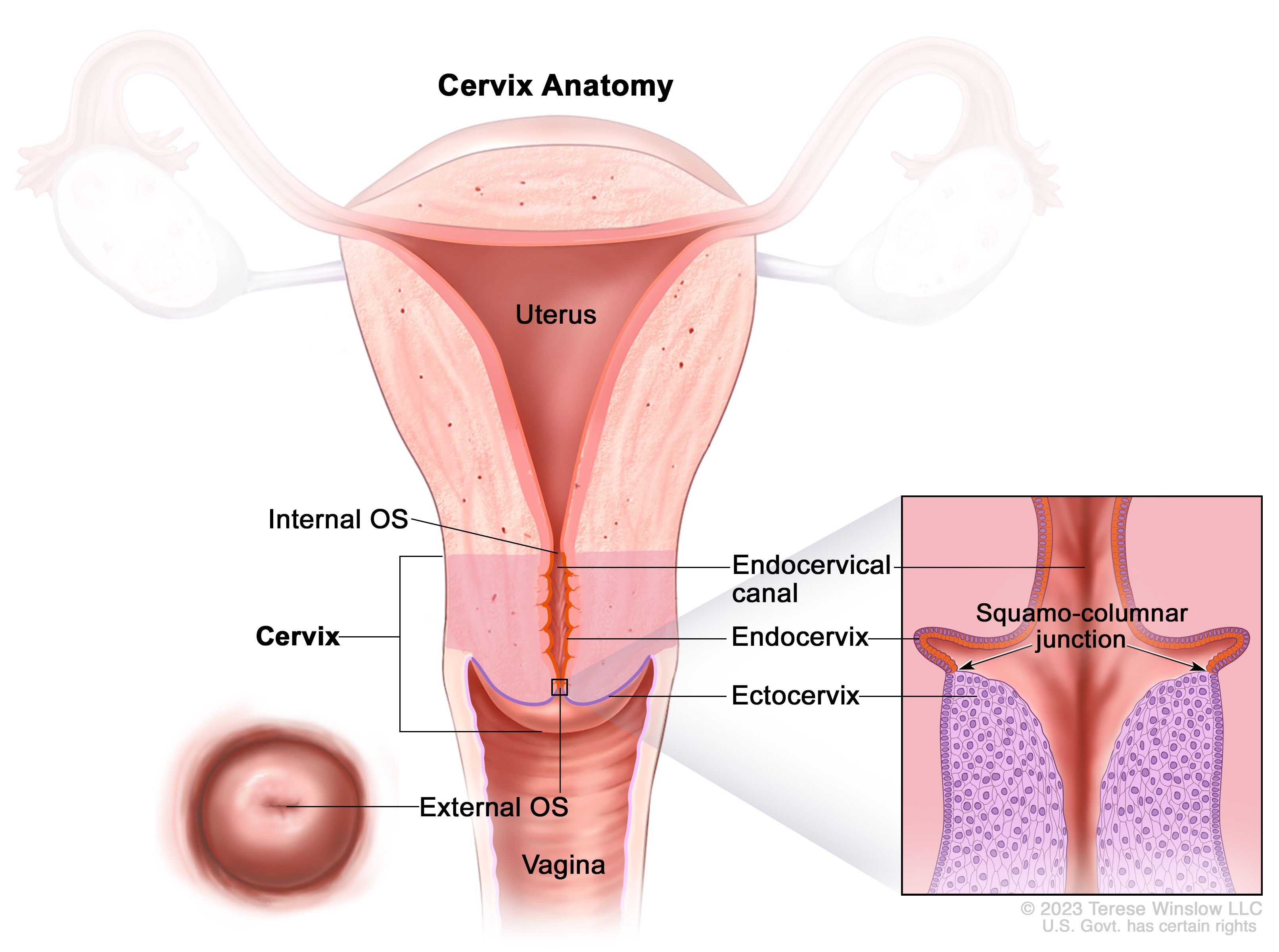
Translating this concept into the digital domain requires an imaginative leap, but one that reveals striking parallels. In technology, an “endocervical component” can be understood metaphorically as the fundamental, internal, often hidden, yet critically vital elements of a digital system, software architecture, or even an AI model. These are the core processes, structures, and foundational layers that, while not always visible on the user-facing surface, determine the overall health, performance, security, and longevity of any technological construct. Just as the endocervix is essential for biological function and health, its digital counterpart underpins the entire operational integrity of our tech world.
This article delves into what this intriguing metaphor signifies for technology professionals, leaders, and enthusiasts. We will explore how understanding and diligently managing these ‘endocervical components’ are not just best practices, but existential necessities for navigating the complexities of the digital age. From the intricate backend systems to the unseen algorithms driving AI, recognizing and nurturing these internal vital signs is key to building resilient, high-performing, and secure technological futures.
Deconstructing the Metaphor: The Unseen Core of Digital Systems
At the heart of every robust technological solution lies a complex interplay of internal mechanisms that users rarely, if ever, directly interact with. These are the metaphorical “endocervical components” – the unseen, yet utterly essential, parts that ensure everything functions as it should.
Backend Architectures and Infrastructure as the Digital Endocervix
Consider the vast server farms, network configurations, database systems, and cloud infrastructure that power our favorite applications and services. These are the true “endocervical components” of the digital world. They are not glamorous, often residing far from the end-user’s screen, but without their seamless operation, the most beautifully designed user interface is merely an empty shell. A company’s backend architecture dictates its scalability, reliability, and speed. Neglecting this foundational layer is akin to building a skyscraper on a sand foundation; it might look impressive from the outside, but its internal instability guarantees eventual collapse. For instance, the efficiency of a global e-commerce platform relies heavily on its robust database management, distributed server networks, and agile API gateways – all critical internal components that define its ability to handle millions of transactions concurrently. Investing in redundant systems, load balancing, and efficient data storage isn’t just an option; it’s a strategic imperative for digital health.
Algorithms and Data Structures: The Cellular Level of Tech
Beyond the physical and virtual infrastructure, the very “cells” of technology are its algorithms and data structures. These are the meticulously crafted sequences of instructions and methods for organizing information that dictate how software processes data, makes decisions, and performs tasks. In AI and machine learning, this concept becomes even more pronounced. The hidden layers of a neural network, the loss functions, the optimization algorithms – these are the genetic code, the very “cellular components” that determine an AI’s intelligence, accuracy, and bias. A flaw in a core algorithm can lead to systemic errors, security vulnerabilities, or biased outcomes that ripple throughout an entire system, affecting countless users. Understanding, scrutinizing, and optimizing these deep-seated structures is critical for ethical AI development and for ensuring the integrity of any complex software system.
Diagnosing Digital Health: Monitoring Your “Endocervical Components”
Just as medical professionals perform routine check-ups to monitor internal health, technology requires constant vigilance over its core components. Proactive monitoring and diagnostic tools are the digital equivalent of a preventative health screening.
Proactive System Monitoring and Performance Diagnostics
In technology, ignoring early warning signs from internal systems can lead to catastrophic failures. Comprehensive monitoring solutions track everything from server CPU utilization and memory usage to network latency and database query times. These systems act as a vigilant internal health screen, identifying anomalies that could signal impending issues. Performance diagnostics delve deeper, pinpointing bottlenecks in code, inefficient queries, or overloaded services before they impact user experience. For example, a sudden spike in latency in a particular microservice might indicate a memory leak or an inefficient algorithm running within that service – a clear “symptom” from an “endocervical component” that requires immediate attention. Organizations that prioritize real-time monitoring and predictive analytics are better equipped to maintain high availability and deliver seamless services.
Cybersecurity as an Immune System for Internal Vulnerabilities
The internal components of any digital system are often the most attractive targets for malicious actors. Cybersecurity, therefore, functions as the immune system protecting these vital “endocervical components.” This isn’t just about firewalls and external defenses; it extends to rigorous internal audits, vulnerability assessments, and penetration testing focused on the core infrastructure, algorithms, and data handling processes. A breach in a seemingly insignificant internal component, like an exposed API endpoint or an unpatched legacy system, can compromise the entire digital organism. Robust security protocols, including regular patching, strong access controls, and encryption for data at rest and in transit, are essential to shield these critical internal elements from attack and ensure their long-term integrity.
The Perils of Neglect: When Internal Health Fails

The consequences of overlooking a system’s internal health can range from minor irritations to existential threats, demonstrating the profound importance of our metaphorical “endocervical components.”
System Crashes and Data Breaches: The “Symptoms” of Internal Issues
When the “endocervical components” are neglected, the symptoms are often severe and highly visible. System crashes, data corruption, and prolonged downtime directly result from unchecked internal vulnerabilities or inefficiencies. A critical server failing due to overheating, a database becoming unresponsive due to poor indexing, or a vital application module encountering a memory overflow are all manifestations of internal health issues. More menacingly, data breaches often exploit weaknesses deep within an organization’s internal network or software architecture. Unsecured internal APIs, forgotten legacy systems, or misconfigured cloud storage buckets are common entry points that bypass perimeter defenses, leading to devastating data exposure and reputational damage. These “illnesses” highlight the critical need for constant internal diagnostics and care.
Technical Debt as a Chronic Condition
Another significant peril of neglecting internal components is the accumulation of technical debt. This refers to the implicit cost of additional rework caused by choosing an easy (limited) solution now instead of using a better approach that would take longer. It manifests as poorly written code, undocumented systems, outdated frameworks, and architectural shortcuts that compromise future scalability, maintainability, and security. Technical debt is a chronic condition that slowly erodes a system’s health, making it harder to implement new features, fix bugs, and adapt to changing requirements. Eventually, the burden becomes so heavy that significant resources must be diverted to “re-platforming” or “refactoring” – essentially, major internal surgery – to restore the system’s vitality. Managing technical debt is about proactively addressing internal inefficiencies before they become debilitating.
Cultivating Robustness: Building and Maintaining Healthy Digital Ecosystems
Just as a healthy lifestyle and preventative care strengthen a biological system, strategic approaches are necessary to build and maintain robust digital ecosystems.
Strategic Investment in Core Infrastructure
Sustainable technological growth hinges on consistent, strategic investment in core infrastructure. This includes upgrading hardware, migrating to more efficient cloud solutions, refactoring legacy codebases, and implementing modern architectural patterns like microservices or serverless computing. These are investments in the “endocervical components” that provide the foundation for innovation and resilience. Instead of just adding new features on top of a fragile base, smart organizations dedicate resources to strengthening the underlying structure. This foresight prevents future crises, reduces operational costs in the long run, and enables faster development cycles. It’s about recognizing that the internal health of a system is its most valuable asset.
Agile Development and Iterative Optimization for Internal Components
Modern development methodologies, particularly Agile and DevOps, are inherently suited to nurturing digital “endocervical components.” By emphasizing continuous integration, continuous delivery (CI/CD), and iterative development, these approaches allow for constant scrutiny and optimization of internal code and systems. Small, frequent updates and rigorous testing cycles mean that potential issues in algorithms, data handling, or system integrations are identified and addressed rapidly, preventing them from festering into larger problems. This iterative approach fosters a culture of ongoing improvement, ensuring that the foundational layers of technology remain adaptable, secure, and performant in the face of evolving demands and threats.
Innovation from Within: The Future of the “Endocervical Component”
The understanding and management of our digital “endocervical components” are not static concepts; they are evolving, driven by new technologies and innovative approaches.
AI and Machine Learning to Self-Diagnose and Self-Optimize
The future holds immense promise for leveraging AI and machine learning to manage and enhance internal technological health. AI-driven monitoring systems can go beyond simply flagging anomalies; they can predict failures, identify complex patterns indicative of latent issues, and even suggest or automatically implement corrective actions. Imagine systems that can self-diagnose inefficient algorithms, automatically refactor code segments for better performance, or dynamically reallocate resources to prevent bottlenecks. These intelligent systems could continuously optimize the “endocervical components,” ensuring peak performance and resilience with minimal human intervention, making digital systems more self-healing and proactive.
Embracing Modularity and Scalability for Long-Term Vitality
As technology continues to grow in complexity, the importance of modularity and scalability for internal components becomes paramount. Designing systems with loosely coupled modules and clear interfaces – a strategy often associated with microservices architectures – allows for independent development, deployment, and scaling of individual components. This approach reduces the risk of systemic failures, as an issue in one module is less likely to bring down the entire system. Furthermore, architecting for scalability from the outset ensures that as demands on the system grow, its “endocervical components” can expand and adapt without requiring a complete overhaul. This proactive design philosophy is crucial for building technology that is not only robust today but also capable of thriving decades into the future.
In conclusion, while “endocervical component” is a term rooted in biology, its metaphorical application to technology offers a profound lens through which to view the health and resilience of our digital world. It compels us to look beyond the user interface and recognize the vital importance of the unseen, internal foundations that power our connected lives. By consistently investing in, monitoring, and optimizing these core technological elements, we ensure not just the immediate functionality of our systems but their long-term vitality, security, and capacity for future innovation. Embracing this perspective is not just good practice; it’s essential for building a robust and sustainable digital future.
aViewFromTheCave is a participant in the Amazon Services LLC Associates Program, an affiliate advertising program designed to provide a means for sites to earn advertising fees by advertising and linking to Amazon.com. Amazon, the Amazon logo, AmazonSupply, and the AmazonSupply logo are trademarks of Amazon.com, Inc. or its affiliates. As an Amazon Associate we earn affiliate commissions from qualifying purchases.