
The concept of “citizenship” in a school setting traditionally conjures images of respect for rules, participation in student government, and a general understanding of one’s rights and responsibilities within the educational community. However, in an increasingly interconnected world where reputation and identity are paramount, this seemingly straightforward concept takes on a profound, brand-centric dimension. Beyond merely adhering to regulations, understanding what citizenship means in school is about cultivating brand stewards – individuals who embody, enhance, and protect the identity of their institution, while simultaneously forging their own positive personal brand.

Schools are complex entities with distinct missions, values, and cultures. They compete for students, faculty, and resources, and their perceived quality is heavily influenced by their brand – the sum total of perceptions, experiences, and reputation. In this light, students are not just recipients of education; they are the most visible representatives and active shapers of the school’s brand. Their actions, their contributions, and their understanding of their role as “school citizens” directly impact how the institution is viewed by the wider world. This article will explore the multifaceted relationship between citizenship in school and the principles of branding, from institutional identity to personal reputation.
The School as a Brand: Identity, Values, and Reputation
Every school, whether consciously or not, operates as a brand. It has a unique identity, a set of core values it wishes to project, and a reputation it strives to maintain or enhance. “Citizenship” within this context becomes a critical mechanism for reinforcing and manifesting this brand.
Defining the School’s Brand Promise
A school’s brand promise is its commitment to stakeholders – students, parents, faculty, and the broader community – about what it stands for and what experience it delivers. This promise is articulated through its mission statement, its pedagogical approach, its ethos, and its distinctive culture. For instance, a school might brand itself on academic excellence, holistic development, innovation, or community service.
Good citizenship directly supports this brand promise. When students embody the values of respect, integrity, collaboration, and responsibility, they are living out the school’s brand identity. If a school prides itself on fostering a supportive and inclusive environment, then students demonstrating empathy and tolerance are actively reinforcing that brand. Conversely, instances of poor citizenship – bullying, disrespect, academic dishonesty – can significantly dilute or even contradict the school’s stated brand promise, creating a disconnect between aspiration and reality. Therefore, teaching citizenship is fundamentally about ensuring that the actions of its members are congruent with the school’s desired brand image.
Students as Brand Ambassadors
Students are the most potent brand ambassadors a school possesses. From their attire and conduct to their academic achievements and community involvement, every aspect of a student’s public persona reflects, positively or negatively, on the school’s brand. When students excel in competitions, volunteer in the community, or simply behave with maturity and kindness, they elevate the school’s reputation. They become living testimonials to the quality of education and character development provided by the institution.
This ambassadorial role extends beyond the school gates. In an age of digital omnipresence, students’ online activities—their social media posts, comments, and interactions—can instantly become public domain, impacting the school’s brand. Teaching digital citizenship, therefore, is not just about online safety; it’s about equipping students with the understanding that their digital footprint is an extension of their personal brand, which in turn reflects on the institutional brand they represent. Schools that successfully instill a strong sense of citizenship empower their students to consciously and consistently uphold the school’s brand standards, becoming proud and effective representatives.
Attracting and Retaining Stakeholders
A strong brand, consistently upheld by its citizens, is invaluable for attracting and retaining key stakeholders. Prospective students and their parents are increasingly discerning, looking for institutions that not only offer academic rigor but also cultivate a positive, supportive, and values-driven environment. A school with a reputation for good citizenship – where students are respectful, engaged, and responsible – is inherently more attractive. It signals a healthy, vibrant community where students can thrive both academically and socially.
Similarly, a strong brand attracts and retains high-quality faculty and staff. Educators seek environments where their values align with the institution’s and where they feel supported by a respectful student body and a cohesive community. When citizenship is woven into the fabric of the school, it fosters a positive culture that benefits everyone, strengthening the overall brand ecosystem and ensuring its sustained appeal and success.
Personal Branding in the School Environment: Shaping Future Leaders
While students contribute to the school’s brand, their journey through school is also a critical period for developing their own nascent personal brand. Citizenship in school provides a foundational framework for this development, teaching students how to present themselves as trustworthy, capable, and contributing members of any community or organization.
Building a Positive Personal Narrative
A personal brand is the unique combination of skills, experience, and personality that an individual wants the world to see and recognize. In school, demonstrating strong citizenship – being reliable, empathetic, a team player, and a leader – helps students build a positive personal narrative. This narrative is reflected in their interactions with peers and teachers, their involvement in extracurricular activities, and their academic integrity.
For instance, a student who consistently submits assignments on time, participates thoughtfully in class discussions, and helps organize school events is building a personal brand characterized by responsibility, diligence, and initiative. These qualities are highly valued not only in academic settings but also in future professional and civic life. Teachers’ recommendations, peer perceptions, and school records all contribute to this evolving personal brand, creating a foundation that will follow students into higher education and careers.

Networking and Collaboration
Citizenship inherently involves interaction and collaboration within a community. In school, students learn to work with diverse groups, resolve conflicts, and contribute to shared goals. These experiences are invaluable for developing essential networking and collaborative skills – key components of a strong personal brand.
Effective citizenship in group projects, sports teams, or student government teaches students how to be valuable team members, how to lead respectfully, and how to negotiate differences. These aren’t just social skills; they are professional competencies that define an individual’s ability to operate within complex organizational structures. A student known for their collaborative spirit and ability to foster positive relationships is building a personal brand that signals future success in team-oriented environments. Their “citizenship” within the school community becomes a testament to their future “brand citizenship” in the professional world.
Digital Citizenship and Online Presence
In today’s digital age, a significant part of one’s personal brand is constructed online. Digital citizenship – the responsible and ethical use of technology – is therefore inextricably linked to personal branding. Schools have a critical role in teaching students that their online actions, comments, and shared content contribute to their digital footprint, which forms a permanent part of their personal brand.
Understanding what constitutes appropriate online behavior, protecting one’s privacy, respecting intellectual property, and engaging in constructive digital dialogue are all facets of digital citizenship that directly impact personal brand perception. A student who maintains a respectful and positive online presence, contributes thoughtfully to online forums, and understands the implications of sharing personal information is consciously building a strong digital personal brand that aligns with integrity and professionalism. Conversely, a lack of digital citizenship can quickly tarnish a personal brand, with long-lasting repercussions.
Fostering a Culture of Brand Citizenship: Educational Strategies
Given the profound impact of citizenship on both institutional and personal branding, schools must intentionally cultivate a culture of “brand citizenship” through various educational strategies.
Curriculum Integration
Citizenship should not be confined to a single civics lesson; its principles can be integrated across the curriculum. In literature, students can analyze characters’ contributions to their communities. In history, they can study leaders who shaped national identities (brands). In social studies, discussions around community building, ethical decision-making, and social responsibility directly relate to brand values. Even in STEM subjects, teamwork, ethical use of data, and responsible innovation can be framed through a citizenship lens. For example, a business ethics course could discuss how corporate citizenship impacts a company’s brand, while a media studies class could explore how public figures manage their personal brand through their civic engagement.
Experiential Learning and Role-Playing
The most effective way to teach citizenship is through active participation. Student government, school clubs, community service projects, and peer mediation programs provide invaluable opportunities for experiential learning. These activities allow students to practice leadership, develop problem-solving skills, and understand the impact of their actions on a wider group. Role-playing scenarios related to conflict resolution, ethical dilemmas, or community decision-making can further enhance their understanding of responsible citizenship. By engaging in these microcosms of community life, students learn to internalize the values that underpin good brand stewardship – whether it’s for their school, a team, or ultimately, their personal brand.
Mentorship and Role Models
Teachers, administrators, and older students serve as crucial role models for brand citizenship. When educators consistently demonstrate the values of respect, integrity, and responsibility, they provide living examples for students to emulate. Mentorship programs, where older students guide younger ones, can also be highly effective in transmitting these values and fostering a sense of shared responsibility for the school’s brand and community. Bringing in alumni or community leaders who embody strong personal and civic brands can further inspire students, illustrating the real-world application of the lessons learned in school.
The Long-Term Impact: From School Citizen to Global Brand Contributor
The lessons learned about citizenship in school extend far beyond graduation, preparing individuals to be responsible “brand citizens” in every facet of their future lives.
Preparing for Corporate and Community Roles
The foundational skills of citizenship – critical thinking, ethical decision-making, collaboration, responsibility, and empathy – are precisely the qualities that make an individual a valuable asset to any organization or community. Whether in a corporate setting, a non-profit, or a civic group, individuals are expected to understand their role, contribute positively, and uphold the organization’s mission and values. In essence, they are expected to be “brand citizens” of that entity. Schools that prioritize citizenship are preparing students to seamlessly transition into these roles, understanding how their personal actions contribute to a larger collective identity and reputation.
Alumnus as Brand Legacy
The relationship between a student and their school doesn’t end at graduation; it transforms. Alumni become part of the school’s enduring legacy and continue to influence its brand. Successful, ethical, and engaged alumni serve as powerful testimonials to the quality and character development fostered by their alma mater. Their achievements and contributions in the world reflect positively on the school’s brand, attracting future generations of students and supporting philanthropic efforts. A strong alumni network, built on shared values and a sense of belonging (rooted in school citizenship), becomes a potent brand asset, demonstrating the long-term impact of the school’s nurturing environment.
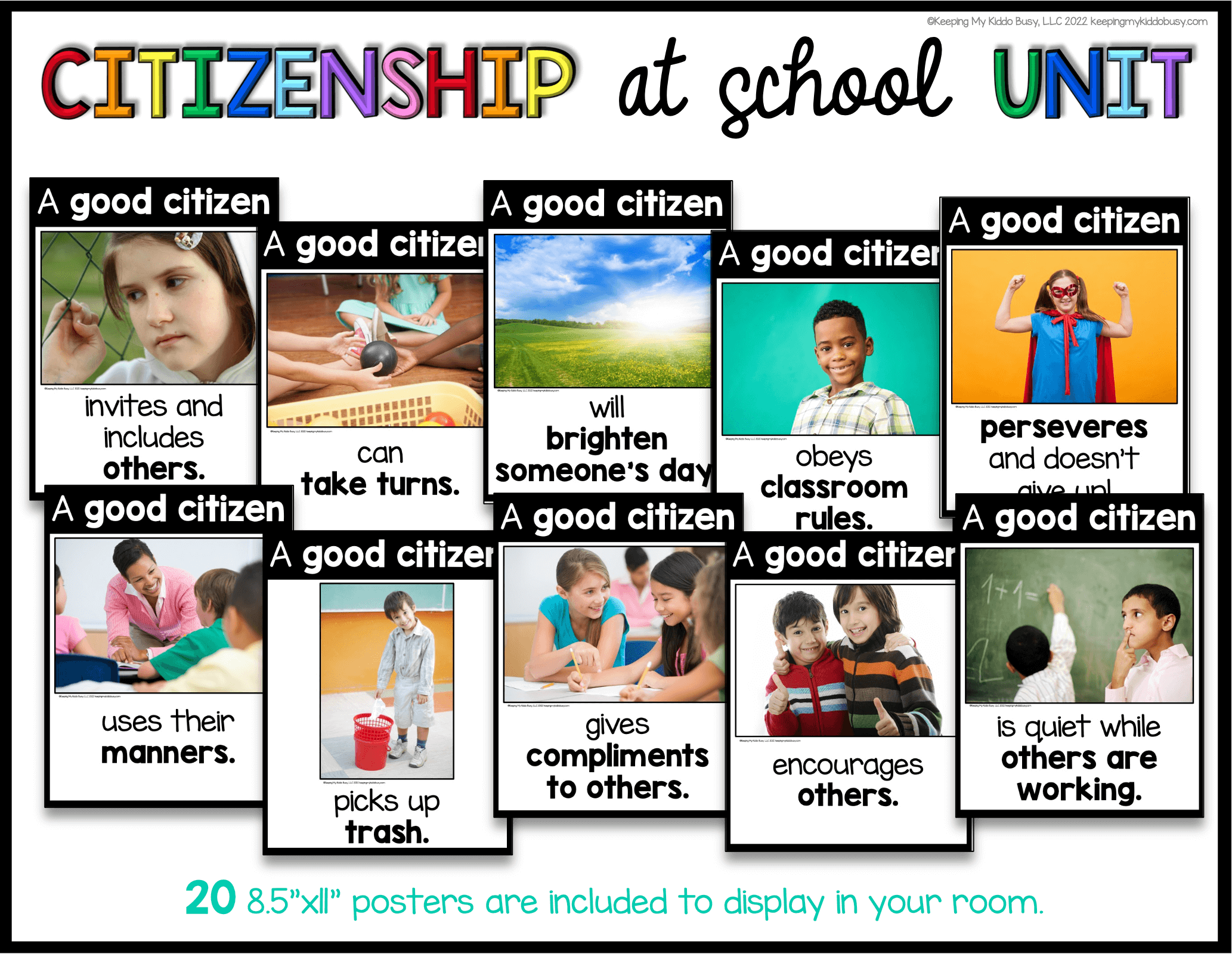
Contributing to a Branded Future
Ultimately, teaching “what citizenship means in school” is about shaping individuals who understand their power to contribute positively to any group or organization they join. It’s about instilling the awareness that their actions, their integrity, and their engagement are not isolated incidents but integral components of a collective identity – a brand. From local communities to global enterprises, every entity functions better and thrives when its members embrace their roles as brand citizens, consciously working to uphold values, foster reputation, and contribute to shared success.
In conclusion, citizenship in school is far more than a set of rules; it is a dynamic process of brand development. It’s about schools consciously crafting their identity through the values they instill, and students actively embodying these values to become effective brand ambassadors. By understanding this profound connection, educational institutions can empower students not just to be good citizens, but to be responsible, impactful brand stewards, ready to shape their own identities and contribute positively to the brands and communities of tomorrow.
aViewFromTheCave is a participant in the Amazon Services LLC Associates Program, an affiliate advertising program designed to provide a means for sites to earn advertising fees by advertising and linking to Amazon.com. Amazon, the Amazon logo, AmazonSupply, and the AmazonSupply logo are trademarks of Amazon.com, Inc. or its affiliates. As an Amazon Associate we earn affiliate commissions from qualifying purchases.