
The seemingly innocuous wear on a car’s tires often goes unnoticed until a critical moment, yet the condition of these four crucial contact points with the road holds significant financial implications. Beyond the obvious safety hazards, bald tires are a silent yet relentless drain on personal and business finances, leading to a cascade of expenses that far outweigh the cost of proactive maintenance. In the realm of personal finance and prudent business management, understanding what bald tires look like is not just about vehicle safety; it’s about recognizing a critical indicator of impending financial strain and making informed decisions to protect your assets and liquidity. This article delves into the visual cues of tire wear and meticulously unpacks the financial repercussions of neglecting this essential aspect of vehicle upkeep, framing tire maintenance as a core component of sound financial strategy.
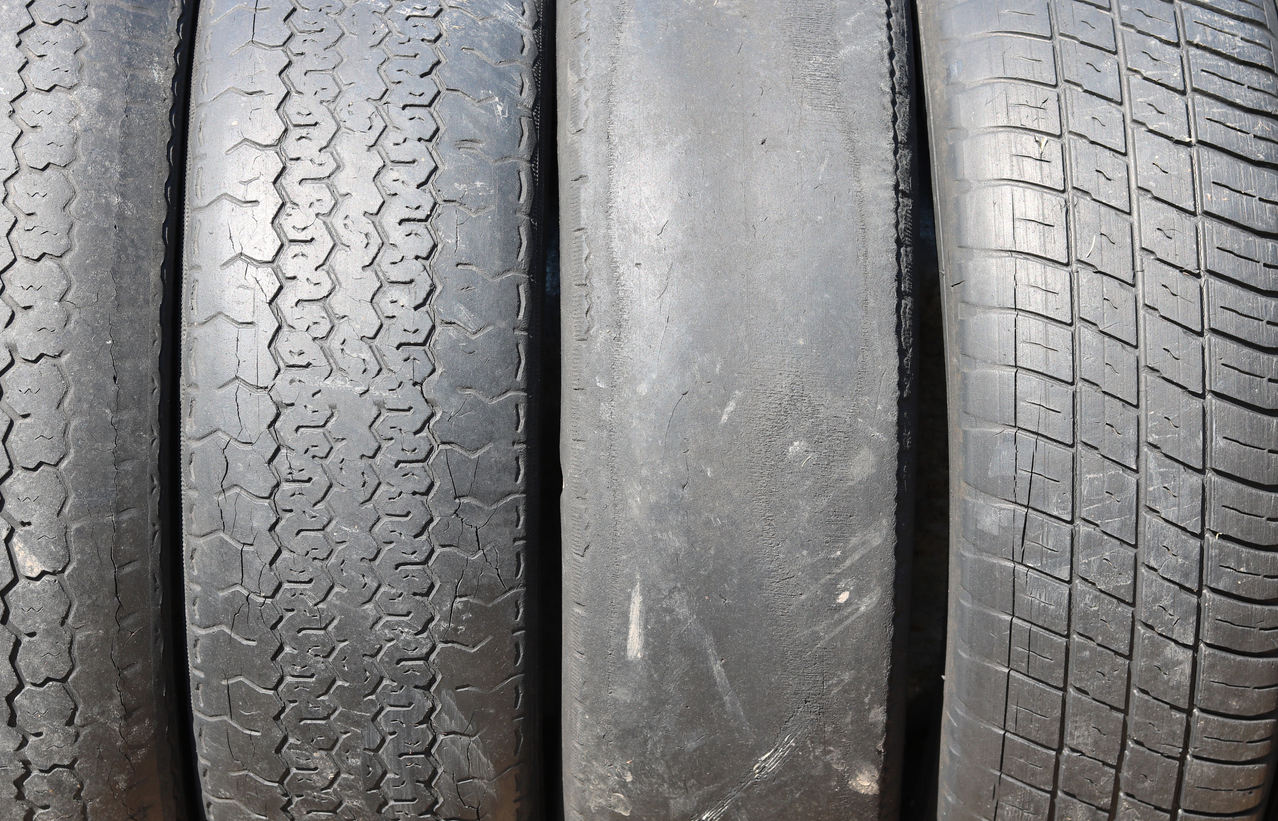
The Visual Cues of a Bald Tire: Beyond the Surface Level
Identifying a bald tire is the first step in mitigating its financial risks. While the term “bald” evokes an image of a completely smooth surface, tire degradation occurs in stages, each presenting distinct visual warnings that, when ignored, escalate the potential for costly financial setbacks. Recognizing these signs allows for timely intervention, transforming a potential crisis into a manageable maintenance expense.
The Tread Depth Indicator Bar: A Critical Warning Sign
Modern tires are ingeniously designed with built-in safety features, none more crucial than the tread depth indicator bars, often referred to as wear bars. These small, raised rubber bars are molded into the grooves of the tire tread at regular intervals. When your tire tread wears down to the same level as these bars, it signifies that the tire has reached its minimum legal and safe tread depth, typically 2/32 of an inch (1.6 mm). Visually, if the top of the wear bar is flush with the surrounding tread, your tires are bald and legally require replacement. Financially, continuing to drive on tires at this stage directly exposes you to increased risk of hydroplaning, extended braking distances, and potential fines for unsafe vehicle operation, all of which carry significant monetary consequences. This is not merely a suggestion for replacement; it’s a critical safety and financial imperative.
Exposed Cords and Belts: Immediate Danger and Costly Repair
When a tire progresses beyond the wear bar stage, the situation becomes acutely dangerous and financially perilous. Exposed cords and steel belts manifest as visible threads or metal wires protruding through the rubber. This is an undeniable sign of extreme wear, indicating the tire’s structural integrity has been severely compromised. At this point, the tire is a ticking time bomb, highly susceptible to blowouts, punctures, and complete failure, even at low speeds. The financial ramifications are immediate and severe: an unexpected tire blowout can lead to loss of control, an accident, and potentially extensive damage not only to the tire itself but also to the rim, suspension components, and even the vehicle’s bodywork. These repairs easily escalate into thousands of dollars, far exceeding the cost of new tires. Furthermore, a blowout on a highway could result in a catastrophic accident, leading to personal injury, medical bills, legal fees, and an astronomical increase in insurance premiums, transforming a minor oversight into a life-altering financial burden.
Uneven Wear Patterns: Diagnosing Underlying Issues
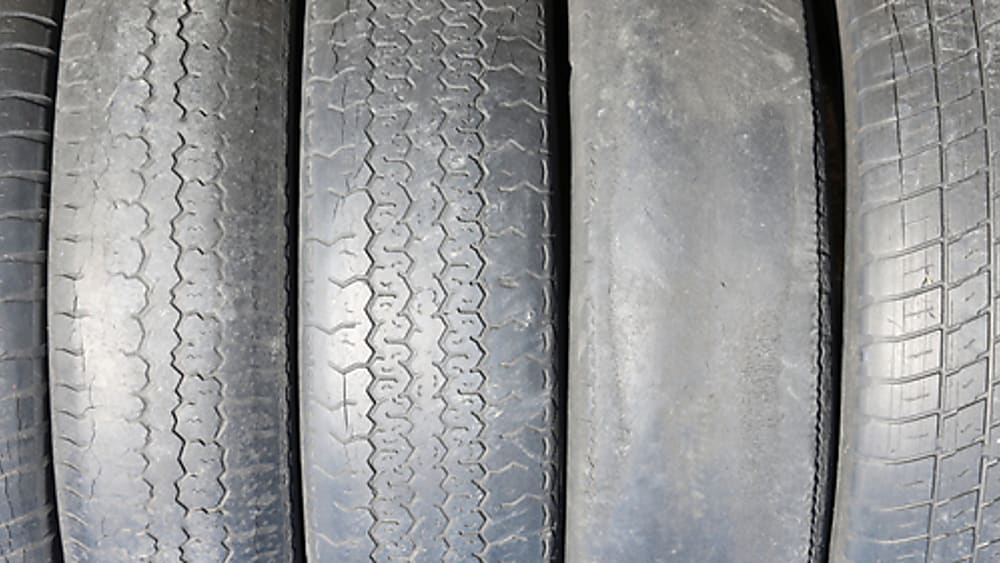
Baldness isn’t always uniform across the tire’s surface. Uneven wear patterns—such as excessive wear on one side (inner or outer edge), wear in the center, or patchy, scalloped wear—are also indicators of baldness in specific areas. These patterns not only compromise safety but also point to underlying mechanical issues that, if left unaddressed, will lead to accelerated tire wear and more expensive repairs down the line. For example, excessive wear on the inner or outer edge often indicates an alignment problem, while wear in the center can suggest overinflation, and wear on both edges points to underinflation. Scalloped or cupped wear might signal worn shock absorbers or imbalanced tires. Financially, failing to diagnose and rectify these underlying issues means you’ll be replacing tires far more frequently than necessary, effectively throwing money away. Moreover, deferred maintenance on components like alignment, suspension, or balancing will compound over time, leading to premature failure of these parts, resulting in significantly higher repair costs than if they were addressed promptly alongside tire replacement.
Cracks and Bulges: Other Deterioration Signals
While not directly related to tread depth, cracks in the sidewall (dry rot) and bulges or bubbles on the tire’s surface are equally critical signs of tire failure that contribute to a “bald” condition in terms of structural integrity and safety. Dry rot, caused by exposure to sun and harsh weather, indicates the rubber is losing its elasticity and strength, making it prone to sudden failure. Bulges or bubbles, on the other hand, signify internal damage where the tire’s internal structure has been compromised, allowing air pressure to push out the rubber. Both conditions are immediate threats that demand tire replacement. Financially, driving on tires with these defects carries the same severe risks as extremely worn treads: blowouts, accidents, and the resulting cascade of repair bills, medical expenses, and legal liabilities. Ignoring these visual cues is not just negligent; it’s a direct financial gamble with potentially devastating odds.
The Immediate Financial Drain of Neglecting Tire Health
Beyond the catastrophic potential of accidents, bald tires impose a continuous, insidious drain on your finances through various everyday operational inefficiencies and penalties. These subtle financial leakages, often overlooked, collectively amount to significant sums over time, underscoring the importance of proactive tire management as a financial imperative.
Reduced Fuel Efficiency: A Constant Siphon on Your Wallet
Tires with insufficient tread depth have a greater contact patch with the road, leading to increased rolling resistance. This means your engine has to work harder to propel the vehicle forward, consuming more fuel in the process. While the difference might seem marginal on a single trip, over weeks, months, and years, the cumulative effect on your fuel budget is substantial. For businesses operating fleets, even a slight decrease in fuel efficiency across multiple vehicles can translate into thousands or even tens of thousands of dollars in additional fuel costs annually. From a personal finance perspective, this extra spending on fuel is disposable income that could otherwise be saved, invested, or used for other essential expenditures. Neglecting tire health is, in essence, consenting to a higher ongoing operational cost for your vehicle, directly impacting your monthly budget.
Premature Wear on Vehicle Components: Cascading Repair Costs
Bald or unevenly worn tires can create an imbalance in the vehicle’s dynamics, leading to premature wear and tear on other critical components. Poor tire health directly affects the alignment, suspension system, wheel bearings, and even braking components. For instance, an unaddressed alignment issue indicated by uneven tire wear will not only accelerate tire degradation but also place undue stress on tie rods, ball joints, and shocks. The vibrations from unbalanced or badly worn tires can damage wheel bearings and steering components over time. These parts are often far more expensive to repair or replace than a set of new tires. What begins as a relatively inexpensive tire replacement can quickly snowball into a multi-thousand-dollar repair bill encompassing suspension overhauls, steering rack replacements, and brake system repairs. Financially, this represents a classic example of “penny wise, pound foolish,” where deferring a smaller, predictable maintenance expense leads to significantly larger, unexpected, and often complex repair costs.
Fines and Legal Penalties: The Cost of Non-Compliance
Driving with bald tires is not only dangerous but also illegal in many jurisdictions. Law enforcement agencies can issue significant fines for operating a vehicle with tires that do not meet minimum tread depth requirements. In some cases, authorities may even deem the vehicle unroadworthy, leading to it being towed and impounded, incurring additional towing and storage fees. Beyond direct fines, driving with unsafe tires could be considered negligence, which has severe legal implications in the event of an accident. If an accident occurs and your bald tires are deemed a contributing factor, you could face steeper penalties, increased liability, and potentially even criminal charges in severe cases. These legal costs—fines, towing, impoundment, legal defense fees, and increased insurance premiums—can quickly accumulate, representing a substantial, avoidable financial hit stemming directly from neglecting tire maintenance.
The Catastrophic Financial Aftermath of Tire-Related Accidents
While the daily financial drain of bald tires is considerable, the truly devastating financial impact materializes in the event of an accident. A tire-related incident, often preventable through proper maintenance, can unravel years of financial planning and plunge individuals and businesses into severe economic hardship.
Skyrocketing Insurance Premiums and Deductibles
An accident, especially one where bald tires are implicated, will almost certainly lead to a sharp increase in your vehicle insurance premiums. Insurers view drivers involved in accidents, particularly those caused by preventable mechanical failures, as higher risk. This premium hike can last for several years, effectively adding hundreds or even thousands of dollars to your annual expenses. Furthermore, you will be responsible for your deductible, which can range from a few hundred to over a thousand dollars, before your insurance coverage even begins. For a business, multiple accidents could lead to significant premium increases across its entire fleet, severely impacting operational budgets and profitability. The cumulative cost of increased premiums over time can far exceed the price of new tires, turning a preventive measure into an expensive lesson.
Medical Expenses and Lost Income: A Personal and Professional Toll
The most tragic and financially debilitating consequence of a tire-related accident is often personal injury. Even minor injuries can result in emergency room visits, specialist consultations, physical therapy, prescription medications, and potentially long-term care. These medical expenses can quickly escalate into astronomical sums, even with health insurance, as deductibles, co-pays, and uncovered services add up. Beyond medical bills, injuries can lead to lost income due to inability to work, either temporarily or permanently. For self-employed individuals or small business owners, this loss of productivity can cripple their operations and severely impact their livelihood. The financial toll on families can be immense, potentially draining savings, retirement funds, and necessitating loans, all because of an accident that might have been avoided by ensuring tire integrity.
Vehicle Depreciation and Replacement Costs: A Major Asset Loss
An accident, regardless of severity, almost invariably leads to significant vehicle damage. Even if the vehicle is repairable, its market value will almost certainly decrease due to its accident history, a phenomenon known as “diminished value.” If the vehicle is totaled, you face the immediate financial burden of replacing it. Depending on your insurance coverage and the vehicle’s age, the payout might not be sufficient to purchase a comparable replacement, leaving a significant financial gap. For businesses, the loss of a vehicle means not only the cost of replacement but also potential disruption to operations, loss of revenue, and the logistical challenge of finding a substitute. The sudden need for a substantial capital outlay for vehicle replacement can severely strain personal budgets or business cash flow, highlighting the immense financial risk associated with neglecting fundamental vehicle maintenance.
Legal Liabilities and Settlements: Unforeseen Financial Burdens
In the event of an accident involving bald tires, the driver or vehicle owner could face substantial legal liabilities, especially if other parties are injured or their property is damaged. Lawsuits for personal injury, property damage, and even wrongful death can lead to costly legal defense fees, court judgments, and settlements that far exceed standard insurance coverage limits. Even if your insurance covers a portion, out-of-pocket expenses can be crippling. For businesses, the legal repercussions can be even more severe, including corporate liability, reputational damage, and increased operational costs due to litigation. The prospect of such legal battles, with their inherent uncertainties and immense financial implications, underscores that bald tires are not just a mechanical issue but a profound financial and legal risk that demands proactive mitigation.
Strategic Financial Planning for Tire Maintenance and Replacement
Given the significant financial implications of bald tires, integrating tire maintenance into a comprehensive financial plan is not merely advisable but essential. Proactive budgeting and strategic decision-making around tire care can transform a potential liability into a manageable, predictable expense, safeguarding both your safety and your financial well-being.
Budgeting for Regular Tire Inspections and Rotations
A critical component of smart financial planning for vehicle owners is allocating funds for routine tire maintenance. This includes regular inspections for tread depth, pressure, and general condition, as well as tire rotations every 5,000 to 8,000 miles. These services are typically affordable, ranging from $20 to $60 per visit, and pay dividends by extending tire life, promoting even wear, and identifying potential issues before they become expensive problems. Incorporating this modest, predictable expense into your monthly or quarterly budget avoids unexpected, larger outlays. For businesses, scheduled fleet maintenance, including tire services, is a non-negotiable line item that prevents operational disruptions and significantly reduces long-term maintenance costs across the entire fleet. This small, consistent investment safeguards your larger financial assets.
Investing in Quality Tires: A Long-Term Financial Play
While budget tires may seem like an immediate cost-saving measure, investing in quality tires from reputable brands is often a superior long-term financial strategy. Higher-quality tires typically offer better durability, longer tread life, improved fuel efficiency, superior handling, and enhanced safety features. While their upfront cost is higher, their extended lifespan means fewer replacements over the vehicle’s ownership period, ultimately reducing the per-mile cost of ownership. Moreover, their superior fuel efficiency can lead to significant savings at the pump, gradually offsetting the initial premium. When evaluating tire purchases, consider the total cost of ownership rather than just the sticker price. This foresight transforms tire buying from a reactive necessity into a strategic financial investment that yields returns in safety, performance, and reduced long-term expenses.
Utilizing Financial Tools for Vehicle Maintenance Funds
To ensure funds are always available for tire replacement and other essential vehicle maintenance, consider leveraging specific financial tools. Setting up a dedicated savings account or an emergency fund specifically for vehicle upkeep can provide a buffer against unexpected expenses. Automated transfers of a small amount each payday into this fund can build a substantial reserve over time, making tire purchases or major repairs a minor budgetary event rather than a financial crisis. For businesses, a robust capital expenditure plan that includes provisions for fleet maintenance and vehicle depreciation, alongside a readily accessible operating fund, is crucial. Integrating digital budgeting apps or financial software to track vehicle-related expenses and savings can provide clear oversight and reinforce disciplined saving habits, ensuring financial readiness for when new tires are inevitably needed.
Understanding Tire Warranties and Insurance Policies
Before purchasing tires, thoroughly understand the manufacturer’s warranty. Many quality tires come with mileage warranties, protecting against premature wear and offering prorated credit towards a new set if they don’t last as long as promised. Additionally, some retailers offer road hazard warranties that cover damage from punctures, cuts, or impacts, which can be invaluable in saving money on unexpected tire replacements. Review your auto insurance policy to understand the coverage for tire-related damage, especially in the event of an accident or unforeseen road hazards. While standard collision coverage typically covers tire damage that occurs during an accident, specific endorsements might be needed for other scenarios. Being fully aware of these protections can significantly reduce out-of-pocket expenses and provide an extra layer of financial security against the unpredictable costs associated with tire failures.
Maximizing Your Investment: Proactive Tire Management as a Financial Strategy
Treating tires as a critical financial asset rather than just a consumable vehicle part fundamentally shifts how they are managed. Proactive tire management isn’t just about safety; it’s a shrewd financial strategy that directly impacts a vehicle’s operational costs, longevity, and resale value, providing tangible returns on careful investment.
Extending Tire Lifespan through Proper Care
The simplest and most cost-effective way to maximize your tire investment is through diligent and consistent care. Maintaining proper tire pressure, as recommended by the manufacturer, is paramount. Incorrect pressure—whether under or over-inflated—accelerates wear, compromises handling, and reduces fuel efficiency. Regular rotations ensure even wear across all four tires, prolonging their collective lifespan. Prompt alignment checks after hitting a significant pothole or if uneven wear is observed prevent further deterioration. Furthermore, conscientious driving habits—avoiding aggressive braking, rapid acceleration, and sharp turns—reduce stress on the tires, helping them last longer. Each of these practices, individually minor, collectively contributes to significantly extending the life of your tires, pushing back the costly necessity of replacement and ensuring you extract maximum value from your initial investment.
The Return on Investment of Timely Replacement
While replacing tires can feel like a significant expenditure, viewing it as a strategic investment with a clear return can change perspective. The “return” comes in multiple forms: enhanced safety, reduced fuel consumption, preserved vehicle components, and avoidance of costly fines or legal entanglements. The marginal cost of new tires is almost always significantly less than the potential costs of an accident, major vehicle repairs, or sustained poor fuel economy. By replacing tires before they become bald, you proactively prevent a cascade of more expensive issues. This timely intervention protects your larger financial assets (your vehicle and your savings) from more severe damage and ensures consistent operational efficiency, embodying the principle that a small, planned expense today can avert a much larger, unpredictable expense tomorrow.

Impact on Vehicle Resale Value
The condition of a vehicle’s tires is a surprisingly influential factor in its resale value. Potential buyers or trade-in appraisers will immediately notice bald or worn tires, which signals neglect and often suggests broader maintenance issues with the vehicle. Buyers are hesitant to purchase a vehicle that immediately requires a significant investment in new tires, and this concern translates directly into a lower offer price. Conversely, a vehicle presented with good quality tires, exhibiting even wear and adequate tread depth, projects an image of meticulous care and maintenance, which can command a higher resale value. Therefore, maintaining good tire health throughout your ownership period, and ensuring tires are in respectable condition at the point of sale, is a strategic move that protects your vehicle’s asset value and maximizes your financial return upon its eventual sale or trade-in.
In conclusion, understanding what bald tires look like is far more than a basic safety lesson; it is a fundamental aspect of savvy financial management. From the immediate monetary drain of reduced fuel efficiency and accelerated wear on other vehicle parts to the potentially catastrophic financial fallout of accidents, neglected tires are a consistent financial liability. By recognizing the visual cues of tire degradation and adopting a proactive approach to tire maintenance, individuals and businesses can safeguard their financial resources, avoid unnecessary expenditures, and ensure the long-term integrity of their vehicle investments. In the world of money, prevention is always cheaper than cure, and nowhere is this axiom more evident than in the seemingly simple act of keeping your tires in optimal condition.
aViewFromTheCave is a participant in the Amazon Services LLC Associates Program, an affiliate advertising program designed to provide a means for sites to earn advertising fees by advertising and linking to Amazon.com. Amazon, the Amazon logo, AmazonSupply, and the AmazonSupply logo are trademarks of Amazon.com, Inc. or its affiliates. As an Amazon Associate we earn affiliate commissions from qualifying purchases.