
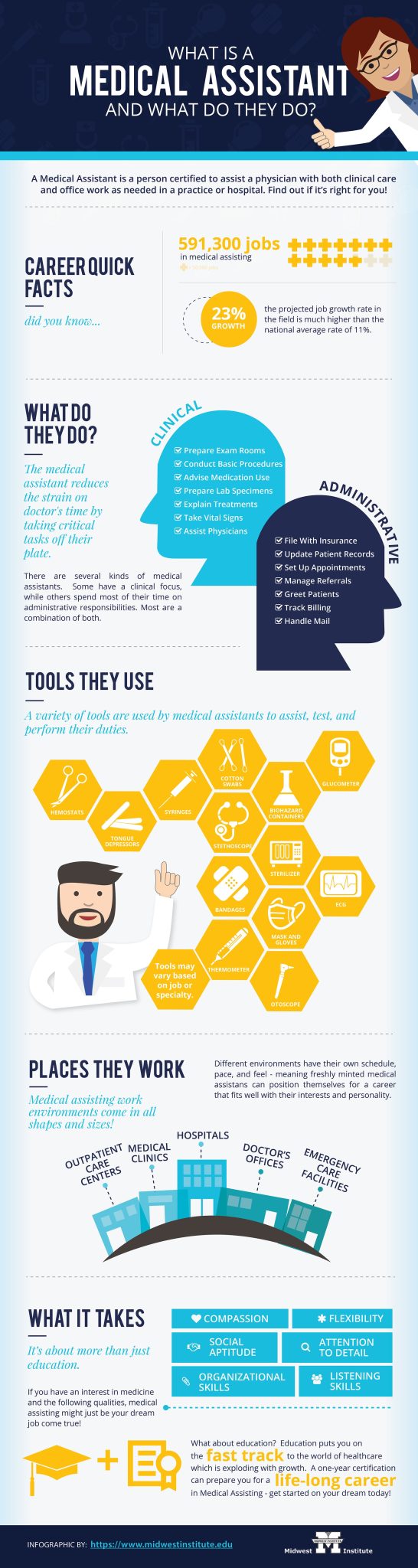
The landscape of modern healthcare is rapidly evolving, driven significantly by advancements in technology. In this dynamic environment, the role of a medical assistant (MA) at a hospital has transcended traditional administrative and clinical duties to become deeply intertwined with a myriad of technological tools and systems. Far from being merely support staff, today’s medical assistants are critical navigators of digital health ecosystems, leveraging technology to streamline operations, enhance patient care, and ensure the efficient functioning of complex hospital environments. This article delves into the multifaceted responsibilities of a medical assistant, viewed exclusively through the lens of the technology they employ and manage daily.
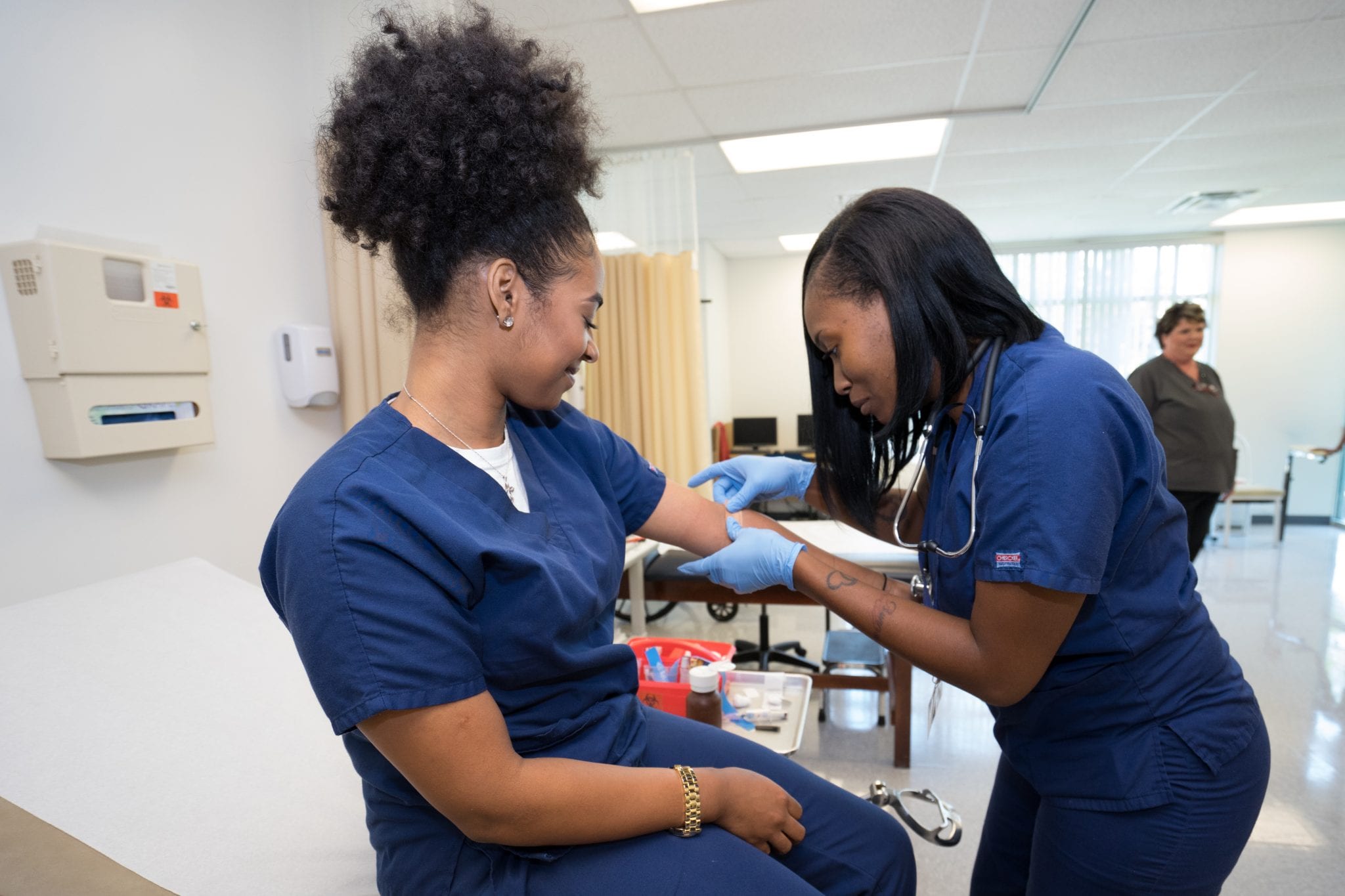
Navigating Digital Health Records and Information Systems
Perhaps the most fundamental technological aspect of a medical assistant’s role in a hospital involves their extensive interaction with digital health records and various information management systems. The days of paper charts are largely behind us, replaced by sophisticated software that requires skilled operators.
Electronic Health Records (EHR) Management
Medical assistants are often the frontline users of Electronic Health Records (EHR) systems, which serve as the central repository for all patient information. Their duties include accurately entering patient demographics, updating medical histories, documenting vital signs, and transcribing physician orders. This requires not just data entry proficiency but also a keen understanding of medical terminology, data accuracy protocols, and the structured nature of EHR systems. They navigate complex interfaces, ensuring that every piece of patient data—from lab results to medication lists—is correctly filed, easily retrievable, and securely maintained. This critical function underpins patient safety and continuity of care, as accurate EHRs prevent errors and facilitate informed decision-making by the entire care team. The MA’s ability to efficiently manage EHRs directly impacts the speed and quality of patient care, reducing administrative burdens on physicians and nurses.
Practice Management Software (PMS) and Workflow Automation
Beyond clinical data, medical assistants often manage aspects related to the hospital’s operational efficiency through Practice Management Software (PMS). This software suite handles a range of administrative tasks including appointment scheduling, patient registration, insurance verification, and billing support. MAs utilize PMS to optimize clinic flow, reducing patient wait times and maximizing resource allocation. They might generate daily patient lists, manage referral requests digitally, or even assist with inventory tracking for medical supplies using integrated systems. The technological proficiency here extends to understanding database management principles, generating reports, and sometimes even basic troubleshooting of software glitches to maintain workflow continuity. Their role in using these systems effectively contributes directly to the hospital’s financial health and operational smoothness.
Interoperability and Data Exchange
In a hospital setting, patients often interact with multiple departments and specialists. Medical assistants play a role in facilitating the secure exchange of information between these various entities. They might use secure messaging platforms to communicate patient details to other departments, upload external medical records into the hospital’s system, or help patients access their information through secure patient portals. Understanding the principles of interoperability—how different health information systems communicate with each other—and adhering to strict data exchange protocols are crucial. This involves utilizing secure email clients, specialized communication software, and adhering to compliance standards that govern health information exchange, ensuring patient privacy while enabling comprehensive care coordination.
Leveraging Medical Devices and Diagnostic Technology
The modern medical assistant’s scope also extends to directly interacting with and utilizing a variety of medical devices and diagnostic technologies, bridging the gap between patient care and technical operation.
Clinical Support with Diagnostic Tools
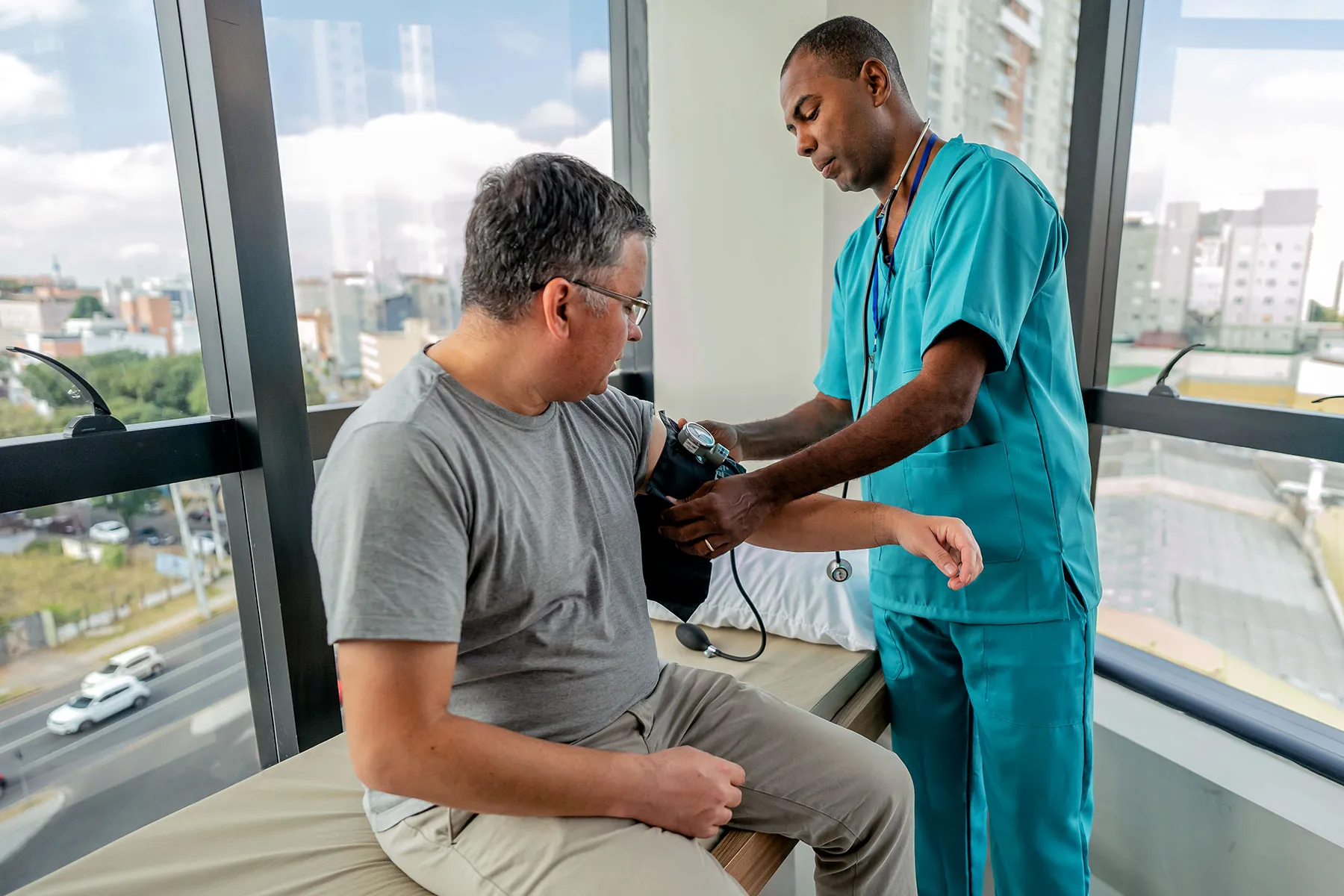
Medical assistants are frequently responsible for operating and maintaining common diagnostic equipment. This includes automated vital signs monitors, electrocardiogram (EKG) machines, spirometers, and point-of-care testing devices for glucose, hemoglobin, or strep throat. Operating these devices requires not only technical skill in handling the equipment but also an understanding of their calibration, potential error messages, and basic troubleshooting. They must ensure the equipment is functioning correctly, prepare patients for tests, accurately collect data, and often input results directly into the EHR system. Their ability to reliably operate these devices directly supports timely diagnosis and treatment, providing critical data points for physicians.
Telehealth and Remote Monitoring Technologies
The rise of telehealth has significantly expanded the technological purview of medical assistants. They are increasingly involved in setting up virtual appointments, ensuring patients have the necessary technical support to connect with providers via video conferencing platforms. This might involve guiding elderly patients through app downloads, troubleshooting audio/video issues, or ensuring a stable internet connection for the virtual visit. Furthermore, MAs might assist with the deployment and data collection from remote patient monitoring (RPM) devices, such as wearable sensors for blood pressure or continuous glucose monitors. They help patients understand how to use these devices, monitor data streams, and alert providers to concerning readings, making them crucial facilitators of remote care.
Equipment Calibration and Maintenance
While not typically involved in complex repairs, medical assistants are often responsible for the routine care, cleaning, and basic calibration of clinical equipment. This includes ensuring that vital signs monitors are accurate, that sterilizers are functioning correctly, and that all equipment is regularly inspected for safety and operational readiness. They follow manufacturer guidelines for cleaning and minor maintenance, report equipment malfunctions to appropriate biomedical engineering staff, and manage supply inventories for consumables related to these devices. This proactive approach to equipment management prevents downtime, ensures patient safety, and extends the lifespan of expensive hospital assets.
Enhancing Patient Engagement Through Digital Communication
A significant part of a medical assistant’s technological responsibilities revolves around facilitating and improving patient engagement through digital communication channels, ensuring patients are well-informed and connected to their care team.
Patient Portals and Secure Messaging
Medical assistants are often the first point of contact for patients navigating digital health platforms. They educate patients on how to use patient portals for scheduling appointments, requesting prescription refills, viewing lab results, and communicating securely with their care team. MAs manage incoming messages through these portals, triage patient inquiries, and provide information or route complex questions to the appropriate clinical staff. Their proficiency in using these secure messaging systems is vital for maintaining timely and confidential patient communication, reducing phone call volumes, and empowering patients with greater control over their health information.
Digital Patient Education Resources
To empower patients with knowledge about their conditions, treatments, and preventive care, medical assistants frequently utilize digital patient education resources. This could involve directing patients to reputable health websites, providing access to interactive educational apps on tablets within the clinic, or sending out personalized digital brochures via the patient portal. They might explain complex medical concepts using visual aids available on digital platforms, ensuring that patients grasp crucial health information. This use of technology transforms passive information delivery into an engaging and accessible learning experience, fostering better health literacy and adherence to treatment plans.
Communication Platforms for Care Coordination
Within the hospital, medical assistants employ various secure digital communication platforms to coordinate care effectively with nurses, physicians, specialists, and other administrative staff. This might involve instant messaging systems integrated with the EHR, secure email clients for inter-departmental communication, or specialized task management software. Their ability to quickly and accurately relay information—such as changes in patient status, urgent requests, or scheduling conflicts—is crucial for seamless care transitions and rapid response to patient needs. This technological fluency ensures that all members of the care team are operating with the most up-to-date information.
Ensuring Digital Security and Compliance
Given their access to sensitive patient data and reliance on digital systems, medical assistants play a pivotal role in upholding digital security and ensuring compliance with stringent healthcare regulations.
HIPAA and Data Privacy Adherence
A core aspect of the medical assistant’s technological responsibility is strict adherence to the Health Insurance Portability and Accountability Act (HIPAA) and other data privacy regulations. This involves understanding and applying protocols for securing Protected Health Information (PHI) across all digital platforms. They ensure screens are locked, patient data is only accessed on secure networks, and only authorized individuals receive information. Training in HIPAA compliance is ongoing, and MAs are often the first line of defense against inadvertent data breaches, understanding the severe implications of non-compliance. Their vigilance ensures trust and legal adherence in handling sensitive digital information.
Cybersecurity Best Practices
Beyond HIPAA, medical assistants must employ general cybersecurity best practices in their daily work. This includes creating strong, unique passwords, recognizing phishing attempts in emails, understanding the risks associated with public Wi-Fi (though unlikely in a hospital setting, relevant for mobile work), and promptly reporting any suspicious activity or potential security breaches. They are taught to exercise caution with external drives, ensure proper disposal of digital information, and maintain a high level of awareness regarding potential cyber threats that could compromise patient data or hospital systems.
Software Updates and System Integrity
While IT departments manage major system overhauls, medical assistants are often involved in the routine reporting of software issues and understanding the importance of system updates. They might be prompted to update certain applications, report bugs or system slowdowns, and follow protocols for downtime procedures if systems are temporarily unavailable. Their ability to articulate technical problems clearly to IT support is valuable, and their understanding that software updates often include critical security patches contributes to maintaining the overall integrity and security of the hospital’s digital infrastructure.
The Evolving Role: AI and Future Technologies
The trajectory of healthcare technology suggests an even greater integration of advanced tools, and medical assistants will continue to adapt, embracing innovations like artificial intelligence.
AI in Administrative Tasks
The future may see medical assistants leveraging AI-powered tools to further automate administrative tasks. This could include AI systems for predictive scheduling based on patient no-show patterns, automated transcription services that reduce manual documentation, or intelligent chatbots that answer routine patient inquiries, freeing MAs for more complex patient interactions. Understanding how to interact with and oversee these AI tools will become a new skill set, ensuring accuracy and ethical deployment.
Predictive Analytics Support
While not directly performing complex data analysis, medical assistants might be trained to interpret basic outputs from predictive analytics tools. These tools could help identify patients at risk of no-shows, flag potential compliance issues, or highlight gaps in care based on aggregated patient data. MAs could then use these insights to proactively reach out to patients or adjust scheduling, thereby enhancing preventive care and operational efficiency.
Continuous Learning and Adaptation
The most crucial technological skill for a medical assistant in the coming years will be a commitment to continuous learning and adaptation. As new software, devices, and AI applications emerge, MAs will need to stay abreast of these changes, participate in ongoing training, and embrace new ways of working. Their role will not diminish but rather transform, requiring a blend of clinical knowledge, empathetic patient interaction, and sophisticated technological fluency.
Conclusion
The modern medical assistant at a hospital is undeniably a technology-centric professional. From the intricate management of Electronic Health Records and the precise operation of diagnostic equipment to the strategic use of digital communication tools and the vigilant safeguarding of patient data, technology permeates every facet of their role. They are not just users of technology but crucial enablers of efficient, safe, and high-quality patient care in a technologically advanced healthcare environment. As healthcare continues its rapid digital transformation, the medical assistant’s technological acumen will only grow in importance, solidifying their position as indispensable members of the hospital team. Their ability to seamlessly integrate human care with digital precision ensures the smooth operation of complex medical facilities, making them vital architects of the future of healthcare delivery.
aViewFromTheCave is a participant in the Amazon Services LLC Associates Program, an affiliate advertising program designed to provide a means for sites to earn advertising fees by advertising and linking to Amazon.com. Amazon, the Amazon logo, AmazonSupply, and the AmazonSupply logo are trademarks of Amazon.com, Inc. or its affiliates. As an Amazon Associate we earn affiliate commissions from qualifying purchases.