
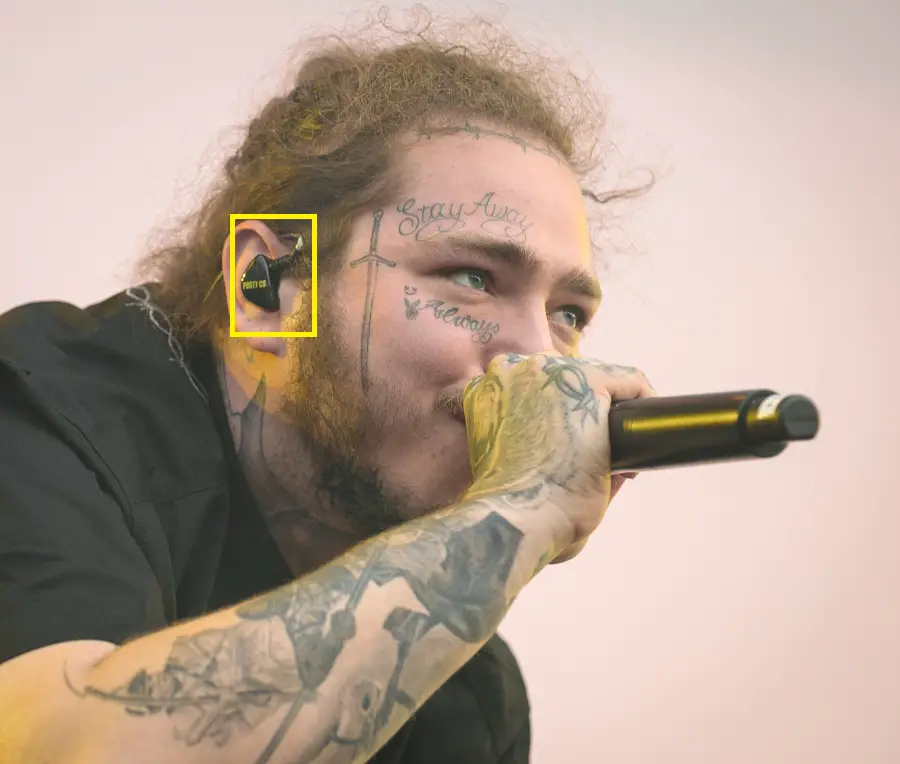
For anyone who has attended a live performance, from a stadium-filling rock concert to an intimate theatrical play, a common curiosity often arises: what are those tiny devices performers wear in their ears? Far from being mere fashion accessories, these seemingly inconspicuous gadgets represent a critical intersection of sophisticated technology and artistic expression. They are the silent, yet indispensable, architects of clear sound, precise timing, and performer well-being, transforming the auditory landscape of live performance. This deep dive will unravel the technological marvels nestled within performers’ ears, exploring their evolution, intricate design, diverse applications, and profound impact on the modern stage.
The Evolution of On-Stage Monitoring: From Wedges to IEMs
The journey to understanding what performers wear in their ears begins with a look at how performers have historically heard themselves and their bandmates on stage. For decades, the primary method was through “wedge monitors” – large, often unsightly speakers placed on the stage floor, angled up towards the performers. While groundbreaking for their time, these traditional systems presented a myriad of challenges that ultimately paved the way for more advanced, in-ear solutions.
The Limitations of Traditional Wedge Monitors
Wedge monitors provided a shared, external sound mix for performers. However, this communal approach came with significant drawbacks. One of the most persistent issues was acoustic feedback, the infamous screeching sound caused by microphones picking up their own amplified output from the monitor speakers, creating an uncontrollable loop. This not only disrupted performances but also demanded constant vigilance from sound engineers.
Furthermore, a stage cluttered with multiple wedge monitors vying for acoustic space led to a “muddy” and inconsistent sound environment. Each performer received a different mix, often competing with the direct sound from amplifiers, drums, and other instruments. This sonic cacophony made it difficult for musicians to hear themselves accurately, leading to louder stage volumes and, consequently, increased risk of hearing damage. The lack of a personalized, consistent sound across different venues meant performers had to constantly adjust to new sonic environments, impacting their concentration and performance quality.
The Paradigm Shift: Introducing In-Ear Monitors (IEMs)
The advent of In-Ear Monitors (IEMs) marked a revolutionary turning point in live sound. Instead of projecting sound outward, IEMs deliver a personalized audio mix directly into the performer’s ear canal. This contained delivery system immediately addressed the core problems of wedge monitors: feedback was virtually eliminated, stage volume could be drastically reduced, and each performer gained access to an isolated, crystal-clear mix tailored precisely to their needs.
Initially adopted by high-profile touring acts in the late 1980s and early 1990s, IEMs quickly became an industry standard. They offered unprecedented control over the monitor mix, allowing performers to hear exactly what they needed – be it their own vocals, a specific instrument, or a click track for tempo – with exceptional clarity and isolation from external stage noise. This immediate access to a consistent, high-fidelity sound environment revolutionized how performers interacted with their music and each other, paving the way for more nuanced and controlled performances.
Anatomy of an In-Ear Monitor: Technology in Miniature
Modern IEMs are marvels of miniaturized engineering, combining sophisticated audio drivers, custom-molded shells, and advanced wireless transmission technologies. Their design and functionality are meticulously crafted to meet the demanding requirements of live performance.
Custom vs. Universal Fit
One of the most significant distinctions in IEM technology lies in their fit: custom or universal. Universal-fit IEMs resemble high-end earbuds, designed to fit a wide range of ear canal shapes with various silicone or foam tips. They offer a good balance of performance and affordability, making them popular for emerging artists, rehearsals, or casual listening. However, their fit, while adaptable, is rarely perfect, leading to potential sound leakage, reduced noise isolation, and discomfort during long performances.
Custom-fit IEMs, on the other hand, are precisely molded to the unique contours of an individual’s ear canal and outer ear. The process involves an audiologist taking impressions of the performer’s ears, which are then used to create a perfectly ergonomic shell, often from acrylic or silicone. This bespoke fit provides unparalleled comfort, superior noise isolation (typically 25-30dB of attenuation), and optimal sound delivery. The snug seal ensures every nuance of the audio mix is heard, making custom IEMs the preferred choice for professional touring musicians, sound engineers, and vocalists who demand the utmost clarity and protection.
Driver Technologies: Balanced Armature vs. Dynamic Drivers (and Hybrids)
Within these tiny shells lie the transducers, or “drivers,” responsible for converting electrical signals into sound waves. The two primary types are balanced armature and dynamic drivers, often combined in hybrid configurations.
-
Dynamic Drivers: Similar to miniature versions of traditional speaker cones, dynamic drivers use a diaphragm attached to a voice coil within a magnetic field. They are known for their ability to move a significant amount of air, producing powerful bass frequencies and a warm, natural sound. However, a single dynamic driver can struggle with accuracy and detail across the entire frequency spectrum.
-
Balanced Armature (BA) Drivers: These drivers are much smaller and more precise. They consist of a tiny armature balanced between two magnets, encased in a small housing. BA drivers excel at delivering intricate detail, superb clarity, and accurate reproduction of specific frequency ranges. Their compact size allows for multiple BA drivers to be housed within a single IEM, with each driver dedicated to a specific frequency band (e.g., bass, midrange, treble) via a passive crossover network. This multi-driver configuration significantly enhances fidelity and sonic separation.
-
Hybrid Configurations: Many high-end IEMs now employ hybrid designs, combining the strengths of both. For example, a single dynamic driver might handle the bass frequencies, providing powerful low-end punch, while multiple balanced armature drivers manage the mids and highs, ensuring clarity and detail. This approach aims to deliver a full-bodied, highly resolved sound across the entire frequency spectrum.
Wireless Transmission Systems: The Crucial Link
While the IEMs themselves handle sound reproduction, the signal from the mixing console must reach them wirelessly. This is achieved through sophisticated wireless in-ear monitoring (WIEM) systems. These systems consist of a transmitter connected to the console and a bodypack receiver worn by the performer.

Modern WIEM systems typically operate on UHF (Ultra High Frequency) or 2.4GHz bands. UHF systems, historically dominant, offer robust range and lower latency but require careful frequency coordination to avoid interference, especially in crowded RF environments. Digital 2.4GHz systems, while susceptible to Wi-Fi and Bluetooth interference, offer encrypted signals and easier setup in some scenarios. Key considerations for any wireless system include reliability, minimal latency (the delay between signal transmission and reception), and clarity. Advanced systems incorporate features like diversity reception (using multiple antennas to maintain signal integrity) and sophisticated compression/expansion algorithms to optimize signal quality while minimizing dropouts.
Beyond Monitoring: Other Ear-Worn Technologies for Performers
While IEMs are the most prominent ear-worn technology for musicians, performers across various disciplines utilize a range of other devices in their ears for different purposes, highlighting the versatility of in-ear tech.
Hearing Protection: High-Fidelity Earplugs
Not every performer needs an active monitor mix. For some, especially drummers, orchestral musicians, or audience members at loud events, the primary concern is hearing protection. High-fidelity earplugs are designed to attenuate sound evenly across the frequency spectrum, reducing overall volume without distorting the sound quality. Unlike generic foam earplugs that muffle sound, these specialized earplugs use acoustic filters to preserve the clarity and natural balance of music, allowing performers to hear their surroundings and their own instrument clearly, but at a safer, reduced volume. They are an essential tool for long-term hearing health and career longevity.
Communication Systems: For Actors, Presenters, and Production Teams
In the world of theatre, film, television, and corporate presentations, performers often wear tiny, discreet earpieces for communication rather than monitoring a musical mix. These are commonly referred to as “IFB” (Interruptible Foldback) systems or “invisible ear pieces.”
Actors on stage or screen might receive whispered lines, timing cues, or direction from a stage manager or director. Television presenters use them to hear producers’ instructions, breaking news updates, or questions from off-camera anchors. Even large-scale event production teams rely on these systems for seamless, real-time communication between stage managers, lighting designers, sound engineers, and camera operators, ensuring a synchronized and flawless show. These systems prioritize clarity and discretion, often using miniaturized receivers that are virtually invisible to the audience.
Biometric and Sensor Integration (Emerging Tech)
Looking to the future, ear-worn technology is poised to expand beyond audio delivery and communication. The ear is an excellent location for biometric sensors, offering stable data collection points close to major arteries and the brain. Emerging technologies envision IEMs and similar devices incorporating sensors for real-time monitoring of performers’ physiological states.
Imagine a singer whose heart rate, stress levels, or even hydration status could be monitored discreetly, providing valuable data to coaches or medical staff. This could help optimize performance, prevent burnout, or alert to potential health issues during demanding tours. While still largely in research and development, the integration of biometric sensors into ear-worn devices represents an exciting frontier, blending performance technology with personal health monitoring to create a truly intelligent stage experience.
The Impact on Performance and Performer Well-being
The adoption of advanced ear-worn technologies has had a transformative impact on both the artistic quality of live performances and the long-term well-being of performers. These devices are no longer just optional accessories but fundamental tools that empower artists to deliver their best.
Enhanced Control and Consistency
Perhaps the most significant impact of IEMs is the unparalleled control and consistency they offer. Performers receive an identical, pristine sound mix night after night, regardless of the venue’s acoustics, stage size, or monitor engineer. This consistency allows them to internalize their sound, build muscle memory, and focus entirely on their performance, rather than battling with an unpredictable sonic environment. Vocalists can fine-tune their pitch, drummers can lock into a precise click track, and instrumentalists can hear every nuance of their bandmates’ playing, leading to tighter, more cohesive, and ultimately more polished performances.
Protecting Hearing: A Long-Term Investment
Beyond performance enhancement, the protective aspect of ear-worn technology is invaluable. The extreme sound levels on stages with traditional wedge monitors posed a severe and cumulative risk of hearing damage – a career-ending threat for any musician. IEMs, particularly custom-fit models, offer significant passive noise attenuation, effectively lowering the overall sound pressure level reaching the performer’s eardrums. This reduction in exposure to high volumes, coupled with the ability to control the mix at a safer listening level, represents a critical investment in a performer’s long-term hearing health and career longevity.
The Psychological Aspect: Focus, Immersion, and Reduced Stage Anxiety
The psychological benefits of IEMs are often underestimated. By creating an isolated, controlled sonic environment, IEMs help performers achieve a deeper level of focus and immersion in their music. Distractions from stage noise or audience chatter are minimized, allowing for greater concentration and artistic flow. For many, the consistent and personalized sound also contributes to reduced stage anxiety. Knowing exactly what they will hear, without the variables and unpredictability of wedge monitors, instills confidence and allows performers to relax into their role, leading to more authentic and compelling presentations.

Conclusion
The small devices performers wear in their ears are far more than just technological novelties; they are indispensable tools that have reshaped the landscape of live performance. From the sophisticated multi-driver custom In-Ear Monitors that empower musicians with unparalleled sound clarity and protection, to the discreet communication earpieces essential for actors and production teams, these gadgets exemplify the seamless integration of cutting-edge technology into the arts. Their evolution from bulky stage monitors to miniature, personalized audio systems underscores a relentless pursuit of perfection in sound and performance. As technology continues to advance, incorporating features like biometric monitoring, these ear-worn innovations will undoubtedly continue to evolve, pushing the boundaries of what’s possible on stage and ensuring that performers can deliver their best, safely and consistently, for years to come.
aViewFromTheCave is a participant in the Amazon Services LLC Associates Program, an affiliate advertising program designed to provide a means for sites to earn advertising fees by advertising and linking to Amazon.com. Amazon, the Amazon logo, AmazonSupply, and the AmazonSupply logo are trademarks of Amazon.com, Inc. or its affiliates. As an Amazon Associate we earn affiliate commissions from qualifying purchases.