
The role of a case worker is profoundly impactful, serving as a crucial bridge between individuals and families facing complex challenges and the resources designed to help them thrive. From navigating social services and mental health support to addressing issues of poverty, abuse, and disability, case workers are frontline professionals dedicated to advocacy, support, and empowerment. While the core tenets of empathy, communication, and resourcefulness remain timeless, the execution of these duties in the 21st century has been fundamentally reshaped by technology. Far from being an ancillary tool, technology has become an indispensable backbone for modern casework, enabling greater efficiency, deeper insights, enhanced client engagement, and robust data security. This article delves into the multifaceted responsibilities of case workers, viewed through the lens of the technological advancements and considerations that define their contemporary practice.

The Evolving Role of Case Workers in a Digital Age
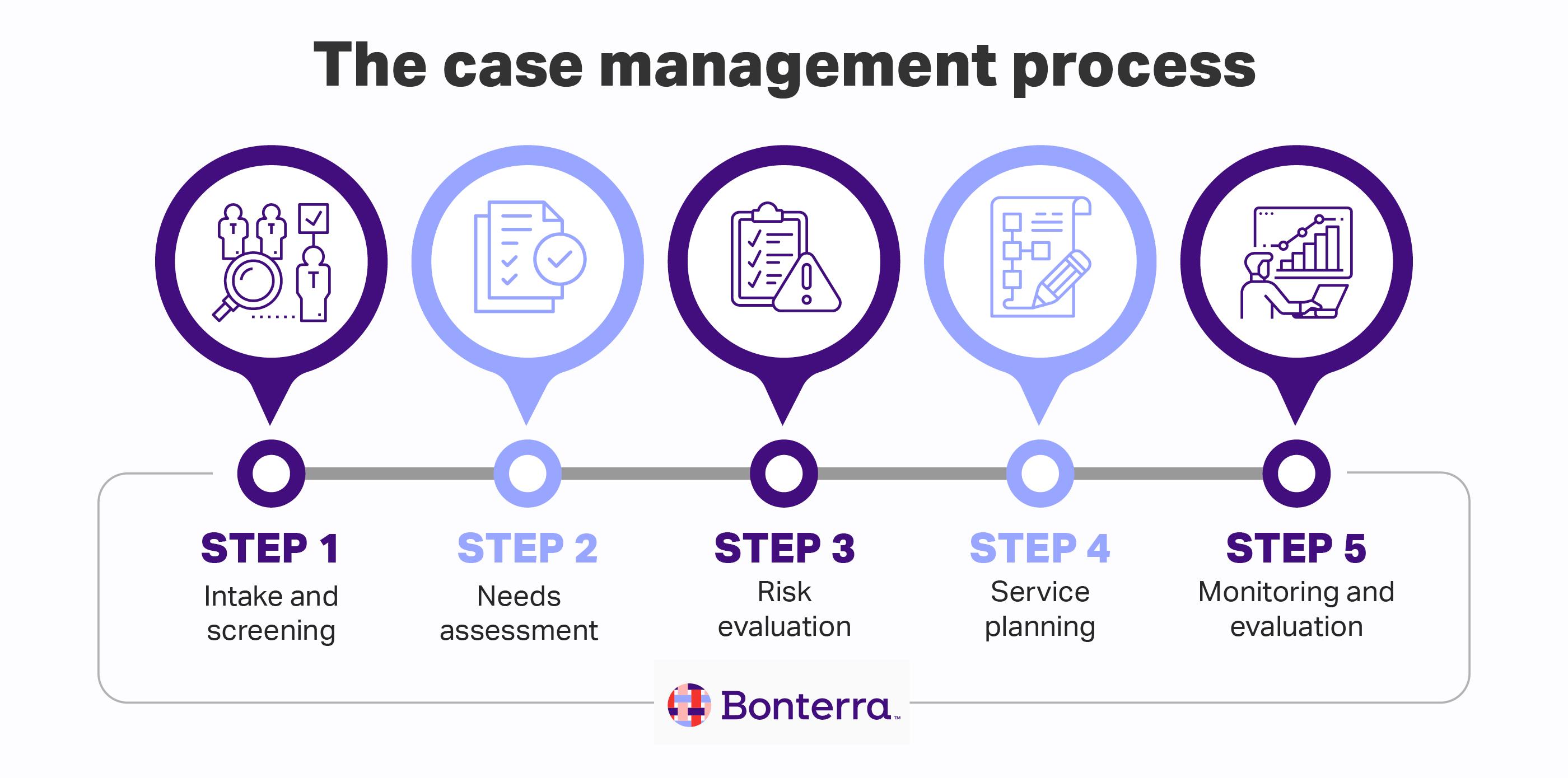
The definition of a case worker’s duties is broad, encompassing assessment, planning, implementation, coordination, monitoring, and evaluation of services. These professionals are often the first point of contact for individuals in crisis, requiring a blend of clinical skill, administrative acumen, and profound human compassion. In today’s interconnected world, their ability to perform these functions effectively increasingly relies on sophisticated digital tools and a keen understanding of technological trends.
Beyond Traditional Support: A Holistic Approach
At its heart, casework is about helping individuals and families achieve stability and self-sufficiency. This involves a holistic assessment of needs, which can span housing, employment, healthcare, mental health, education, legal aid, and financial support. A case worker’s typical day might involve interviewing clients, conducting home visits, liaising with various agencies, completing extensive paperwork, and developing individualized service plans. The complexity of these interactions, combined with the sheer volume of information that must be managed, historically presented significant logistical hurdles. However, digital solutions now streamline many of these processes, allowing case workers to dedicate more time and focus to direct client interaction and advocacy. Technology isn’t just a facilitator; it’s an enabler for more comprehensive and personalized support delivery.
Navigating Complexity with Digital Efficiency
Modern caseloads are often diverse and intricate, requiring case workers to manage multiple client situations simultaneously, each with unique requirements and timelines. The traditional paper-based systems once used for tracking progress, appointments, and resource allocation were prone to inefficiencies, data loss, and delays. The digital age has brought forth tools that dramatically enhance efficiency, allowing case workers to navigate complexity with greater ease. From centralized digital records to automated scheduling and secure communication channels, technology ensures that critical information is accessible, accurate, and actionable, thereby empowering case workers to make more informed decisions and provide more responsive care. This shift also extends to the ability to identify patterns across cases, anticipate needs, and proactively intervene, moving beyond reactive crisis management.
Essential Technology Tools for Modern Casework
The contemporary case worker’s toolkit is heavily populated with digital solutions designed to optimize every aspect of their role. These tools are not merely conveniences; they are fundamental to maintaining high standards of care, ensuring accountability, and maximizing impact.
Case Management Software (CMS): The Digital Backbone
At the core of modern casework technology is robust Case Management Software (CMS). These comprehensive platforms serve as the central repository for all client-related information, transforming how data is collected, stored, and retrieved. Key features typically include:
-
Client Profiles: Detailed demographic information, contact details, emergency contacts, and family history.
-
Progress Notes and Documentation: Secure, timestamped records of all interactions, assessments, service plans, and progress. This ensures continuity of care and provides essential documentation for legal and reporting purposes.
-
Scheduling and Reminders: Tools for managing appointments, follow-ups, and deadlines, reducing missed engagements.
-
Resource Databases: Integrated, searchable databases of community resources, support groups, and external service providers, allowing case workers to quickly connect clients with appropriate aid.
-
Reporting and Analytics: Generating reports on caseload metrics, client outcomes, service utilization, and compliance, which are vital for funding, program evaluation, and policy advocacy. The ability to visualize data trends helps agencies understand their impact and identify areas for improvement.
CMS platforms standardize data collection, reduce administrative burden, and provide a holistic view of each client’s journey, making them indispensable for efficient and effective casework.
Communication and Collaboration Platforms
Effective communication is paramount in casework, both internally among team members and externally with clients and partner agencies. Secure digital communication and collaboration tools have revolutionized this aspect.
-
Secure Messaging Systems: Platforms designed for confidential client communication, ensuring privacy and compliance with regulations like HIPAA. These can facilitate quick check-ins, appointment reminders, and sharing of non-sensitive information.
-
Video Conferencing and Telehealth: Particularly relevant in recent years, virtual meeting platforms allow case workers to conduct appointments remotely, expanding access to services for clients in rural areas, those with mobility issues, or during public health crises. Telehealth can also facilitate remote therapy sessions and group support meetings.
-
Inter-Agency Collaboration Tools: Secure shared portals or integrated communication systems enable seamless information exchange and coordinated care planning among multiple service providers (e.g., social services, mental health clinics, legal aid, educational institutions), ensuring a unified approach to client support.
These tools break down geographical barriers and foster more fluid, responsive communication networks, ultimately benefiting the client by ensuring a more integrated support system.
Mobile Applications for Field Work and Resource Access
Many case workers spend a significant portion of their time in the field, conducting home visits, attending court hearings, or meeting clients at various community locations. Mobile applications have become vital enablers for productivity and data accuracy on the go.
-
Mobile Data Entry: Apps linked to CMS allow case workers to update client records, submit progress notes, and document interactions directly from their smartphones or tablets, eliminating the need for manual transcription back at the office. This reduces errors and ensures real-time data integrity.
-
Geolocation Services and Navigation: Assisting with route planning for multiple visits and helping to locate community resources or client addresses efficiently.
-
Portable Resource Directories: Access to up-to-date lists of local shelters, food banks, medical clinics, and other vital services, often with contact information and eligibility criteria readily available offline.
-
Crisis Intervention Tools: Some apps offer immediate access to emergency protocols, crisis hotlines, or safety planning resources, empowering case workers to respond effectively in high-stress situations.
Mobile technology transforms the case worker’s presence in the field from a disconnected entity to a fully integrated and responsive professional, ensuring continuity of care regardless of location.
AI and Advanced Analytics: Shaping the Future of Casework
The emergence of Artificial Intelligence (AI) and advanced data analytics is poised to fundamentally transform casework, moving beyond mere efficiency gains to offer unprecedented insights and proactive intervention capabilities.
Predictive Analytics for Proactive Intervention
Leveraging historical data, AI-powered predictive analytics can identify patterns and risk factors that might indicate a client is likely to experience certain challenges, such as housing instability, relapse, or needing specific interventions.
-
Early Warning Systems: By analyzing demographics, past service utilization, and other relevant data points, AI models can flag individuals at high risk, allowing case workers to intervene proactively before a crisis fully escalates.
-
Resource Allocation Optimization: Predictive insights can help agencies allocate limited resources more effectively, directing specialized support to where it is most likely to have a preventative or significant impact, rather than a reactive one.
This shift from reactive to proactive care represents a monumental change, potentially preventing crises and improving long-term outcomes for clients.
AI-Powered Resource Matching and Personalization
The vast and often fragmented landscape of social services can be overwhelming for both clients and case workers. AI can simplify this by intelligently matching clients with the most appropriate resources and personalized care plans.
-
Intelligent Referrals: AI algorithms can analyze a client’s needs, preferences, eligibility criteria, and even cultural background to suggest highly tailored referrals from a comprehensive database of services, significantly reducing the time and effort involved in manual searching.
-
Personalized Service Pathways: Based on a client’s profile and progress, AI can help suggest customized care pathways, recommending specific programs, therapies, or educational opportunities that are most likely to lead to successful outcomes.

This capability moves beyond simple keyword searches, providing a more nuanced and effective approach to connecting clients with the support they need.
Automation of Administrative Tasks
One of the most promising applications of AI in casework is the automation of routine, time-consuming administrative tasks, freeing up case workers to focus on direct client engagement and complex problem-solving.
-
Automated Documentation Support: AI can assist in generating initial drafts of progress notes, summaries of client interactions, or standardized reports by processing verbal inputs or structured data.
-
Smart Forms and Data Pre-filling: Intelligent forms can guide case workers through data entry, suggesting relevant fields or pre-filling information based on existing client data, reducing manual input errors and speeding up processes.
-
Scheduling Optimization: AI can optimize complex scheduling for multiple case workers and clients, taking into account availability, travel time, and client preferences.
By offloading these repetitive tasks, AI allows case workers to dedicate more of their valuable time to building relationships, advocating for clients, and performing the high-value human aspects of their role.
Digital Security and Ethical Considerations in Casework Technology
While technology offers immense benefits, its integration into casework also introduces critical responsibilities concerning data security, privacy, and ethical implementation, especially given the sensitive nature of the information handled.
Protecting Sensitive Client Data
Case workers deal with highly confidential and often vulnerable client information, including medical histories, financial details, personal trauma, and family dynamics. Digital security is not merely a technical requirement but an ethical imperative.
-
HIPAA Compliance and Data Privacy Laws: Adherence to strict regulatory frameworks like HIPAA (Health Insurance Portability and Accountability Act) in the US, or GDPR in Europe, is non-negotiable. Case management systems and communication platforms must be designed with robust encryption, access controls, and auditing capabilities.
-
Cybersecurity Measures: Agencies must implement comprehensive cybersecurity protocols, including multi-factor authentication, regular security audits, staff training on phishing and data breaches, and secure data storage solutions to protect against unauthorized access, data loss, or cyberattacks.
-
Data Minimization and Anonymization: Ethical practices dictate that only necessary data should be collected, and data should be anonymized or de-identified whenever possible for research or aggregate reporting, without compromising individual privacy.
The trust clients place in their case workers extends to the security of their personal information, making digital security a cornerstone of professional practice.
The Digital Divide and Accessibility Challenges
The reliance on technology in casework can inadvertently exacerbate existing inequalities if not carefully managed. Not all clients have equal access to or proficiency with digital tools.
-
Access to Devices and Internet: Many vulnerable populations lack reliable internet access, smartphones, or computers, which can hinder their ability to engage with telehealth services or digital resources.
-
Digital Literacy: Some clients may not possess the digital literacy skills required to navigate online portals or communicate via apps, creating barriers to accessing support.
-
Inclusive Design: Technology solutions must be designed with accessibility in mind, offering multiple language options, alternative formats, and user-friendly interfaces to accommodate diverse needs and abilities.
Case workers and agencies must actively work to bridge this digital divide, offering support, training, or alternative non-digital options to ensure technology enhances, rather than restricts, access to care.
Ethical AI and Algorithmic Bias
As AI becomes more prevalent in decision-making and resource allocation, critical ethical considerations arise, particularly regarding potential biases embedded in algorithms.
-
Fairness and Equity: AI models are trained on historical data, which can reflect existing societal biases. If not carefully curated, these algorithms could inadvertently perpetuate discrimination or disadvantage certain client groups in service referrals or risk assessments.
-
Transparency and Explainability: Case workers and clients need to understand how AI-driven recommendations are generated. The “black box” nature of some AI systems makes it difficult to ascertain fairness, necessitating explainable AI approaches.
-
Human Oversight: AI should serve as a tool to augment human decision-making, not replace it. Case workers must retain ultimate discretion and ethical judgment, with AI insights serving as one input among many.
Agencies adopting AI must commit to rigorous testing, auditing, and continuous monitoring of their AI systems to ensure they promote fairness, accountability, and ethical treatment for all clients.
Professional Development and Tech Literacy for Case Workers
For case workers to effectively leverage technology, ongoing professional development and a commitment to digital literacy are paramount. The tools and trends are constantly evolving, requiring continuous adaptation.
Continuous Learning in a Rapidly Changing Landscape
The technological landscape shifts rapidly, with new software updates, AI capabilities, and digital security threats emerging regularly. Case workers need structured opportunities for continuous learning.
-
Regular Training Programs: Agencies must invest in ongoing training for their staff on new CMS features, secure communication protocols, data privacy best practices, and the ethical use of emerging technologies like AI.
-
Webinars and Online Courses: Access to professional development resources that keep case workers abreast of the latest technological advancements and best practices in the field.
-
Peer-to-Peer Learning: Fostering environments where case workers can share their experiences, troubleshoot issues, and learn from colleagues about effective tech integration.
Empowering case workers with the knowledge and skills to confidently navigate the digital realm is crucial for maximizing technology’s benefits.
Bridging the Gap: Empowering Case Workers with Tech Savvy
Beyond formal training, agencies can foster a culture that embraces technology and supports case workers in becoming tech-savvy.
-
User-Friendly Interfaces: Prioritizing technology solutions that are intuitive and easy to use reduces frustration and encourages adoption.
-
Dedicated IT Support: Providing accessible and responsive technical support for case workers helps them quickly resolve issues and prevents technology from becoming a barrier.
-
Pilot Programs and Feedback Loops: Involving case workers in the selection and implementation of new technologies through pilot programs and soliciting regular feedback ensures that tools meet their practical needs.
By actively supporting tech literacy and adoption, agencies can transform potential resistance into enthusiasm, enabling their case workers to become highly effective digital practitioners.
Conclusion
The question “what do case workers do?” elicits an answer that is simultaneously timeless in its human-centered mission and profoundly contemporary in its execution. Case workers remain steadfast in their commitment to empathy, advocacy, and empowerment, but their ability to deliver these vital services has been significantly amplified and reshaped by technology. From sophisticated case management systems and secure communication platforms to the nascent but powerful capabilities of AI, digital tools are enabling case workers to be more efficient, insightful, and proactive than ever before. Yet, this technological integration comes with a solemn responsibility to ensure digital security, address accessibility gaps, and uphold ethical principles, particularly concerning data privacy and algorithmic fairness. As technology continues to evolve, the future of casework lies in harnessing these innovations responsibly, allowing the compassionate human touch of the case worker to be extended further, reaching more individuals and families with more effective and equitable support.
aViewFromTheCave is a participant in the Amazon Services LLC Associates Program, an affiliate advertising program designed to provide a means for sites to earn advertising fees by advertising and linking to Amazon.com. Amazon, the Amazon logo, AmazonSupply, and the AmazonSupply logo are trademarks of Amazon.com, Inc. or its affiliates. As an Amazon Associate we earn affiliate commissions from qualifying purchases.