
The automatic transmission stands as one of the most ingenious and complex mechanical systems in a modern vehicle, a true marvel of engineering that seamlessly translates engine power into motion. Designed for reliability and smooth operation, a properly functioning transmission ensures a consistent and comfortable driving experience. However, when a transmission begins to “slip,” it signals a critical underlying issue, manifesting as a delay in engagement, a feeling of the engine revving without corresponding acceleration, or rough, inconsistent gear changes. This isn’t merely an inconvenience; it’s a symptom of a deeper technological malfunction that demands immediate attention.
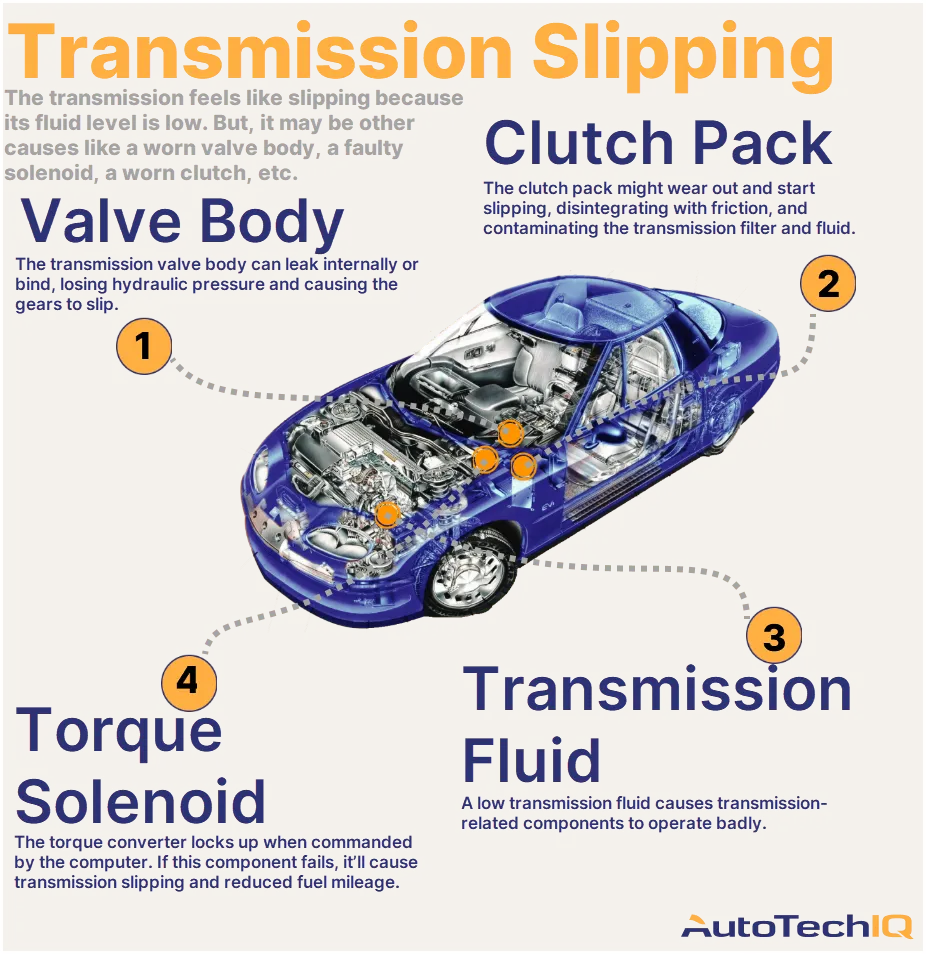
Understanding the potential causes behind a slipping transmission requires delving into the intricate interplay of hydraulics, mechanics, and electronics that govern its operation. From the advanced chemistry of transmission fluid to the precision of electronic control units and the robust durability of its mechanical components, numerous factors can disrupt this delicate balance. Identifying the root cause is paramount not only for effective repair but also for appreciating the sophisticated technology that underpins this essential automotive system.
The Technological Foundation of Transmission Performance
To grasp why a transmission might slip, it’s crucial to first understand the sophisticated engineering that allows it to function flawlessly under normal conditions. Modern automatic transmissions are not merely a collection of gears; they are highly integrated systems that rely on a confluence of mechanical ingenuity, fluid dynamics, and cutting-edge electronic control.
Explaining the Sophistication of Modern Automatic Transmissions
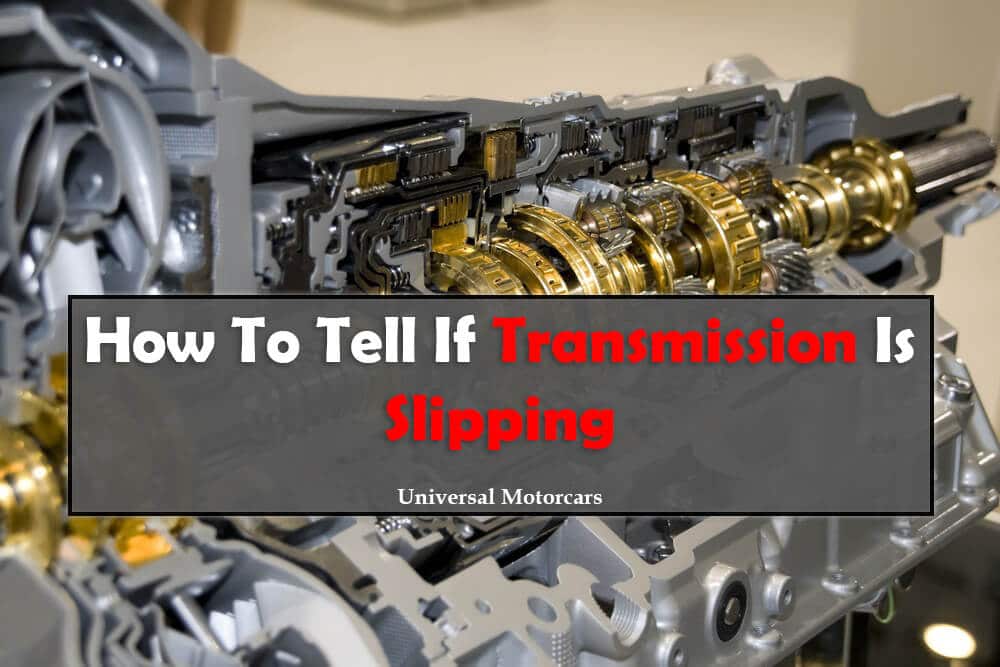
At its core, an automatic transmission employs a system of planetary gear sets, clutches, and bands to provide multiple gear ratios. Unlike manual transmissions that require a driver to manually select gears, automatic transmissions use a torque converter to smoothly transfer power from the engine and intelligently select the optimal gear ratio. This is achieved through a complex hydraulic system that directs transmission fluid under pressure to engage and disengage various clutch packs and bands, thereby changing gear ratios. The integration of precision-machined components with intricate fluid pathways allows for thousands of potential operational states, ensuring optimal power delivery and fuel efficiency across various driving conditions. This level of mechanical complexity demands perfect synchronization and operation of every part.
The Critical Role of Transmission Fluid: A High-Tech Lubricant
Often overlooked, transmission fluid is the lifeblood of an automatic transmission, far more than just a lubricant. It performs multiple critical functions: it lubricates moving parts to prevent wear, cools the transmission by dissipating heat generated during operation, and, most importantly, acts as the hydraulic medium that facilitates gear changes. Modern Automatic Transmission Fluid (ATF) is a highly engineered product, containing a complex blend of base oils and additives tailored to specific transmission designs. These additives provide properties such as anti-foaming agents, rust inhibitors, friction modifiers, and viscosity improvers. Any degradation in the fluid’s quality—be it from contamination, overheating, or simply aging—directly impairs its ability to perform these vital roles, leading to inefficient power transfer and ultimately, slippage.
Electronic Control Units (ECUs) and Sensor Networks
The intelligence behind a modern automatic transmission comes from its Electronic Control Unit (ECU), often a dedicated Transmission Control Module (TCM). This sophisticated computer unit receives real-time data from an array of sensors throughout the vehicle, including vehicle speed sensors, engine RPM sensors, throttle position sensors, and transmission fluid temperature sensors. Based on this input, the ECU makes instantaneous decisions on when and how to shift gears, optimizing for performance, fuel economy, and smooth operation. It precisely controls solenoids that regulate hydraulic pressure to engage the correct clutch packs. A single faulty sensor or a glitch in the ECU’s programming can disrupt this delicate electronic orchestration, leading to incorrect shift points, harsh shifts, or the dreaded transmission slip.
Common Technical Disruptions Leading to Slip
Despite the robust design and advanced control systems, transmissions are susceptible to various technical malfunctions that can lead to slippage. These issues can stem from hydraulic, mechanical, or electrical failures, each demanding a specific diagnostic and repair approach.
Low or Contaminated Transmission Fluid: A Systemic Breakdown
As discussed, transmission fluid is paramount. If the fluid level drops below the manufacturer’s recommended range—often due to leaks—there simply isn’t enough hydraulic pressure to properly engage the clutch packs, causing them to slip. Similarly, contaminated fluid, laden with metal particles from wear and tear, burnt clutch material, or even coolant from a compromised cooler, loses its essential properties. Contaminated fluid can clog the delicate valve body passages, reduce friction modification capabilities, and increase wear on internal components, all contributing to a loss of efficient power transfer and slippage.
Worn Clutch Packs and Gear Components: Mechanical Fatigue
Inside the transmission, clutch packs are responsible for transferring power between gear sets. These clutches consist of friction plates and steel plates that engage and disengage under hydraulic pressure. Over time, friction material on these plates can wear down, much like brake pads. When the friction material is excessively worn, the clutch can no longer grip effectively, leading to slippage. Similarly, continuous stress and heat can lead to wear on the gear teeth themselves, bearings, or other mechanical components, resulting in play or improper engagement, which manifests as slipping or harsh shifts. This mechanical fatigue is an inevitable consequence of prolonged use but can be accelerated by aggressive driving or lack of maintenance.
Torque Converter Issues: The Fluid Coupling’s Failure
The torque converter is a fluid coupling that connects the engine to the transmission, allowing the engine to idle while the vehicle is stopped in gear. It also multiplies torque at lower speeds. Inside, it uses impellers, a turbine, and a stator to transfer power via fluid. Problems with the torque converter, such as worn out internal components, a failing lock-up clutch, or issues with its internal fluid flow, can directly cause a slipping sensation. A faulty lock-up clutch, in particular, which is designed to create a direct mechanical link between the engine and transmission at cruising speeds for better fuel economy, can fail to engage or disengage properly, leading to noticeable slippage and shuddering.
Solenoid and Valve Body Malfunctions: Precision Control Gone Awry
The valve body is the “brain” of the hydraulic system within the transmission, containing a maze of channels, valves, and solenoids. Solenoids are electronically controlled valves that direct transmission fluid to various clutch packs based on signals from the ECU. If a solenoid becomes faulty (e.g., stuck open, stuck closed, or electrically malfunctioning), it cannot properly regulate fluid pressure to a specific clutch pack, causing delayed engagement, harsh shifts, or slippage in certain gears. Similarly, blockages within the intricate passages of the valve body or wear on its internal valves can disrupt the precise hydraulic control necessary for seamless gear changes.
The Impact of Electronic and Software Glitches
While mechanical and hydraulic issues are common, the increasingly sophisticated electronic control systems in modern transmissions introduce another layer of potential failure points. These electronic and software-related problems can be particularly challenging to diagnose without specialized tools.
Sensor Input Errors: Misleading the ECU
As mentioned, the ECU relies heavily on data from numerous sensors to operate the transmission correctly. A faulty vehicle speed sensor, for example, might report an incorrect speed to the ECU, causing it to command an inappropriate gear for the actual road speed, leading to slippage or poor shift quality. Similarly, a malfunctioning throttle position sensor might misinterpret the driver’s intent, resulting in the transmission struggling to find the right gear. These sensor-related errors don’t necessarily mean a mechanical failure, but they disrupt the electronic intelligence that manages the transmission’s operation.
Software Calibration and Firmware Issues
Just like any complex computing system, the ECU’s performance is dependent on its software. Modern transmissions often receive software updates or “flashes” to improve shift logic, fuel economy, or address known issues. However, corrupted firmware, an incomplete software flash, or even a subtle calibration error can lead to erratic transmission behavior. The ECU might miscalculate shift points, apply incorrect line pressures, or fail to activate solenoids precisely, all of which can manifest as a slipping transmission. Diagnosing such issues often requires specialized dealership tools or advanced diagnostic software.
Electrical Connectivity and Wiring Integrity
The electronic signals from sensors to the ECU, and from the ECU to solenoids, travel through a complex network of wiring and connectors. Corrosion in a connector, a frayed wire, or a poor ground connection can disrupt these vital electrical signals. An intermittent connection might cause temporary loss of control, leading to sporadic slippage or warning lights. Damage from heat, vibration, or external factors can compromise the integrity of this electrical infrastructure, causing communication breakdowns that mimic internal transmission failures.
Advanced Diagnostics and Preventative Maintenance Technology
Addressing a slipping transmission effectively relies heavily on advanced diagnostic capabilities and a commitment to preventative maintenance, leveraging modern technological solutions.
Leveraging OBD-II and Specialized Diagnostic Tools
The On-Board Diagnostics II (OBD-II) system, standard in all vehicles since 1996, is the first line of defense. When a transmission slips due to an electronically detectable fault, the ECU often stores a Diagnostic Trouble Code (DTC) accessible via an OBD-II scanner. While generic scanners can retrieve basic codes, specialized diagnostic tools, often proprietary to manufacturers, are essential for deeper insights. These advanced tools can monitor real-time sensor data, actuate solenoids, perform adaptive learning procedures, and even re-flash the transmission’s ECU, providing invaluable data for pinpointing the exact cause of a slip. This digital troubleshooting is critical for distinguishing between mechanical, hydraulic, and electronic faults.
The Evolution of Transmission Fluid and Filter Technologies
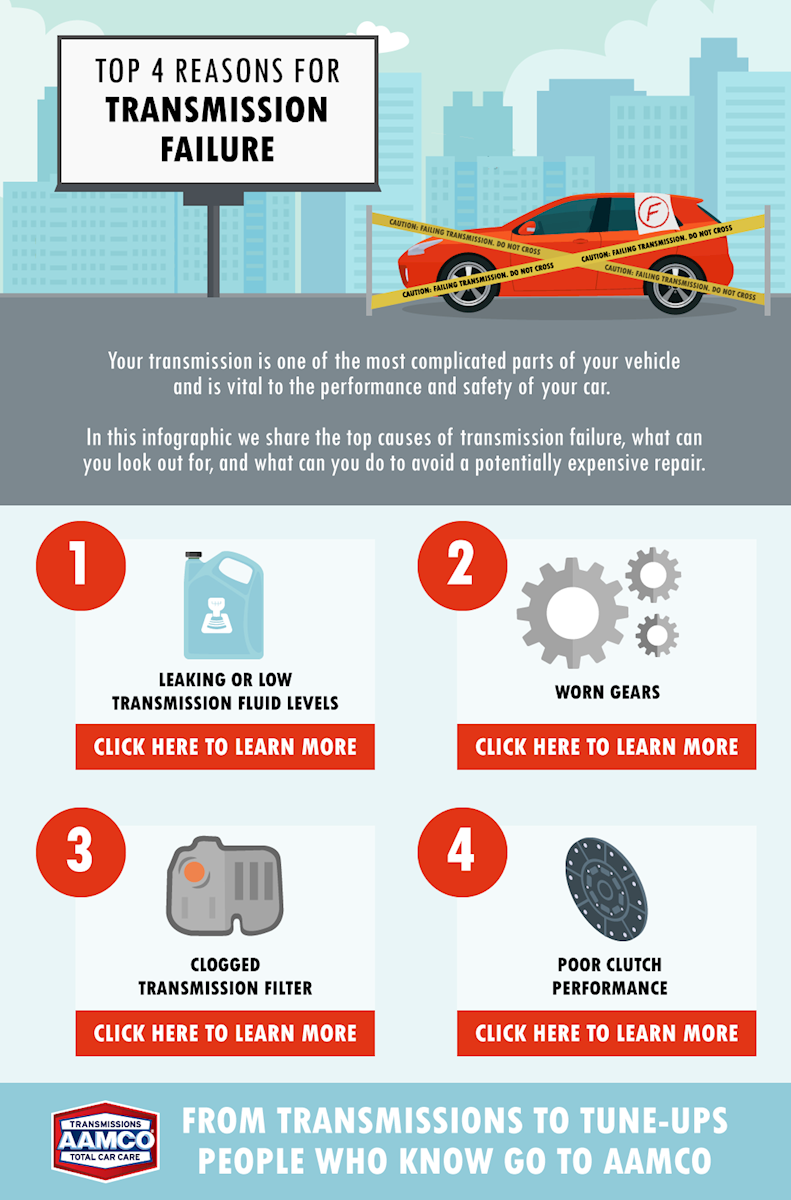
Preventative maintenance remains the most effective strategy against transmission slippage. The ongoing evolution of transmission fluid technology plays a crucial role. Modern synthetic ATFs offer superior thermal stability, oxidation resistance, and friction modification properties compared to older conventional fluids, extending service intervals and protecting internal components more effectively. Paired with high-efficiency transmission filters designed to capture even microscopic wear particles, regular fluid and filter changes are vital. Adhering to manufacturer-recommended service schedules, which are based on extensive engineering and testing, is key to maintaining the fluid’s integrity and the transmission’s longevity.
Proactive Monitoring and Telematics for Automotive Health
The future of transmission health monitoring increasingly involves telematics and predictive analytics. Modern vehicles, especially higher-end models, are equipped with systems that can continuously monitor transmission parameters, logging subtle deviations from normal operating conditions. This data can be transmitted wirelessly, allowing technicians to identify potential issues before they escalate into noticeable problems like slippage. Furthermore, advanced diagnostic algorithms can analyze historical performance data to predict component failures, enabling proactive maintenance interventions. This blend of real-time monitoring and data-driven prediction offers an unprecedented level of insight into the health of complex automotive systems like the transmission.
In conclusion, a slipping transmission is a complex issue rooted in the intricate interplay of mechanical, hydraulic, and electronic components. From the critical role of specially formulated fluids and the precision of electronic control units to the durability of gear sets and clutches, numerous technological factors can contribute to this common problem. Effective diagnosis and repair demand a thorough understanding of these systems, often leveraging advanced diagnostic tools and a commitment to regular, high-quality maintenance. As automotive technology continues to advance, so too will the methods for maintaining and troubleshooting these essential power transmission systems, ensuring safer and more reliable vehicles for years to come.
aViewFromTheCave is a participant in the Amazon Services LLC Associates Program, an affiliate advertising program designed to provide a means for sites to earn advertising fees by advertising and linking to Amazon.com. Amazon, the Amazon logo, AmazonSupply, and the AmazonSupply logo are trademarks of Amazon.com, Inc. or its affiliates. As an Amazon Associate we earn affiliate commissions from qualifying purchases.