
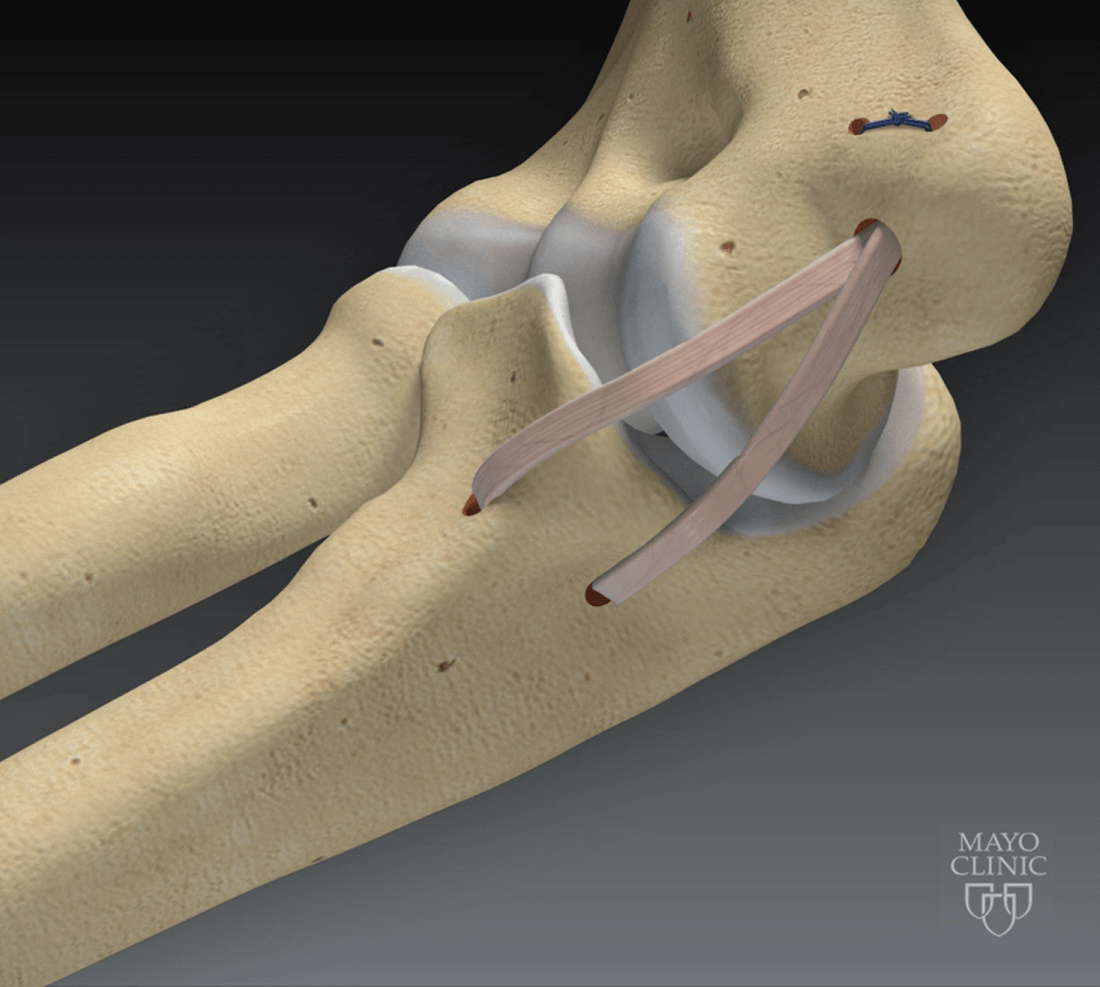
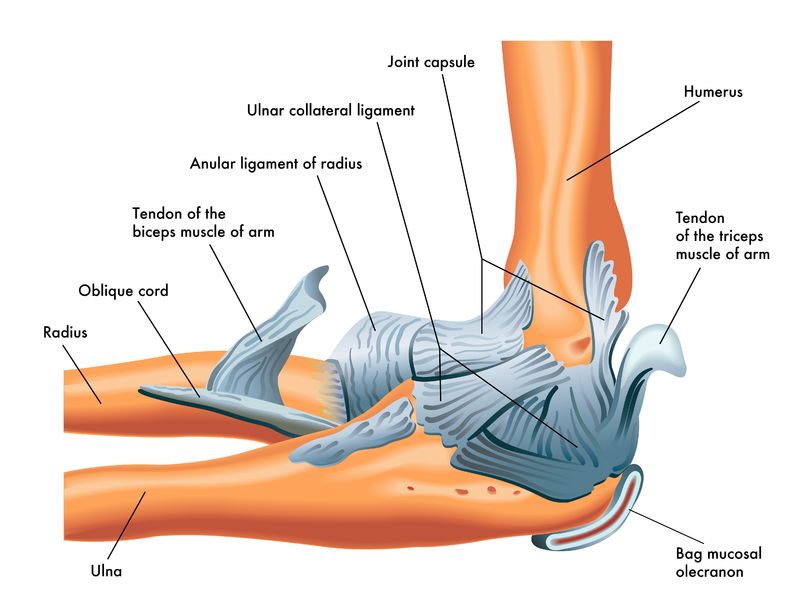
Tommy John surgery, medically known as ulnar collateral ligament (UCL) reconstruction, has become an alarmingly common phrase in the world of professional and amateur sports, particularly baseball. While its immediate cause is a tear in the elbow’s UCL, often due to overuse and high-velocity throwing, the deeper “causes” can be traced back to a complex web of financial pressures, economic incentives, and the high-stakes world of sports. Far from being solely a medical phenomenon, the rising incidence of Tommy John injuries is a powerful indicator of underlying financial dynamics at play, shaping everything from youth sports development to professional career management.
This article delves into the financial ecosystem surrounding Tommy John surgery, exploring how monetary aspirations and economic realities contribute to the injury’s occurrence, and the profound financial ripples it creates for individuals, families, and sports organizations. Understanding these financial dimensions is crucial for athletes, parents, coaches, and policymakers aiming to mitigate risks and foster a more sustainable future in sports.
The Economic Drivers Behind Athlete Overuse and Injury Risk
The journey to an athletic career, particularly in high-demand sports like baseball, is fraught with financial considerations that often inadvertently push athletes toward practices that increase injury risk. The allure of lucrative professional contracts or life-changing collegiate scholarships can overshadow long-term health.
The Pursuit of Professional Contracts and Scholarships
For many young athletes and their families, sports represent a potential pathway to financial security and upward mobility. A collegiate athletic scholarship can offset tens of thousands of dollars in tuition costs, while a professional contract, even at the minor league level, promises a substantial income far beyond entry-level jobs. This potent financial incentive often translates into an intense, almost relentless, pursuit of excellence from an early age.
Athletes are pressured to specialize early, play year-round, and participate in multiple teams simultaneously to “get noticed.” This hyper-competitive environment, fueled by the dream of financial reward, leads to significant physical stress. Young pitchers, for instance, might throw hundreds of innings across various leagues each year, far exceeding recommended pitch counts and rest periods, simply because they fear that taking time off will diminish their competitive edge or their chances of securing that coveted scholarship or draft slot. The perceived financial imperative to “be the best” creates a culture where proper rest and diversified athletic development are often sacrificed at the altar of early specialization and excessive play, directly increasing the risk of overuse injuries like a torn UCL.
Lack of Investment in Proper Development and Recovery
Paradoxically, while the pursuit of financial gain drives overuse, a lack of financial resources can also contribute to injury. Not all families or youth sports organizations have the means to invest in optimal training environments, high-quality coaching, and crucial recovery protocols. Specialized strength and conditioning, proper biomechanical coaching, sports psychology, and access to physical therapy for minor aches and pains are often expensive.
When these financial constraints exist, athletes may train with improper mechanics, lack the necessary physical conditioning to withstand rigorous play, or fail to receive adequate recovery and rehabilitation. For example, a young pitcher might not have access to a pitching coach trained in injury prevention, or their team might not have the budget for robust strength and conditioning programs. Similarly, after a demanding season, the financial pressure to continue playing—perhaps in a summer league to earn extra money or maintain visibility—might override the need for essential rest and active recovery. This systemic underinvestment in critical athlete welfare components, often due to financial limitations, lays the groundwork for injuries.
The Business of Youth Sports and Performance Enhancement
The youth sports industry is a multi-billion dollar enterprise, where financial profits are a significant driver. Travel teams, showcase tournaments, private coaching, and advanced training facilities all come with hefty price tags, creating an arms race for parents willing to invest in their child’s athletic future. This commercialization, while offering opportunities, also intensifies the pressure on young athletes.
Companies marketing performance-enhancing equipment, dietary supplements, or “breakthrough” training methodologies often play into parents’ desires for their children to succeed financially through sports. This commercial ecosystem can sometimes prioritize marketability and perceived competitive advantage over evidence-based practices for long-term athlete health. The financial incentives for various stakeholders—coaches, scouts, private academies—to produce “talent” quickly can inadvertently promote intensive training regimens that push athletes to their physiological limits, making them more susceptible to injuries like UCL tears.
The Direct Financial Burden of Tommy John Surgery
Once a Tommy John injury occurs, the financial implications shift from preventative investment to reparative costs and the profound impact on an athlete’s earning potential. This burden can be staggering, especially for those without adequate financial protection.
Healthcare Costs and Insurance Gaps
The immediate and direct financial cost of Tommy John surgery itself is substantial. The surgery, anesthesia, hospital stay, post-operative medication, and, critically, the extensive physical therapy and rehabilitation program can easily run into tens of thousands of dollars, often exceeding six figures. Even with health insurance, deductibles, co-pays, and out-of-pocket maximums can create a significant financial strain for families.
For amateur athletes, particularly those not yet on a college scholarship with associated medical coverage, or those whose family insurance may not fully cover specialized sports medicine, these costs can be prohibitive. A lack of comprehensive insurance or the inability to afford the best rehabilitation can compromise the recovery process, further risking future athletic prospects. Even for professional athletes with top-tier insurance, the logistical costs of extended rehabilitation away from home or specialized care can add up.
Lost Earnings and Career Impact

For professional athletes, a Tommy John injury almost invariably means a significant period away from competition, typically 12-18 months. During this time, they may lose out on salary, performance bonuses, endorsement deals, or the opportunity to secure a more lucrative contract in the future. A player on a one-year deal might find their career stalled or ended, losing their primary source of income. Even star players, while typically covered by guaranteed contracts, still face the emotional and psychological toll that can impact their future performance and, consequently, their future earnings.
For amateur athletes, particularly those in high school or college, a Tommy John injury can be catastrophic for their financial trajectory. A scholarship offer might be rescinded or downgraded, and the chance to be drafted into a professional league, with its promise of significant financial gain, could vanish. The lost opportunity cost—the potential future earnings forgone due to the injury—can far outweigh the direct medical expenses, representing a profound setback to their financial aspirations and future career options.
Long-Term Financial Planning and Risk Mitigation for Athletes
Given the high-risk nature of professional sports and the prevalence of injuries like Tommy John, robust financial planning and risk mitigation strategies are paramount for athletes at all levels.
Importance of Disability and Loss of Value Insurance
For professional athletes, especially those approaching free agency or with significant projected future earnings, disability insurance and “loss of value” insurance are critical financial safeguards. Disability insurance provides income replacement if an injury prevents an athlete from playing, while loss of value insurance protects against a drop in draft stock or a less lucrative contract due to injury. These policies, while expensive, are a vital financial tool for protecting an athlete’s most valuable asset: their ability to perform. Financial advisors specializing in sports help navigate these complex policies, ensuring that athletes have a safety net against career-altering injuries.
Diversifying Income Streams and Post-Career Planning
Smart financial planning for athletes extends beyond just managing current income; it involves preparing for the inevitable end of a high-earning, but often short-lived, career. Diversifying income streams through strategic investments, business ventures, or developing skills outside of sports provides a buffer against career-ending injuries like Tommy John. A well-managed financial portfolio can provide stability during rehabilitation or allow an athlete to pivot to a second career without immediate financial distress. Financial literacy and early engagement with sound financial planning are crucial to ensure that athletes are not solely reliant on a high-risk career that can be derailed by a single injury.
The Role of Financial Literacy in Injury Prevention and Recovery
Understanding the financial stakes can empower athletes to make better decisions regarding their health and career. Athletes who grasp the long-term financial consequences of injury, the costs of rehabilitation, and the potential loss of future earnings may be more inclined to adhere to proper rest protocols, invest in preventative training, and seek early treatment for minor issues. Financial literacy can also influence an athlete’s discipline during the often arduous and lengthy rehabilitation process after surgery, as they understand the direct link between a successful recovery and their future earning potential. Educating young athletes and their families about these financial realities is a crucial, yet often overlooked, aspect of injury prevention.
Systemic Financial Implications and Stakeholder Responsibility
The financial impact of Tommy John extends beyond individual athletes, touching teams, leagues, and the broader sports economy, prompting systemic changes and a re-evaluation of responsibilities.
Team Investments in Player Health and Analytics
Professional sports organizations have a significant financial incentive to prevent injuries. A star player sidelined by Tommy John represents a substantial financial loss: a high salary paid to a non-contributing asset, decreased ticket sales, lost merchandise revenue, and potentially lower team performance impacting playoff revenue. Consequently, teams are increasingly investing in sophisticated sports science, biomechanical analysis, and advanced medical staff to monitor player workloads, optimize training, and identify early warning signs of injury risk. These investments, driven by financial logic, aim to protect the significant capital invested in player contracts. The “cause” here is the financial bottom line driving a more proactive approach to player health.
The Financial Burden on Leagues and Associations
Leagues and player associations also bear substantial financial responsibilities related to player health. They often fund comprehensive insurance programs, provide guidelines for player safety, and invest in research to understand injury mechanisms. The collective bargaining agreements between leagues and player unions often include provisions for injury recovery, salary protection, and long-term disability, all of which represent significant financial commitments. An increase in high-profile injuries like Tommy John can lead to increased insurance premiums, greater financial payouts, and pressure to implement more stringent player protection rules, all of which have financial implications for the entire league system.
The Ethics of Financial Pressure in Youth Sports
Finally, the discussion of “what causes Tommy John” from a financial perspective must also address the ethical considerations of how financial pressures shape youth sports. The commercialization and professionalization of youth athletics, driven by the financial aspirations of both athletes and their families, raises questions about safeguarding the long-term health and well-being of young competitors. Is it ethical for coaches, organizations, or even parents to push young athletes to extreme limits in pursuit of potential financial gain, without fully acknowledging or mitigating the significant health and financial risks involved? This ethical dilemma underscores the need for a balanced approach that prioritizes athlete health over immediate financial incentives, ensuring that the dream of professional sports doesn’t come at the cost of a future riddled with injury and financial distress.
Conclusion
“What causes Tommy John” is a question with a complex answer that extends far beyond medical diagnosis. While the anatomical stress on the ulnar collateral ligament is the immediate culprit, the deeper “causes” are profoundly rooted in the financial landscape of modern sports. The pursuit of scholarships and professional contracts, the commercialization of youth sports, inadequate financial investment in player development, and the soaring costs of medical care all contribute to the alarming incidence and dire consequences of this injury.
From individual athletes facing lost earnings and mounting medical bills to professional teams and leagues grappling with millions in unproductive salary and insurance costs, the financial ramifications are pervasive. Addressing the Tommy John epidemic requires not only medical and biomechanical solutions but also a fundamental re-evaluation of the financial pressures driving athletic careers. By promoting financial literacy, fostering responsible investment in athlete health, and critically examining the ethical dimensions of financial incentives in sports, we can hope to create a more sustainable, healthier, and ultimately more equitable future for athletes at all levels. The conversation about Tommy John must evolve to fully integrate its often-overlooked financial narrative.
aViewFromTheCave is a participant in the Amazon Services LLC Associates Program, an affiliate advertising program designed to provide a means for sites to earn advertising fees by advertising and linking to Amazon.com. Amazon, the Amazon logo, AmazonSupply, and the AmazonSupply logo are trademarks of Amazon.com, Inc. or its affiliates. As an Amazon Associate we earn affiliate commissions from qualifying purchases.