
In the intricate world of internal combustion engines, every component plays a vital role in orchestrating the symphony of power and efficiency. Among these, the hydraulic valve lifter, often simply called a “lifter,” stands as a seemingly small but profoundly critical part. Its silent operation ensures the precise opening and closing of engine valves, a fundamental process for air intake, exhaust expulsion, and ultimately, the engine’s ability to run smoothly. Yet, despite their robust design, lifters are susceptible to failure, leading to a cascade of issues that can cripple an engine. Understanding “what causes lifters to go bad” is not merely a diagnostic exercise but a journey into the heart of automotive engineering, revealing the interplay of materials, lubrication, and operational stresses that dictate component longevity.

This article delves into the technological aspects of lifter failure, exploring the underlying causes, the systemic issues that exacerbate them, and the advanced diagnostic and preventative measures available to modern automotive enthusiasts and professionals. By dissecting the mechanisms of lifter deterioration, we aim to provide an insightful guide into preserving the health and performance of one of the engine’s unsung heroes.
The Critical Role of Engine Lifters in Automotive Technology
To truly grasp the implications of lifter failure, one must first appreciate their fundamental contribution to engine operation. Hydraulic valve lifters are a cornerstone of modern engine design, integral to achieving optimal performance and efficiency.
Understanding Hydraulic Valve Lifters
At their core, hydraulic valve lifters are self-adjusting components designed to eliminate valve lash – the small gap between the valve stem and the rocker arm or camshaft lobe. This gap would otherwise result in excessive noise, premature wear, and imprecise valve timing. By using engine oil pressure, the lifter maintains a constant, zero-lash contact, adapting to thermal expansion and wear throughout the engine’s operating cycle.
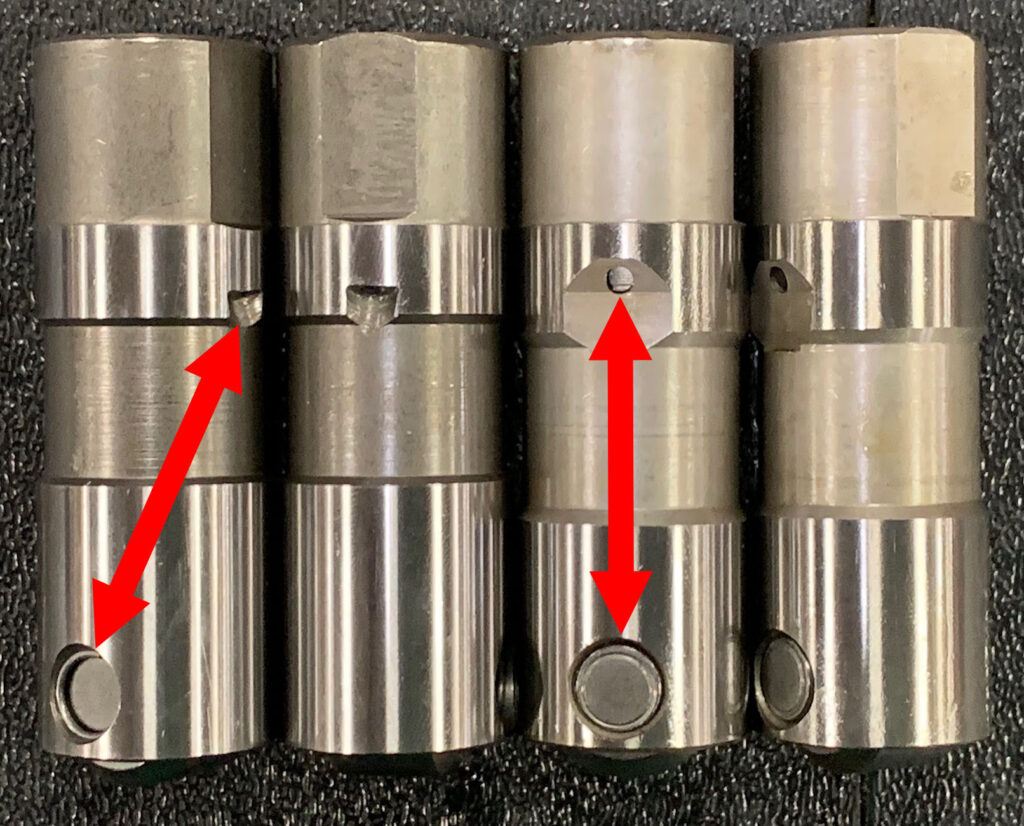
Each lifter consists of a precisely machined body, a plunger, a check valve, and an internal oil reservoir. Engine oil is pumped into the lifter, filling the reservoir and creating hydraulic pressure that extends the plunger. This extension keeps the valvetrain components in constant contact, ensuring silent operation and accurate valve actuation. The check valve prevents oil from escaping too quickly, maintaining the necessary rigidity for valve opening, while allowing for slight bleed-down to accommodate variations. This ingenious mechanism is crucial for:
-
Smooth Engine Operation: Eliminating valve lash prevents excessive noise (ticking) and ensures quiet running.
-
Precise Valve Timing: Consistent contact between the lifter and camshaft/rocker arm ensures that valves open and close at the exact moments required for optimal combustion.
-
Reduced Wear: By cushioning the impact between components, lifters mitigate wear on camshaft lobes, rocker arms, and valve stems.
-
Fuel Efficiency and Emissions Control: Accurate valve timing directly impacts combustion efficiency, leading to better fuel economy and reduced harmful emissions.
Symptoms of Failing Lifters
When lifters begin to falter, they send clear signals that something is amiss within the engine’s delicate ecosystem. Recognizing these symptoms early can be critical in preventing more severe and costly damage. The most common and tell-tale sign of a failing lifter is a distinctive ticking or tapping noise emanating from the engine. This noise is often most pronounced during cold starts, as the oil is thicker and takes longer to circulate, or after the engine has been running for a while, indicating insufficient oil pressure or a collapsed lifter.
Other symptoms can include:
-
Reduced Engine Performance: Inaccurate valve timing due to a collapsed lifter can lead to incomplete combustion cycles, resulting in a noticeable drop in power, hesitation, or rough idling.
-
Misfires: A severely malfunctioning lifter can prevent a valve from opening or closing correctly, leading to a cylinder misfire, which will often trigger the check engine light.
-
Increased Oil Consumption: While not a direct symptom, a severely worn lifter or cam lobe can indirectly lead to increased oil consumption due to other related engine issues.
-
Check Engine Light Illumination: Misfire codes (P030X) are common when lifter failure impacts combustion efficiency.
Ignoring these symptoms can lead to catastrophic engine failure, as a collapsed lifter can cause a valve to collide with a piston, or a worn camshaft can damage other valvetrain components, transforming a relatively isolated issue into a complete engine rebuild scenario.
Primary Culprits Behind Lifter Deterioration
The longevity of engine lifters is intrinsically linked to a variety of factors, predominantly revolving around lubrication, wear, and environmental contaminants. Understanding these primary culprits is paramount for effective preventative maintenance and diagnosis in automotive technology.
Inadequate Engine Oil Maintenance
By far the most common and preventable cause of lifter failure is poor engine oil maintenance. Lifters are hydraulic components; their very function depends on clean, properly pressurized oil.
-
Low Oil Levels: Insufficient oil in the sump means the oil pump struggles to maintain adequate pressure, starving lifters of the hydraulic force needed to function correctly. This can cause them to “bleed down” and collapse, leading to ticking noises.
-
Infrequent Oil Changes: Engine oil degrades over time and with use. It loses its viscosity, its lubricating properties diminish, and it accumulates contaminants from combustion byproducts and wear particles. Old, spent oil cannot adequately lubricate or hydraulically support the lifters.
-
Using Incorrect Oil Type/Viscosity: Modern engines are designed with specific oil requirements. Using oil with the wrong viscosity or one that doesn’t meet the manufacturer’s API (American Petroleum Institute) or ACEA (European Automobile Manufacturers’ Association) specifications can lead to improper lubrication and premature wear. Thicker oil might not flow into the lifter’s internal passages quickly enough, especially in cold weather, while oil that is too thin might not maintain sufficient hydraulic pressure.
-
Sludge Buildup: This insidious killer is often a direct result of infrequent oil changes and using sub-par oil. Sludge, a thick, tar-like deposit, can clog the tiny oil passages within the engine, particularly those leading to the lifters. When oil flow is restricted, lifters are starved of lubrication and hydraulic pressure, causing them to stick or collapse.
Wear and Tear: The Inevitable Factors

Even with meticulous maintenance, wear and tear are unavoidable aspects of mechanical systems. Lifters, constantly interacting with camshaft lobes and valve stems, are no exception.
-
High Mileage: Over extended periods of operation, the materials composing the lifters, camshaft, and other valvetrain components will naturally experience fatigue and abrasive wear. The hardened surfaces can eventually pit, score, or lose their critical dimensions.
-
Manufacturing Defects: While less common in modern production, occasionally a batch of lifters or camshafts may have subtle material or machining defects that lead to premature failure. This is often seen in new or relatively low-mileage vehicles.
-
Hard Driving Conditions: Engines subjected to frequent high RPMs, heavy loads, or extreme temperatures experience accelerated wear. The increased stress and heat can degrade oil faster and put more strain on the lifter mechanisms.
-
Material Fatigue: The constant cycling of stress on the lifter body and internal components can eventually lead to material fatigue, cracking, or deformation, even without visible abrasion.
Contamination and Debris
The engine environment, though sealed, is not immune to internal or external contaminants that can severely impact lifter health.
-
Metal Shavings: As other engine components (bearings, piston rings, cylinder walls) wear, microscopic metal particles can circulate in the oil. These abrasive particles can damage the finely machined surfaces within the lifter, causing it to stick or leak internally.
-
Dirt/Dust Ingress: A compromised air filter, loose oil filler cap, or damaged PCV (Positive Crankcase Ventilation) system can allow external dirt and dust to enter the engine. These highly abrasive particles act like sandpaper on moving parts, including lifters and camshaft lobes.
-
Fuel Dilution: In engines with rich fuel mixtures, faulty injectors, or excessive idling, unburnt fuel can seep past piston rings and dilute the engine oil. Gasoline significantly reduces the oil’s viscosity and lubricating properties, making it less effective at protecting lifters and maintaining hydraulic pressure.
-
Coolant Leaks: A breach in the cylinder head gasket, engine block, or other cooling system components can allow coolant to mix with engine oil. This creates a corrosive sludge that can clog oil passages, cause corrosion within lifters, and severely degrade the oil’s ability to lubricate.
Systemic Issues and Their Impact on Lifter Health
Lifter failure is not always an isolated event caused solely by the lifter itself. Often, underlying systemic issues within the engine’s lubrication and valvetrain systems can either initiate or accelerate lifter deterioration.
Oil Pressure Problems
The lifeblood of hydraulic lifters is adequate oil pressure. Any compromise to the engine’s oil pressure system directly threatens lifter functionality.
-
Faulty Oil Pump: The oil pump is responsible for circulating oil throughout the engine under pressure. A worn or malfunctioning oil pump may fail to deliver sufficient pressure, especially at idle or low RPMs, leading to lifter bleed-down and noise.
-
Clogged Oil Screen/Pickup Tube: The oil pickup tube draws oil from the sump to the pump, protected by a screen. Sludge or debris can clog this screen, restricting oil flow to the pump and subsequently reducing the overall oil pressure available to the engine, including the lifters.
-
Worn Main/Rod Bearings: While not directly related to lifters, worn crankshaft or connecting rod bearings can create excessive clearances. This allows oil to escape from the pressure system prematurely, resulting in a drop in overall engine oil pressure and starving other components like lifters.
-
Lifter Design Flaws: In some specific engine designs, certain lifter types or their oil passages might be inherently prone to clogging or hydraulic failure, leading to widespread issues for that particular engine family. This is sometimes addressed through manufacturer recalls or service bulletins.
Valvetrain Component Wear
The valvetrain is an interconnected system. Wear or failure in one component can have ripple effects, impacting lifter health and functionality.
-
Worn Camshaft Lobes: The camshaft lobes directly actuate the lifters. If the lobes become worn, pitted, or flat, they can no longer provide the correct lift profile to the lifter. This can lead to increased impact stress on the lifter, causing premature wear, or a lack of proper valve opening, leading to misfires.
-
Sticking Valves: Carbon buildup on valve stems or worn valve guides can cause valves to stick in their open or closed positions. When a valve sticks, the lifter is forced to apply continuous pressure or absorb an unexpected impact, which can damage its internal components or cause it to collapse.
-
Broken Valve Springs: Valve springs ensure that valves close properly and maintain contact with the lifters. A broken or weakened valve spring can cause the valve to float or bounce, leading to excessive wear on the lifter and potentially a collision between the valve and piston.
Engine Design and Material Considerations
Modern engine technology is a marvel of engineering, but specific design choices and material selections can influence lifter longevity.
-
Engine Design Specifics: Certain engine architectures, particularly those with high-performance aspirations or specific emission control strategies (e.g., cylinder deactivation systems that use special lifters), can place unique demands on lifters, making them more susceptible to specific failure modes. The design of oil passages and lifter galleries also plays a role.
-
Material Quality: The metallurgy of the lifter body, plunger, and check valve, as well as the camshaft it interacts with, is critical. Inferior material quality or improper heat treatment can lead to premature wear, pitting, or scuffing, compromising the lifter’s integrity.
-
Manufacturing Tolerances: Tight tolerances are crucial for the proper functioning of hydraulic lifters. Any deviations during manufacturing, whether in the lifter itself or the engine block’s lifter bores, can affect oil retention, bleed-down rates, and overall performance, leading to early failure.
Advanced Diagnostics and Preventative Maintenance in Modern Automotive Technology
Understanding the causes of lifter failure empowers proactive vehicle owners and technicians. Modern automotive technology offers sophisticated diagnostic tools and effective preventative strategies to maximize lifter longevity and engine health.
Diagnostic Techniques for Lifter Issues
When a lifter issue is suspected, a systematic diagnostic approach is essential.
-
Stethoscope Listening: A mechanical stethoscope is an invaluable, low-tech tool for pinpointing the exact location of engine noises. By carefully listening around the valve covers, technicians can often isolate the cylinder or area where a ticking lifter is present.
-
Oil Pressure Testing: Connecting a mechanical oil pressure gauge to the engine allows for a precise measurement of the oil pressure at various RPMs. Low or erratic oil pressure, especially at idle, can confirm a lubrication system problem impacting lifters.
-
Using Scan Tools (OBD-II): For vehicles with a check engine light and misfire codes (P030X), an OBD-II scan tool can identify which cylinder is misfiring. While not directly diagnosing the lifter, it narrows down the problem area, guiding further investigation.
-
Valve Cover Removal for Visual Inspection: In more severe cases, or when other diagnostics are inconclusive, removing the valve covers allows for direct visual inspection. Technicians can check for collapsed lifters (they will appear shorter than healthy ones), worn camshaft lobes (pitting, scoring, or flatness), or excessive slop in the valvetrain.
-
Oil Analysis: Sending a sample of used engine oil to a laboratory for analysis can provide a wealth of information. This includes detecting abnormal levels of wear metals (iron, copper, lead), indicating internal component wear. It can also identify fuel dilution, coolant contamination, or excessive soot/sludge, all of which compromise oil quality and lead to lifter issues.
Best Practices for Lifter Longevity
Prevention is always better than cure, especially when it comes to intricate engine components like lifters.
-
Adhere Strictly to Manufacturer’s Oil Change Intervals and Specifications: This is the golden rule. Follow the vehicle manufacturer’s recommended oil change schedule precisely, and always use the exact type and viscosity of engine oil specified in the owner’s manual. High-quality synthetic oils often offer superior protection and longevity.
-
Using High-Quality Engine Oil and Filters: Investing in premium-brand engine oils and oil filters can make a significant difference. High-quality oils contain advanced additive packages that resist breakdown, reduce friction, and keep the engine cleaner. Premium filters ensure contaminants are effectively removed from the oil.
-
Regular Engine Flushing (for vehicles with known sludge issues): For engines known to be susceptible to sludge buildup (e.g., certain older VW/Audi 1.8T engines), periodic engine flushes performed by a professional can help remove deposits and keep oil passages clear. However, this should be done cautiously, as aggressive flushing agents can sometimes dislodge large chunks of sludge, leading to new blockages.
-
Promptly Addressing Any Engine Warning Lights or Unusual Noises: Never ignore a check engine light or any abnormal engine noises. Early diagnosis and repair of minor issues can prevent them from escalating into major problems that affect lifters or other critical components.
-
Avoiding Excessive Idling and Short Trips (Especially in Cold Weather): Short trips prevent the engine from reaching optimal operating temperature, leading to increased condensation and fuel dilution in the oil. Excessive idling also promotes sludge formation.
-
Considering Synthetic Oils for Enhanced Protection: While not mandatory for all engines, synthetic oils generally offer better thermal stability, reduced friction, and superior cleaning properties compared to conventional oils. They can provide an extra layer of protection for lifters, particularly in demanding conditions.
Conclusion
The intricate dance of engine lifters, facilitating the precise choreography of valve movements, is fundamental to an engine’s performance, efficiency, and longevity. Understanding “what causes lifters to go bad” reveals a complex interplay of factors, from the simple negligence of inadequate oil changes to the systemic challenges posed by oil pressure inconsistencies and inherent design characteristics. In the realm of automotive technology, lifter failure serves as a stark reminder of the interconnectedness of engine components and the critical role of lubrication in maintaining mechanical harmony.
By embracing a proactive approach to vehicle maintenance—adhering to manufacturer specifications, using high-quality fluids, and promptly addressing any warning signs—vehicle owners can significantly extend the life of their lifters and, by extension, their entire engine. For technicians, a deep understanding of these failure modes and the application of advanced diagnostic techniques are key to accurate repair and reliable vehicle servicing. In the end, healthy lifters translate into a quiet, powerful, and efficient engine, ensuring that the heart of the vehicle beats strong for many miles to come.
aViewFromTheCave is a participant in the Amazon Services LLC Associates Program, an affiliate advertising program designed to provide a means for sites to earn advertising fees by advertising and linking to Amazon.com. Amazon, the Amazon logo, AmazonSupply, and the AmazonSupply logo are trademarks of Amazon.com, Inc. or its affiliates. As an Amazon Associate we earn affiliate commissions from qualifying purchases.