
The onset of any health issue, from a minor ailment to a significant medical condition like a cyst in the shoulder, rarely occurs in a vacuum. Beyond the immediate physical symptoms and medical diagnoses, there is an often-overlooked yet profoundly impactful dimension: the financial one. While the physiological causes of a shoulder cyst might range from trauma and overuse to degenerative changes or genetic predisposition, this article will explore “what causes” a cyst to become a significant financial burden, how proactive financial planning can mitigate these causes, and the economic ripple effects it can trigger. We will shift the lens from anatomy to economics, analyzing the financial “etiology” and consequences of managing a shoulder cyst in today’s complex healthcare landscape.

Understanding the financial causes means recognizing that delayed action, inadequate insurance, and a lack of foresight can transform a treatable condition into a cascading series of escalating costs and lost opportunities. For individuals and families, a shoulder cyst isn’t just a physical inconvenience; it’s a potential drain on savings, a challenge to income stability, and a test of financial resilience. For businesses, employee health issues like this can translate into productivity losses and increased healthcare premiums. By dissecting these monetary “causes,” we can better equip ourselves with strategies to build a more robust financial defense against the unexpected twists of health.
The Hidden Costs of Health Neglect: Proactive vs. Reactive Spending
The first financial “cause” of significant expense often lies in the choices made long before a diagnosis. Investing in health, both physically and financially, is a crucial preventative measure against the escalating costs of reactive care. Neglecting early signs or failing to secure adequate financial protections can turn a manageable health issue into a major fiscal crisis.
Understanding Preventative Financial Investments
Just as regular maintenance prevents major car repairs, consistent investment in personal health can significantly reduce the likelihood of costly medical interventions. From a financial standpoint, this means allocating resources to maintaining well-being. This includes ergonomic evaluations for workspaces to prevent musculoskeletal issues, membership fees for gyms or exercise programs that strengthen the shoulder and surrounding musculature, and regular check-ups that might catch early indicators of issues like a cyst before it grows larger or causes more severe symptoms.
Consider the “cost” of poor posture or repetitive strain without corrective measures. These habits, over time, can contribute to conditions that might manifest as shoulder cysts or other musculoskeletal disorders. The financial investment in prevention, whether it’s an ergonomic chair, physical therapy to correct imbalances, or even just regular breaks from desk work, can be a fraction of the cost of MRI scans, specialist consultations, injections, or potential surgery. Therefore, a lack of preventative financial investment in health is a significant “cause” of future high medical bills. It’s a classic example of “an ounce of prevention is worth a pound of cure”—financially speaking, many pounds.
The Escalating Price Tag of Delayed Diagnosis
One of the most potent financial “causes” of exorbitant medical bills related to a shoulder cyst is the delay in seeking diagnosis and treatment. Many individuals might initially ignore mild shoulder pain, attributing it to minor strain or aging. However, a small, asymptomatic cyst can grow, impinge on nerves or tendons, or rupture, leading to more intense pain, limited mobility, and a more complex, invasive, and thus, more expensive treatment pathway.
For instance, an early-stage cyst might only require observation, a relatively inexpensive ultrasound, or a simple aspiration. If left untreated, it might necessitate multiple expensive MRI scans, pain management interventions, prolonged physical therapy, and ultimately, surgical removal. Each step up in complexity directly correlates with a significant increase in financial outlay. The “cause” of this increased cost is simply procrastination and the deferral of initial, less costly investigations. The financial burden compounds as the medical condition progresses, making early intervention not just medically advisable, but financially prudent.
The Role of Insurance in Mitigating Financial Shocks
Perhaps the most direct financial “cause” of catastrophic medical expenses for a shoulder cyst, or any condition, is inadequate health insurance coverage. In a system where a single MRI can cost hundreds to thousands of dollars, and surgery can run into tens of thousands, being uninsured or underinsured is a gamble with devastating financial consequences.
The type of insurance plan—HMO, PPO, HDHP with an HSA—plays a critical role in how much an individual will pay out-of-pocket for consultations, diagnostics, treatments, and rehabilitation. High deductibles, co-pays, and co-insurance percentages can quickly accumulate, even with insurance. Understanding the specifics of one’s policy, including in-network providers, out-of-pocket maximums, and coverage for specialist visits and physical therapy, is crucial. A lack of comprehensive coverage acts as a direct financial “cause” of personal debt and hardship when a health crisis like a shoulder cyst arises. Investing in appropriate insurance is a critical financial strategy, providing a buffer against the unforeseen.
Direct Financial Burdens: Diagnosis, Treatment, and Recovery
Once a shoulder cyst is suspected, a series of direct financial costs are triggered. These expenditures encompass every stage from confirming the diagnosis to full recovery, each representing a distinct financial “cause” contributing to the overall burden.
Diagnostic Procedures and Their Price Points
The journey to understanding “what causes a cyst in the shoulder” medically begins with diagnosis, which itself is a significant financial step.
-
Initial Consultation: A visit to a general practitioner often costs $100-$300 without insurance, or a co-pay with it.
-
Orthopedic Specialist Consultation: If referred, specialist visits are typically higher, ranging from $200-$500 per visit.
-
Imaging Tests:
-
X-rays: Relatively inexpensive, $50-$200, but often insufficient for soft tissue issues like cysts.
-
Ultrasound: More detailed for soft tissues, $200-$500.
-
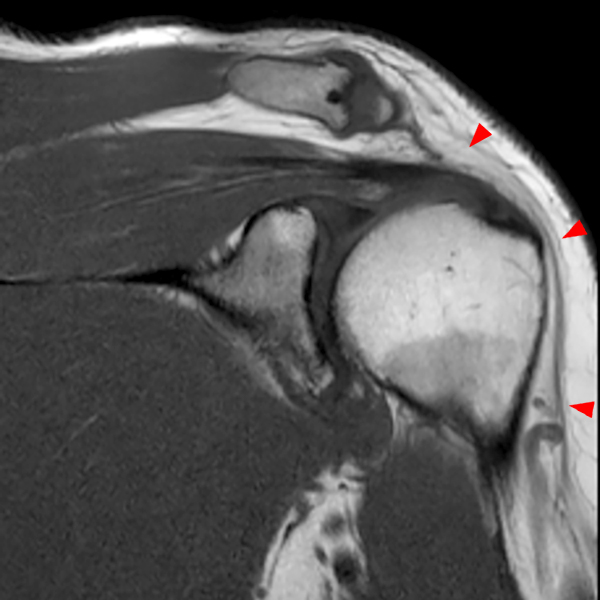
MRI (Magnetic Resonance Imaging): The gold standard for soft tissue, but also the most expensive, often ranging from $1,000-$5,000 depending on location and facility. This single test alone can be a major financial “cause” of strain for many.
-
-
Lab Tests: While less common for cysts, blood tests for inflammatory markers might be ordered, adding another $50-$200.
The collective cost of these diagnostic steps can quickly climb into thousands of dollars, acting as a primary financial barrier or stressor even before a treatment plan is established.
Treatment Pathways: From Aspiration to Surgery and Their Associated Expenses
Once diagnosed, the specific treatment pathway chosen directly “causes” varying levels of financial impact.
-
Observation: For asymptomatic or small cysts, observation is the least expensive, involving only follow-up visits ($100-$300 each) and potentially repeat imaging.
-
Aspiration: Draining the cyst with a needle. This outpatient procedure typically costs $300-$1,000, including facility fees and doctor’s fees.
-
Steroid Injections: Often used in conjunction with aspiration or for managing inflammation. Each injection can range from $200-$800, and multiple injections might be needed.
-
Physical Therapy: If the cyst is causing mechanical issues or weakness, PT might be prescribed. A typical course of PT can involve 6-12 sessions, with each session costing $50-$200, totaling $300-$2,400 or more.
-
Surgical Excision: For large, symptomatic, or recurrent cysts, surgical removal is the most definitive but also the most financially impactful option. This can involve:
-
Surgeon’s Fee: $2,000-$8,000+
-
Anesthesiologist’s Fee: $500-$2,000+
-
Hospital/Outpatient Facility Fee: $5,000-$15,000+ (depending on whether it’s inpatient or outpatient, and facility type)
-
Pathology Fees: For analysis of the removed tissue, $200-$500.
-
The combined costs of surgery, particularly when factoring in facility and anesthesia, can easily reach well over $10,000, sometimes exceeding $20,000. This is often the single largest financial “cause” related to a shoulder cyst.
Post-Treatment Financial Outlays: Rehabilitation and Follow-Up Care
The financial story doesn’t end with treatment. The recovery phase often entails further costs, which are critical for long-term success and preventing recurrence.
-
Extended Physical Therapy: Post-surgery, extensive physical therapy is almost always required for several weeks to months, adding thousands more to the bill.
-
Medication: Pain relievers, anti-inflammatories, or other prescriptions during recovery can add $50-$500+.
-
Follow-up Appointments: Regular visits with the surgeon or specialist to monitor healing, typically $100-$300 per visit.
-
Adaptive Equipment: Slings, ice packs, ergonomic supports, or specialized pillows can add smaller but cumulatively significant costs.
These post-treatment expenses are often underestimated but contribute significantly to the total financial “cause” of a shoulder cyst, extending the period of monetary outflow.
Indirect Financial Impact: Income Loss and Productivity Decline
Beyond direct medical bills, a shoulder cyst can “cause” a cascade of indirect financial repercussions, primarily through its impact on an individual’s ability to work and overall economic productivity.
Income Disruption from Time Off Work
A significant “cause” of financial hardship for many individuals dealing with a symptomatic shoulder cyst is the unavoidable loss of income.
-
Appointments and Diagnostics: Even non-surgical pathways require time off for multiple doctor visits, imaging appointments, and physical therapy sessions. For hourly wage earners, this translates directly to lost wages.
-
Surgery and Recovery: If surgery is necessary, recovery time can range from a few weeks to several months, depending on the individual and the nature of their work. For those without generous paid time off (PTO) or adequate short-term disability insurance, this period can lead to a substantial reduction or complete cessation of income.
-
Self-Employed Individuals: Entrepreneurs, freelancers, and small business owners face an even greater challenge. Time away from work not only means lost income but also potentially missed client opportunities, project delays, and a direct impact on their business’s profitability. The “cause” here is the direct link between physical capacity and earning potential.
Reduced Productivity and Its Business Impact
Even when able to work, a painful shoulder cyst can “cause” a noticeable decline in productivity.
-
Impaired Performance: Limited range of motion, chronic pain, or discomfort can make tasks requiring arm movement, lifting, typing, or even sustained focus difficult. This reduced efficiency can affect job performance, potentially leading to missed bonuses, slower career progression, or even job insecurity.
-
Cognitive Load: Dealing with pain and the stress of a medical condition can also consume mental energy, reducing cognitive function and overall concentration, further impacting productivity.
-
Business Impact: For employers, a reduction in employee productivity due to health issues like a shoulder cyst can translate into financial losses through missed deadlines, decreased output, and the need for temporary staffing or overtime for other employees. The collective “cause” of these individual health issues can impact the bottom line of a company.
The Ripple Effect on Household Finances and Savings
The cumulative effect of direct medical costs and indirect income loss can “cause” a significant ripple effect across an individual’s or household’s entire financial framework.
-
Depletion of Savings: Emergency funds, retirement savings, or even college funds may need to be tapped to cover unexpected medical expenses or bridge income gaps.
-
Increased Debt: Many individuals resort to credit cards or medical loans, leading to interest accumulation and a cycle of debt that can take years to repay.
-
Delayed Financial Goals: Saving for a down payment, a child’s education, or retirement can be severely delayed, impacting long-term financial security.
-
Emotional Stress: The financial strain adds immense stress, which can further impede recovery and overall well-being, creating a vicious cycle where financial worries “cause” more health problems, and vice versa.
Strategic Financial Planning for Health Resilience
While the medical causes of a shoulder cyst are largely physical, the financial “causes” of hardship stemming from it can be significantly mitigated through proactive and strategic financial planning.
Building a Robust Emergency Fund
One of the most fundamental financial strategies is establishing an emergency fund. This dedicated savings account, ideally holding 3-6 months’ worth of living expenses, is crucial for covering unexpected medical bills, deductibles, or periods of income loss. A robust emergency fund acts as a financial shock absorber, preventing a health crisis like a shoulder cyst from “causing” severe financial instability. It allows individuals to focus on recovery rather than worrying about how to pay the next bill.
Navigating Medical Bills and Negotiating Costs
When faced with medical bills from a shoulder cyst diagnosis or treatment, proactive management can save thousands.
-
Scrutinize Bills: Always request an itemized bill and review it carefully for errors, duplicate charges, or services not received. Mistakes are common.
-
Understand EOBs: Compare your Explanation of Benefits (EOB) from your insurance provider with the actual bill to ensure consistency and correct application of your benefits.
-
Negotiate: Don’t hesitate to negotiate with providers, especially if you’re uninsured or facing high out-of-pocket costs. Many hospitals and clinics have financial assistance programs, or they may offer a discount for prompt payment in full. Inquire about cash prices, which can sometimes be lower than insurance-negotiated rates for specific services. This assertive approach can directly reduce the financial “cause” of burden.
Considering Health Savings Accounts (HSAs) and Flexible Spending Accounts (FSAs)
For those eligible, HSAs and FSAs are powerful financial tools designed to manage healthcare costs with significant tax advantages.
-
Health Savings Accounts (HSAs): Available with high-deductible health plans (HDHPs), HSAs allow pre-tax contributions, tax-free growth, and tax-free withdrawals for qualified medical expenses. Funds roll over year-to-year and are portable, making them a long-term investment in health. Using an HSA to cover costs associated with a shoulder cyst not only lessens the immediate financial impact but also reduces taxable income.
-
Flexible Spending Accounts (FSAs): Offered by employers, FSAs also allow pre-tax contributions for healthcare expenses. While typically “use-it-or-lose-it” within the plan year (though some have grace periods or carryover limits), they are excellent for covering anticipated out-of-pocket costs like co-pays, deductibles, and prescriptions for a known condition like a persistent shoulder cyst.
Both HSAs and FSAs help mitigate the financial “causes” of stress by making healthcare expenses more manageable and tax-efficient.

Conclusion
While the medical answer to “what causes a cyst in the shoulder” typically involves physiological factors, the financial ramifications are profound and far-reaching. From the hidden costs of health neglect and the direct expenses of diagnosis and treatment, to the indirect burdens of lost income and productivity, a shoulder cyst can be a significant financial challenge. However, by understanding these monetary “causes” and engaging in strategic financial planning—building emergency funds, scrutinizing medical bills, and leveraging tax-advantaged accounts—individuals can significantly mitigate the financial strain. Investing in one’s health, both physically and financially, is not just a medical imperative but a critical component of overall financial resilience, ensuring that unforeseen health events do not “cause” an irreversible financial downfall.
aViewFromTheCave is a participant in the Amazon Services LLC Associates Program, an affiliate advertising program designed to provide a means for sites to earn advertising fees by advertising and linking to Amazon.com. Amazon, the Amazon logo, AmazonSupply, and the AmazonSupply logo are trademarks of Amazon.com, Inc. or its affiliates. As an Amazon Associate we earn affiliate commissions from qualifying purchases.