
Education has long been synonymous with degrees, transcripts, and the pursuit of academic accolades. However, as the global economy shifts toward skill-based hiring, the value of noncredit courses—programs that do not lead to a degree or college credit—has surged. These courses represent a vital component of modern professional development, offering a bridge between stagnant skill sets and the dynamic requirements of today’s workforce. Whether you are looking to pivot careers, master a specific piece of software, or improve your financial literacy to better manage your investments, noncredit courses offer a flexible and cost-effective pathway.
The Definition and Scope of Noncredit Education
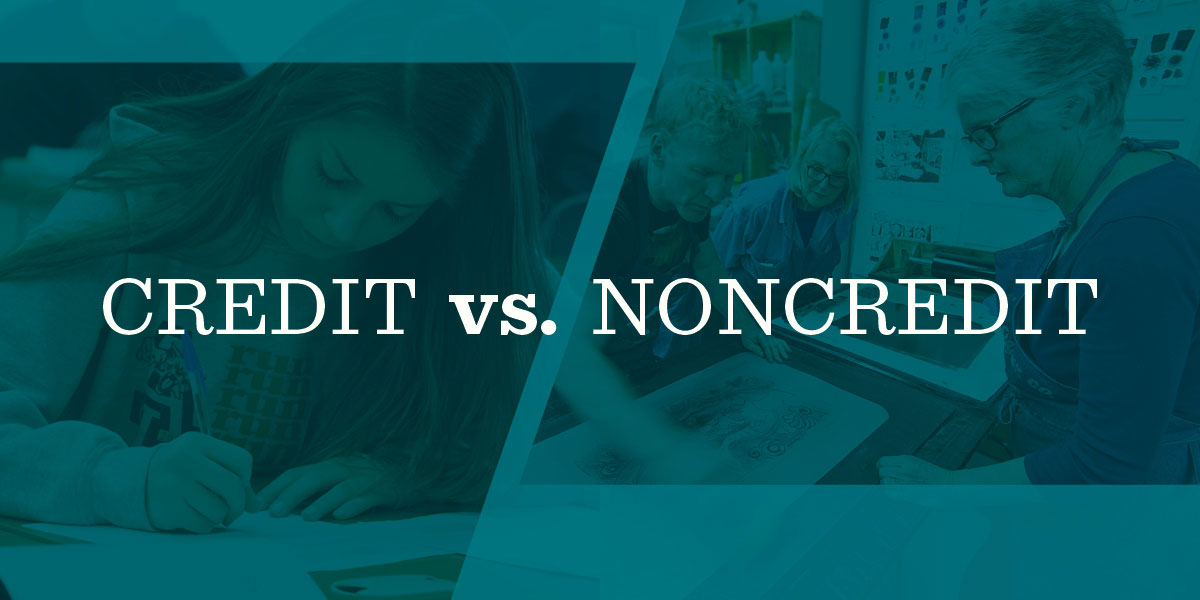
Noncredit courses are educational programs offered by universities, community colleges, and online platforms that do not award academic credit toward a degree. Unlike traditional credit-bearing courses, these offerings are designed for short-term outcomes. They focus on practical, actionable knowledge rather than the theoretical foundations required for a diploma.
Why They Exist
The primary purpose of noncredit education is professional enrichment and personal growth. In the corporate landscape, the half-life of a professional skill is now less than five years. Traditional academic institutions are often too slow to update their four-year curricula to keep pace with rapid technological advancements. Noncredit programs act as a rapid-response system, allowing institutions to launch courses in weeks rather than years, ensuring that students can learn high-demand skills the moment they become relevant.
Target Audiences
These programs cater to three distinct groups:
- The Career Changer: Individuals looking to switch industries who need to gain foundational knowledge in a new field without the time or financial commitment of a new degree.
- The Upskiller: Professionals already established in their roles who need to acquire a niche certification or learn a new tool to secure a promotion or salary increase.
- The Lifelong Learner: Individuals pursuing interests in areas like financial management, creative arts, or niche technologies for personal fulfillment rather than career advancement.
The Financial Value of Noncredit Learning
From a financial perspective, noncredit courses are an investment in “human capital.” Because the goal is often to increase your earning potential or improve your management of personal wealth, these courses should be analyzed through the lens of return on investment (ROI). Unlike a multi-year degree that incurs significant debt, noncredit courses are usually priced as modular, affordable units.
Cost-Efficiency and Direct ROI
When you enroll in a noncredit course, you are typically paying for specific, high-yield information. For instance, a course focused on advanced Excel modeling or Python for financial analysis can lead to an immediate improvement in your ability to land a high-paying freelance gig or secure a raise. The barrier to entry is low, and the timeline to ROI is short. By spending a few hundred dollars on a certificate that signals competence to an employer, you are leveraging a low-cost asset to increase your professional market value.
Avoiding “Credential Inflation”
A major challenge in today’s job market is credential inflation—the phenomenon where employers require degrees for jobs that do not actually demand them. Noncredit certifications offer a strategic counter-move. By building a portfolio of specialized, noncredit badges or certificates, you can demonstrate technical proficiency that a generic degree might not highlight. This allows you to stand out to recruiters while avoiding the massive opportunity cost and student loan interest associated with traditional degree programs.

Strategic Professional Development and Skill Acquisition
To derive the most value from noncredit education, one must adopt a strategic approach to curriculum selection. It is not enough to simply take courses; you must curate a path that aligns with your long-term career and financial goals.
Identifying Market-Driven Skills
When navigating the landscape of noncredit courses, prioritize programs that carry “industry recognition.” A course provided by a major software corporation (such as Google or Microsoft) or an accredited trade organization holds more weight on a resume than an unverified certificate. Focus on the following high-growth areas:
- Data Analytics: Understanding how to interpret business data to make informed financial decisions.
- Project Management: Gaining certifications like the PMP (Project Management Professional) or Agile methodologies.
- Digital Literacy: Mastering tools that streamline business operations and improve workflow efficiency.
Integrating Continuous Learning into Your Lifestyle
The “gig economy” requires a mindset of continuous improvement. Many professionals now dedicate a fixed portion of their annual income to “personal development” in the same way they would allocate funds for a diversified portfolio. By setting aside time and money for noncredit courses twice a year, you ensure that your skillset remains relevant, thereby insulating your career against automation and industry shifts.
Future Trends in Noncredit Education
The digital transformation of education has fundamentally changed how we perceive noncredit learning. We are moving toward a “micro-credentialing” future, where a series of short, noncredit courses are aggregated to represent a comprehensive body of knowledge, often verified through blockchain-based digital badges.
The Rise of Micro-credentials
Micro-credentials serve as a transparent, portable record of your professional achievements. As this system matures, platforms are beginning to integrate these badges directly with professional networking sites. This visibility allows employers to verify your skills instantly, creating a more efficient marketplace for talent. For the individual, this means your educational history is no longer trapped behind the walls of a university registrar; it is a live, verifiable asset that grows as you complete new courses.
Institutional Shifts
Major universities are increasingly unbundling their curricula. Where they once only offered expensive degree paths, they are now offering “noncredit pathways” that feed into degree programs. This modular approach allows you to “try before you buy,” taking a series of noncredit courses in a field like Fintech or Data Science to determine if a full degree or a career pivot is the right financial move for you.

Conclusion
Noncredit courses are no longer the “second-tier” alternative to formal education. In the current economic climate, they are a primary tool for navigating a fast-paced professional world. By focusing on targeted skill acquisition, managing your educational budget as a strategic investment, and curating a portfolio of industry-recognized micro-credentials, you position yourself to thrive in an environment that prioritizes what you can do over where you learned to do it. Whether you are aiming to increase your primary income or seeking the knowledge necessary to manage your personal finances more effectively, noncredit education provides the agility required to stay ahead of the curve. Choose your path wisely, stack your credentials, and maintain a consistent commitment to learning; in a world of constant change, your knowledge remains the only asset that consistently appreciates in value.
aViewFromTheCave is a participant in the Amazon Services LLC Associates Program, an affiliate advertising program designed to provide a means for sites to earn advertising fees by advertising and linking to Amazon.com. Amazon, the Amazon logo, AmazonSupply, and the AmazonSupply logo are trademarks of Amazon.com, Inc. or its affiliates. As an Amazon Associate we earn affiliate commissions from qualifying purchases.