
The garage door opener, once a mere convenience, has evolved into a sophisticated component of the modern smart home ecosystem. LiftMaster, a dominant name in this sector, offers a range of openers that blend robust mechanics with cutting-edge technology, from internet connectivity to advanced security features. Given this technological advancement, the question of “who installs LiftMaster garage door openers” is no longer just about physical labor; it’s about integrating complex systems, ensuring optimal performance, and maximizing the smart capabilities these devices offer. This article delves into the technical considerations of installing these crucial home automation devices, exploring the expertise required and the implications for homeowners seeking seamless, secure, and smart garage access.
Understanding the Modern Garage Door Opener: Beyond Simple Mechanics
Gone are the days when a garage door opener was just a motor and a chain. Today’s LiftMaster systems are engineering marvels, incorporating advanced sensors, sophisticated control boards, and wireless communication protocols. Understanding these technological underpinnings is crucial for anyone involved in their installation.
The Technological Leap: From Basic Functionality to Smart Integration
Modern LiftMaster openers are not just about opening and closing a heavy door; they are pivotal hubs for garage security and smart home connectivity. Key technological features include:
-
MyQ Technology: This proprietary LiftMaster platform allows users to monitor and control their garage door from anywhere using a smartphone app. It integrates with other smart home platforms like Google Assistant and IFTTT, transforming the garage into a truly connected space. Installation involves configuring Wi-Fi connections, app pairing, and potentially integrating with existing smart home hubs, which requires a nuanced understanding of network protocols and software setup.
-
Advanced Safety Features: Contemporary openers include sophisticated safety sensors that project an invisible light beam across the garage door opening. If the beam is broken while the door is closing, it automatically reverses. Other features include auto-reversal mechanisms when the door encounters an obstruction, and rolling code technology for enhanced security against code grabbers. Proper installation of these sensors, including precise alignment and wiring, is paramount for preventing accidents and ensuring compliance with safety standards.
-
Battery Backup Systems: Many LiftMaster models come with battery backup, ensuring continued operation during power outages. Integrating these systems requires specific electrical knowledge to connect the battery unit correctly and ensure it’s charged and ready for use.
-
Quiet Operation Technologies: Belt-drive systems and DC motors contribute to significantly quieter operation compared to older chain-drive models. While this primarily impacts user experience, the precision required in mounting and tensioning these systems during installation can be more demanding to achieve optimal quietness and longevity.
The installation of such a technically rich device is far from a simple bolt-on job. It requires a blend of mechanical aptitude, electrical knowledge, and an understanding of networking and smart home ecosystems.
Essential Components and Their Technical Demands
A typical LiftMaster installation involves several critical components, each with its own technical requirements:
-
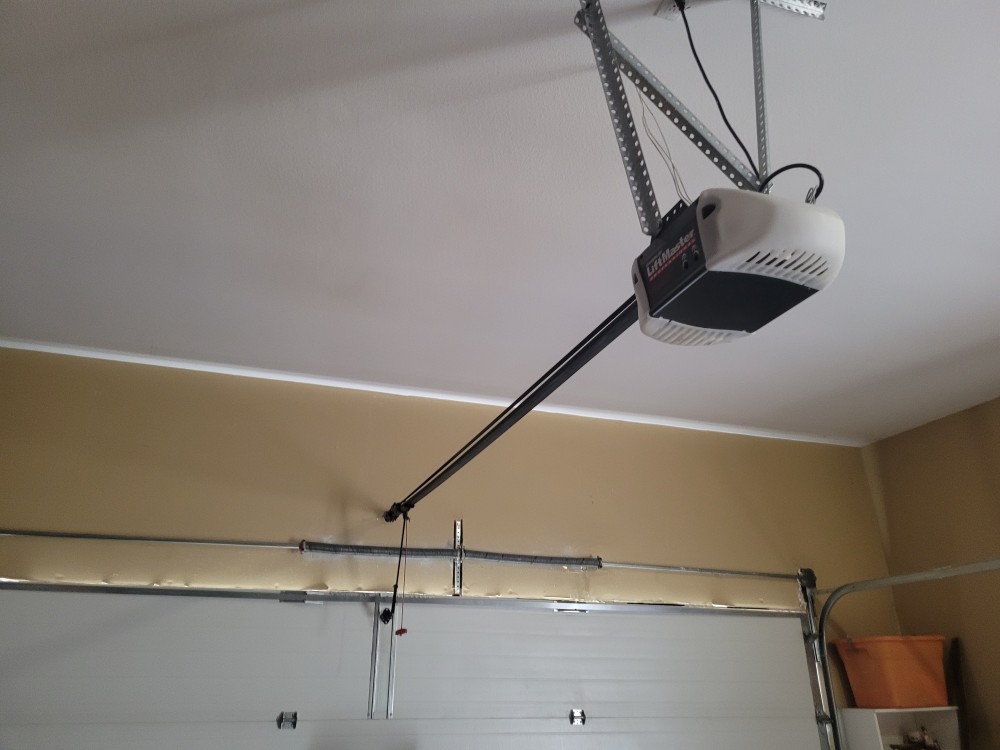
The Motor Head Unit: This central unit houses the motor, control board, and often the Wi-Fi gateway. Mounting it securely to the garage ceiling, ensuring it’s centered and level, is fundamental. Incorrect mounting can lead to excessive vibration, premature wear, and operational issues.
-
The Rail and Drive System: Whether it’s a chain, belt, or screw drive, the rail must be assembled precisely and connected firmly to the motor head and the door header. Proper tensioning of the chain or belt is vital for smooth, quiet operation and to prevent slippage or excessive wear.
-
Safety Sensors: These infrared sensors must be mounted 6 inches above the garage floor and perfectly aligned. Misalignment, even by a few degrees, will prevent the door from closing. Wiring these sensors back to the motor head requires attention to detail to ensure correct polarity and secure connections.
-
Wall Control Panel: This provides convenient access to the opener’s functions from inside the garage. Wiring it through the wall and connecting it to the motor head correctly is essential. Many modern wall panels also feature motion sensors and temperature displays, adding to their complexity.
-
Limit Switches and Force Settings: These crucial adjustments determine how far the door opens and closes, and how much force it applies. Incorrect settings can cause the door to overtravel, put undue strain on the motor, or fail to reverse if it encounters an obstruction, posing significant safety risks. Calibrating these settings often requires a methodical approach and understanding of the specific model’s programming interface.
Each of these components demands a precise, methodical installation approach, highlighting why professional expertise is often the preferred route.
The DIY vs. Professional Installation Conundrum: Technicalities and Time
Deciding whether to tackle a LiftMaster garage door opener installation yourself or hire a professional largely hinges on your technical aptitude, available time, and willingness to navigate complex instructions and potential safety hazards.
The Allure and Pitfalls of DIY Installation
For tech-savvy homeowners, the idea of a DIY installation can be appealing. Modern LiftMaster kits often come with comprehensive manuals and online video tutorials, seemingly simplifying the process.
-
Technical Skills Required: A successful DIY installation demands more than just basic handyperson skills. You’ll need familiarity with electrical wiring (including identifying live circuits and making secure connections), proficiency with power tools (drills, wrenches, saws), and a good grasp of mechanical assembly. Understanding how to properly tension springs (a critical and dangerous step if mishandled with existing door systems, though new openers typically work with existing springs which are usually adjusted by spring specialists) and precisely align sensors is paramount.
-
Time Commitment: While a professional might complete an installation in 2-4 hours, a DIY project can easily stretch over a full weekend, especially for first-timers encountering unexpected issues like misaligned tracks, tricky wiring, or programming difficulties. The learning curve for understanding complex instructions and troubleshooting can be steep.
-
Safety Risks: This is arguably the most significant pitfall. Garage doors themselves are heavy and operate under extreme tension from torsion or extension springs. While the opener installation primarily focuses on the motor and rail system, working around these powerful springs or attempting to rebalance the door without proper training can lead to severe injury. Incorrect electrical wiring poses shock and fire hazards. Additionally, improperly installed safety features can fail, leading to accidents.
-
Warranty Implications: While many manufacturers permit DIY installation, improper installation that leads to damage or malfunction might void certain warranty claims. It’s crucial to review LiftMaster’s specific warranty terms carefully.
The Value Proposition of Professional Installation
Hiring a professional installer, typically an authorized LiftMaster dealer or a qualified garage door technician, offers numerous advantages, primarily centered around expertise, efficiency, and safety.
-
Expertise and Experience: Professional installers possess specialized knowledge of LiftMaster products, having installed countless units. They understand the nuances of different models, common installation challenges, and optimal calibration techniques. Their experience allows them to quickly diagnose and resolve unforeseen issues that might stump a DIYer.
-
Efficiency and Convenience: Professionals bring all the necessary tools and expertise, completing the installation quickly and correctly the first time. This saves the homeowner valuable time and eliminates the frustration of navigating complex manuals or troubleshooting unexpected problems.
-
Safety Assurance: This is perhaps the most critical benefit. Professionals are trained in safe installation practices, particularly concerning the high-tension springs of the garage door itself and proper electrical connections. They ensure all safety features are correctly installed and calibrated, significantly reducing the risk of accidents.
-
Seamless Smart Home Integration: For homeowners looking to fully leverage MyQ technology and integrate their opener into a broader smart home ecosystem, a professional can ensure seamless setup. They can troubleshoot network issues, configure app settings, and often provide guidance on integrating with other smart devices, maximizing the utility of the technology.
-
Post-Installation Support and Warranty: Reputable professional installers often offer a warranty on their labor in addition to the manufacturer’s product warranty. They are also available for follow-up service, maintenance, or troubleshooting, providing peace of mind.
Ultimately, the choice between DIY and professional installation boils down to a risk-benefit analysis. For those prioritizing safety, efficiency, and seamless technological integration, a professional installer represents a sound investment.
Navigating Professional Installation Services: What to Look For
When opting for professional installation, selecting the right service provider is crucial to ensure a technically sound and reliable setup. Not all installers are created equal, particularly when dealing with advanced smart home technology.
Identifying Qualified Technicians and Authorized Dealers
The best installers for LiftMaster products are typically those with specific certifications and affiliations.
-
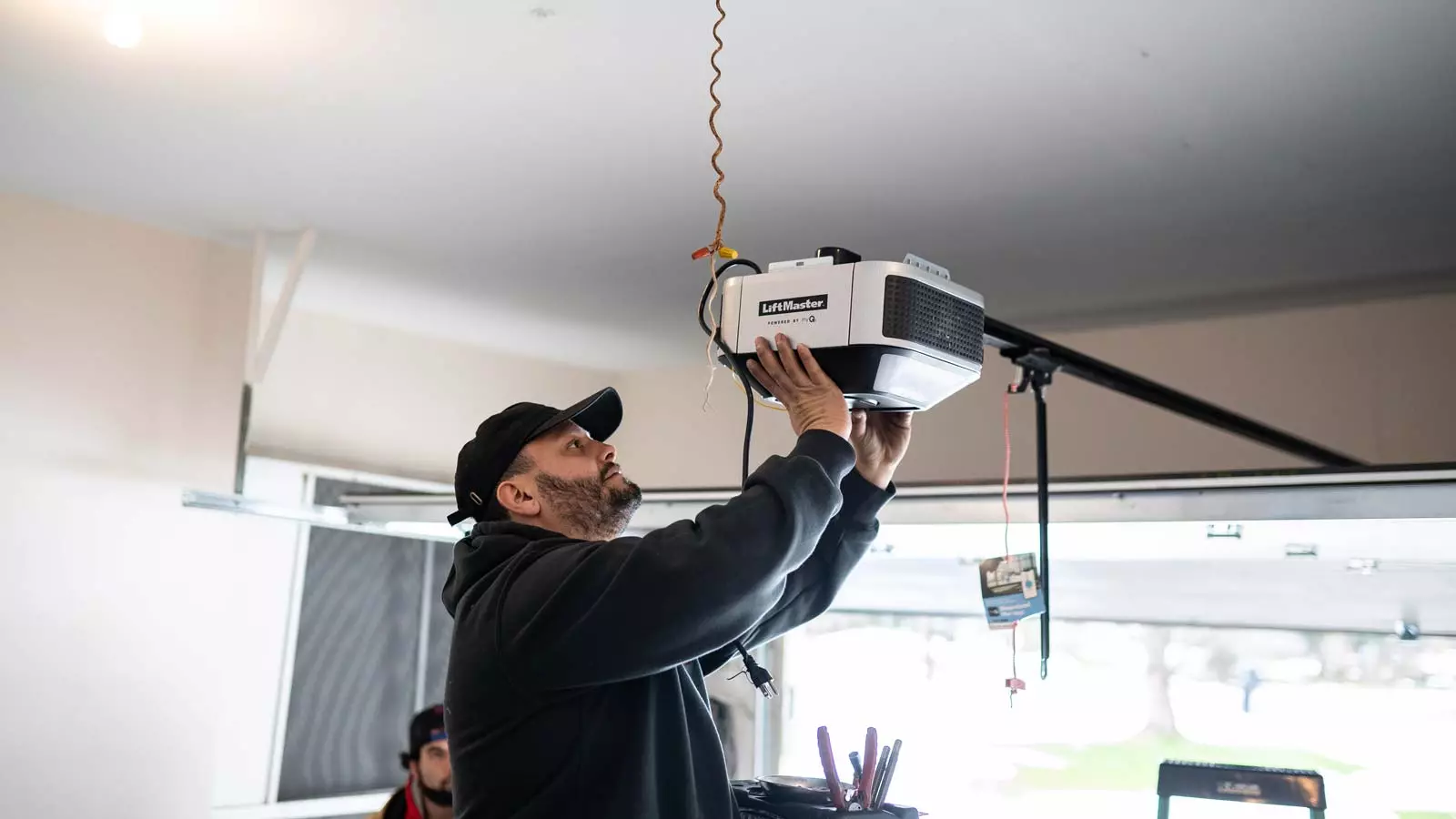
Authorized LiftMaster Dealers: These companies specialize in LiftMaster products, often having direct training from the manufacturer. They have in-depth knowledge of the entire product line, access to genuine parts, and stay updated on the latest technological advancements and installation best practices. This ensures compatibility, optimal performance, and adherence to manufacturer guidelines.
-
Certified Garage Door Technicians: Look for technicians certified by industry organizations such as the International Door Association (IDA). These certifications indicate a broad understanding of garage door systems, safety standards, and proper installation techniques, regardless of brand.
-
Experienced Smart Home Integrators: If your primary goal is robust smart home integration beyond basic MyQ functionality, consider a technician with experience in broader smart home ecosystems. They can advise on compatibility with specific voice assistants, security systems, or home automation platforms.
When contacting potential installers, inquire about their specific experience with LiftMaster models, their certification status, and their ability to handle smart home integration.
The Scope of Professional Service: Beyond Just Mounting
A comprehensive professional installation service goes beyond merely mounting the motor and connecting wires. It encompasses several critical steps that ensure optimal performance and safety.
-
Pre-Installation Assessment: A good technician will typically assess your existing garage door system, including the door’s balance, spring tension, tracks, and electrical outlets. They’ll ensure the existing door is in good working order or recommend necessary repairs before installing the opener, as a properly balanced door is critical for the opener’s longevity.
-
Precise Mechanical Installation: This includes correctly assembling and mounting the rail, attaching it to the door, securing the motor head, and installing the safety sensors and wall control panel with precision. They ensure all components are level, centered, and securely fastened according to manufacturer specifications.
-
Electrical Wiring and Safety Checks: Professionals ensure all electrical connections are secure, adhere to local electrical codes, and are grounded correctly. They will also verify the functionality of all safety features, including the auto-reversal mechanism and the safety sensors, performing rigorous tests to confirm compliance.
-
Programming and Calibration: This involves setting the upper and lower travel limits, adjusting the force settings, programming remote controls, and integrating the MyQ system with your home Wi-Fi network and smartphone app. They will ensure seamless connectivity and proper operation of all smart features.
-
Demonstration and User Training: A professional installer will walk you through the operation of your new LiftMaster opener, demonstrate its features (including MyQ), and explain basic troubleshooting. They will also provide important safety information and maintenance tips.
-
Debris Removal: A professional service typically includes the removal of old components and packaging debris, leaving your garage clean and functional.
By understanding the comprehensive nature of a professional installation, homeowners can set appropriate expectations and ensure they receive a high-quality, technically sound service that maximizes the value of their LiftMaster investment.
Ensuring Seamless Integration and Long-Term Performance: Post-Installation Considerations
The journey with your LiftMaster garage door opener doesn’t end with installation. To fully leverage its technological capabilities and ensure its longevity, ongoing considerations are vital, especially within the context of a smart home environment.
Leveraging MyQ and Smart Home Ecosystems
Once professionally installed, the true power of a modern LiftMaster opener, particularly those with MyQ technology, comes to life through smart integration.
-
App Configuration and Personalization: The MyQ app allows for a high degree of control and customization. Users can set up alerts for when the garage door opens or closes, schedule automatic closing times, and grant access to family members or service providers. Understanding these features and how to configure them is key to maximizing convenience and security.
-
Integration with Third-Party Platforms: Many LiftMaster openers can integrate with popular smart home platforms like Google Assistant, IFTTT, and even some home security systems. This allows for voice control, creation of complex automation routines (e.g., “close garage door when I leave home”), and unified control through a single smart home interface. Setting up these integrations might require some technical comfort with linked accounts and automation rules.
-
Digital Security Best Practices: As a connected device, the garage door opener becomes part of your home network. It’s crucial to maintain strong Wi-Fi passwords, keep the MyQ app updated, and be aware of potential cybersecurity risks. Monitoring access logs within the MyQ app can provide an extra layer of security.
A technically savvy homeowner or a professional installer can guide you through optimizing these integrations, transforming your garage access from a simple function into an intelligent part of your smart home.
Ongoing Maintenance and Troubleshooting for Tech Durability
Even the most advanced technology requires periodic attention to ensure sustained performance. This is particularly true for a device like a garage door opener that experiences daily mechanical stress.
-
Regular Inspections: Periodically check the safety sensors for obstructions or misalignment. Listen for unusual noises, and inspect the tracks and rollers for wear. Ensure all mounting hardware remains tight. These simple checks can identify potential issues before they escalate.
-
Lubrication and Cleaning: Moving parts like rollers, hinges, and springs benefit from periodic lubrication with a specialized garage door lubricant (never WD-40). Keeping tracks clean and free of debris ensures smooth operation and reduces strain on the opener’s motor.
-
Battery Backup Checks: If your LiftMaster has a battery backup, test it periodically by unplugging the unit and ensuring it operates on battery power. Replace the battery as recommended by the manufacturer, typically every few years.
-
Software Updates: Like any smart device, MyQ-enabled openers may receive firmware updates. Ensure your MyQ app is set to automatically update or check for updates manually to benefit from performance improvements, bug fixes, and enhanced security features.
-
Troubleshooting Common Issues: Familiarize yourself with basic troubleshooting steps, such as checking power supply, resetting the unit, or recalibrating travel limits. LiftMaster provides extensive support resources, including online manuals and FAQs, which can help resolve minor issues without needing a service call. For more complex mechanical or electrical problems, reverting to a professional technician is advisable.
Proactive maintenance not only extends the life of your LiftMaster opener but also ensures its smart features continue to function seamlessly, providing reliable, secure, and convenient access to your home.
The Future of Garage Access: Smart Tech and Installation Demands
The trajectory of garage door technology points towards even greater integration, autonomy, and security, placing evolving demands on both manufacturers and installers. LiftMaster, being at the forefront, will continue to innovate, and understanding these trends helps contextualize future installation requirements.
Emerging Technologies and Advanced Automation
Future LiftMaster openers are likely to feature enhanced intelligence and connectivity.
-
Predictive Maintenance: Sensors could become advanced enough to detect subtle changes in motor performance, spring tension, or component wear, proactively alerting homeowners or service providers to potential issues before a breakdown occurs. This would shift installation focus toward calibrating these predictive analytics systems.
-
Enhanced Security with AI: Integrating AI could allow openers to differentiate between authorized users and potential intruders through facial recognition or advanced pattern analysis of vehicle movements. Installation might involve calibrating sophisticated cameras and AI algorithms.
-
Seamless Energy Management: As homes become smarter and more energy-efficient, garage door openers could integrate with home energy management systems, optimizing operation during off-peak hours or contributing to overall home climate control through better insulation monitoring.
-
Augmented Reality (AR) for Installation and Maintenance: AR tools could guide both DIYers and professionals through complex installation steps or maintenance procedures, overlaying digital instructions onto the physical environment. This could democratize some aspects of installation while enhancing precision.
These advancements underscore a future where installation will be less about brute force and more about precision engineering, software configuration, and network integration.
The Evolving Role of the Professional Installer
As garage door openers become more technically sophisticated, the role of the professional installer will also evolve.
-
Becoming Smart Home Architects: Installers will increasingly need to be experts not just in garage door mechanics, but in home networking, cybersecurity, and broader smart home automation platforms. They will act as consultants, advising homeowners on how best to integrate their garage into a larger connected ecosystem.
-
Continuous Training and Certification: Staying abreast of new technologies, programming interfaces, and security protocols will require ongoing education and specialized certifications. Manufacturers like LiftMaster will likely invest more in training programs for their authorized dealers.
-
Diagnostics and Software Management: Future technicians will rely heavily on digital diagnostic tools to troubleshoot issues, perform remote updates, and manage software configurations, making their skillset more akin to IT professionals.
-
Focus on Ecosystem Integration: The value a professional brings will increasingly be tied to their ability to ensure all smart devices within a home, including the garage door opener, communicate seamlessly and securely, creating a truly intelligent living space.
In conclusion, while the question “who installs LiftMaster garage door openers” might seem straightforward, the answer reflects the rapid technological evolution of these devices. From DIY enthusiasts with a strong technical bent to highly specialized professional technicians, the installer plays a pivotal role in ensuring these sophisticated pieces of technology are not just functional, but fully integrated, secure, and optimized for the modern smart home. As LiftMaster continues to push the boundaries of garage access technology, the demand for precise, informed, and expert installation will only grow, underscoring the critical intersection of mechanics, electronics, and smart home intelligence.
aViewFromTheCave is a participant in the Amazon Services LLC Associates Program, an affiliate advertising program designed to provide a means for sites to earn advertising fees by advertising and linking to Amazon.com. Amazon, the Amazon logo, AmazonSupply, and the AmazonSupply logo are trademarks of Amazon.com, Inc. or its affiliates. As an Amazon Associate we earn affiliate commissions from qualifying purchases.