
In an era defined by constant connectivity and personalized experiences, the car stereo has evolved far beyond a simple radio. It’s the nerve center of your in-car entertainment, navigation, and increasingly, an interface for vehicle diagnostics and smartphone integration. For many, a premium audio experience is non-negotiable, transforming daily commutes and long road trips into genuinely enjoyable journeys. However, upgrading or replacing a car stereo is often a complex task that goes far beyond simply plugging in a new device. Modern vehicles integrate their audio systems deeply with other onboard electronics, making professional installation a wise, often essential, investment.
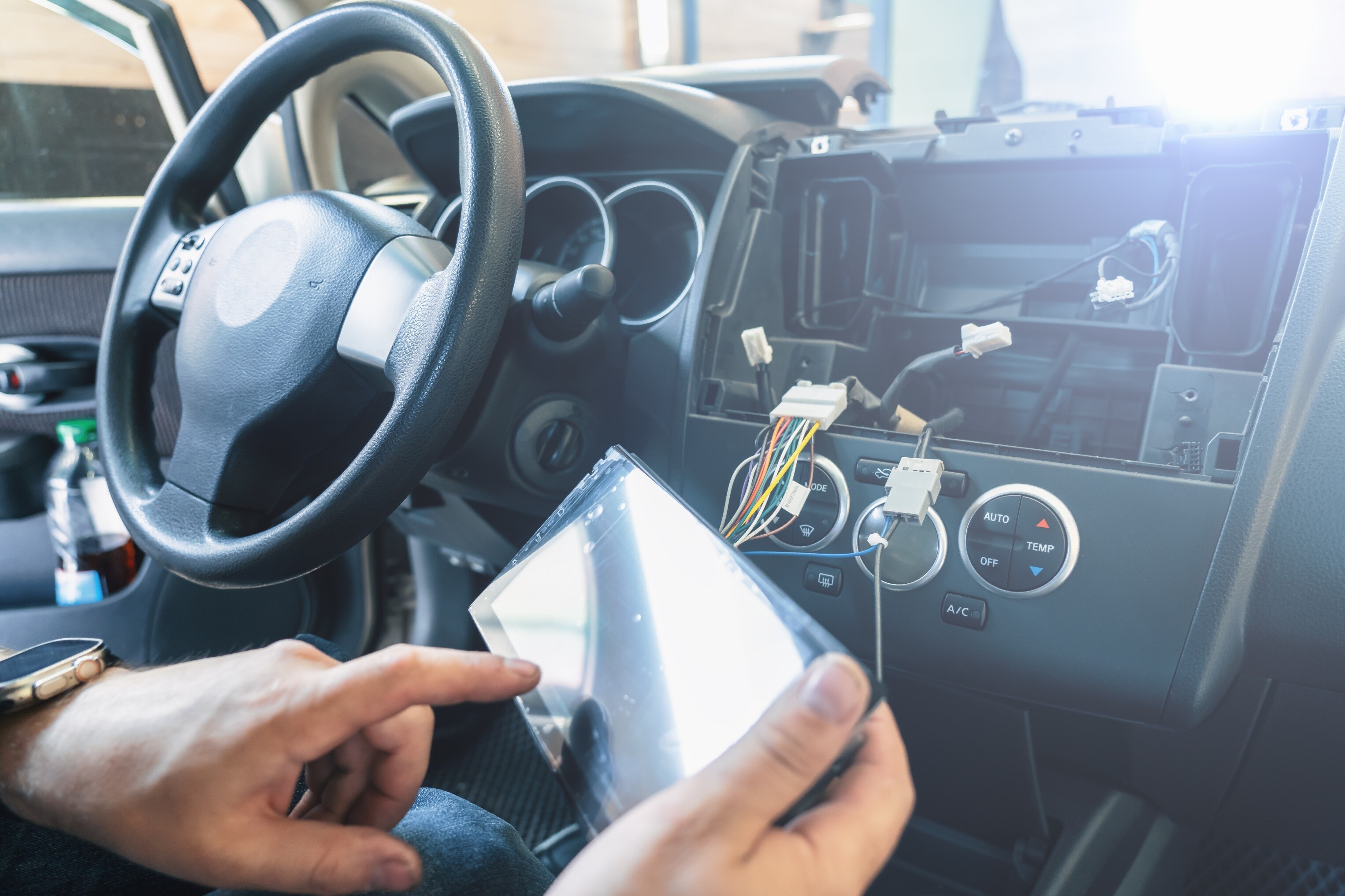
This guide delves into the various avenues available for getting your car stereo professionally installed, exploring the unique advantages and considerations each option presents. From specialized shops to mobile services, understanding these choices will empower you to make an informed decision, ensuring your new audio system performs optimally, integrates seamlessly, and stands the test of time.
Professional Car Audio Specialists: The Gold Standard for High Fidelity
When it comes to achieving the absolute best sound quality, seamless integration, and advanced system capabilities, dedicated car audio specialists are unequivocally the top choice. These shops live and breathe car audio, offering an unparalleled level of expertise and service that often goes beyond basic head unit swaps.
Expertise and Experience Beyond the Basics
Car audio specialists employ technicians who possess deep, specialized knowledge of vehicle electrical systems, acoustics, and the intricate world of aftermarket audio components. Their training often includes certifications like MECP (Mobile Electronics Certified Professional), signifying a high standard of technical proficiency. They understand the nuances of signal processing, amplifier tuning, speaker placement for optimal sound staging, and how to troubleshoot complex electrical issues. This expertise is crucial for modern vehicles, where integrating a new stereo might involve working with CAN-Bus systems, fiber optics, or sophisticated infotainment frameworks that control everything from climate to safety features. They’re not just installers; they’re system designers and audio engineers for your vehicle.
Access to Advanced Tools and Equipment
Professional car audio shops are equipped with a comprehensive arsenal of specialized tools that average installers or DIY enthusiasts simply don’t have. This includes precision trim removal tools to prevent damage to your vehicle’s interior, advanced soldering stations for robust electrical connections, multi-meters and oscilloscopes for detailed electrical diagnostics, and sophisticated acoustic analysis software and microphones to tune your system for optimal sound performance within the unique confines of your car’s cabin. They can perform real-time analyzer (RTA) measurements to identify acoustic anomalies and apply digital sound processing (DSP) corrections to achieve a perfectly balanced and immersive audio experience.
Comprehensive Warranty and After-Sales Support
A significant advantage of choosing a professional car audio specialist is the peace of mind that comes with their warranties. Most reputable shops offer guarantees on their installation work, covering labor and potentially product defects for a specified period. This means if an issue arises with your new stereo system that’s related to the installation, you can return to the shop for rectification without additional cost. Beyond warranties, these specialists often provide excellent after-sales support, offering guidance on system operation, tuning adjustments, and troubleshooting, ensuring you maximize the potential of your investment for years to come.
Customization and System Design Capabilities
For enthusiasts looking to build a truly bespoke audio system, car audio specialists are indispensable. They excel at designing complete, integrated systems that go beyond merely replacing a head unit. This can include integrating multiple amplifiers, subwoofers, custom speaker enclosures, sound deadening solutions, and even intricate custom fabrication work to seamlessly blend aftermarket components into your vehicle’s interior. They can tailor the system to your specific musical tastes, driving habits, and vehicle acoustics, creating an unparalleled auditory environment that is uniquely yours.
Big Box Electronics Retailers: Convenience and Accessibility
For many consumers, big box electronics retailers like Best Buy (with its Geek Squad Auto Techs) offer a convenient and accessible option for car stereo installation. These chains provide a standardized service model that appeals to a wide demographic seeking straightforward upgrades.
Advantages of Major Chains
The primary draws of big box retailers are their widespread presence, competitive pricing, and the convenience of a one-stop-shop experience where you can purchase your stereo and have it installed immediately. They often run promotions and bundle deals, making them an attractive option for budget-conscious consumers. Their installation services are typically streamlined, making the process efficient for common upgrades such as head unit replacements or speaker swaps.
Service Offerings and Limitations
Big box retailers are generally proficient in basic to intermediate installations. This includes swapping out factory head units for aftermarket alternatives, upgrading speakers, and installing standalone amplifiers or subwoofers. Their technicians are trained on a broad range of vehicles and common installation scenarios. However, they may have limitations when it comes to highly customized setups, complex system integrations (like factory camera retention or advanced steering wheel control programming for obscure vehicles), or intricate diagnostic work that requires specialized expertise in vehicle-specific electronics beyond the audio system. They typically follow standard operating procedures, which might not always accommodate highly unique or challenging installation requirements.
Installer Training and Consistency
The quality and consistency of installation services at big box retailers can vary. While many employ competent and certified technicians, the level of specialized expertise might not always match that of a dedicated car audio shop. Training programs are often standardized across many departments, meaning car audio installers might have a broader but less deep focus compared to specialists. It’s always advisable to inquire about the specific installer’s experience and certifications at your chosen location and to check online reviews for that particular store.
Dealerships and Independent Automotive Shops: General Service Providers
While primarily focused on vehicle maintenance and repair, some dealerships and independent automotive shops also offer car stereo installation services. Their suitability depends largely on the complexity of the installation and their specific in-house capabilities.
Dealership Advantages for New Vehicles
Dealerships often excel when it comes to maintaining vehicle warranties and integrating manufacturer-approved accessories. If you’re looking for a factory-backed upgrade or an infotainment system that’s part of an official accessory line, the dealership might be a good choice. Their technicians are intimately familiar with specific vehicle models, their wiring diagrams, and OEM protocols. This can be particularly beneficial for newer vehicles where deep integration with the vehicle’s existing electronics is paramount to avoid warranty voidance or system conflicts. However, their aftermarket offerings are usually limited to specific brands or pre-approved systems, and they rarely provide the same level of custom audio expertise as dedicated specialists.
Independent Auto Shops: A Mixed Bag
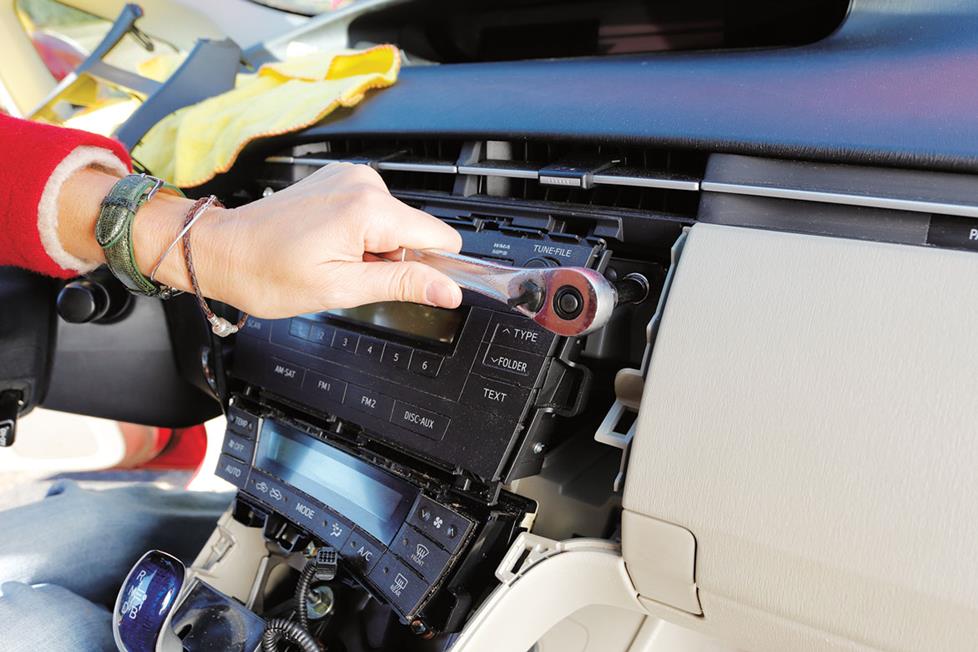
Independent mechanics are a diverse group. Some may have staff with adequate experience in basic stereo installations, especially for older vehicles where the integration challenges are minimal. Others may lack the specialized tools, knowledge, or focus required for modern car audio systems. Their primary expertise lies in mechanical and general electrical repairs, not necessarily high-fidelity audio system design or complex integration. If considering an independent shop, it’s crucial to thoroughly vet their experience specifically with car audio installations, ask for examples of their work, and ensure they understand the intricacies of your desired upgrade. Always prioritize shops that explicitly advertise and specialize in vehicle electronics or accessory installations.
Focus on Integration vs. Performance
The key difference when using general automotive shops is often their focus. Dealerships and most independent mechanics will prioritize ensuring the system integrates functionally with the car’s existing systems and doesn’t cause any electrical issues. Their goal is typically reliable operation. Dedicated car audio specialists, on the other hand, prioritize both seamless integration and acoustic performance, aiming to extract the best possible sound quality from your chosen components, often involving extensive tuning and optimization.
Mobile Installation Services: Convenience at Your Doorstep
For those with demanding schedules or specific accessibility needs, mobile car stereo installation services offer an unparalleled level of convenience by bringing the installation process directly to your home or workplace.
The On-Demand Advantage
The most obvious benefit of mobile installation is the convenience. You don’t have to take time out of your day to drop off and pick up your vehicle from a shop. The technician comes to your chosen location, saving you travel time and minimizing disruption to your routine. This can be particularly appealing for simple installations or if you live in a rural area far from traditional installation shops.
Equipment and Environment Considerations
While highly convenient, mobile services do operate under different constraints than a dedicated shop. Installers travel with a comprehensive set of tools, but they might not have access to every specialized piece of equipment found in a fixed location. Environmental factors like weather, available space, and power access at your location can also influence the complexity and efficiency of the installation. For highly intricate installations requiring specialized calibration equipment, temperature-controlled environments, or extensive fabrication, a shop setting might still be preferable. It’s essential to discuss the scope of work and your specific needs with the mobile installer beforehand to ensure they can adequately accommodate the job on-site.
Scope of Work and Complexity
Mobile installers are generally well-suited for straightforward tasks like head unit replacements, basic speaker upgrades, or amplifier installations. Many can also handle more complex tasks, but it’s important to clarify the specifics. For instance, installations that require extensive wiring runs, custom enclosure building, or detailed acoustic tuning with an RTA might be better performed in a dedicated shop environment where consistent power, lighting, and specialized tools are always at hand. Always discuss your specific project with a mobile installer to determine if it’s within their capabilities for an on-site service, and ensure they are adequately insured for working on your vehicle at your location.
Considerations Before You Choose: Ensuring a Quality Installation
Regardless of where you decide to get your car stereo installed, a few critical steps will help ensure a successful outcome and protect your investment. A quality installation is paramount not just for sound performance but also for the electrical integrity and safety of your vehicle.
Research and Reviews are Key
Before committing to any installer, conduct thorough research. Check online reviews on platforms like Google, Yelp, or dedicated automotive forums. Look for consistent positive feedback regarding their technical skill, customer service, and problem-solving abilities. Pay attention to how they handle negative reviews, as this can be indicative of their commitment to customer satisfaction. Ask for references or a portfolio of their previous work, especially if you’re planning a custom or high-end system.
Inquire About Certifications and Experience
A certified installer offers an added layer of assurance. Look for certifications such as MECP (Mobile Electronics Certified Professional), which demonstrates a standardized level of knowledge and skill in mobile electronics installation. Don’t hesitate to ask about the installer’s specific experience with your vehicle make and model, and with the type of components you plan to install. An experienced installer will be familiar with common challenges and best practices for your specific setup.
Obtain a Detailed, Written Quote
Always get a detailed written quote before any work begins. This quote should clearly itemize all costs, including parts (stereo, speakers, amplifier, wiring kits, dash kits, wiring harnesses, antenna adapters, steering wheel control interfaces), labor, and any additional services like sound deadening or custom fabrication. Understand what’s included and what might be extra. A reputable installer will be transparent about pricing and will explain any potential unforeseen costs that might arise during the installation. Be wary of installers who offer significantly lower prices without clear explanations, as this might indicate hidden costs or shortcuts in material or labor quality.
Clarify Warranty and After-Sales Support Policies
Understand the warranty terms for both the products you purchase and the installation labor itself. How long is the installation guaranteed? What does the warranty cover? What is the process for making a claim if an issue arises? Additionally, inquire about their after-sales support. Will they be available to answer questions, make minor adjustments, or troubleshoot issues after the installation is complete? Knowing these details upfront will provide peace of mind and clarify your recourse should problems occur.
Understand Vehicle Compatibility and Integration Challenges
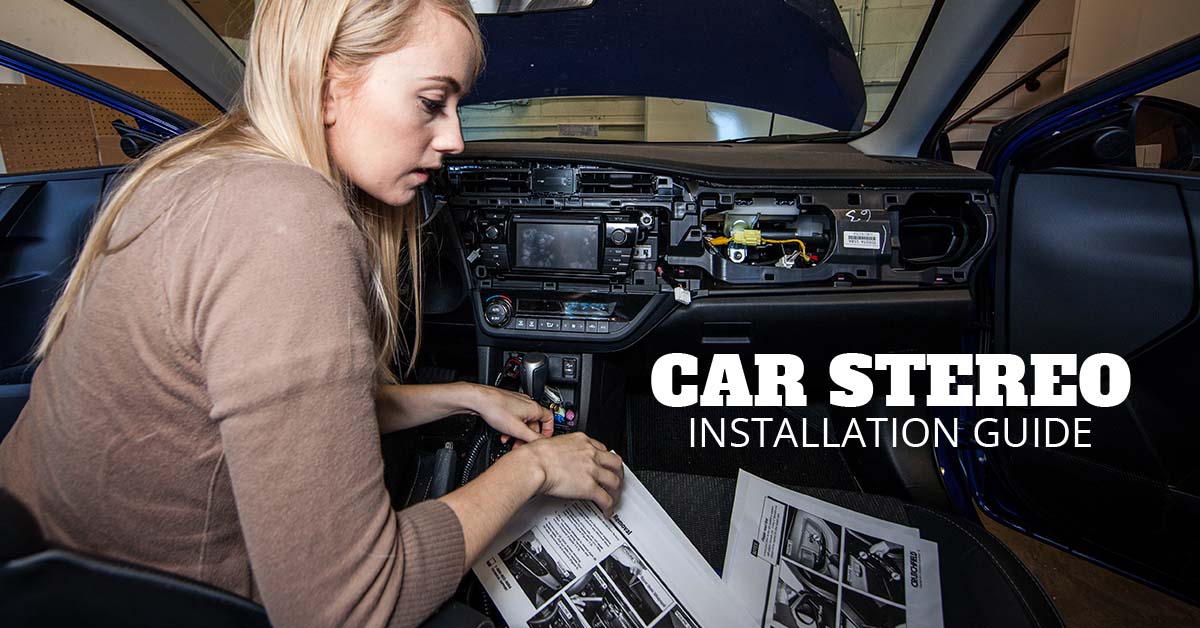
Modern vehicles present unique challenges for aftermarket stereo installations due to their highly integrated electronic systems (e.g., CAN-Bus networks). Swapping a factory head unit might mean losing functionality for steering wheel controls, factory backup cameras, parking sensors, or even climate control systems that are routed through the original display. A professional installer will have the knowledge and specific interface modules (like iDatalink Maestro or Axxess interfaces) to retain these crucial factory features. Discuss these compatibility challenges extensively with your installer to ensure all desired features are preserved and integrated seamlessly.
The choice of where to get your car stereo installed fundamentally impacts the performance, reliability, and longevity of your new system. While DIY options exist, the increasing complexity of modern vehicle electronics makes professional installation an almost indispensable service for optimal results. By carefully considering the expertise, resources, and services offered by different installation avenues, and by asking the right questions, you can ensure your vehicle’s audio upgrade is a resounding success, transforming your driving experience with superior sound and seamless technology integration.
aViewFromTheCave is a participant in the Amazon Services LLC Associates Program, an affiliate advertising program designed to provide a means for sites to earn advertising fees by advertising and linking to Amazon.com. Amazon, the Amazon logo, AmazonSupply, and the AmazonSupply logo are trademarks of Amazon.com, Inc. or its affiliates. As an Amazon Associate we earn affiliate commissions from qualifying purchases.