
A dead car battery is more than just an inconvenience; it’s an unexpected financial event that can disrupt your budget and daily life. For many car owners, the immediate thought is “where can I get this fixed?”, but underneath that practical question lies a critical personal finance decision. Understanding your options for battery replacement and installation from a monetary perspective can save you significant time, stress, and money in the long run. This guide delves into the financial implications of car battery replacement, helping you make informed decisions that align with your personal finance goals.
Understanding the Financial Impact of Car Battery Replacement
The sudden failure of a car battery often triggers a ripple effect on your personal finances. It’s rarely a planned expense, highlighting the importance of robust financial planning for vehicle ownership.
The Unexpected Expense: Budgeting for Auto Maintenance
Car ownership is a significant financial commitment, and routine maintenance is a non-negotiable part of it. However, many budgets often overlook the unexpected. A car battery typically lasts between three to five years, but factors like climate, driving habits, and electronic demands can shorten its lifespan. When a battery fails, it immediately becomes an unplanned expense, ranging anywhere from $100 to $300 or more for the battery itself, plus installation costs.
For individuals without an emergency fund or a dedicated car maintenance budget, this can lead to difficult choices, potentially forcing them to dip into savings allocated for other purposes, or worse, rely on high-interest credit options. Proactive budgeting that includes a buffer for unexpected auto repairs can mitigate this stress. Consider setting aside a small amount monthly into a separate savings account specifically for vehicle maintenance and emergencies. This strategy transforms an unexpected crisis into a manageable expense, preventing it from derailing your broader financial objectives.
Cost Components: Battery Price vs. Installation Labor
When you’re looking to replace a car battery, it’s crucial to understand that you’re paying for two distinct components: the battery itself and the labor involved in its installation. The battery price varies significantly based on its type (e.g., standard lead-acid, AGM, EFB, or even lithium-ion for some hybrids), brand, cold cranking amps (CCA), and warranty period. Higher-quality batteries with longer warranties generally come with a higher upfront cost but can offer better long-term value due to increased durability and peace of mind.
Installation labor costs are another variable. Some simple battery replacements can be quick and straightforward, while others, particularly in modern vehicles with complex electronics or hard-to-reach battery compartments, can be more time-consuming and thus more expensive. Specialized vehicles, such as those with start-stop technology or hybrid systems, often require specific tools and expertise for battery replacement, increasing labor costs further. When comparing options, always ask for a detailed breakdown of the total cost, separating the battery unit price from the installation labor, and inquire about any additional fees for battery testing, terminal cleaning, or programming (which some modern cars require). This transparency allows for a more accurate comparison of service providers.
The Hidden Costs of Procrastination: Towing and Inconvenience
Delaying battery replacement, especially when signs of weakness appear, can lead to significant hidden costs. The most immediate and often expensive hidden cost is towing. If your battery dies far from home or at an inconvenient location, you’ll incur towing fees, which can quickly add $50 to $200 or more to your total expense. These fees often outweigh the cost of proactive replacement.
Beyond direct financial outlays, there are significant costs associated with inconvenience. A dead battery can cause you to miss work, important appointments, or disrupt travel plans, leading to lost income or opportunities. The stress and frustration of being stranded, coupled with the time spent arranging a tow or finding a jump start, also represent a non-monetary cost that impacts your overall well-being. From a financial planning perspective, these hidden costs underscore the value of preventive maintenance and addressing issues before they escalate. Regular battery checks, especially before long trips or during extreme weather, can identify a weakening battery and allow for a planned, less expensive replacement.
Navigating Your Options: Cost-Benefit Analysis of Service Providers
When your car battery needs replacing, you have several options, each with its own financial implications. Understanding the cost-benefit analysis of each choice is key to making a financially sound decision.
Dealerships: Premium Service, Premium Price
Dealerships typically offer the highest level of expertise for your specific vehicle make and model. They use original equipment manufacturer (OEM) parts, ensuring compatibility and often come with a warranty that is recognized across their network. The technicians are factory-trained and have access to specialized diagnostic tools and programming equipment that may be necessary for modern, technologically advanced vehicles.
However, this premium service comes at a premium price. Dealerships generally have higher labor rates and battery markups compared to independent shops or auto parts stores. While the quality of service is usually top-notch, and the peace of mind knowing your vehicle is handled by specialists is valuable, it’s a financial decision based on your budget and perceived value. If your car is still under warranty, or if it’s a luxury vehicle with complex electrical systems, a dealership might be a justifiable choice, but for older or simpler models, it might be an unnecessary expenditure.
Independent Auto Shops: Balancing Value and Expertise
Independent auto repair shops often strike an excellent balance between cost and expertise. They typically have lower overheads than dealerships, allowing them to offer more competitive labor rates and often slightly lower prices on batteries (both OEM-equivalent and aftermarket brands). Many independent mechanics are highly skilled and experienced with a wide range of vehicle makes and models. They can often diagnose underlying issues that might be prematurely draining your battery, offering a more holistic repair.
The key to choosing an independent shop is reputation. Look for shops with positive reviews, certifications (like ASE), and transparent pricing. Requesting quotes from a few different shops can help you compare not just the total price, but also the types of batteries offered and the specifics of their warranty. For many car owners, an independent auto shop provides the sweet spot for battery replacement: professional installation at a reasonable cost, without compromising on quality or expertise.
Auto Parts Stores: DIY Savings vs. Professional Installation
Auto parts stores (e.g., AutoZone, Advance Auto Parts, O’Reilly Auto Parts) represent a unique option. They are often the cheapest place to buy a new car battery. Many also offer free battery testing and, crucially for the budget-conscious, often provide free installation services if you purchase the battery from them. This can be a significant cost saving, as you’re effectively eliminating the labor charge.
However, there are caveats. The “free installation” might be limited to easily accessible batteries and may not include complex vehicles that require specialized tools or lengthy procedures. The technicians performing these installations might not be ASE-certified mechanics, and their expertise might be limited to basic replacements. For modern vehicles that require specific programming after a battery change to reset the engine control unit (ECU) or battery management system (BMS), a parts store’s free installation might not cover these critical steps, potentially leading to future electrical issues or diminished battery performance. This option is ideal for those with older, simpler vehicles or those comfortable verifying that the installation process is straightforward for their specific car and won’t require advanced diagnostics. For everyone else, weighing the upfront savings against potential long-term issues is crucial.
Mobile Battery Services: Convenience at a Price

In recent years, mobile battery replacement services have grown in popularity. Companies like AAA, certain tire shops, or specialized mobile mechanics will come to your location (home, office, or roadside) to test your battery, sell you a new one, and install it on the spot. This offers unparalleled convenience, especially if you’re stranded or have a busy schedule.
The trade-off for this convenience is usually a higher price. Mobile services typically charge a premium for their on-demand model, which covers their travel time, specialized equipment, and the immediacy of their service. While they can save you towing costs and significant hassle, the total cost for the battery and installation might exceed what you’d pay at an independent shop or even a dealership. From a financial perspective, mobile services are best viewed as an emergency solution or a premium convenience for those whose time is extremely valuable. Always inquire about the total cost upfront, including the battery price, service call fee, and installation.
Smart Financial Strategies for Battery Replacement
Making a financially savvy decision about car battery replacement goes beyond just choosing the cheapest option. It involves understanding warranties, embracing preventative maintenance, and judiciously using your financial resources.
Comparing Quotes and Understanding Warranties
The power of comparison shopping cannot be overstated when it comes to car battery replacement. Don’t settle for the first quote you receive. Contact at least three different types of providers – a dealership, an independent shop, and an auto parts store – to get a comprehensive understanding of pricing. When comparing quotes, ensure they are for comparable battery types (e.g., CCA rating, size) and include all associated labor and fees.
Crucially, pay close attention to the warranty. Battery warranties typically have two components: a free replacement period and a prorated period. A 36-month free replacement warranty means if the battery fails within three years, you get a new one at no cost. After that, a prorated warranty might offer a partial credit towards a new battery for a certain number of additional months. A longer free replacement warranty, even if it costs slightly more upfront, can be a significant financial safeguard, particularly if you plan to keep your vehicle for several years. Understand what the warranty covers (e.g., manufacturing defects vs. user error), where it’s honored, and what documentation you need to keep. This can save you from paying for a second battery prematurely.
The Role of Preventative Maintenance in Cost Savings
Preventative maintenance is arguably the most effective financial strategy for managing car battery costs. Regularly checking your battery’s health can extend its life and prevent unexpected failures. Most auto parts stores and many repair shops offer free battery testing, which can determine if your battery is nearing the end of its life. Knowing this in advance allows you to plan and budget for a replacement, rather than reacting to a sudden breakdown.
Beyond testing, simple maintenance tasks can make a difference. Keeping the battery terminals clean and free of corrosion ensures optimal electrical flow. Ensuring your car’s charging system is functioning correctly (alternator, voltage regulator) is also vital, as a faulty charging system can overcharge or undercharge the battery, drastically shortening its lifespan. By investing a small amount of time in preventative checks, you can often avoid the larger, more inconvenient, and more expensive costs of an emergency replacement and potential towing.
Leveraging Credit and Emergency Funds for Unexpected Repairs
Despite the best preventative efforts, sometimes unexpected car repairs, including battery failure, still occur. This is where a well-structured personal finance plan truly shines. An emergency fund, typically three to six months’ worth of living expenses, is your first line of defense against such disruptions. Having readily available cash means you can pay for the battery replacement outright, avoiding interest charges associated with credit cards or loans.
If an emergency fund isn’t fully built, carefully consider your credit options. A low-interest credit card, or a personal loan with favorable terms, might be an option, but it’s crucial to have a clear repayment plan to avoid accumulating debt. Some auto repair shops also offer financing options or payment plans, which can spread out the cost, but always scrutinize the interest rates and terms. The goal is to resolve the immediate issue without creating long-term financial strain. Prioritizing the replenishment of your emergency fund after using it for an auto repair should also be a key financial goal.
Beyond the Immediate Cost: Long-Term Financial Considerations
A car battery replacement isn’t just a one-time transaction; it has long-term financial implications that extend to the overall health and value of your vehicle.
Impact of Battery Type on Lifetime Value
The type of battery you choose significantly impacts its lifetime value and your long-term financial outlay. While a standard lead-acid battery might be the cheapest upfront, it may not be the most cost-effective over its lifespan, especially if you live in extreme climates or have a vehicle with high electrical demands. AGM (Absorbent Glass Mat) batteries, for example, often cost more initially but offer superior performance, longer life, and better resistance to vibration and extreme temperatures, making them a more economical choice in the long run for many modern vehicles.
Similarly, specific batteries for start-stop vehicles or hybrids are designed to handle repeated deep discharges and recharges. Installing an incorrect or cheaper battery type in these vehicles can lead to premature failure, higher replacement frequency, and potentially damage to other electronic components, ultimately costing you more over time. Understanding the manufacturer’s recommendations for your vehicle and investing in the appropriate battery type, even if it’s a higher initial cost, is a financially prudent decision that can maximize your car’s reliability and minimize future expenses.
Protecting Your Investment: Professional Installation and Vehicle Health
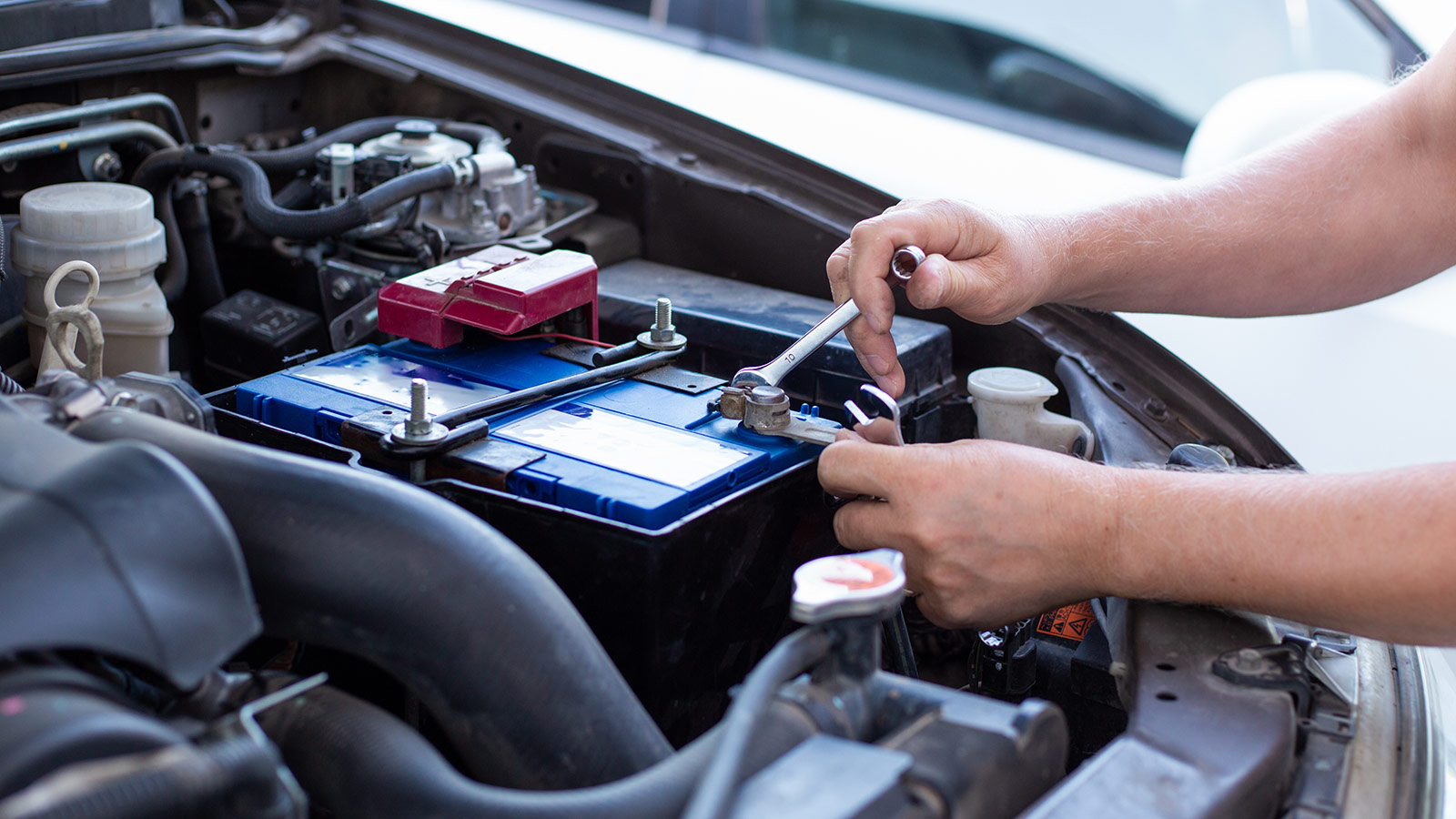
Your car is a significant investment, and proper maintenance, including battery replacement, helps protect that investment. Professional installation ensures that the battery is correctly fitted, terminals are securely connected, and any necessary computer resets or programming are performed. Incorrect installation can lead to several problems:
-
Reduced Battery Life: Loose connections or improper charging can shorten the battery’s lifespan.
-
Electrical System Damage: Over-tightening terminals can damage the battery posts; incorrect connections can short-circuit electrical components.
-
Performance Issues: Modern vehicles rely heavily on their electrical systems. Incorrect installation can lead to dashboard warning lights, power drain, and issues with electronic accessories.
Any of these issues can lead to further, more expensive repairs down the line, eroding the value of your vehicle and your financial peace of mind. Choosing a reputable installer might cost a little more upfront than a DIY approach or a basic free installation, but it safeguards your vehicle’s complex electrical system and extends the life of your new battery, thereby protecting your overall investment in the car.

Avoiding Future Expenses: Regular Battery Checks
The most financially intelligent approach to car batteries is continuous vigilance. Incorporating regular battery checks into your annual vehicle maintenance routine can identify issues long before they become emergencies. Many shops offer free battery checks, which include testing the battery’s charge, examining its physical condition, and checking the alternator output.
This proactive approach allows you to:
-
Plan and Budget: If a battery test indicates weakness, you can plan for a replacement at your convenience, shopping for the best price and installation option without the pressure of an emergency.
-
Avoid Towing and Inconvenience Costs: Catching a failing battery early prevents you from being stranded and incurring towing fees or losing valuable time.
-
Extend Vehicle Lifespan: A healthy electrical system, maintained by a good battery, contributes to the overall longevity and reliability of your vehicle, reducing the frequency of other repairs and extending its useful life.
Ultimately, understanding where to get a car battery installed isn’t just about finding a service; it’s about making a series of informed financial decisions that impact your immediate budget and your long-term financial health as a car owner. By approaching this necessity with a personal finance mindset, you can navigate the options efficiently and effectively, transforming a potential financial headache into a well-managed expense.
aViewFromTheCave is a participant in the Amazon Services LLC Associates Program, an affiliate advertising program designed to provide a means for sites to earn advertising fees by advertising and linking to Amazon.com. Amazon, the Amazon logo, AmazonSupply, and the AmazonSupply logo are trademarks of Amazon.com, Inc. or its affiliates. As an Amazon Associate we earn affiliate commissions from qualifying purchases.